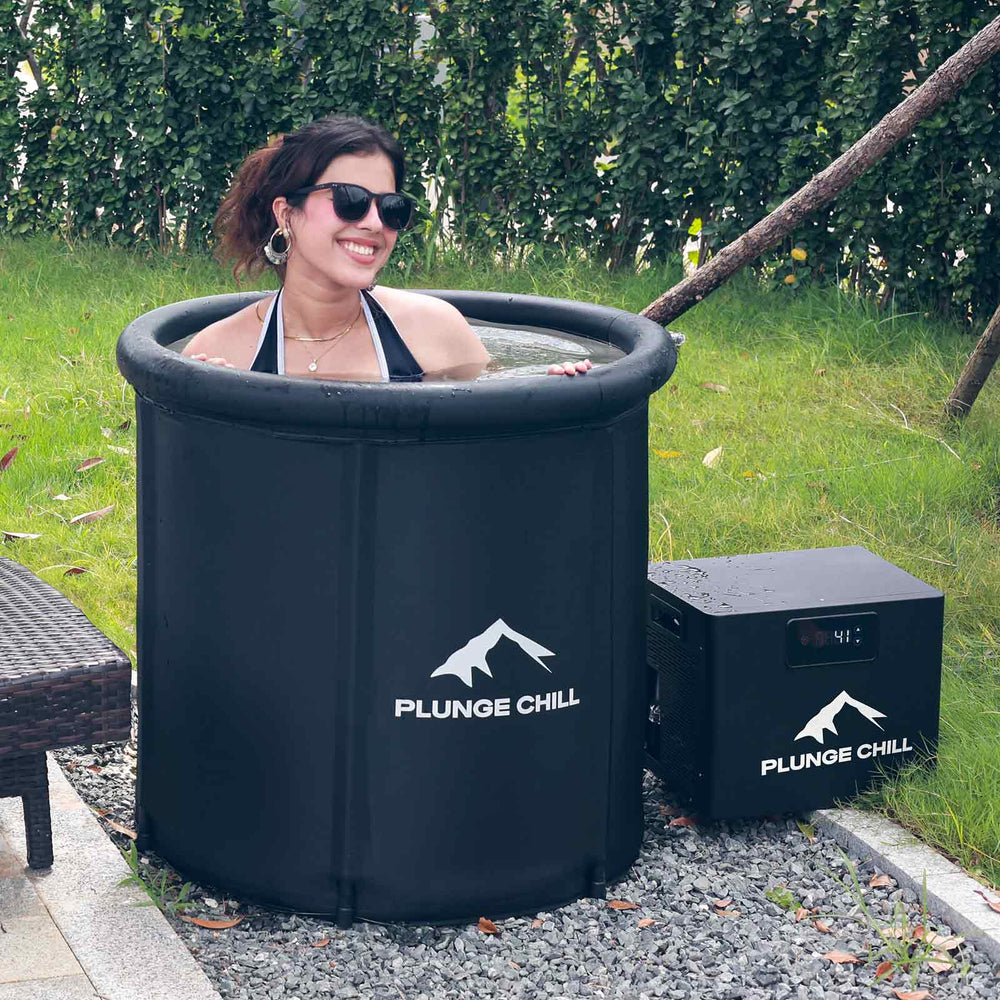
As a sports rehabilitation specialist and strength coach who also tests cold‑plunge products for real‑world use, I get asked one question more than any other: do ice baths actually rev up metabolism or is that just cold‑therapy folklore? The short answer is yes—done correctly, cold exposure can substantially increase energy expenditure acutely and improve glucose handling. The longer answer is more nuanced, because the “engine” of that thermogenic boost, the size of the effect, and how to safely deploy it depend on temperature, exposure time, your body composition, and training goals. This article translates the best available evidence into practical, safe, and product‑savvy guidance you can use today.
What “metabolism boost” means in the context of cold
When we say cold exposure “boosts metabolism,” we mean an increase in energy expenditure above resting levels—often called cold‑induced thermogenesis. Mechanistically, heat is generated through two pathways. Shivering thermogenesis is the immediate, involuntary muscle activity you feel when you get very cold. Non‑shivering thermogenesis, by contrast, produces heat without visible shivering and is partly supported by brown adipose tissue, with the rest handled by skeletal muscle working in a background mode. A helpful framework from the Journal of Applied Physiology classifies cold exposure by “thermogenic rate” relative to rest and whether core temperature can be defended. Practically, that means mild, tolerable “compensable” cold evokes one to two times resting metabolism, while more severe stimuli can climb far higher and eventually overpower core temperature defenses.
I emphasize this framework with athletes because it guides dosing. Short, very cold bouts are potent but taxing; longer, cool exposures are sustainable and often easier to recover from, especially on high‑training‑load weeks.

How cold drives energy expenditure
Skeletal muscle as the primary heat engine
A key misconception in popular coverage is that brown fat is the sole star of cold‑induced metabolism. A Nature Metabolism comment summarized by ScienceAlert argues that in humans, skeletal muscle is the dominant source of heat, especially during mild cold, and can account for roughly half of whole‑body energy use, with brown fat contributing a modest fraction of the total heat production. This does not sideline brown fat—its mass‑specific thermogenesis is high—but it does right‑size the relative roles. The likely reason many articles over‑index on brown fat is that rodent studies translate poorly to humans because rodents have far more brown fat and it is active even without pronounced cold. Differences in methodology and species explain much of the discrepancy.
Brown fat is small but still metabolically relevant
Human trials and a systematic review report that acute mild cold can increase energy expenditure and is associated with increases in brown adipose tissue volume and activity, as well as greater uptake of non‑esterified fatty acids by brown fat. Importantly, multiple human studies also report improved peripheral glucose uptake and insulin sensitivity with repeated mild cold exposure, including in metabolic disease populations. The total heat produced by brown fat is still outweighed by skeletal muscle in humans, but brown fat activation appears to be a helpful “assist” for glucose clearance and lipid handling.
Shivering and non‑shivering thermogenesis in practice
If you stay in cold long enough or choose aggressive temperatures, muscles begin to shiver, which markedly elevates energy expenditure. Non‑shivering mechanisms can also be trained over days to weeks, with studies showing increased non‑shivering thermogenesis and greater brown fat recruitment after short acclimation protocols to cool environments. In my room‑temperature gym, a gradual progression from cool showers to partial and then full immersions lets athletes access a meaningful metabolic stimulus without the stress spike of hard shivering. From a behavioral standpoint, this also improves adherence.
Overlooked insight integrated here: several consumer‑facing guides claim that cold “slows metabolism.” An Ohio State Health piece describes slower breathing and sweating in the cold, which is accurate for those specific physiological processes but conflicts with whole‑body energy‑expenditure data that show net increases in resting metabolic rate during cold exposure. The likely cause of the conflict is a focus on select local processes rather than whole‑body calorimetry. Suggested verification: compare indirect calorimetry at thermoneutral versus 68°F and 57°F in matched subjects under standardized protocols.
How big is the metabolic boost?
Two numbers anchor expectations. In a controlled human immersion experiment summarized by InBody USA, one hour at 68°F nearly doubled resting metabolic rate, while the same duration at 57°F increased it by roughly three and a half times. Separately, a systematic review and meta‑analysis of randomized trials found that acute mild cold exposures around 61–66°F increased daily energy expenditure by an average of about 188 kcal compared to thermoneutral conditions. Those are meaningful surges, and they scale with the intensity and duration of cold.
Body composition changes the picture. A Karger study reports that individuals with higher body mass index exhibit a blunted cold‑induced thermogenic response, likely mediated by lower brown fat recruitment and altered heat loss dynamics. In plain terms, two people in the same water at the same temperature may experience different metabolic upticks—one more muted than the other—not because the protocol “failed,” but because physiology differs.
Overlooked insight integrated here: many programs prescribe a single “best” temperature and time. The Journal of Applied Physiology commentary recommends standardizing by thermogenic rate relative to rest and whether the exposure is compensable or uncompensable, rather than relying on a single water temperature. That nuance is rarely addressed in consumer protocols and likely explains variable outcomes across studies. Suggested verification: report and compare responses using xRMR tiers across labs.

Glucose control, weight loss, and real‑world expectations
Cold exposure shows real promise for glucose metabolism. Reviews in PubMed Central report that short‑term acclimation to cool environments improves insulin sensitivity in healthy adults and in people with type 2 diabetes; one frequently cited figure is an approximately 43% gain in peripheral insulin sensitivity after about ten days of daily mild‑cold sessions. ScienceAlert’s summary of the Nature Metabolism comment also emphasizes skeletal muscle’s role in glucose uptake during cold, which aligns with that finding.
Weight loss is more complicated. In rodent experiments, cold‑exposed animals increased intake and maintained weight despite higher expenditure, and humans can do the same. InBody USA notes that mindful energy intake is necessary if you want the cold‑induced expenditure to translate into fat loss. In my facility, athletes in weight‑class sports pair cold exposure with dietary strategies rather than relying on cold alone to drive weight change.
Briefly, evidence that cold exposure remodels adipose tissues and improves lipid profiles exists in swimmers and habitual winter bathers, but these are often observational or involve small samples. I advise treating cold as a metabolic adjunct, not a primary weight‑loss intervention.

When and how I program cold exposure
In off‑season hypertrophy blocks or phases where athletes must adapt to strength stimuli, I avoid cold‑water immersion in the four to eight hours post‑lift. Work from PubMed Central demonstrates that routine post‑strength cold‑water immersion can blunt anabolic signaling, ribosomal biogenesis, and ultimately gains in muscle size and strength. For athletes prioritizing endurance performance, the picture is less clear; cold can reduce soreness and perceived exertion between sessions, yet convincing evidence that routine post‑endurance cold improves performance remains limited. On tournament weeks or during hot‑weather training camps, brief post‑session immersions at moderate cold are helpful for calming the nervous system and improving next‑day readiness.
When using an ice bath for metabolic conditioning specifically, I prefer two approaches. The first is longer, tolerable exposures around 50–59°F for 10–15 minutes on two to three nonconsecutive days per week, which aligns with clinical guidance from Ohio State Health and the Mayo Clinic Health System and supports a meaningful but manageable stimulus. The second is a weekly total “dose” approach, popularized in the Huberman Lab newsletter, targeting roughly eleven minutes per week across a few short, uncomfortably cold yet safe immersions. For athletes who want an extra metabolic kick, ending cold sessions without an immediate hot shower—allowing natural rewarming and even light shivering—can amplify non‑shivering thermogenesis, as discussed in that newsletter and consistent with basic thermoregulatory physiology.
Safety, contraindications, and risk management
Cold shock is real. Heart rate and blood pressure spike on immersion, and gasp reflex plus hyperventilation increase drowning risk, especially in open water. Hypothermia and nerve injury are additional risks with overexposure. The Mayo Clinic Health System and Ohio State Health both advise cautious, progressive acclimation, avoiding solo plunges, and screening with a clinician if you have cardiovascular disease, uncontrolled hypertension, arrhythmias, asthma, COPD, Raynaud’s, diabetes with neuropathies, or are pregnant. In my practice, someone is always supervising, towels and warm clothing are ready, and we exit immediately for numbness, chest discomfort, unusual shortness of breath, or confusion. Indoors, a home bathtub at approximately 50–60°F is inherently safer than open water near freezing.
Overlooked insight integrated here: cold‑water immersion is not required for every benefit associated with “cold therapy.” Cold showers and cool‑room exposures can be effective and more accessible, although immersion produces a more uniform and potent cooling stimulus because water conducts heat far more effectively than air. Suggested verification: compare limb blood‑flow and skin–muscle temperature responses to matched cold‑shower versus immersion protocols using near‑infrared spectroscopy or MRI.
How different cold modalities compare
Below is a practical snapshot using values and categories reported by the sources cited in this article. The goal is not to prescribe but to set expectations and help you standardize by thermogenic intensity rather than only temperature.
|
Modality |
Example temperature |
Example exposure |
Approximate thermogenic tier |
Compensable? |
Primary drivers |
Notes |
|
Cold‑water immersion (neck) |
68°F |
60 minutes |
Moderate, near 2x resting; in one study RMR rose ~93% |
Generally compensable |
Skeletal muscle non‑shivering; some brown fat |
Deep, uniform cooling; sustainable stimulus |
|
Cold‑water immersion (neck) |
57°F |
60 minutes |
High, >3x resting; in one study RMR rose ~350% |
Approaches uncompensable |
Skeletal muscle with shivering; brown fat |
Very potent; recovery cost higher |
|
Cold‑water immersion (post‑exercise) |
50–59°F |
10–15 minutes |
Mild to moderate |
Compensable |
Autonomic shift; localized cooling |
Useful for soreness and between‑event recovery |
|
Cold showers |
50–60°F equivalent feel |
2–5 minutes per bout |
Mild |
Compensable |
Cutaneous and superficial muscle |
Accessible; lower, more variable stimulus |
|
Whole‑body cryotherapy |
About −166 to −184°F air |
2–4 minutes |
Moderate |
Compensable |
Cutaneous cooling; autonomic effects |
Short, costly; protocols vary |
Values in the table reflect reported examples from InBody USA, a PubMed Central healthy‑aging review, and Generations Health & Wellness Center; thermogenic tiers reference the Journal of Applied Physiology commentary.

Choosing an ice bath: what matters and why
As a reviewer, I evaluate cold‑plunge systems for reliable temperature control, sanitation, and day‑to‑day usability. If you are shopping, prioritize a compressor that can hold your target temperature stably during use; a plunge that says it “hits 39°F” but rebounds to the mid‑50s when you step in will not deliver a consistent metabolic stimulus. Robust insulation and a fitted cover reduce energy use and keep debris out. For sanitation, integrated filtration with UV and/or ozone helps keep biofilm in check; if you prefer manual treatments, ensure the circulation path allows full‑water turnover between uses. Rapid drainage and accessible plumbing simplify maintenance. Power requirements, noise, portability, and a warranty you trust matter in home environments. Materials that resist cracking in cold and resist chemical wear save headaches, especially if the plunge will live in a garage.
Care is straightforward when it is scheduled. In my gym, we wipe down contact surfaces after each use, skim the surface daily, and change or backwash filters per manufacturer guidance. We shock or dose sanitizer weekly and do a deeper clean and refill on a cadence dictated by use volume. Even if you run UV or ozone, set calendar reminders; “clear” water is not always clean water.
Two purchase notes that are often overlooked. First, consider user size; tub length and depth affect immersion quality and adherence. If your athletes are 6 ft 4 in and above, many compact tubs will force a knees‑bent posture that limits coverage and comfort. Second, all‑season use in unconditioned spaces is different from climate‑controlled use; ask the manufacturer about ambient temperature operating limits and what happens at freezing conditions.
Pros and cons in one view
Cold exposure has compelling upsides for energy expenditure and metabolic signaling. Acute increases in resting metabolic rate are well documented in controlled immersions, and short‑term acclimation to cool environments can improve insulin sensitivity. On the recovery side, soreness typically falls with post‑exercise immersion, and perceived exertion between sessions is lower for many athletes. Against that, routine ice baths immediately after strength training can blunt hypertrophy signaling and long‑term gains, so timing matters. The metabolic boost also varies by body composition and protocol; what looks like a dramatic gain at 57°F for an hour may be neither necessary nor tolerable for your goals. Finally, risks from cold shock to hypothermia require planning, supervision, and a staged progression.
Putting it all together for athletes and active people
If your primary goal is metabolic health or weight management, program cold on days you are not chasing strength adaptations, and monitor appetite to avoid compensatory overeating. If your priority is strength or hypertrophy, reserve cold for off‑days, mornings before a late training session, or at least six to eight hours after lifting. For tournament congestion or heat stress, short post‑event immersions around 50–59°F are useful tools to feel better faster without over‑cooling. Across all goals, standardize your exposure not just by temperature and minutes but by the thermogenic intensity you can tolerate and recover from. That mindset yields more consistent results than chasing a single “best” temperature.
Brief comparisons and source notes
Evidence is mixed on some practical claims, and context explains why. Consumer guides sometimes highlight brown fat as the engine of cold metabolism, while a Nature Metabolism comment stresses skeletal muscle’s dominant role in humans, especially under mild cold. Rodent‑to‑human translation and measurement choices likely drive that difference. On recovery, a PubMed Central overview and multiple trials indicate soreness reductions after immersion, yet those same trials show little impact on inflammatory markers and document blunted anabolic signaling when immersion is routine after strength work—explaining why cold can feel “good” but still impair gains if mistimed. Daily‑life mild cold exposures around 61–66°F raise energy expenditure by roughly 188 kcal per day in randomized trials, but the impressive three‑plus‑fold surges come from long exposures around 57°F that most people will not sustain often; that fact alone can reconcile soaring lab‑based numbers with more modest real‑world outcomes.

Takeaway
Cold exposure can be a powerful metabolic tool when you respect its physiology. Moderate, tolerable cold reliably raises energy expenditure and can improve insulin sensitivity; harder, colder exposures drive larger spikes but at greater recovery cost. Skeletal muscle is your main heat engine in the cold, with brown fat contributing valuable but smaller support in humans. Use ice baths strategically, not reflexively: protect adaptation after strength training, prioritize safety, and standardize your protocols by thermogenic intensity rather than a single temperature target. If you are buying a cold plunge, insist on stable cooling, sane sanitation, and build quality you will actually maintain. Done this way, cold becomes an asset to your training and health, not a gimmick or a risk.
FAQ
Does an ice bath really increase metabolism, or is it just a sensation of “feeling wired”?
Controlled immersions demonstrate true increases in energy expenditure. One neck‑deep protocol at 68°F increased resting metabolic rate by about 93% over an hour, and the same duration at 57°F increased it by roughly 350%. A meta‑analysis of mild cold exposures around 61–66°F reported an average daily increase of about 188 kcal compared to thermoneutral. Those effects are physiological, not just subjective.
If I am trying to gain muscle, should I avoid cold plunges?
Avoid routine cold‑water immersion in the four to eight hours after strength training. Human trials show that regular post‑lift immersion can attenuate anabolic signaling and reduce long‑term gains in muscle size and strength, even if soreness feels lower the next day. If you enjoy cold, place it on off‑days, in the morning before a late lift, or at least six to eight hours after training.
What temperature and time are best for metabolic benefits without overdoing it?
For most people, 50–59°F for 10–15 minutes offers a sustainable stimulus that raises expenditure and is consistent with guidance from major health systems. Shorter, colder bouts can be effective but are harder to recover from; longer, cooler exposures are easier to tolerate. As a practical rule, aim for “uncomfortably cold yet safe,” and progress gradually across weeks.
Will a cold shower work, or do I need a full plunge?
Cold showers can help and are more accessible. Because water immersion cools the body more uniformly and intensely than a shower, plunges produce larger and more predictable responses. If a plunge is not available, multiple short cold‑shower bouts across the week still add up, especially if you keep limbs in the stream and move to break any warm film at the skin.
Does body fat change how much my metabolism rises in the cold?
Yes. Studies indicate that people with higher body mass index have a blunted cold‑induced thermogenic response. Heat loss, insulation, and brown‑fat recruitment differ by body composition, so two people using the same protocol may see different metabolic upticks. Personalization and gradual acclimation can improve responses.
Is brown fat necessary to get a metabolic benefit from cold?
No. Brown fat helps, particularly for glucose handling and lipid uptake, but skeletal muscle appears to be the main heat producer in humans during mild cold. You can gain metabolic benefits through muscle‑driven thermogenesis even if your brown fat mass or activity is modest.
A note on sources
The guidance above integrates peer‑reviewed work and clinical commentary from the Journal of Applied Physiology, PubMed Central reviews on cryotherapy and healthy aging, Karger’s analysis of BMI effects on cold‑induced thermogenesis, randomized evidence summarized by InBody USA on immersion temperatures and metabolic response, and practical recommendations from the Mayo Clinic Health System and Ohio State Health. The Huberman Lab newsletter provides an accessible weekly‑dose framing and behavioral techniques that align with the physiological literature. Where sources disagree, species differences, protocol intensity and duration, and reporting standards likely explain many gaps; adopting standardized thermogenic tiers and compensability categories helps reconcile findings.
References
- https://pmc.ncbi.nlm.nih.gov/articles/PMC11872954/
- https://health.osu.edu/wellness/exercise-and-nutrition/do-ice-baths-help-workout-recovery
- https://www.journals.uchicago.edu/doi/10.1086/589727
- https://www.nap.edu/read/5197/chapter/12
- https://ir.vanderbilt.edu/bitstream/1803/9977/1/Cold%20exposure%20induces%20dynamic%2C%20heterogeneous%20alterations%20in%20human%20brown%20adipose%20tissue%20lipid%20content.pdf
- https://mcpress.mayoclinic.org/healthy-aging/the-science-behind-ice-baths-for-recovery/
- https://www.mayoclinichealthsystem.org/hometown-health/speaking-of-health/cold-plunge-after-workouts
- https://www.science.org/doi/10.1126/sciadv.adt7369
- https://journals.physiology.org/doi/abs/10.1152/japplphysiol.00934.2020
- https://www.frontiersin.org/journals/physiology/articles/10.3389/fphys.2025.1525726/full
Disclaimer
By reading this article, you acknowledge that you are responsible for your own health and safety.
The views and opinions expressed herein are based on the author's professional expertise (DPT, CSCS) and cited sources, but are not a guarantee of outcome. If you have a pre-existing health condition, are pregnant, or have any concerns about using cold water therapy, consult with your physician before starting any new regimen.
Reliance on any information provided in this article is solely at your own risk.
Always seek the advice of a qualified healthcare provider with any questions you may have regarding a medical condition, lifestyle changes, or the use of cold water immersion. Never disregard professional medical advice or delay in seeking it because of something you have read in this article.
The information provided in this blog post, "Ice Bath Metabolism Boost: How Cold Exposure Speeds Up Your Metabolic Rate," is for informational and educational purposes only. It is not intended to be a substitute for professional medical advice, diagnosis, or treatment.
General Health Information & No Medical Advice