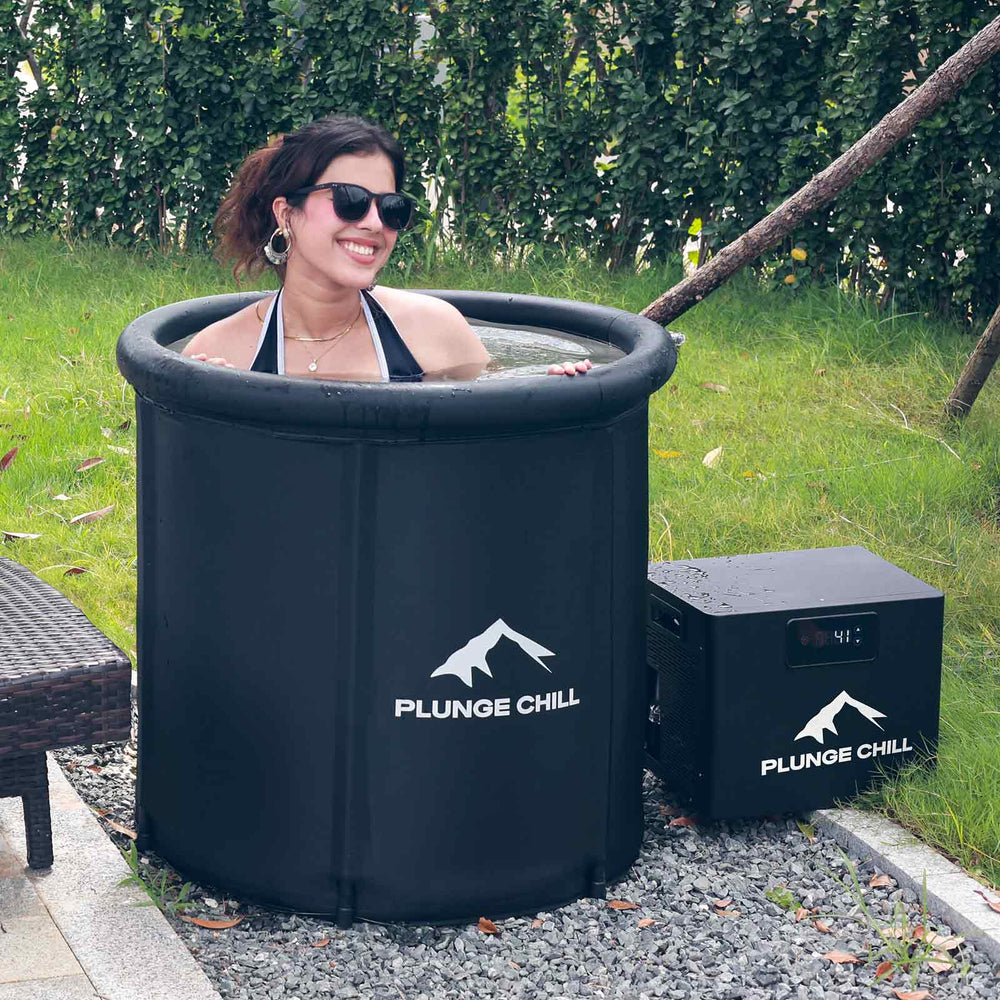
As a sports rehabilitation specialist and strength coach who also evaluates cold plunge products, I use ice baths with athletes when rapid turnaround matters more than building long‑term muscle. A “5‑star” ice bath is not just a tub that gets cold. It is a system that holds precise temperatures, filters and sanitizes water reliably, and allows you to apply protocols supported by the strongest recovery evidence for your sport and schedule. This guide synthesizes leading sources in sports medicine and physiology to help you select the right unit and use it safely and effectively.
What Makes a Cold Plunge “5‑Star” For Athletes
A 5‑star ice bath delivers stable, accurate water temperatures through full sessions, circulates and filters water to maintain cleanliness, and is durable and energy‑efficient under frequent use. I look for set‑and‑hold control in the 39–59°F range, strong circulation that prevents warm or cold pockets, and integrated filtration and sanitation that reduce drain‑and‑refill frequency. Pro‑grade systems used in team settings emphasize precise temperature control and filtration to standardize recovery across athletes, a point echoed by collegiate programs that have introduced modern plunge systems on campus.
In the training room, reliability matters more than marketing claims. If a unit cannot hold 50–55°F while multiple athletes cycle through, protocols drift and results do too. When buying for home use, quiet operation, footprint, and total cost of ownership become equally practical. If you are price sensitive or testing the method, a simple tub plus a pool thermometer can work, but plan for ice logistics and water hygiene.
Setup type |
Temperature control |
Upfront cost |
Operating hassle |
Best fit |
Manual, coarse control |
Low |
High ice handling and frequent water changes |
Occasional use or budget testing |
|
Inflatable tub with external chiller |
Moderate control with circulation |
Moderate |
Moderate setup and periodic maintenance |
Home athletes wanting weekly use |
Rigid plunge with integrated chiller, filtration, sanitation |
Precise, stable control |
High, sometimes up to $20,000.00 |
Low day‑to‑day; scheduled filter care |
Teams, facilities, or daily users |
Facility access at a clinic or gym |
Pro‑grade, supervised |
Membership or session fee |
Low hassle for the user |
Supervised protocols and shared cost |
Cost note drawn from Mayo Clinic Health System. The most expensive options are not inherently “better” unless they translate to precise, repeatable dosing and less maintenance overhead in your setting.
What the Science Actually Says About Ice Baths
Cold‑water immersion aims to reduce perceived soreness, modulate pain, and support faster readiness between bouts. The American College of Sports Medicine highlights protocols in the 50–60°F range with total exposure around 10–15 minutes for post‑exercise recovery and delayed onset muscle soreness. Evidence consistently shows small‑to‑moderate reductions in soreness and perceived exertion within the first day, which is exactly the window that matters during congested schedules.
Meta‑analytic and clinical signals. A recent meta‑analysis reports that cold immersion reduces soreness immediately and at early checkpoints, lowers creatine kinase at 24 hours, and reduces perceived fatigue, while objective performance and inflammation markers are inconsistent. PubMed Central reports performance maintenance or modest gains in same‑day or next‑day tasks in some contexts, particularly when the second bout follows within hours of the first. One crossover study suggested both 59°F and even moderate‑cool 82°F immersion could improve a 5‑km time trial four hours later compared with passive rest via faster core temperature normalization, though conventional statistics were not significant and the sample was small.
Performance window and adaptation trade‑offs. ACSM advises that neuromuscular performance benefits appear within 24 hours and diminish thereafter. For lifters, immediate post‑lift immersion can blunt muscle protein synthesis and long‑term strength and hypertrophy gains, aligning with controlled studies in the Journal of Physiology and the Journal of Strength & Conditioning Research. For this reason, I delay cold exposure at least 4–6 hours after heavy strength work during hypertrophy blocks or move it to a different day, while using it more freely around endurance or mixed‑sport demands when back‑to‑back readiness is the priority.
Mood, stress, and sleep. Harvard Health reports an analysis of 11 studies with 3,177 participants where stress reductions emerged about 12 hours after immersion, men reported better sleep while women did not, and cold showers improved quality‑of‑life scores; consistent improvements in mood or immunity were not found. The University of Oregon Knight Campus reported short‑term reductions in heart rate, blood pressure, and cortisol after a 15‑minute immersion in college students, suggesting transient cardiovascular and psychological benefits. Stanford Lifestyle Medicine describes mechanisms for mental state changes via endorphins and noradrenaline, with facial immersion producing a calming diving reflex through the vagus and trigeminal nerves.
Cold shock and safety realities. Case Western Reserve University explains the cold‑shock response: abrupt spikes in breathing, heart rate, and blood pressure with hyperventilation and peripheral vasoconstriction. People with coronary disease, arrhythmias, uncontrolled hypertension, or impaired circulation face higher risk; first timers are vulnerable to panic and breath‑control loss, which increases drowning risk. Cleveland Clinic and ACSM add that hypothermia, frostbite, and syncope are real hazards without safeguards.
A realistic summary. The strongest use case is short‑term symptom relief and perceived recovery during dense training or competition blocks. Expect modest benefits you can feel, not cure‑alls across biomarkers or long‑term adaptation. Coordinate timing with your training goals to avoid blunting the very adaptations you are chasing.

Protocols That Work Without Killing Your Gains
Protocol dose depends on goal, schedule, and training phase. The evidence converges on cool, not necessarily extreme, water and total exposure around 10–15 minutes when soreness reduction is the target. For novices, begin shorter and warmer and progress as tolerated.
Goal |
Water temperature |
Total time |
Timing guidance |
Notes and sources |
Reduce soreness and feel better by next day |
52–59°F |
11–15 minutes continuous or two 5‑minute bouts with a brief break |
Within two hours of finishing endurance or mixed sessions; delay 4–6 hours after heavy lifting |
ACSM; Science for Sport; Cleveland Clinic; Ohio State |
Maintain readiness between same‑day bouts |
50–59°F |
10–15 minutes |
Use between sessions or soon after the first bout; rewarm naturally afterward |
PubMed Central studies showing likely benefits in short windows |
Quick mental refresh and focus |
50–59°F for full body or brief facial immersion in cold water |
1–3 minutes for a plunge or 30–60 seconds for facial immersion |
Morning sessions may enhance alertness; late evening can disrupt sleep |
Cleveland Clinic; Stanford Lifestyle Medicine; ACSM timing note |
Heat stress cool‑down |
50–59°F |
Up to 10 minutes |
Use promptly after events in hot conditions with supervision |
Sports medicine practice and Cleveland Clinic guidance |
Practical dosing. Cleveland Clinic recommends three to five minutes for beginners, not colder than about 53°F initially, and generally avoiding water below 40°F. Ohio State lists 10–20 minutes at 50–59°F for traditional recovery dosing and notes that daily use is possible when it aligns with goals. Science for Sport aggregates successful protocols near 52°F for 11–15 minutes. These ranges can look “inconsistent” until you consider that shorter, colder bouts converge on the felt outcomes of longer, slightly warmer protocols; studies also vary in endpoints and populations, which explains differences.
Scheduling decisions. To protect strength and hypertrophy, delay post‑lift immersion by at least 4–6 hours and consider moving it to different training days when mass is the goal. For team sports in season, prioritize cold immersion after late practices or games when a next‑day session matters. Morning use can boost catecholamines and alertness; late‑day plunges may impair sleep sensitivity for some people per ACSM.
Safety, Contraindications, and Risk Management
Screen before you start if you have cardiovascular disease, uncontrolled hypertension, prior stroke, significant arrhythmias, poor circulation, Raynaud’s disease, hypothyroidism, cryoglobulinemia, stage III or IV heart failure, unstable angina, or peripheral neuropathy. These are drawn from ACSM, Cleveland Clinic, and Case Western physiology guidance. Do not use full‑body plunges alone. Control entry and breathing, keep a phone reachable, and have a partner nearby. Use a thermometer rather than guessing by feel. Outdoors, avoid moving water and under‑ice locations.
Manage the cold‑shock response by entering slowly and focusing on long exhales to counter hyperventilation. Stop if you experience chest pain, severe dizziness, loss of sensation beyond expected cold, or confusion. Rewarm by drying off, layering clothing, and walking gently; do not jump immediately into a scalding shower. If water sanitation is an issue, treat or change water and avoid use with open wounds.

Three Nuances That Change Your Results
In practice, the temperature is not the only lever that matters; hydrostatic pressure from immersion and the recovery window you care about can shift the best choice.
One, thermoneutral immersion sometimes supports recovery when you are not treating acute swelling. Science for Sport points out that very cold water can reduce heart rate and cardiac output enough to counter some hydrostatic benefits, and that 93–95°F immersion may in some cases aid recovery comparably unless you are managing an acute sprain or heat illness. Verification: run a randomized crossover comparing 59°F versus 95°F immersion on soreness and jump performance in team‑sport athletes after matched training.
Two, when the goal is preserving power output within about an hour, hot water immersion around 104°F may outperform cold water. Results presented by the American Physiological Society indicated better short‑term jump performance after hot water immersion than after cold, while next‑morning endurance capacity did not differ. The setting was a conference release rather than peer‑reviewed publication. Verification: look for peer‑reviewed replication measuring power, soreness, and biomarkers at one hour and next morning in both sexes.
Three, moderate‑cool water near 82°F has shown a possible benefit four hours later compared with passive rest, similar in magnitude to 59°F in a small crossover study of recreational runners, likely by accelerating core temperature normalization without excessive sympathetic load. The inference was magnitude‑based and the sample was small, so treat it as a hypothesis generator rather than guidance. Verification: repeat with a larger, balanced sample, preregistered analyses, and conventional statistics.
These nuances do not overturn the main guidance for soreness and readiness; rather, they remind us to tune the bath to the performance window that actually matters.
Product Buying Guide: Features That Earn Five Stars
Accuracy and stability. The most important differentiator is whether the unit reaches and holds your target temperature under real use. Look for verified control in the 39–59°F range with active circulation to prevent stratification.
Filtration and sanitation. High‑use tubs quickly accumulate sweat and debris. Systems that combine circulation, micron filtration, and sanitation technologies meaningfully reduce drain frequency and the need for harsh chemicals. University athletic departments adopting modern plunge systems emphasize clean‑water safeguards and reliable operation as much as absolute temperature.
User safeguards. A 5‑star unit supports safe use with clear temperature read‑outs, easy emergency exits, and covers or locks if used around children. It should be easy to start and stop sessions with cold hands and to adjust settings without fuss.
Noise, footprint, and energy. For home use, the best unit is the one you will actually use. Check noise ratings if it will sit near living areas and confirm the footprint fits your space without blocking air exchange for the chiller.
Service and durability. Frequent cycling puts stress on pumps and seals. Favor units with accessible customer support, readily available filters and parts, and a warranty that reflects daily use. In team settings, durability and service access often trump cosmetic features.
If the unit will serve more than one athlete, I value precise temperature control and clean‑water engineering on par with the compressor capacity. Collegiate programs that brought in professional‑grade systems cite these factors as the reason their athletes use the plunge after every practice rather than reverting to makeshift ice baths.

Care and Maintenance: Keep It Safe, Clean, and Cold
Measure water temperature with a pool‑safe thermometer and do not trust feel, especially when multiple users share the tub. Circulate water between users to prevent cold or warm layers. Rinse off sweat and chalk before entry to protect filters. Follow the manufacturer’s schedule for filter changes and sanitation; filtration and clean‑water features reduce, but do not replace, water changes. For simple tubs, change water frequently and scrub the surfaces to avoid biofilm. Dry the tub, hoses, and covers between long gaps in use to prevent mildew. After a plunge, rewarm gradually with dry clothes, gentle movement, and warm food or drink rather than a very hot shower that can cause vasodilation and lightheadedness.

Reconciling Conflicting Advice
You may notice conflicting durations and temperatures across respected sources. Cleveland Clinic suggests starting with three to five minutes and building tolerance, while ACSM and Science for Sport often cite a total of 11–15 minutes near the low 50s. Ohio State lists 10–20 minutes at 50–59°F and recommends delaying cold immersion by up to 48 hours when strength and size are the goals. These recommendations reflect different endpoints. Shorter times favor safer on‑ramp dosing and immediate tolerance, while longer totals better match research protocols for soreness reduction. Studies also differ by populations, sports, timing relative to training, and whether the target outcome is subjective soreness, jump height, or biomarker changes. Align your protocol with your actual goal and time horizon rather than averaging them.

Practical Scheduling for Real Training Weeks
In strength blocks or when you are new to lifting, preserve the inflammatory signal that drives adaptation by waiting at least 4–6 hours after lifting before a plunge, or avoid cold immersion on those days entirely. In endurance or team‑sport phases with back‑to‑back practices or games, use the studied protocols immediately post‑session for soreness relief and next‑day readiness. During heat exposure or tournaments, a plunge supervised by staff can be a safe and quick way to reduce core temperature, but continue monitoring after exit. Morning sessions can boost alertness through catecholamine release, while late‑evening plunges can disturb sleep for some people. Individualize.

Frequently Asked Questions
How cold should a 5‑star ice bath go if I want the benefits?
For soreness and next‑day readiness, the best evidence clusters around 52–59°F for a total of 10–15 minutes. Beginners can start around the mid to upper 50s for one to three minutes. I rarely see a need to go below 45–50°F outside of specialist protocols because colder is not automatically better for recovery, and risk rises as the water cools.
Will cold plunges hurt my strength and muscle gains?
They can if you use them immediately after lifting. Controlled trials show reduced long‑term hypertrophy and strength when cold immersion follows resistance training. Delay cold exposure 4–6 hours after heavy lifting or move it off training days when size is the priority. For endurance or mixed‑sport phases, the trade‑off often favors faster turnaround.
Do ice baths improve mood or sleep?
Some people report immediate mental clarity and a better night’s sleep, and one review found stress reductions about 12 hours after immersion with men reporting better sleep. Evidence for consistent mood or immunity improvements is mixed. If you enjoy the mental lift and it fits your routine without disrupting sleep, it can be part of your recovery toolkit.
Are cold showers as good as a plunge?
Cold showers are more accessible and can feel refreshing, but they do not cool the core and muscle as efficiently as immersion. Showers can still lower heart rate later and improve perceived recovery, which makes them useful between full immersions or when traveling.
Is there any weight‑loss benefit from cold plunges?
Cold exposure can raise calorie burn temporarily and may activate brown fat, but using ice baths for weight loss is not well supported. Focus on performance and recovery benefits and keep nutrition and training as your primary levers.
Who should not do ice baths?
People with uncontrolled hypertension, significant heart disease, arrhythmias, poor circulation, Raynaud’s disease, severe neuropathy, or a history of cold injury should avoid plunges unless cleared by a physician. Do not plunge alone, and never in moving water or under ice.
Takeaway
A 5‑star ice bath earns its rating by enabling precise, repeatable recovery dosing with minimal hassle and maximal safety. The strongest evidence supports cool, not extreme, temperatures in the low to upper 50s with total exposure around 10–15 minutes to reduce soreness and perceived fatigue during dense training or competition windows. For lifters, separate cold immersion from hypertrophy work by several hours or different days to protect long‑term gains. Buy for accuracy, cleanliness, durability, and workflow rather than headline cold claims, and run protocols that match your goal and time horizon. When you treat the plunge as a targeted tool rather than a cure‑all, it can reliably give back what athletes want most: another high‑quality session tomorrow.
Sources referenced in text include ACSM, Cleveland Clinic, Ohio State, Harvard Health, Case Western Reserve University, University of Oregon Knight Campus, PubMed Central, Science for Sport, Mayo Clinic Health System, and reports from collegiate athletics programs.
References
- https://knightcampus.uoregon.edu/plumbing-benefits-plunging
- https://ben.edu/game-ready-ice-cold-how-plunge-chill-is-helping-redhawks-recover-smarter/
- https://case.edu/news/science-behind-ice-baths-and-polar-plunges-are-they-truly-beneficial
- https://www.health.harvard.edu/staying-healthy/research-highlights-health-benefits-from-cold-water-immersions
- https://lifestylemedicine.stanford.edu/jumping-into-the-ice-bath-trend-mental-health-benefits-of-cold-water-immersion/
- https://www.marquette.edu/innovation/documents/arora_ice_bath_recovery.pdf
- https://sncs-prod-external.mayo.edu/hometown-health/speaking-of-health/cold-plunge-after-workouts
- https://pmc.ncbi.nlm.nih.gov/articles/PMC2938508/
- https://health.osu.edu/wellness/exercise-and-nutrition/do-ice-baths-help-workout-recovery
- https://health.clevelandclinic.org/what-to-know-about-cold-plunges