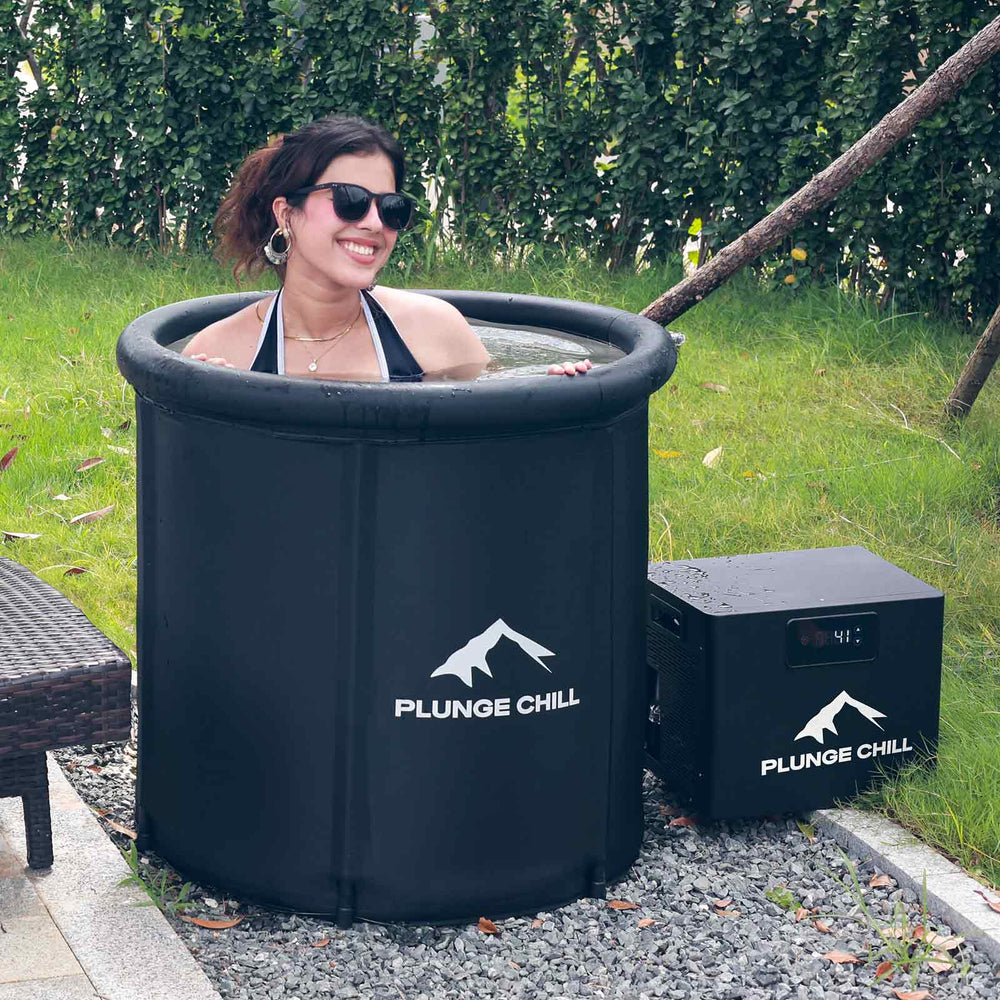
Ice baths are no longer a novelty reserved for pro locker rooms. As a sports rehabilitation specialist and strength coach who also reviews cold‑plunge products, I see them every week in clinics, gyms, and garages. When used thoughtfully, cold‑water immersion can reduce next‑day soreness and help athletes turn around hard sessions. Used indiscriminately, it can blunt strength gains, worsen cold stress, or create safety risks. This guide synthesizes reputable medical and sports‑science sources with field experience to help you choose the right ice bath and use it safely and effectively.
What An Ice Bath Is—and What It Does
An ice bath is deliberate immersion of the body in cold water for a brief, controlled exposure to drive recovery or resilience. Most protocols target water between about 50 and 59°F and keep sessions short. Physiologically, cold triggers vasoconstriction, shifts fluids centrally, slows local metabolism, and reduces inflammatory signaling. On exit and rewarming, circulation rebounds, which likely helps with clearance of metabolites and perceived soreness. Reviews and clinical outlets describe reductions in delayed‑onset muscle soreness and improved next‑day function in some contexts, with the strongest support in endurance or dense‑schedule recovery and a more cautious picture for strength adaptation over time. Cleveland Clinic and Mayo Clinic Health System emphasize short exposures and screening for cardiovascular or neuropathic risks, while Ohio State University experts and a Cochrane‑style synthesis cited by Runner’s World highlight mixed findings with modest average effects and wide variability.
Benefits, Limits, and How to Resolve the “Recovery vs Adaptation” Trade‑off
Acute recovery benefits center on reduced soreness, tighter perceived exertion control, and faster return to baseline after exhaustive work. In college and elite settings, cold immersion after taxing endurance work has supported better next‑day performance. Conversely, several mechanistic and training studies suggest that plunging right after heavy resistance training can dampen muscle protein synthesis and hypertrophic signaling. Mayo Clinic Health System and Ohio State University both caution that daily, immediate post‑lift plunges can compromise long‑term strength and size gains, while endurance training appears less affected.
If you prioritize strength or hypertrophy, wait at least a day before cold exposure or use it on non‑lifting days. If you are in a dense competition microcycle or back‑to‑back training blocks, it is reasonable to lean on short, moderate‑cold plunges to limit soreness so you can hit quality targets the next day. This compromise—called periodization of recovery—maps cold exposure to the training phase. Practically, earlier phases tolerate more soreness to drive adaptation; later phases and competition windows favor freshness, even if it slightly sacrifices long‑term signaling.

What The Evidence Really Says
Medical centers and sports organizations converge on a few points. Cleveland Clinic recommends conservative exposures and notes risks including hypothermia, hyperventilation, and cardiovascular stress, especially in people with heart disease, high blood pressure, peripheral neuropathy, or poor circulation. Mayo Clinic Health System adds that cold immersion can be performed daily in healthy people but that timing relative to training matters for long‑term outcomes. Ohio State University experts frame the evidence as mixed and context‑dependent and flag trade‑offs for strength gain. A 2012 Cochrane‑style review summarized by Runner’s World reported roughly a one‑fifth reduction in muscle soreness versus passive recovery, but with heterogeneous methods and variable quality. A clinical review on PubMed Central described inconsistent results and even transient performance decrements in certain test batteries following cold exposure. Science for Sport’s fighter‑focused analysis points to meaningful benefit in high‑load microcycles and highlights the role of body composition in cooling rate, which mainstream guides often omit.
The overall picture: use cold strategically, and judge it by your sleep, soreness, session quality, and competition demands rather than assuming it is universally superior to other recovery tools.
How Cold, How Long, How Often
The most common mistake I see is “more and colder is better.” It is not. Start warmer and shorter. Track your response. Progress only if you recover better with no red‑flag symptoms.
Goal or Context |
Temperature Target |
Typical Session Length |
Timing Guidance |
Notes and Primary Sources |
Novice familiarization |
About 68°F for first trials, then 59–55°F |
About 1–3 minutes initially; pause if breathing is uncontrolled |
Standby towel and warm layers; exit early if lightheaded |
Cleveland Clinic; Harvard Health |
Endurance recovery, next‑day performance |
About 59–50°F |
About 5–10 minutes after a hard session |
Use within 30–60 minutes post‑work or at day’s end |
Mayo Clinic Health System; Ohio State University; Runner’s World synthesis |
Dense microcycles or tournaments |
About 50–46°F if acclimated |
About 8–10 minutes, sometimes split into two short sets separated by a brief warmup |
Use after the day’s final session |
Science for Sport |
Strength or hypertrophy phase |
If used, keep to 55–59°F |
About 3–5 minutes and avoid immediately post‑lift |
Delay 24–48 hours after heavy lifting |
Ohio State University; Mayo Clinic Health System |
Mental reset, focus training |
About 59–50°F, or an un‑iced cold bath |
About 1–5 minutes based on tolerance |
Morning or between meetings; rewarm gradually |
Cleveland Clinic; Ohio State University |
Durations at the extremes deserve caution. Some gym guides advocate 10–15 minutes or longer, which is tolerable for experienced users around 55–59°F but raises hypothermia risk as water dips below 50°F. Cleveland Clinic frames five minutes as a prudent upper bound for new users, while Mayo Clinic Health System encourages starting at 30–60 seconds and building to 5–10 minutes. If you shiver violently, become numb, or lose motor control, exit immediately and rewarm gradually.
Frequency depends on goals and workload. Two or three plunges per week suffice for most general recovery needs. High‑intensity or congested competition periods can justify four or five short exposures in a week. Several coaching and product sources warn against daily plunges year‑round because of diminishing returns and interference with strength gains; I advise periodizing cold exposure just like training. When in doubt, set a two‑week experiment and track session quality, soreness ratings on waking, and sleep efficiency; adjust based on these leading indicators.

Timing With Workouts, Sauna Pairing, and the Cold‑Shower Question
The “when” matters as much as the “how.” For endurance sessions or games, plunging within roughly an hour often helps while respecting the rest of your program. For heavy lifting blocks, wait a day or two. For morning mental sharpness, brief exposure before work is reasonable as long as you rewarm thoroughly before training. If you have access to a sauna, several clinics recommend 15–30 minutes of heat after a short plunge to smooth the rewarm phase and improve comfort. Cold showers can be a decent stand‑in when a tub is not available; they deliver a smaller physiological effect than full immersion but can lower heart rate later and improve perceived recovery, according to a controlled comparison summarized by Science for Sport.
Safety First: Who Should Avoid Ice Baths and How To Reduce Risk
Cold immersion raises blood pressure and breathing rate as vessels constrict and the cold‑shock response hits. People with heart disease, uncontrolled high blood pressure, venous stasis, peripheral neuropathy, diabetes, or cold agglutinin disease should talk to a clinician before plunging, per Cleveland Clinic and Mayo Clinic Health System. Outdoors, never use bodies of water with currents. Indoors, have a towel and warm clothing within reach, and ensure the tub is stable on a non‑slip surface. Enter slowly, keep the head above water, and choose conservative exposures until your breathing is calm. After exiting, dry off and rewarm gradually rather than sprinting to a scalding shower. If you feel faint, intensely numb, confused, or unable to coordinate movement, stop and rewarm; if symptoms persist, seek care.

Overlooked but Important Nuances
Body composition changes cooling rates. Leaner, smaller athletes cool faster than larger, higher‑body‑fat athletes. The former may need shorter or warmer exposures; the latter sometimes benefit from slightly longer or split sets to meaningfully reduce muscle temperature without overcooling. This nuance is explained in performance contexts by Science for Sport but rarely appears in general wellness posts. Another under‑discussed point is habituation. With steady daily use, perceived benefit can flatten, and entirely separate from the strength‑gain issue, the stimulus may feel less potent. Several coaching and brand guides mention this indirectly; in practice, rotating recovery modalities or taking a deload week from cold often restores sensitivity. A third nuance is pre‑cooling. Some lifestyle articles promote a pre‑workout plunge for focus. In heat, brief pre‑cooling can reduce perceived effort, but cold muscles are less elastic and slower. In my coaching practice, pre‑cooling is reserved for specific endurance events in heat with ample rewarm time and a thorough dynamic warm‑up; for power or mixed‑sport athletes, I recommend against pre‑workout plunges because of joint stiffness and injury risk signals seen in the sport‑science literature. Where individual responses vary, test changes systematically across two training weeks and compare session quality and readiness metrics.
Editor’s Choice: How To Choose the Right Ice Bath
Most buyers fall into one of three groups: the practical home user looking for a reliable setup without rewiring the garage, the performance‑oriented user willing to invest in a chiller‑integrated plunge, and the minimalist who wants a portable tub that packs away. Choosing the right option is about your climate, space, budget, and how often you will use it.
Product Type |
What It Is |
Pros |
Cons |
Best For |
Cost and Power Notes |
Insulated collapsible tub with manual ice |
Portable tub you fill with cold tap water and ice |
Low upfront cost; portable; quick to set up; fits patios or small spaces |
Requires ice logistics; temperature drifts; more frequent water changes |
General fitness users two or three times per week |
No dedicated power; ice costs add up |
Barrel‑style plunge |
Rigid, deep vessel for full submersion from shoulders down |
Submersion depth; durable; less tipping risk |
Can be bulky; still needs ice unless paired with a chiller |
Users who want full‑body immersion and stable setup |
May pair with aftermarket chiller; footprint matters |
Insulated tub with compressor and filtration to hold set temperature |
Always‑ready water; precise control; built‑in filtration; minimal ice |
Highest upfront cost; requires dedicated circuit; maintenance |
High‑frequency use, teams, and serious recovery users |
Price can reach premium ranges; Mayo Clinic Health System notes top‑end systems costing up to $20,000 |
|
DIY stock tank |
Farm tank plus drain and optional chiller |
Very affordable; rugged; large volume |
Poor insulation; heavy when filled; sanitation burden |
Budget hobbyists and tinkerers |
Consider structural floor load and hose access |
A number of brands market ready‑to‑plunge systems, from barrels to plug‑in chillers. Some manufacturers promote specific capabilities such as holding water near 39°F in hot climates or using multi‑stage water purification. Those claims can be useful signals, but they come from manufacturers. For any premium system, ask for a hands‑on demo or third‑party verification of temperature stability, noise level, and sanitation performance under real‑world conditions, and confirm power requirements with an electrician before purchase.

Buying Checklist and Setup Tips
Match size and depth to your body and training. If you are over about 6 ft, confirm that shoulder‑level submersion is possible without curling into a ball. Look for drain position and hose compatibility that work in your space. Insulation and a well‑fitting lid preserve water temperature and reduce ice use. Sanitation features such as filtration, UV or ozone, and surfaces that are easy to wipe down simplify care. Noise matters if you plan to install near living areas. Outdoors, consider freeze protection and a cover that seals out debris. Indoors, confirm floor load, splash management, and access to a drain.
From a performance standpoint, the most important setup detail is not the brand name. It is repeatability. Use a thermometer so you actually know the water temperature, log your time in the water, and pair a consistent rewarming routine with a consistent reflection on how you feel that evening and the next morning. Over a month, you will see patterns that are more meaningful than anyone’s marketing.

Care, Cleaning, and Water Management
Hygiene matters. Shower before getting in to limit oils and sweat. Keep your feet clean as you approach the tub to reduce debris. Cover the water when not in use to limit airborne contamination. A practical guideline from a consumer guide is to change water roughly every four weeks, with quick rinses after draining and a deeper wipe‑down every two or three months to maintain the vessel’s interior. This cadence can vary with usage, filtration, and outdoor dust. If water ever looks cloudy or smells off, change it sooner. After sessions, dry off and rewarm gradually with warm layers and movement; wait a bit before a very hot shower to avoid lightheadedness and abrupt vascular swings.
One often‑repeated claim is that cold exposure can spike dopamine for hours and that this explains the pronounced mood effects people report. Some older physiology studies in cold conditions suggest large catecholamine changes, but the exact magnitude in home ice baths is not well established today. A reasonable verification step would be to consult recent human trials that measured catecholamines and mood after brief immersion near 50–59°F and compare them to cold‑air exposures of similar thermal load.

Pros and Cons in Plain Terms
The upside is straightforward. If your legs are trashed after back‑to‑back intervals or a tournament day, short, moderate‑cold immersion can reduce soreness and restore next‑day quality. If your schedule demands you train hard again tomorrow, this can be the difference between hitting or missing the session. Many users also value the focus and stress‑management benefits of learning to regulate breathing under controlled discomfort.
The downside is just as real. Immediate post‑lift plunges can muffle the inflammation signals that drive strength and size over months. Going too cold or too long increases risk of hypothermia, numbness, and slips on exit, and people with underlying conditions can experience dangerous spikes in blood pressure or heart rhythm changes. There is also an opportunity cost: if sleep, protein intake, and load management are neglected, no amount of plunging will backfill those fundamentals. In my practice, the best outcomes come from a simple rule: get the basics right, then use cold as a tool, not a talisman.

Three Insights You Won’t See in Most Product Pages
The first is that body size and composition change dosing. Leaner athletes cool faster, so they often respond better to slightly warmer or shorter exposures, while larger athletes may need either a longer single bout or two short bouts separated by a brief rewarm to achieve the same local muscle temperature change without overcooling the core. Science for Sport discusses this in depth. The second is habituation. People who plunge every day for months often report dwindling effects. This likely reflects normal adaptation to a repeated stressor. Taking a one‑ or two‑week break or rotating heat or active recovery back in usually restores the effect. The third is pre‑cooling. It can reduce perceived exertion in heat but may impair elastic power and stiffness needed for reactive sport. In the literature and in practice, it is best reserved for narrow use cases with ample rewarm time and an extended dynamic warm‑up rather than as a general workout primer. This discrepancy between lifestyle content and performance practice likely comes from different endpoints and populations studied.
Quick Programming Templates You Can Trust
For a runner or field athlete in a hard training week, use roughly 5–8 minutes at about 55°F after the day’s final session, two or three times that week. For a power or hypertrophy block, skip cold on lift days and, if desired, use a brief 3–5 minute plunge around 55–59°F the morning after or on conditioning‑only days. For an endurance event in heat with another session within the next day, consider 8–10 minutes at about 50–55°F after the session, then rewarm and eat as usual. For general resilience and stress management, two or three short predawn exposures per week work well, as long as you rewarm thoroughly and keep training later in the day unaffected.
FAQ
What temperature is best for most people starting out?
Most beginners do well near 59°F rather than diving straight into near‑freezing water. Cleveland Clinic even suggests first exposures around 68°F to dial in breathing and exit routine. Over a few sessions, you can lower toward 55°F and only consider colder water once you tolerate five calm minutes without excessive shivering or numbness.
How long should I stay in the water?
Keep first sessions very short at about one to three minutes. Many reputable clinical and sport sources cluster around five to ten minutes for experienced users at about 55–59°F, with lean toward the shorter end as water gets colder. Cleveland Clinic frames five minutes as a sensible ceiling for new users. Risk rises as time increases and temperature drops.
Should I ice bath after lifting weights?
If your main goal is strength or muscle gain, do not plunge immediately after lifting. Mayo Clinic Health System and Ohio State University both note that cold can blunt the cellular signals that build muscle. Delay cold exposure by about a day, or reserve it for non‑lifting days. If you only have one day off before a competition and must feel fresh, keep the exposure brief and moderately cold.
Are daily ice baths safe?
Healthy, screened individuals can tolerate frequent exposure, but safety is not the same as optimality. Daily plunging right after training can compromise long‑term strength gains and often leads to diminishing returns. Most users get strong results with two or three plunges per week, moving to more frequent, short exposures only during dense schedules or competition phases.
Do cold showers work as well as full immersion?
Cold showers are a practical substitute that improve perceived recovery and can lower heart rate later on, but they create a smaller physiological load than submersion because the conductive heat transfer is lower and water coverage is incomplete. They are useful when a tub is impractical; for deeper recovery effects, immersion has stronger support.
Can cold exposure help with weight loss or immune function?
Cold exposure can increase calorie burn and may activate brown fat, and open‑water swimmers show fewer colds in some observational reports. These are intriguing signals but not definitive fat‑loss or immunity prescriptions for home ice baths. To verify relevance, look for controlled trials measuring body composition and infection rates in home users following brief, moderate‑cold immersion at about 50–59°F over several months.
Takeaway
An ice bath is a powerful tool, not a cure‑all. The best results come from conservative dosing, smart timing relative to training, and consistent hygiene and safety. If you are a strength‑focused athlete, delay cold after lifting. If you need next‑day legs after a hard endurance session, a short plunge near the mid‑50s can help. Choose a product type that matches your space, budget, and usage frequency, and value repeatability over novelty. Most importantly, use a thermometer, track how you feel, and let your data—not internet bravado—drive your progression. Clinical guidance from Cleveland Clinic and Mayo Clinic Health System and sports‑science analyses from Ohio State University, Runner’s World’s synthesis, PubMed Central reviews, and Science for Sport all point to the same conclusion: used deliberately, cold works for the right jobs, and you are better off when you treat it like any other training variable—measured, periodized, and personal.
References
- https://www.health.harvard.edu/staying-healthy/the-big-chill
- https://www.mcphs.edu/news/physical-therapist-explains-why-you-should-chill-out-on-ice-baths
- https://sncs-prod-external.mayo.edu/hometown-health/speaking-of-health/cold-plunge-after-workouts
- https://pmc.ncbi.nlm.nih.gov/articles/PMC2938508/
- https://health.osu.edu/wellness/exercise-and-nutrition/do-ice-baths-help-workout-recovery
- https://health.clevelandclinic.org/what-to-know-about-cold-plunges
- https://www.scripps.org/news_items/7724-are-ice-baths-good-for-you
- https://mcpress.mayoclinic.org/healthy-aging/the-science-behind-ice-baths-for-recovery/
- https://www.mayoclinichealthsystem.org/hometown-health/speaking-of-health/cold-plunge-after-workouts
- https://www.denversportsrecovery.com/blog/cold-plunge-therapy-and-sauna-how-long-and-what-temperature