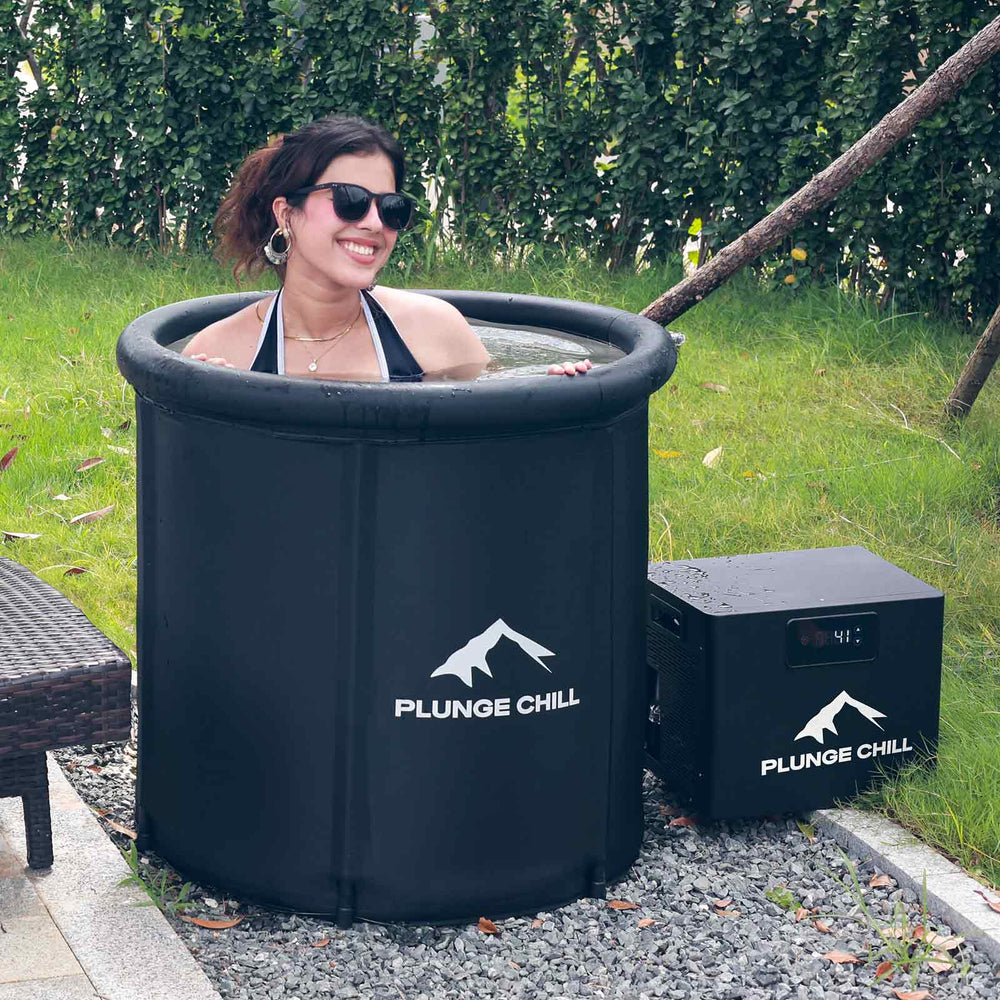
Cold plunges moved from pro locker rooms to home gyms and affiliates for a reason: when used deliberately, they can make hard training feel more manageable and help you turn around for the next session. As a sports rehabilitation specialist and strength coach who integrates cold-water immersion with CrossFit athletes, my stance is straightforward. Ice baths reduce soreness and can improve next‑day readiness when you need it most, but they are not magic, and the details—temperature, timing, and training context—determine whether you get an edge or blunt your gains.
What Counts as an “Ice Bath” in Practice
In sports science, an ice bath is cold‑water immersion, typically from the waist or chest up, that lasts a few minutes at relatively low water temperatures. Cleveland Clinic describes safe starting temperatures in the 50–59°F range, with advanced users sometimes working down toward 39–50°F and a practical floor around 40°F for most non‑clinical settings. Mayo Clinic Health System emphasizes brief exposures and cautions that water in natural environments can be much colder than expected, so measuring with a thermometer matters. Both note the obvious but often overlooked point: exposure should be short, controlled, and followed by sensible rewarming.
Cold works through several overlapping mechanisms. Lower tissue temperatures and vasoconstriction limit fluid accumulation, which can ease post‑workout swelling and discomfort. Hydrostatic pressure during head‑out immersion shifts fluid back to the central circulation, augmenting cardiac output without added energy cost, which mimics some benefits of active recovery while you remain still. Reduced nerve conduction contributes to an analgesic effect, which athletes recognize as the immediate “numb and better” sensation after a plunge. These mechanisms explain why ice baths can help you feel better quickly without necessarily changing deeper inflammatory biology.
Cold-water immersion is distinct from whole‑body cryotherapy chambers, which expose you to very cold air rather than water. A systematic review of whole‑body cryotherapy in sport reported mixed findings and unclear efficacy, whereas the literature base supporting water immersion—especially for soreness relief—is broader. For CrossFit athletes choosing between modalities, water wins for practicality and evidential support.
What the Evidence Says (And What It Doesn’t)
Across controlled trials and meta‑analyses, several patterns are consistent enough to guide programming.
A meta‑analysis focused on post‑exercise cold-water immersion found reductions in delayed‑onset muscle soreness immediately after immersion and smaller perceived fatigue in that same window. At 24 and 48 hours, effects on soreness were inconsistent once statistical heterogeneity was handled, but creatine kinase—a blood marker of muscle damage—tended to be lower at 24 hours, and blood lactate was lower at 24–48 hours compared with passive rest. These patterns align with what athletes report: you feel better fast, and the next day may be a bit cleaner.
On the biomarker front, a mechanistic trial comparing cold immersion to active recovery after resistance exercise found no meaningful differences in intramuscular leukocytes, inflammatory cytokines, or heat‑shock protein responses. That result dovetails with training studies showing that regularly plunging immediately after lifting can blunt long‑term hypertrophy and strength. Put simply, cold seems great for short‑term comfort and task readiness, but repeated use right after strength work can interfere with the very inflammation‑signaling you need to grow. That is why sports medicine groups, including Ohio State’s health guidance, recommend delaying cold exposure for 24–48 hours after sessions where building strength or size is the priority.
There is also a broader wellbeing literature. A systematic review of cold exposure in healthy adults noted that immersion acutely elevates physiological stress markers and can increase markers of inflammation immediately after cold; meanwhile, perceived stress decreased at about 12 hours. The clinical meaning of those transient changes in healthy, trained populations is unclear, but it suggests that “how you feel” and “what your blood markers show right away” can point in different directions for a short period. That nuance matters when you interpret recovery scores versus how ready you are to perform.
Finally, what about temperature and duration? A network meta‑analysis in Frontiers in Physiology cataloged 55 randomized trials and grouped protocols by “dose.” The 10–15 minute range is the most common in research, and colder water in approximately the 41–50°F range is often associated with stronger effects but is less tolerable for many athletes. Moderate temperatures around 52–59°F appear easier to adhere to, with potentially smaller effects. Cleveland Clinic and Mayo Clinic Health System both emphasize keeping sessions brief and controlled for safety; many clinicians cap early exposures at about five minutes, while some sports performance guidance tolerates longer bouts in the 10–15 minute zone for acclimated athletes. The takeaway is that there isn’t a single correct protocol—what’s right depends on your goal, your cold tolerance, and your training block.
Reconciling Conflicting Advice
If you have noticed contradictions—one clinic says three to five minutes while another guide mentions 10–15 minutes—you are not imagining it. There are four common reasons these recommendations diverge. First, comparators differ: studies that compare cold water to passive sitting are more likely to report benefits than those comparing against low‑intensity active recovery, which already works well. Second, outcomes differ: perceived soreness and readiness often improve faster and more consistently than objective biomarkers. Third, protocols differ: chest‑level immersion for 10–15 minutes at 41–50°F is a stronger physiological dose than three minutes at 55°F up to the waist. Fourth, training context matters: cold after high‑rep squats sends a different biological message than cold after a hot outdoor metcon.
As a coach, I interpret these conflicts by prioritizing athlete intent. If you are chasing an extra one or two percent of performance in a two‑day CrossFit competition, cold is a legitimate tool to improve next‑day readiness. If you are in a hypertrophy block, cold right after lifting is the wrong tool for the job.

Practical Protocols for CrossFit
The safest on‑ramp is short, measured exposure at moderate cold. Cleveland Clinic recommends starting in the 50–59°F range for a few minutes and using a thermometer to avoid surprises; they also note that most people should not go below about 40°F. For acclimated athletes who tolerate cold well, many performance programs operate at 52–59°F for 10–15 minutes, as reflected in sports performance summaries and several trials. When athletes push temperatures near 41–50°F, I shorten the session and monitor closely.
Heat pairing can be helpful. A short sauna session after a plunge can make rewarming comfortable and predictable, and Cleveland Clinic outlines 15–30 minutes as a typical range. If you do not have a sauna, put on warm layers, move gently, and hydrate.
Timing is the bigger lever for CrossFitters. After metabolic conditioning or mixed‑modal events, plunging soon after the finish can reduce immediate soreness and perceived fatigue. After heavy strength sessions and dedicated hypertrophy work, wait at least a day—preferably two—before using cold to avoid blunting adaptation, a point emphasized in university sports medicine guidance and supported by mechanistic human data.
Here is a concise view you can adapt to your training calendar.
|
Goal |
When to Plunge |
Water Temperature |
Time in Water |
Notes |
|
Turnaround readiness between hard metcons |
Within 1 hour post‑session |
52–59°F |
6–12 minutes |
Emphasize comfort and adherence; rewarm after. |
|
Two‑day competition soreness management |
End of day or between events |
41–50°F if well‑tolerated; otherwise 52–59°F |
3–8 minutes colder, or 8–12 minutes moderate |
Shorter time at colder temps; monitor shivering. |
|
Heavy strength or hypertrophy block |
Delay 24–48 hours after lifting |
52–59°F |
6–10 minutes |
Protects adaptation signaling; pair with active recovery on lift day. |
|
First‑time or returning from illness |
Non‑training day |
55–59°F |
2–4 minutes |
Conservative entry; step out early if lightheaded. |
The ranges above reflect converging guidance from clinical sources, performance reviews, and my field experience. Because tolerances vary, use the minimum effective dose that meets your goal and build gradually.

Safety, Contraindications, and Risk Management
Cold is a stressor. People with cardiovascular disease, uncontrolled high blood pressure, diabetes, peripheral neuropathy, poor circulation, venous stasis, or cold agglutinin disease should speak with their physician first, as highlighted by Cleveland Clinic and echoed by Scripps. Beginners should enter gradually, avoid breath‑holding, and abort if they experience chest pain, severe dizziness, or confusion. Avoid natural waters with currents. Overexposure can cause hypothermia and—in freezing environments—frostbite, reminders repeated by Mayo Clinic Health System.
Working with athletes, I treat thermometers and timers as nonnegotiable safety equipment and keep a second person present for new users. The aim is controlled stress, not heroics.
Pros and Cons for CrossFit Athletes
On the plus side, cold reliably reduces perceived soreness immediately and can help you feel and perform better during tight turnarounds. Several syntheses show favorable shifts in markers such as creatine kinase at about a day and lower lactate thereafter compared with doing nothing, which fits the lived experience of competition weekends. There are plausible psychological benefits as well, including improved alertness and stress resilience that some athletes report, and mild improvements in sleep in certain cohorts have been observed in broader cold‑exposure research.
On the minus side, repeated use immediately after lifting can interfere with the body’s natural remodeling signals that drive strength and hypertrophy. Evidence is mixed for inflammation per se in trained humans, but the performance caution for strength work is consistent across clinical and applied sources. Cold exposure is uncomfortable by design, so adherence can be an issue at the colder end of the spectrum. Finally, well‑built home and facility plunges carry real costs; fully featured units can reach around $20,000.00, as noted by Mayo Clinic Health System.
Overlooked Insights That Shape Better Use
Mixed biomarkers versus strong subjective benefits are not a contradiction. A systematic review in healthy adults suggests that immersion can transiently elevate certain inflammatory markers immediately while reducing perceived stress by around 12 hours. In a CrossFit context, that means a night’s sleep may be the time window when the psychological benefits fully land, even if a blood draw right after cold looks unimpressive. This is consistent with the felt experience of many athletes who plunge in the evening and wake feeling sharper the next morning.
Application depth matters more than you think. A meta‑analytical review in trained athletes reported that whole‑body immersion to at least the sternum produced larger average performance benefits than partial limb immersion. Many affiliates default to hip‑level tubs; when readiness is the priority, consider deeper immersion if safe and tolerable to capture more of the systemic effect.
Colder is not always better in season. A network approach in physiology research cataloged protocols and suggested that colder water near 41–50°F often aligns with stronger effects but is less tolerable. In practice, adherence and comfort often dictate that mid‑50s water for a bit longer provides a better balance. This is a judgment call: if athletes consistently under‑stay because the water is painfully cold, you have a “perfect protocol” that fails in the real world.
A note on uncertainty. Some broader wellbeing findings, such as fewer sickness absences in habitual cold‑shower users, are promising but not athlete‑specific. Suggested verification step: track illness days in your roster across a season while standardizing cold exposure and comparing against prior seasons.

How I Program Cold in the CrossFit Season
In pre‑season or strength blocks, I keep immersion away from lift days by at least a day, prefer active recovery immediately post‑lift, and use cold sparingly after high‑intensity conditioning if an athlete needs to train again within 24 hours. In competition weeks, I switch the priority to readiness. Athletes will plunge at the end of day one, sometimes again after an early day‑two event, and we rewarm and fuel aggressively afterward. In deload weeks, we downshift exposure and favor sleep and light movement over cold.

Choosing a Cold Plunge: What Matters in the Gym and at Home
Working with teams and boxes, I evaluate cold plunges like any other piece of equipment: safety, reliability, and total cost of ownership. On campus, Benedictine Mesa partnered with a provider that emphasizes precise temperature control, built‑in safety features, and robust filtration to keep water clean for repeated use. That set of features translates directly to affiliates: precise temperature control ensures repeatable protocols; a tight filtration and sanitation system minimizes biofilm and odor in high‑traffic environments; energy efficiency matters for units that hold temperature all day; and durable shells and liners reduce downtime.
Here is a compact way to think through your options.
|
Feature |
Why It Matters for CrossFit |
Suggested Spec or Practice |
|
Temperature control |
Repeatable dosing and safe floors |
Reliable control across 39–59°F with a locking lower limit. |
|
Shared use hygiene |
Multi‑stage filtration with UV or ozone; maintain per manufacturer schedule. |
|
|
Duty cycle and insulation |
Holds target temp through classes |
|
|
Footprint and drainage |
Fits your space; easy water changes |
Adequate clearance; accessible drain to floor sink or safe exterior route. |
|
Noise and placement |
Operable during class hours |
Compressor noise ratings suitable for indoor use if needed. |
|
Warranty and service |
Minimizes downtime |
Clear service network; part availability; documented maintenance intervals. |
These are industry‑typical considerations drawn from product experience. Suggested verification step: request spec sheets with power draw, filtration ratings, and service coverage before purchasing.
Care and Maintenance Basics
In facility settings, I treat cold plunge water like a small pool. A cover stays on between uses to limit debris and evaporation. Filters are inspected weekly and changed on the manufacturer’s schedule, water chemistry is tested and adjusted regularly if required by the system, and surfaces are wiped down on a recurring schedule to limit grime. These steps are standard for shared hydrotherapy; specific procedures vary by unit. Suggested verification step: review and follow the maintenance manual for your specific model; log tasks to anticipate filter and part replacements.
Buying for a Garage Gym vs an Affiliate
Home buyers have more tolerance for lower‑duty compressors, smaller filters, and portable tubs, while affiliates need industrial duty cycles and simplified sanitation. Portable inflatable or folding tubs are cost‑effective ways to trial cold exposure at home, especially when paired with bags of ice and careful temperature measurement. Affiliates benefit from plug‑and‑play units with integrated chillers, filtration, and lockable controls for safety and consistency across classes. The underlying principles—temperature accuracy, hygiene, and durability—stay the same; the scaling and service support change with the setting.
Takeaway
Ice baths are a sharp tool, not a cure‑all. For CrossFit athletes, the immediate benefits are real for soreness and perceived readiness, and there is fair evidence for modest improvements in select markers by the next day. Use them aggressively when performance turnarounds matter and cautiously—or not at all—right after strength sessions if your goal is adaptation. Keep exposures short and controlled, make safety a habit, and choose equipment that supports precise dosing and hygienic, repeatable use. Cold that is just cold enough, at the right time, is what consistently helps my athletes train hard again tomorrow.
Frequently Asked Questions
How cold should my ice bath be if I am new to this? Most athletes do well starting in the 50–59°F range for just a few minutes, as advised by Cleveland Clinic. As tolerance improves, you can adjust duration before dropping temperature, and you should avoid going below about 40°F in typical fitness contexts.
Will an ice bath make me stronger by lowering inflammation? Cold can reduce soreness and perceived fatigue quickly, and some markers like creatine kinase are lower at about a day compared to doing nothing. That said, repeatedly plunging right after lifting can blunt the very signaling that makes you stronger. If strength or size is the goal, delay cold exposure 24–48 hours after heavy lifting, a position supported by university sports medicine guidance and mechanistic research.
Is there any benefit to plunging after every workout? Daily plunging is possible, but context matters. After metcons or competition days with short recovery windows, cold can help you feel and perform better. After lifting days in a building phase, skip it or delay it to protect adaptation. Mayo Clinic Health System also notes that daily plunges after training can compromise long‑term performance improvements.
Are cold showers good enough if I cannot afford a plunge? Cold showers can be a reasonable alternative for beginners and for general wellbeing. Full‑body immersion produces more uniform cooling and hydrostatic effects, which is why athletes often prefer tubs when readiness is the goal. For home users, a shower protocol in the 5–10 minute range at cold tap temperatures can build tolerance safely, then you can test immersion later if needed. Suggested verification step: track session‑to‑session soreness and readiness with and without showers for two to four weeks.
What if my hands and feet hurt too much to stay in? Cold pain in the extremities is common. You can wear thin neoprene booties or gloves and keep hands out of the water while maintaining chest‑level immersion. That maintains most of the systemic effect with better tolerance. Suggested verification step: compare perceived recovery and session duration with and without extremity protection.
Can I pair a sauna with my ice bath? Yes. A short sauna session, often 15–30 minutes, is a comfortable way to rewarm after an ice bath and is common in practice, as Cleveland Clinic notes. Alternate exposures should remain controlled, and you should avoid competing in “how long can I last” games. The aim is predictable rewarming and relaxation, not extremes.
References
- https://lms-dev.api.berkeley.edu/cold-baths-benefits
- https://www.academia.edu/66304386/Cooling_and_performance_recovery_of_trained_athletes_a_meta_analytical_review
- https://ben.edu/game-ready-ice-cold-how-plunge-chill-is-helping-redhawks-recover-smarter/
- https://cupola.gettysburg.edu/cgi/viewcontent.cgi?article=2031&context=student_scholarship
- https://www.health.harvard.edu/staying-healthy/the-big-chill
- https://www.mcphs.edu/news/physical-therapist-explains-why-you-should-chill-out-on-ice-baths
- https://journal.parker.edu/article/120141-the-efficacy-of-icing-for-injuries-and-recovery-a-clinical-commentary
- https://ideaexchange.uakron.edu/cgi/viewcontent.cgi?article=3606&context=honors_research_projects
- https://sncs-prod-external.mayo.edu/hometown-health/speaking-of-health/cold-plunge-after-workouts
- https://pmc.ncbi.nlm.nih.gov/articles/PMC2465319/
Disclaimer
By reading this article, you acknowledge that you are responsible for your own health and safety.
The views and opinions expressed herein are based on the author's professional expertise (DPT, CSCS) and cited sources, but are not a guarantee of outcome. If you have a pre-existing health condition, are pregnant, or have any concerns about using cold water therapy, consult with your physician before starting any new regimen.
Reliance on any information provided in this article is solely at your own risk.
Always seek the advice of a qualified healthcare provider with any questions you may have regarding a medical condition, lifestyle changes, or the use of cold water immersion. Never disregard professional medical advice or delay in seeking it because of something you have read in this article.
The information provided in this blog post, "Ice Bath for CrossFit Recovery: Reduce Inflammation and Speed Up Healing," is for informational and educational purposes only. It is not intended to be a substitute for professional medical advice, diagnosis, or treatment.
General Health Information & No Medical Advice