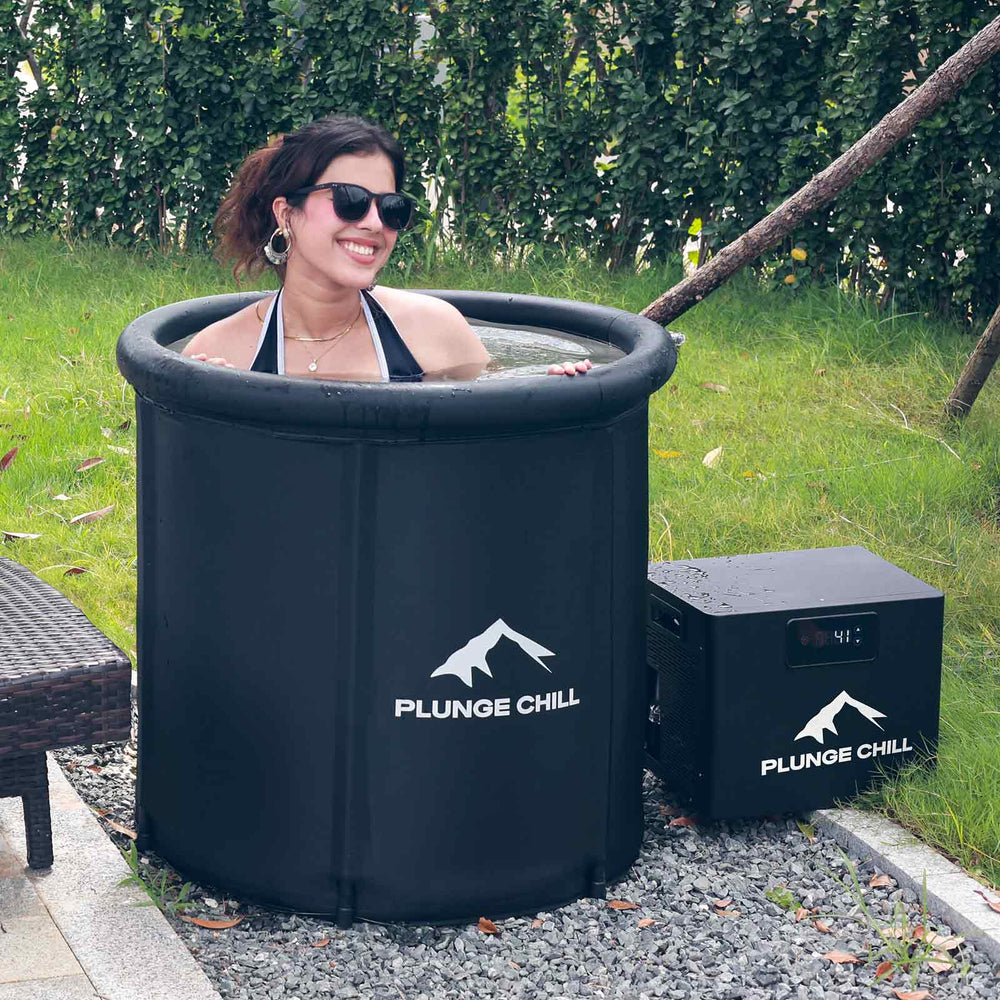
Cold exposure can be a powerful tool in a recovery and resilience program when it respects physiology, context, and safety. As a sports rehabilitation specialist and strength coach who uses cold plunges with athletes and has hands‑on experience testing consumer plunge units, my goal here is to translate the research and field practice into clear, beginner‑friendly dosing guidance. I will focus on safe starting times, temperatures, and progressions, then outline how to fit plunges around training, what risks to screen for, and what to look for when buying your first tub. I cite reputable clinical guidance from sources such as Cleveland Clinic, Mayo Clinic Health System, and Ohio State Wexner Medical Center, while noting where experts disagree and why.
This article is educational and not a substitute for medical care. If you have heart, vascular, neurologic, or metabolic conditions, get clinician clearance before you start.
What Counts as a “Cold Plunge” and Why Time Matters
A cold plunge is intentional, brief immersion in cold water. In practical terms, beginners often work in the 50–59°F range and advanced users sometimes venture toward 39–49°F. Plunge dosing matters because cold stress scales with temperature, exposure time, body surface area under water, and water movement. The physiological picture is straightforward: immersion causes rapid skin and peripheral vasoconstriction, spikes in heart rate and blood pressure, and a reflex to gasp and breathe faster. As the exposure continues, norepinephrine rises, shivering and non‑shivering thermogenesis kick in, and perceived mental clarity may increase as arousal systems activate.
Showers can help acclimate, but immersion is more potent because water conducts heat away far faster than air. That’s why a one‑minute plunge can feel very different from a one‑minute cool shower. It is also why small changes in temperature and time make large differences in intensity for beginners.
Two practical add‑ons are easy to overlook. First, circulating water removes the warm boundary layer that forms around skin, making the same thermometer reading feel significantly colder; time should be shortened in highly circulated tubs compared with still water (PunkMed; reasoning based on convective heat loss). Second, immersing hands and feet, which have dense arteriovenous shunts, markedly increases the cooling load; beginners who keep hands out initially often tolerate a slightly longer, safer first exposure (PunkMed; confidence based on thermoregulation principles).
Evidence Snapshot: What Reputable Sources Recommend
Medical centers agree on the fundamentals but differ on the outer bounds. Cleveland Clinic commonly frames a beginner range near 50–59°F and emphasizes brief exposures around 1–3 minutes with conservative caps near 5 minutes for novices, advising against going below about 40°F. Ohio State Wexner Medical Center has published guidance that sometimes cites 10–20 minutes at 50–59°F for recovery in acclimated users, which is too aggressive for beginners in my clinical practice. Mayo Clinic Health System encourages starting with 30–60 seconds and building toward 5–10 minutes while warning that daily post‑strength plunges can blunt hypertrophy.
When sources disagree, causes usually include different temperatures, participant training status, goals measured (short‑term soreness relief versus long‑term strength), methodology, and whether water is circulated. For beginners, a conservative, temperature‑aware approach is the safest way to benefit while you learn your own response.
Your First Month: A Practical, Conservative On‑Ramp
Start by choosing a temperature you can stay calm in while breathing slowly through your nose. For most first sessions, that is roughly 55–60°F. If you are anxious or very new to cold, inch closer to 60–65°F and reduce time. Enter with control, stabilize your breath, and keep your head above water. For the first few outings, stop well before shivering or numbness appears.
Across the first two to four weeks, plan sessions of 30–60 seconds initially, then step toward 1–2 minutes as calm control improves. Many beginners find a comfortable long‑term “working set” of 2–3 minutes at 50–59°F, performed two to four times per week. If you progress to colder water near 45–49°F, shorten your time. Add time or reduce temperature, but not both at once.
Between sets, rewarm gradually with a towel, layers, light movement, or a temperate room. If you have access to a sauna, gentle heat after the plunge is reasonable; some coaches prefer to avoid an immediate hot shower to reduce abrupt vascular swings (Iceology). For those with lung or heart disease, be cautious with sauna exposure, as dry heat can exacerbate symptoms (American Lung Association).
Quick‑Reference Starting Points
The table below organizes conservative starting guidance by experience and temperature. The times reflect a calm, controlled breath and no shivering. If your water is noticeably circulated, choose the shorter end of each range.
Experience Level |
Water Temperature |
First Sessions: Single‑Bout Time |
Progression Target |
Weekly Frequency |
New to cold exposure |
60–65°F |
30–60 seconds |
1–2 minutes |
2–3 sessions |
Beginner |
55–60°F |
45–90 seconds |
2–3 minutes |
2–4 sessions |
Beginner, colder setup |
50–54°F |
30–60 seconds |
1–2 minutes |
2–3 sessions |
Intermediate |
50–59°F |
1–2 minutes |
3–5 minutes |
3–4 sessions |
Advanced only |
45–49°F |
30–90 seconds |
2–3 minutes |
2–4 sessions |
Advanced, high risk |
40–44°F |
30–60 seconds |
1–2 minutes |
1–3 sessions |
Some coaches promote a weekly total near 11 minutes, distributed across days.
How Cold Plunges Fit Around Training
For soreness relief after endurance or mixed sessions, cold immersion can reduce perceived muscle damage and next‑day soreness, likely via vasoconstriction and reduced inflammation (Mayo Clinic Health System; Cleveland Clinic). For strength and size gains, cold immediately after lifting may blunt the cellular signals that drive hypertrophy, so it is prudent to wait at least a day when muscle growth is your priority (Mayo Clinic Health System; Ohio State Wexner Medical Center).
Use the table below to time sessions relative to training.
Primary Goal |
Recommended Timing |
Practical Tip |
Reduce soreness after endurance or mixed training |
Within a few hours of the session |
Keep it brief and crisp in the 2–3 minute zone at 50–59°F. |
Preserve strength and hypertrophy signals |
At least 24–48 hours after heavy lifting |
If you must use cold on the same day, keep it very short and slightly warmer. |
Mood and stress regulation |
Mornings on non‑lifting days |
Short exposures can sharpen focus without interfering with adaptation. |
Weight management support |
Spread across the week |
Treat metabolic claims skeptically; pair with diet, sleep, and training. Rutgers notes cold burns far fewer calories than many expect. |

Safety First: Screen, Supervise, and Exit Early
Cold water stresses the cardiovascular and respiratory systems, which is part of why it “works” and part of why it can be risky. Do not plunge alone. Have a clear entry and exit, move deliberately, and keep a towel and warm layers within arm’s reach. Exit immediately if your breathing will not stabilize after the first few breaths, if you feel lightheaded or confused, if numbness creeps in, or if shivering becomes vigorous. Avoid alcohol before and after. Hydrate normally.
People with heart disease, uncontrolled high blood pressure, peripheral neuropathy, poor circulation, Raynaud’s phenomenon, cold agglutinin disease, or diabetes require medical clearance before trying cold immersion (Cleveland Clinic; WebMD). The American Lung Association notes that both sauna and cold can be problematic for some lung conditions; avoid plunges when acutely ill and be cautious with contrast therapy if you have cardiopulmonary disease.
A conservative lower bound for beginners is to stay at or above 50°F, with shorter times if you choose the 45–49°F range. Several hospital systems caution against going below about 40°F outside supervised, advanced contexts. When in doubt, warm up the water, shorten the exposure, or skip the session.
Breathing, Mindset, and Sensory Control
Your breath is your anchor. Before entering, cue two or three slow nasal breaths with a long exhale. Once submerged to chest depth, keep your gaze steady and your exhale slightly longer than your inhale. Many first‑timers benefit from a simple mantra to reduce panic. This not only improves the experience but also keeps the cold shock response from escalating. Facilities that promote a supportive, non‑competitive atmosphere and provide safe entry/exit points, handrails, and clean, filtered water make it easier to succeed from the start (Cedar & Stone).
An often‑missed intensity lever is hand position. Cold hands can make the session feel dramatically harsher. Leaving hands out for the first half of your exposure, then dipping them briefly near the end, is a practical way to dose the stress curve while you adapt.
Buying Your First Cold Plunge: What Matters and Why
The right tub is a safety tool as much as a convenience. In testing consumer plunge units side‑by‑side, the features below reliably separate beginner‑friendly systems from those that create problems.
Feature |
Why It Matters |
What to Look For |
Over‑cold spikes drive unsafe exposures; warmer drift reduces effectiveness |
Digital control within about ±2°F and a reliable chiller |
|
High circulation increases cooling intensity |
Variable pump speeds or diffusers so you can moderate convection |
|
Entry/exit ergonomics |
Cold impairs coordination; slips are common |
Steps or bench, grippy surfaces, and a sturdy handhold |
Cold does not sterilize; cloudy water is a red flag |
20–50 micron filter cartridges, UV or ozone, and clear maintenance intervals |
|
Saves energy and stabilizes temperature in garages or patios |
Thick insulated walls and a tight‑sealing lid |
|
Footprint and drainage |
Easy draining prevents stagnation and biofilm |
Bottom drain with hose hookup and an accessible filter housing |
If you are setting up a budget tank, you can still be safe. Add a pool thermometer, change water frequently, skim daily, and sanitize with chlorine or bromine within safe limits while following manufacturer instructions. Replace or rinse filters per schedule, and do not plunge if the water looks murky or smells off.

Care, Cleaning, and Daily Routine
Treat your plunge like a small pool. A clear, simple routine avoids most problems. Keep debris out with a lid. Rinse feet before entry. Test water chemistry on a fixed schedule. Check that the pump and chiller are working before you begin. After sessions, dry the skin thoroughly and dress core first—shirt, sweater, jacket—before you focus on extremities. A warm drink after rewarming can be pleasant; just avoid alcohol. If you share the tub, be extra conservative with sanitation and filter changes.
Pros and Cons for Beginners
Cold plunging can reduce soreness after runs or mixed sessions, help you feel mentally sharper for a few hours, and support a sense of resilience. It can be especially helpful during hot‑weather training when a quick core‑temperature drop is welcome. On the downside, plunges can blunt the long‑term muscle‑building signals after lifting, trigger uncomfortable cardiovascular spikes, and, if overdosed, leave you fatigued for the rest of the day. Some dopamine claims in media are striking; reports of very large neurotransmitter spikes are based on specific protocols and may not generalize to short, beginner‑level plunges.
Harvard Health’s summary of recent analyses underscores that methods are heterogeneous and effects mixed across outcomes; consistent, moderate practice appears safer than chasing extreme exposures. Rutgers researchers also stress that cold‑induced calorie burn is modest in absolute terms; weight management should be anchored in nutrition, sleep, and training, with cold exposure used as a complementary tool rather than a cornerstone.
Small but Important Details That Change the Dose
Beyond temperature and time, three details often change a beginner’s experience more than expected. First, water movement turns “moderate” into “hard” at the same temperature; reduce time when your tub is vigorously circulating. Second, hand and foot immersion ramps the perceived intensity and accelerates cooling; manipulate extremity exposure to tune difficulty as you learn. Third, chest‑level versus neck‑level immersion are not equivalent. Studies summarized by Harvard Health often use chest‑level water, while many at‑home plungers go to the collarbone or neck, increasing surface area and the stress response. These differences help explain why one person’s “easy three minutes” is another’s “overwhelming thirty seconds.”

Frequently Asked Questions
Q: What is a safe starting time and temperature if I have never plunged before? A: Most true beginners do well at about 55–60°F for 30–60 seconds while focusing on calm nasal breathing. If that feels surprisingly manageable, extend to about 90 seconds. If it feels overwhelming, warm to near 60–65°F and try again with a shorter time. Clinical guidance from Cleveland Clinic and Mayo Clinic Health System converges on this conservative approach.
Q: How often should I plunge in the first month? A: Two to three sessions per week is a sustainable starting cadence. If recovery and mood are your goals and you tolerate it well, you can add a day. If you find fatigue creeping in or you are in a heavy strength block, pull back. A widely cited weekly total near 11 minutes is sometimes used as a planning anchor, although the supporting evidence base is not robust.
Q: Should I plunge right after lifting? A: Not if your priority is muscle size or strength. Cold immediately post‑lift can dampen the signaling that drives hypertrophy. Many lifters either skip cold on heavy days or wait until the next day. For endurance or mixed conditioning days, a short plunge can reduce soreness without the same adaptation cost, according to Mayo Clinic Health System and Ohio State guidance.
Q: How cold is too cold for a beginner? A: Below about 50°F, exposures become very intense for novices, and several medical sources advise staying above about 40°F altogether unless you are experienced and supervised. If you are tempted to try the mid‑40s, shorten exposures dramatically and stop at the first sign of uncontrolled breathing or numbness.
Q: Will cold plunges help me lose weight? A: Cold exposure increases energy expenditure acutely, but Rutgers notes the absolute calorie burn is modest and not a reliable weight‑loss tool by itself. Treat cold as an adjunct to a good diet, sleep, and training plan, not a replacement.
Q: Is sauna plus cold plunge safe? A: Many people enjoy contrast therapy, but the American Lung Association cautions that sauna can exacerbate symptoms in those with lung disease, and heat‑to‑cold swings create short‑term cardiovascular strain. If you have cardiopulmonary conditions, consult your clinician first and keep sessions shorter and gentler.
Takeaway
Beginners do best by going warmer and shorter than social media suggests. Start near 55–60°F for 30–60 seconds and build toward 2–3 minutes at 50–59°F over a few weeks, adding days only as your calm control improves. Place cold away from your heaviest lifting sessions if strength and size matter, and keep your post‑plunge rewarm gradual. Choose tubs with accurate temperature control, good filtration, and safe entry/exit features, and shorten your time when water is vigorously circulated. The research base is mixed in places, but the through‑line is clear: modest, consistent exposures that you can breathe through beat extreme plunges you have to endure. Start conservatively, listen to your body, and you will discover a dose that supports, rather than derails, your training.
References
- https://www.health.harvard.edu/staying-healthy/research-highlights-health-benefits-from-cold-water-immersions
- https://www.rutgers.edu/news/what-are-benefits-cold-plunge-trend
- https://sncs-prod-external.mayo.edu/hometown-health/speaking-of-health/cold-plunge-after-workouts
- https://health.osu.edu/wellness/exercise-and-nutrition/do-ice-baths-help-workout-recovery
- https://healthcare.utah.edu/healthfeed/2023/03/cold-plunging-and-impact-your-health
- https://health.clevelandclinic.org/what-to-know-about-cold-plunges
- https://www.lung.org/blog/sauna-cold-plunges-health-impacts
- https://www.mayoclinichealthsystem.org/hometown-health/speaking-of-health/cold-plunge-after-workouts
- https://www.alteredstateswellness.com/blog/cold-plunge-therapy
- https://cedarandstonesauna.com/7-things-to-know-before-you-cold-plunge/