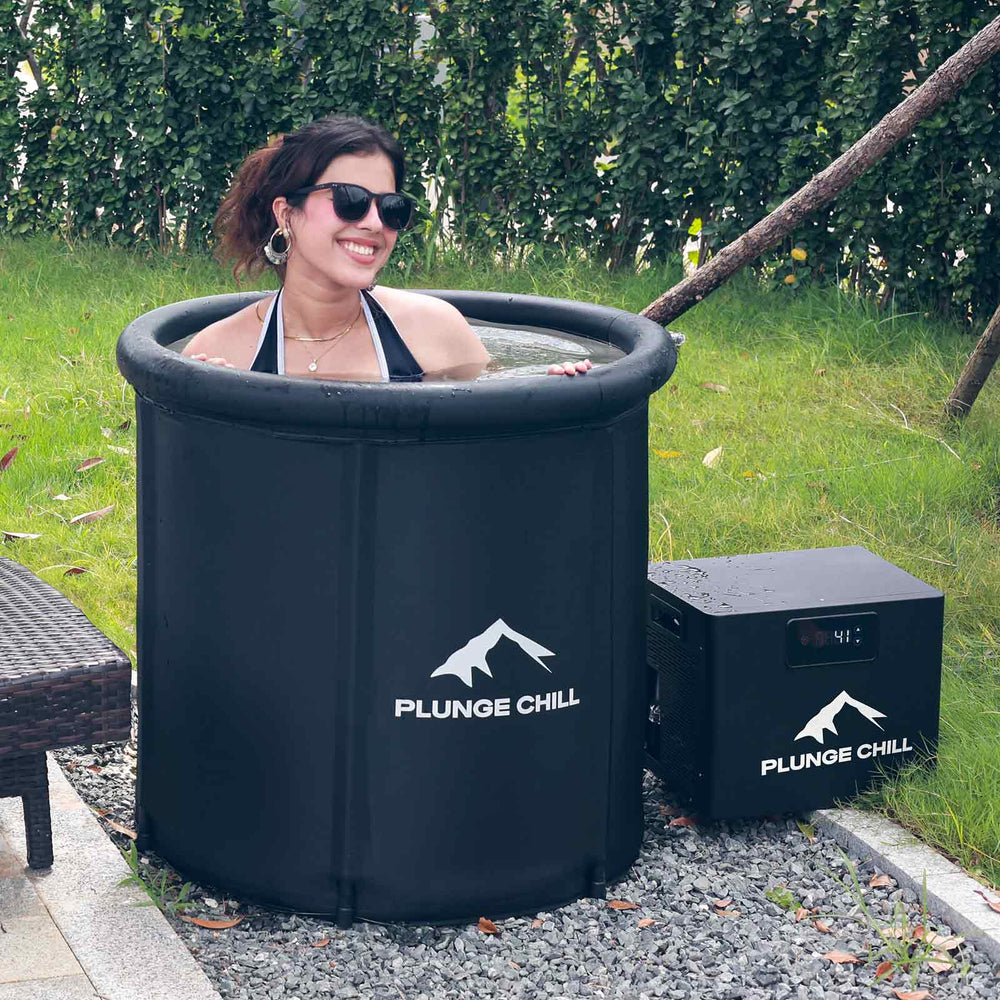
As a sports rehabilitation specialist and strength coach who also tests cold plunge products for home and facility use, I’m often asked a deceptively simple question: can cold plunges help you lose weight? The short answer is that deliberate cold exposure can meaningfully change what fuels you burn and how much energy you expend for brief windows, but body‑weight outcomes depend on the rest of your routine—particularly appetite, diet quality, and training. This article unpacks the physiology, clarifies what the evidence actually shows, and closes with pragmatic protocols, safety guidance, and buying tips for getting the most from a cold tub.
What Cold Exposure Really Does to Metabolism
Cold challenges the body’s thermal balance. In response, you produce heat in two main ways. Shivering uses small, rapid muscle contractions that burn calories quickly. Non‑shivering thermogenesis relies on brown adipose tissue, or BAT, a mitochondria‑rich tissue concentrated around the neck and upper torso that uncouples respiration to convert chemical energy into heat. White adipose tissue, or WAT, primarily stores energy; under some conditions it can take on BAT‑like features, a process often termed “beiging.” These adaptations are mediated by the sympathetic nervous system, catecholamines such as norepinephrine, and a suite of metabolic signals.
A 2025 meta‑analysis of randomized trials found that mild acute cold exposure increased daily energy expenditure by roughly 188 kcal when people were exposed for hours at cool but tolerable temperatures, with measurable increases in BAT volume and activity during those sessions (PubMed Central). That is a real, quantifiable uptick—about the caloric equivalent of a brisk one‑mile walk—but it occurs during and shortly after exposure. Cleveland Clinic and Mayo Clinic both emphasize that the strongest day‑to‑day benefit remains recovery and symptom relief, while any fat‑loss effect hinges on the broader plan.
An equally important nuance is what happens over weeks and months. A narrative review of intermittent cold exposure across animal and human studies concluded that BAT activation and beiging are consistent physiological findings, yet body‑weight and fat‑mass outcomes are mixed and often small (PubMed Central). Some protocols improved waist circumference in men without changing BMI. Several animal studies also documented increased food intake during or after cold bouts, which blunted the energy deficit created by thermogenesis. That compensation is one reason cold exposure should be treated as an adjunct to, not a substitute for, nutrition and training.

How BAT Actually Fuels Thermogenesis
BAT’s reputation as a fat burner is deserved, but the fuel story is broader than “cold burns fat.” Systems‑level work shows that cold exposure drives cross‑tissue metabolic rewiring in which BAT becomes notably glucose‑dependent while also using fatty acids (Science Advances). The liver ramps carbohydrate output to maintain normal blood sugar while BAT increases glucose uptake and oxidation. White adipose tissue simultaneously enhances lipolysis, and skeletal muscle shifts to spare glucose during cold so BAT can use it for heat. Practically, this means cold exposure can improve glucose handling acutely and may contribute to better glycemic control alongside diet and exercise in some contexts.
One overlooked implication is that glucose availability can limit thermogenic output. If glucose supply is constrained or BAT’s ability to use glucose is impaired, heat production is blunted (Science Advances). For people with insulin resistance, this is one more reason to integrate cold as part of a comprehensive plan that includes sufficient protein, fiber‑rich carbohydrates, and progressive resistance training, rather than using cold in isolation.
What Happens to Muscle and Lipids Under Cold
Cold exposure lowers circulating triglycerides and cholesterol in animal models and promotes beiging of white fat depots. Yet skeletal muscle lipid handling can shift in the other direction: short‑term cold increased intramuscular triglyceride storage and remodeled muscle lipids in mice via HIF‑1α–induced mitophagy, with broad changes in fatty‑acid profiles and transcripts tied to lipid metabolism (BMC Biology). From a field perspective, I see athletes who tolerate cold plunges well still benefit from programming hills, sleds, or tempo intervals to maintain robust muscle insulin sensitivity while using cold judiciously for soreness. Translational work is still needed to confirm whether the muscle lipid remodeling seen in animals is beneficial, neutral, or problematic in humans over longer timeframes.
Hormones, Insulin, and Appetite: Why Weight Loss Is Not Guaranteed
Cold exposure acutely ramps norepinephrine and other stress mediators, and several health-system summaries report large transient rises in catecholamines and dopamine during and after cold sessions; these neurochemical shifts can support alertness, mood, and pain modulation while increasing energy expenditure (UF Health Jacksonville; PBS). Controlled trials and reviews in humans show that cold can improve insulin sensitivity and glucose disposal during exposure, though results vary by protocol and population, and long‑term weight loss is inconsistent (PubMed Central; Healthline; Harvard Health).
Two practical blockers explain the gap between “increased energy expenditure” and “lost body fat.” First, compensation is common. Metabolic rate increases during cold, but appetite often rises to match. The intermittent cold exposure review repeatedly notes compensatory eating in animal models within hours of cold, which cancels the deficit. Second, protocol differences drive different outcomes. Evidence in healthy adults often involves cool‑room or cooling‑suit exposures at mild intensities above the shiver threshold, not brief breath‑holding dunks in near‑freezing water. When you compare apples to apples—non‑shivering, tolerable cold for one to several hours—energy expenditure increases reliably, but unless calorie intake is managed across the day, scale weight may not move.

What the Evidence Says About Stress, Sleep, and Safety
Cold‑water immersion has a respectable role in recovery. Harvard Health summarizes a 2025 analysis indicating improvements in perceived stress within about 12 hours of immersion and better sleep reports in men after ice baths, with mixed findings for mood and immunity across protocols. Cleveland Clinic echoes long‑standing sports‑medicine guidance that brief cold immersions can reduce post‑exercise swelling and soreness and help core cooling after exertional heat stress. The same sources emphasize risks that matter when you scale up a routine at home: the cold shock response, hyperventilation, blood pressure spikes, arrhythmias in susceptible individuals, numbness that impairs safe egress, and hypothermia with prolonged exposure. In my clinic, all first‑timers are screened for cardiovascular risks, Raynaud’s phenomenon, neuropathy, and cold urticaria, and we standardize entry, timing, and rewarming before talking about “dose.”

Practical Protocols That Favor Safety and Fat Loss
The most consistent advice across clinical and sports guidance is to start warmer and shorter, then progress. Beginners commonly use water in the 50–59°F range for very brief sessions and build toward a working spot where the water feels uncomfortably cold yet safe for a few minutes. Many athletes I work with do best with two to four short sessions per week that sum to roughly 11 minutes weekly, which matches widely cited practice guidance from a neuroscience perspective (Huberman Lab; UF Health Jacksonville). Cleveland Clinic’s typical sessions run about 3 minutes with a hard ceiling at 5 minutes, and it is sensible to avoid temperatures below roughly 40°F at home.
Cold after heavy lifting may slightly blunt the cellular signals that drive strength and hypertrophy. If building muscle is a top goal, separate plunges from lifting by six hours or more, or place cold on rest or conditioning days (Mayo Clinic; Kaiser Permanente). For endurance athletes who prioritize next‑day power and soreness reduction, short post‑session cold dips are often helpful.
Some evidence hints that time of day could matter for how much heat you produce during cold exposure. A small human crossover study presented at a scientific meeting reported more brown fat thermogenesis with morning cold exposure in men, whereas effects were not clear in women (Medical News Today). Suggested verification: replicate with direct thermogenic imaging such as PET‑based heat production measurements and include diverse age and body‑composition groups.
A separate subtlety is fuel use. Because mild cold above the shiver threshold pushes BAT to draw heavily on glucose while skeletal muscle spares it, combining cold with a diet that stabilizes blood sugar, emphasizes protein, and uses fiber‑rich carbs can improve how cold feels and how you perform later in the day. Practically, that looks like hitting a protein target, lifting consistently, and keeping post‑plunge meals balanced rather than leaning on ultra‑palatable, high‑sugar foods that are easy to overeat after a cold‑induced appetite bump.
A Quick Programming Shortcut
For general weight management, consider finishing a workout with a short cold session of one to three minutes in the mid‑50s°F two or three times per week, or place a two‑to‑four‑minute cold dip on rest days. Keep total weekly cold time near 11 minutes. If you are chasing maximal hypertrophy, keep cold far from lifting or minimize post‑lift cold to brief, warmer exposures. If sleep worsens with evening cold, move sessions earlier in the day.
Choosing and Caring for a Cold Plunge at Home
Cold plunges span simple stock tanks on ice to thermostatically controlled, filtered systems. Picking the right unit is less about maximal cold than about consistency, safety, and maintenance. In my facility work, three factors drive satisfaction: temperature stability, water quality, and reliability.
Cooling capacity and control are non‑negotiable. A compressor‑driven chiller sized to your tub volume holds temperatures precisely, especially if multiple users will cycle in succession. If you train indoors, prioritize noise ratings and ventilation needs. For outdoor setups, check for freeze protection and weather‑resistant housings. Safety features matter: ground‑fault protection, an accessible power shutoff, a reinforced lid that keeps curious kids and pets out, and grippy steps and handles.
Filtration and sanitation determine whether the plunge remains inviting after week one. A circulating pump with a replaceable filter element keeps particulates down. Many consumer units add UV‑C and ozone to reduce chemical load; if you’re sensitive to ozone, seek systems with adjustable output. If you prefer traditional water chemistry, be prepared to test and balance with chlorine or bromine and to change filters on a set cadence. A foot rinse and a quick rinse‑off before plunging extend water life.
Form factor depends on space and goals. Hard‑shell tubs are durable and stable at lower temperatures. Drop‑in chiller kits paired with insulated inflatable tubs lower cost and improve portability. Chest‑freezer conversions are common on social media, but they introduce electrical and sanitation risks and typically lack circulation, filtration, and fail‑safe shutoffs; I do not recommend them for home or clinic use.
Durability and support also matter. Look for clear maintenance routines, drain and clean‑out access, and parts availability. Power draw can be significant, particularly for rapid cooling, so plan a dedicated circuit. Keep in mind that a tub used daily will demand a filter‑change rhythm and a cleaning schedule you will actually follow—simplicity pays off.
Feature Priorities at a Glance
|
Feature |
Why It Matters |
What to Look For |
|
Temperature stability |
Consistent stimulus, less risky overshoot |
Adequate chiller capacity for tub size; precise controller |
|
Water quality |
Comfort, hygiene, fewer skin issues |
Circulation, replaceable filters, UV‑C or ozone options |
|
Safety |
Risk reduction for shock, slips, access |
GFCI, nonslip steps, locking lid, sturdy handholds |
|
Maintenance |
Lower total cost of ownership |
Easy drain, accessible filters, clear care schedule |
|
Noise and placement |
Indoor feasibility and comfort |
Chiller decibel rating, ventilation requirements |
|
Warranty and service |
Fewer headaches |
Readable warranty, parts availability, responsive support |

Pros, Cons, and Side Effects in the Real World
Cold plunges can reduce perceived soreness, improve next‑day readiness, boost alertness, and measurably increase energy expenditure during exposure. They also offer a behavioral advantage I see in many clients: stepping into the cold is a controlled stressor that trains composure and can anchor consistent training and nutrition habits. On the downside, cold brings risks that rise with temperature drop and time. Hypothermia is not theoretical, and cardiovascular stress is real. Individuals with heart disease, uncontrolled hypertension, arrhythmias, peripheral artery disease, Raynaud’s, neuropathy, or cold urticaria should seek medical clearance first and may be better served with alternatives. Cold immediately after heavy lifting can modestly dampen strength and hypertrophy signaling. Finally, many protocols that show energy‑expenditure benefits are time‑consuming, while short plunges provide smaller caloric bumps; as a fat‑loss tool, cold works best as a complement to a calorie‑appropriate diet and structured training.

A Few Subtle Points Worth Weighing
Cold‑induced thermogenesis increases energy use, yet energy intake often rises after cold exposure. The intermittent cold exposure review highlights this compensation clearly in animal work. If fat loss is the goal, pre‑plan meals and log intake to ensure the weekly energy balance still favors a deficit (PubMed Central). Another nuance is substrate choice during cold. BAT’s reliance on glucose means cold can acutely improve glucose uptake, but the flip side is that poor glycemic control may reduce the heat you can produce without discomfort. Lastly, cold remodels skeletal muscle lipids in animal models via HIF‑1α–linked mitophagy, while lowering circulating lipids; what that means for long‑term performance or insulin sensitivity in humans is not settled (BMC Biology). Suggested verification: longitudinal human studies pairing standardized cold dosing with muscle lipidomics and euglycemic clamp measures.

Takeaway
Cold plunges can be a smart, evidence‑informed addition to a weight‑management plan by briefly increasing energy expenditure, activating thermogenic tissues, and supporting recovery and training consistency. The strongest results appear when cold is used as a tool within a broader program that prioritizes protein, calorie control, progressive strength and aerobic work, and adequate sleep. Safety and dosing matter more than bravado. Pick a temperature you can sustain safely for a few minutes, build to roughly 11 minutes per week in total, separate cold from heavy lifting if hypertrophy is a priority, and keep an eye on hunger so the calories you burn in the tub aren’t quietly replaced in the kitchen.
FAQ
Q: How cold should the water be if my goal is weight loss support rather than extreme resilience training? A: Most beginners tolerate the mid‑50s°F, which is cold enough to activate thermogenesis without making sessions dangerously short. Cleveland Clinic and Mayo Clinic suggest ranges near 50–59°F for novices and caution against pushing much below about 40°F at home. As tolerance builds, prioritize consistency over extremes.
Q: Is there a best time of day for a cold plunge if I want metabolic benefits? A: The practical priority is consistency and safety. An early‑day cold dip can sharpen alertness and avoid sleep disruption. One small human study suggested morning cold may enhance thermogenesis in men relative to evening, with unclear effects in women. Suggested verification: controlled trials using direct heat‑production imaging across sexes and ages (Medical News Today).
Q: Can cold plunges replace cardio or strength training for fat loss? A: No. Meta‑analyses show acute increases in energy expenditure and BAT activity during cold exposure, but body‑weight changes are inconsistent and often small. Training remains the primary driver of energy use and body composition change. Cold works best as a complement that helps you train consistently and recover well.
Q: Will cold plunges hurt my muscle gains? A: Brief post‑exercise cold can reduce soreness and restore readiness, but if you are actively chasing strength and hypertrophy, cold immediately after lifting may slightly blunt anabolic signaling. Separate cold from heavy lifting by six hours or more, or move cold to rest days.
Q: Who should avoid cold plunges or get medical clearance first? A: Anyone with heart disease, uncontrolled high blood pressure, arrhythmias, peripheral artery disease, Raynaud’s, neuropathy, cold urticaria, or poorly controlled diabetes should consult a clinician before trying cold immersion. If you feel dizzy, excessively short of breath, or numb, exit immediately and rewarm.
Q: Do I need a dedicated cold‑plunge tub, or will cold showers work? A: Cold showers provide a useful, accessible starting point and can build tolerance. For precise dosing and repeatable sessions, especially in multi‑user settings, a thermostatically controlled, filtered tub is more effective and practical. If you purchase a unit, favor robust cooling and filtration, safety features, and maintenance simplicity over maximal cold.
Evidence Snapshot Table
|
Topic |
Key Finding |
Evidence Source |
|
Acute energy expenditure |
Mild cold for hours increased daily energy use by about 188 kcal and boosted BAT activity during exposure |
PubMed Central meta‑analysis (humans) |
|
Long‑term body weight |
BAT activation and beiging consistent; weight and fat‑mass changes inconsistent; intake compensation common |
PubMed Central narrative review |
|
Glucose and fuels |
BAT thermogenesis draws heavily on glucose; cross‑organ rewiring supports cold heat production |
Science Advances |
|
Muscle and lipids |
Cold lowered circulating lipids but increased intramuscular triglycerides in mice via HIF‑1α–linked mitophagy |
BMC Biology |
|
Recovery and safety |
Reduced soreness and stress perception; safety concerns include arrhythmias, BP spikes, hypothermia |
Cleveland Clinic; Harvard Health; Mayo Clinic |
In practice, the physiology is persuasive, the acute effects are measurable, and the long‑term outcomes depend on how you integrate the tool. Used wisely, a cold plunge can help you feel and perform better while nudging energy balance in your favor. Used carelessly, it is a stressor that may add risk without results. As with any training modality, clarity of purpose and disciplined execution make all the difference.
References
- https://clinicaltrials.gov/study/NCT01730105
- https://www.health.harvard.edu/heart-health/cold-plunges-healthy-or-harmful-for-your-heart
- https://sncs-prod-external.mayo.edu/hometown-health/speaking-of-health/cold-plunge-after-workouts
- https://pmc.ncbi.nlm.nih.gov/articles/PMC10778965/
- https://www.ucsf.edu/news/2014/06/114951/fat-burning-triggered-cold-weather-may-suggest-new-weight-loss-strategy
- https://health.clevelandclinic.org/what-to-know-about-cold-plunges
- https://sbpdiscovery.org/does-cold-weather-promote-weight-loss/
- https://mydoctor.kaiserpermanente.org/mas/news/health-benefits-of-cold-water-plunging-2781939
- https://www.mayoclinichealthsystem.org/hometown-health/speaking-of-health/cold-plunge-after-workouts
- https://www.pbs.org/newshour/health/ice-baths-are-hot-on-social-media-heres-how-they-affect-your-body
Disclaimer
By reading this article, you acknowledge that you are responsible for your own health and safety.
The views and opinions expressed herein are based on the author's professional expertise (DPT, CSCS) and cited sources, but are not a guarantee of outcome. If you have a pre-existing health condition, are pregnant, or have any concerns about using cold water therapy, consult with your physician before starting any new regimen.
Reliance on any information provided in this article is solely at your own risk.
Always seek the advice of a qualified healthcare provider with any questions you may have regarding a medical condition, lifestyle changes, or the use of cold water immersion. Never disregard professional medical advice or delay in seeking it because of something you have read in this article.
The information provided in this blog post, "Cold Plunge for Weight Loss: The Science Behind Cold Exposure and Fat Burning," is for informational and educational purposes only. It is not intended to be a substitute for professional medical advice, diagnosis, or treatment.
General Health Information & No Medical Advice