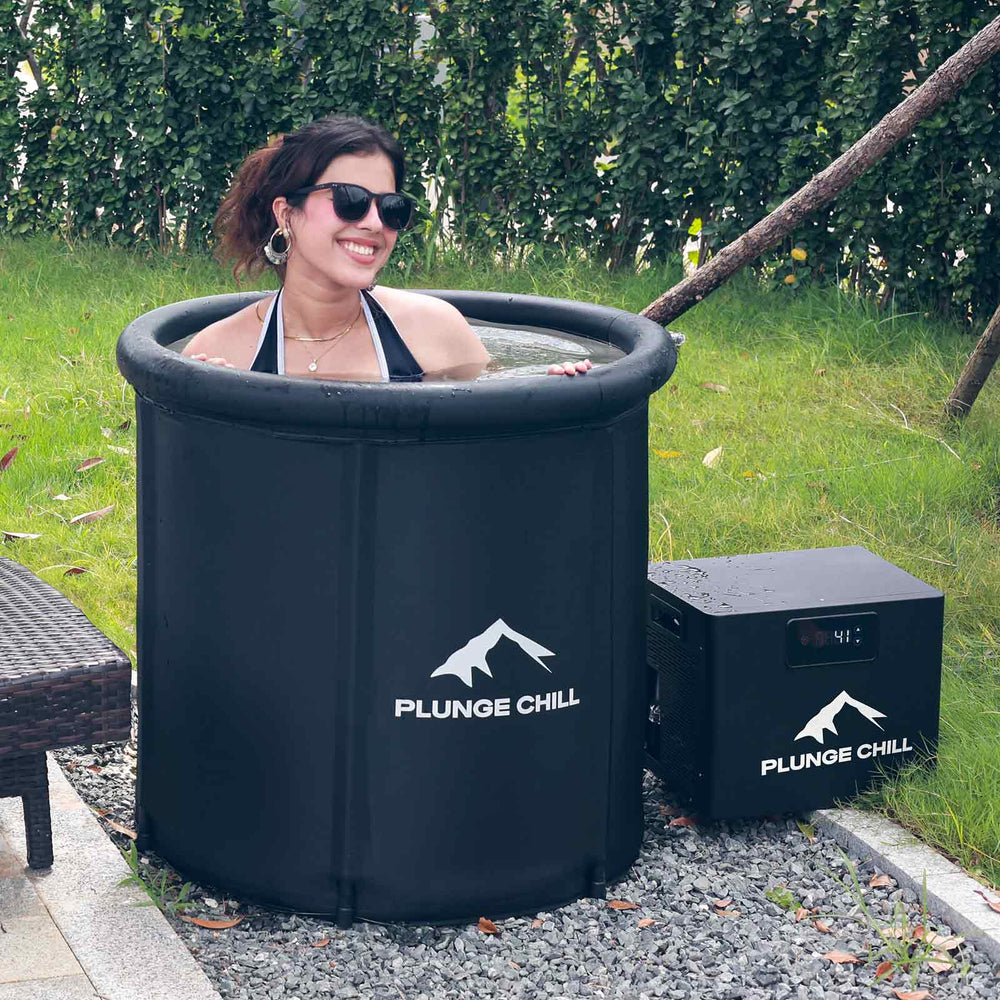
Cold water immersion has moved from fringe to fixture in CrossFit boxes, garages, and competition recovery areas. As a sports rehabilitation specialist and strength coach who programs recovery just as intentionally as thrusters and muscle-ups, I see cold plunges deliver clear value when they’re used for the right goal at the right time. The evidence is nuanced: cold plunging can reduce soreness and improve perceived recovery, and in dense training or tournament-style scenarios it can meaningfully help you show up for the next bout. Used indiscriminately—especially right after heavy lifting—it can also mute the very adaptations you train for. This article translates the research into practical decisions for CrossFit athletes and coaches, adds guardrails for safety, and offers product-selection guidance drawn from hands-on use and reputable sources.
What A Cold Plunge Is—and What It Is Not
A cold plunge is deliberate cold-water immersion, typically at 50–59°F, for about 5–15 minutes, applied post-workout or between efforts to help manage soreness and accelerate readiness. That temperature and time band appears repeatedly across reviews and practical guides from BarBend, Ohio State Health, Mayo Clinic Health System, and Science for Sport. Variations exist and context matters. Some protocols go shorter, as brief as 2–10 minutes for experienced users, or stretch longer on the warmer end of the range. Ice baths, chilled tubs, and lake immersions all count, but they are not interchangeable with dry-chamber cryotherapy, which creates different thermal dynamics and hydrostatic effects.
In CrossFit terms, think of cold immersion as a targeted tool for recovery bureaucracy: it constrains inflammation, calms neural drive, and accelerates “ready to go again” without pretending to be a cure-all. It is not a universal accelerator of adaptation and can be counterproductive when mis-timed relative to strength or hypertrophy goals.
The Physiology in Plain English
The acute effects are straightforward. Cold constricts blood vessels, slows nerve conduction, and decreases local metabolic activity; after you exit, rewarming drives a rebound in blood flow that helps distribute oxygen and clear byproducts. Hydrostatic pressure from immersion also matters more than most guides explain. Pressurized water shifts fluids centrally, which can raise cardiac output and facilitate waste transport with minimal energy cost. A PubMed Central review notes that head-out immersion can increase cardiac output substantially, scaling with immersion depth; Science for Sport describes how immersion pressure helps move fluid from interstitial spaces back into circulation. That combination—vasoconstriction, analgesia from slowed nerve signaling, and hydrostatic “assist”—explains why athletes often feel better quickly even when blood markers do not always move dramatically.
Hormonal and autonomic responses add to the picture. Short cold exposures can increase norepinephrine and, in small studies, support alertness and mood while nudging parasympathetic balance when practiced regularly. The psychological effect—a practiced ability to stay calm while your body protests—carries back into metcons and heavy sets. These effects are most robust for perceived recovery, soreness, and readiness, and less consistent for objective biomarkers across the literature.

What the Evidence Says for CrossFit and Multi‑Bout Competition
Multiple reviews agree on a core set of outcomes. BarBend and Science for Sport summarize consistent reductions in delayed-onset muscle soreness and improved perceived recovery in the first one to two days post-exercise. A recent meta-analysis on PubMed Central reports immediate decreases in soreness and perceived exertion, plus lower creatine kinase at about 24 hours, with less clear effects by 48 hours. Lactate may be lower at 24–48 hours compared with passive rest. Athletic performance benefits are context specific. BarBend cites better sprint recovery up to 24 hours in tournament simulations, aligning with the common-sense value of cold immersion between bouts in sports with tight turnarounds—think day-two events at a throwdown or back-to-back heats.
A 2025 network meta-analysis in Frontiers in Physiology highlights temperature and duration as dose variables and reinforces that 10–15 minutes in very cold water, roughly 41–50°F, has been widely studied, though adherence at the coldest temperatures can be challenging. Notably, several sources, including Mayo Clinic Press and Ohio State Health, caution that chronic, immediate post-lifting immersions can blunt strength and hypertrophy over time. That trade-off is essential for CrossFitters who split time between strength cycles and competition phases.
To keep the evidence practical for programming, the pattern is consistent: cold plunges can improve how you feel and how quickly you’re ready to repeat efforts, especially across one or two days. Long-term power and size gains appear sensitive to mistimed use.
When Cold Plunge Helps—and When It Hurts
If you’re facing multiple events in one day or back-to-back training days where staying sharp beats maximizing adaptation, a cold plunge fits. BarBend reports that even short daily plunges can help maintain performance across consecutive days of intense cycling; while that’s not CrossFit, the physiological stress and scheduling are comparable. Likewise, in tournament settings where turnarounds are short, cold immersion often improves perceived readiness and sometimes repeated-sprint performance within 24 hours.
Where it hurts is straightforward: placing a cold plunge immediately after heavy squats, pulls, or pressing can dampen anabolic signaling and the tissue remodeling that drives gains. Both Ohio State Health and Mayo Clinic Health System summarize evidence from the Journal of Physiology and Journal of Strength & Conditioning Research showing reduced long-term strength and hypertrophy with routine post-lifting cold immersion. If you’re in a strength block, schedule the cold at least 24–48 hours away from the heaviest sessions or reserve it for non-lifting days.
Practical Protocols for CrossFitters
The simplest way to dial your cold exposure is to reverse periodize it: during strength-focused weeks, use less cold and keep it away from the barbell; during competition or volume-heavy weeks, use more cold tactically to preserve performance.
A useful starting point for most athletes is water at 50–59°F for 5–10 minutes, two to three times per week, increasing duration gradually as tolerance improves. Newer athletes can begin warmer in that band and start with 2–3 minutes, then progress. Avoid dunking your head and neck early in your progression; keep your torso submerged and your breathing controlled. On exit, rewarm gradually by drying off, layering up, sipping a warm drink, and walking a few minutes. Do not go alone in the early sessions.
Specific sessions can be tuned to the stressor. After a high‑rep gymnastic metcon, a short plunge near 55–59°F for five minutes can take the edge off without overcooling. Between two competition efforts separated by a couple of hours, slightly colder in the 50–55°F range for 8–12 minutes may be helpful, if you tolerate it, with plenty of time to rewarm before the next event. If you must plunge in a strength block, consider waiting a day after heavy lifting before getting in, and choose the warmer end of the spectrum with a shorter dose.
Protocol chooser for common CrossFit scenarios
|
Goal/context |
When to plunge |
Water temp (°F) |
Duration |
Notes and evidence cues |
|
Back‑to‑back events (same day) |
Within 30–90 minutes post‑event |
50–55 |
8–12 min |
Supports readiness; sprint recovery benefits reported within 24 hours (BarBend). Ensure full rewarm before next bout. |
|
Tournament/weekend comp |
End of day or early next morning |
50–59 |
5–15 min |
Helps perceived recovery across days; keep doses short if used daily (BarBend, Mayo Clinic Health System). |
|
Endurance‑dominant training |
Immediately post‑session |
50–59 |
5–10 min |
Endurance adaptations less impacted by cold than strength (Mayo Clinic Health System). |
|
Strength/hypertrophy cycle |
24–48 hours after heavy lift day or skip |
55–59 |
2–8 min |
Immediate post‑lift immersion can blunt gains (Ohio State Health, Journal of Physiology). |
|
General mood/resilience |
Morning or rest day |
50–59 |
2–5 min |
Brief exposures improve alertness and perceived stress; weekly total around 10–15 minutes is common in practice (Youth Sport Nutrition; CrossFit coaching pieces). |
Safety, Risks, and Contraindications
Cold carries risk if used carelessly. Ohio State Health and Mayo Clinic Health System list hypothermia, nerve irritation, and cardiovascular strain as core concerns, with heightened risk in people with cardiovascular disease, uncontrolled hypertension, diabetes with neuropathy, or arrhythmia history. Early sessions should be supervised. Ice Barrel’s safety notes add simple but important steps: progress gradually, do not chase extremes, and rewarm naturally rather than shocking the system. In open water, avoid currents, measure water temperature, and plan rewarming before you get cold.
Care, Hygiene, and Aftercare
If you use a home tub or gym unit, clean water is part of safe training. Commercial tubs often combine filtration with UV or ozone to maintain water quality; Chilly GOAT Tubs highlights filtered plus UV water care and easy-clean acrylic surfaces that simplify maintenance in a garage or backyard. Practically, rinsing off before entry, keeping lotions and chalk out of the water, and skimming or filtering debris extend water life.
Post-plunge rewarming sparks debate. Some coaches recommend allowing gradual natural rewarming for 20–30 minutes before a warm shower to maximize the autonomic and vasomotor response; that is a common guideline in Ice Barrel education. Others, including a CrossFit gym article, suggest a warm shower immediately after to “uncrimp the hose.” The goals are different, and both approaches can be valid. If your priority is calm, autonomic balance, and cold tolerance training, allow a quiet rewarm before heat. If your priority is quickly feeling loose and warm before another session, gentle heat sooner is reasonable. One way to verify is to perform a two-week crossover self‑test, alternating post‑plunge rewarming strategies and tracking HRV, sleep, and perceived recovery scores.
Overlooked Nuances That Improve Personalization
Individual variability is larger than most program templates admit. BarBend points out person‑to‑person differences even among elite lifters, and placebo effects after HIIT matched cold water immersion in some measures over 48 hours. The hydrostatic pressure effect of immersion—rarely highlighted in simple infographics—likely explains part of the benefit for perceived recovery, especially when immersion depth reaches the hips or higher; Science for Sport and PubMed Central reviews expand on this. Finally, thermoregulation and body composition meaningfully shape comfort and cooling. The PubMed Central review describes how subcutaneous fat, surface area, and even circadian temperature swings alter responses. For coaches, that means the “same” protocol in two athletes may feel entirely different; calibrate by reported comfort, rewarm times, and next-day performance.
One more claim deserves caution. A CrossFit gym post reports increases in power and speed up to 20 percent when plunging 30 minutes to 24 hours after training. Because it appears in a facility blog rather than a controlled trial, treat it as a motivational anecdote unless reproduced in peer-reviewed settings. To verify, replicate a repeated-sprint protocol with and without a plunge in a simple A/B design and record time-trial deltas and HRV across 24 hours.

Product Guide: Choosing a Cold Plunge for Home or Gym
As a reviewer, I value reliability and water quality above clever marketing. For most CrossFitters, the practical choice is between a DIY tub with bags of ice and a chiller-equipped system that holds a precise temperature. Mayo Clinic Health System notes that dedicated plunge tanks with full options can reach premium price points; brands vary widely. When evaluating units in the real world, a few features repeatedly separate “set and forget” from “project.”
|
Feature |
Why it matters |
Evidence/examples |
What to look for |
|
Temperature control |
Stable 50–59°F is the sweet spot for most protocols; precise control lets you progress safely. |
Repeated across BarBend, Ohio State Health, and Science for Sport practice ranges. |
An integrated chiller able to reach about 50°F consistently in your climate, with an easy-to-read display. |
|
Clean water reduces skin irritation and maintenance time in shared gym settings. |
Chilly GOAT Tubs describes filtered plus UV water care for continuously clean water. |
Filtration with UV or ozone, accessible filters, and simple drain access for periodic changes. |
|
|
Materials and finish |
Durability and cleaning translate to more use and less downtime. |
Chilly GOAT Tubs highlights weather‑resistant cabinets and easy‑clean acrylic; several makers use stainless components. |
Weather‑resistant exterior, smooth interior surfaces, sturdy lid, and hoses that withstand regular rearrangement. |
|
Footprint and placement |
Where it lives dictates how often you use it. |
Practical observation in gyms and garages. |
A lid/cover, reasonable weight when full, and clearance for the chiller to ventilate. Outdoor placement benefits from a cover. |
|
Service and upkeep |
Parts support keeps the tub available during training blocks. |
Product pages and dealer networks vary; brand examples in notes include Chilly GOAT Tubs and Ice Barrel (barrel style). |
Clear maintenance guides, available parts, and responsive support. |
Two honest alternatives also deserve mention. First, a simple barrel or tub can be an effective start if you accept temperature variability and the task of hauling ice, which many CrossFitters do pragmatically for seasonal use. Second, a gym membership that includes a plunge can be cost‑effective, especially if your home climate makes chilling expensive during summer months.
Real‑World Programming: How I Use Cold Plunge With CrossFitters
In strength‑first blocks I place cold exposure on non‑lifting days, typically after cardio or skill sessions, and keep it on the warmer end near 55–59°F for 2–8 minutes. The goal is arousal and perceived recovery without tamping down muscle remodeling signals. During competition prep or open‑style in‑house events, I’ll add a short plunge after key metcons or after day one of a weekend competition. The target is to feel prepared and reduce soreness overnight rather than chase biochemical perfection. With high‑volume gymnastics, especially when elbows and shoulders are tender, a short plunge followed by methodical rewarming often restores confidence in ROM by the next morning.
New adopters progress in two‑week blocks, increasing duration before dropping temperature, and tracking a simple readiness checklist: sleep quality, resting HR, HRV (if they use a wearable), next‑day RPE for the first set, and DOMS ratings. When those indicators are stable or improved, we consider the dose appropriate.
Contrast Therapy and CrossFit
Heat plus cold is an old pairing that many athletes find restorative. Sauna exposure increases circulation and can help with relaxation and sleep; then a short cold immersion adds a sharper recovery stimulus. District L CrossFit describes contrast as amplifying benefits compared with either alone. In practice, contrast helps athletes who need both a physical and a mental downshift in the evening after training. The limitation is logistical and time based; it’s a bonus, not a necessity, and the same strength‑timing cautions apply if you’re chasing hypertrophy.
Pros, Cons, and How to Decide
The pros are compelling when you need to feel better fast. Decreased soreness, lower perceived fatigue, and a steadier mood in the next 24 hours are common outcomes across BarBend, Science for Sport, and Mayo Clinic sources. Between bouts, cold immersion can be the difference between tip‑toeing through a second event and attacking it. The cons are not abstract. Frequent post‑lift cold exposure can attenuate signals that grow muscle and strength; very cold and very long immersions add risk without clear upside; and people with cardiovascular or neuropathic conditions need medical clearance. Notably, active recovery and simple low‑intensity cooldowns produce solid benefits and sometimes equal or outperform cold for specific inflammation markers in the literature. Cold plunge is best viewed as a strategic option, not an identity.
FAQ
How cold should the water be and for how long?
Most evidence‑informed protocols cluster around 50–59°F for 5–15 minutes. New users should start at the warmer end and shorter durations, then progress gradually. In multi‑bout scenarios you can go slightly colder if you tolerate it, but prioritize rewarming fully before the next effort. This range is consistently referenced by BarBend, Ohio State Health, and Science for Sport.
Will a cold plunge right after heavy lifting kill my gains?
It won’t erase a session, but routine immediate post‑lift immersions can blunt the molecular signaling that drives muscle growth and long‑term strength. Both Ohio State Health and Mayo Clinic Health System summarize these trade‑offs based on controlled studies. If you’re in a strength cycle, wait 24–48 hours before cold immersion or schedule it on conditioning days.
Can cold plunges actually improve performance tomorrow?
Often, yes—especially for repeated sprints or events within about 24 hours. BarBend reports improved sprint recovery in tournament simulations. A small gym blog cites up to 20 percent boosts in power and speed within 24 hours; because it’s not a controlled study, treat that claim cautiously. A practical check is to log your own repeated‑sprint or EMOM power across two weeks with and without cold immersion, then compare.
Is daily cold plunging safe?
For healthy people, brief daily exposures at reasonable temperatures are generally safe when supervised early on. Risks include hypothermia and, in vulnerable populations, cardiovascular strain. Early sessions should be supervised, and people with cardiovascular risk or neuropathy should obtain clearance. Mayo Clinic Health System and Ohio State Health emphasize caution and gradual progression.
Should I contrast with a hot shower right after?
It depends on your goal. If you want a full autonomic “settle” and to practice calm under stress, rewarm naturally for 20–30 minutes before adding heat, as several coaching/safety guides recommend. If you’re trying to quickly reduce stiffness before a second effort, gentle heat sooner may help. Verify for yourself by tracking readiness and subjective soreness with each approach.
What should I buy for a home plunge?
Look for reliable temperature control near 50–59°F, filtration with UV or ozone for clean water, and durable, easy‑to‑clean surfaces. Chilly GOAT Tubs highlights filtered plus UV care and weather‑resistant construction with acrylic interiors; several brands offer chiller‑equipped systems. Dedicated plunge tanks with full features can reach premium pricing, as Mayo Clinic Health System notes. Barrel‑style tubs and DIY setups are cost‑effective entries if you accept more manual work and temperature variability.
Takeaway
Cold plunges deserve a place in the CrossFit recovery toolbox when chosen as deliberately as a lifting percentage. They reliably reduce soreness and improve perceived recovery, and they can help performance when you need to bounce back fast across bouts. They also come with trade‑offs that matter: use them routinely right after lifting and you may dampen gains; go too cold or too long and you add risk without reward. Start at 55–59°F, keep sessions short, schedule them away from heavy strength work when possible, and personalize based on your training calendar and response. If you decide to add a tub, prioritize temperature control and water care. Above all, remember the bigger picture the Mayo Clinic Press calls out: cold is a garnish on a plate anchored by smart training, nutrition, sleep, and stress management.
References
- https://www.health.harvard.edu/staying-healthy/research-highlights-health-benefits-from-cold-water-immersions
- https://sncs-prod-external.mayo.edu/hometown-health/speaking-of-health/cold-plunge-after-workouts
- https://pmc.ncbi.nlm.nih.gov/articles/PMC2938508/
- https://health.osu.edu/wellness/exercise-and-nutrition/do-ice-baths-help-workout-recovery
- https://mcpress.mayoclinic.org/healthy-aging/the-science-behind-ice-baths-for-recovery/
- https://www.mayoclinichealthsystem.org/hometown-health/speaking-of-health/cold-plunge-after-workouts
- https://www.frontiersin.org/journals/physiology/articles/10.3389/fphys.2025.1525726/full
- https://www.physiology.org/detail/news/2024/11/21/hot-water-immersion-better-than-cold-to-maintain-exercise-performance
- https://barbend.com/cold-plunge/
- https://districtlcrossfit.co.uk/the-health-benefits-of-using-sauna-and-cold-plunge/
Disclaimer
By reading this article, you acknowledge that you are responsible for your own health and safety.
The views and opinions expressed herein are based on the author's professional expertise (DPT, CSCS) and cited sources, but are not a guarantee of outcome. If you have a pre-existing health condition, are pregnant, or have any concerns about using cold water therapy, consult with your physician before starting any new regimen.
Reliance on any information provided in this article is solely at your own risk.
Always seek the advice of a qualified healthcare provider with any questions you may have regarding a medical condition, lifestyle changes, or the use of cold water immersion. Never disregard professional medical advice or delay in seeking it because of something you have read in this article.
The information provided in this blog post, "CrossFit Cold Plunge: Why Every Athlete Should Try It," is for informational and educational purposes only. It is not intended to be a substitute for professional medical advice, diagnosis, or treatment.
General Health Information & No Medical Advice