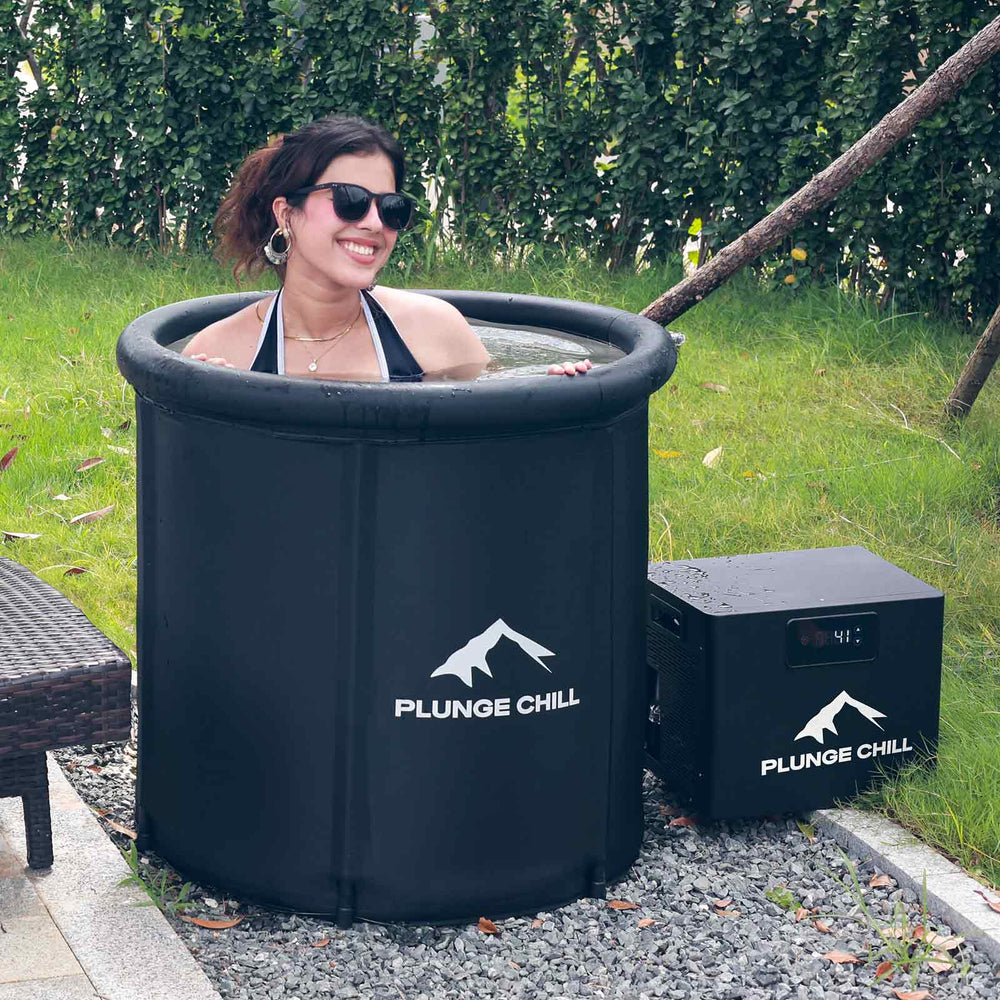
Stress management is no longer a luxury wellness idea; it’s the gear you wear every day, as essential as a favorite ring or watch. Among the many tools to keep life in balance, cold baths—sometimes called cold water immersion—have gone from niche athletic recovery to mainstream ritual. This article lays out what cold baths actually do in the body, how their effects compare with other stress-relief methods, and the practical know‑how you need to decide whether and how to use them. Where the science is strong, I explain why. Where it’s still emerging, I say so plainly, along with my own first‑hand take.
What a Cold Bath Actually Does
Cold water immersion is deliberate exposure to cold water, typically chest‑deep, for a short period. Practical ranges vary by experience and health status, but a common training wheel for beginners is setting the water around 68°F for a couple of minutes and building from there, while experienced users often target 50–60°F. The immediate sensation is a jolt—sharp skin cold, a quick gasp, and fast breathing—that transitions to focused alertness if you settle your breath.
Physiologically, cold receptors in the skin send a powerful signal that triggers the sympathetic nervous system. This surge elevates noradrenaline, a catecholamine associated with energy, attention, and mobilization, and can trigger endorphins, the body’s endogenous opioids that dial down pain and can elevate mood. Several reports also describe changes in cortisol—the body’s stress hormone—with a pattern where cortisol tends not to rise during immersion and can dip below baseline afterward in some protocols. Repeated exposures may blunt the cortisol response across weeks. These short‑term and adaptive patterns are discussed by Stanford Lifestyle Medicine and echoed by an fMRI study on healthy adults in PubMed Central, as well as a neurohormesis perspective in PsychiatryOnline. Timing matters: hormone peaks and dips depend on when you measure relative to the cold.
There is also a distinct “dive reflex” you can trigger with face immersion in cool water. Cooling the face stimulates trigeminal and vagal pathways, shifting the body toward parasympathetic calm. If you are seeking a downshift without a full‑body plunge, submerging only the face in cool water can be a compact, low‑risk way to test how your nervous system responds.

What the Evidence Says
The research base on stress and mood is growing, but it’s uneven in methods and outcomes. Three streams are especially informative: lab and imaging work linking cold to brain network changes and positive affect; lifestyle‑medicine summaries synthesizing temperature, duration, and safety patterns; and systematic reviews that aggregate randomized trials to detect time‑dependent effects on stress, inflammation, sleep, and quality of life. The consensus is not monolithic. Some benefits are transient and protocol‑specific, many are modest, and the safety profile requires respect.
|
Source |
Participants/Design |
Protocol Snapshot |
Main Stress/Mood Outcomes |
Key Caveats |
|
PubMed Central (fMRI study on healthy adults) |
33 adults, pre/post design, naïve to cold immersion |
Head‑out immersion for 5 minutes at 68°F; resting‑state fMRI and affect ratings before/after |
Higher positive affect (more active, alert, attentive, proud, inspired) and lower distress/nervousness; increased coupling among attention/emotion/self‑regulation brain networks |
Single‑session study in healthy adults; findings show association, not causation for long‑term mental health |
|
Stanford Lifestyle Medicine |
Educational review with studies on cold exposure |
For mood and stress: water often 50–60°F; beginners around 68°F for about 2 minutes; single immersions up to 10 minutes; repeated exposures can reduce post‑exposure cortisol |
Brief cold can boost alertness and mood; cortisol often decreases after sessions; benefits may accumulate with consistent practice; face‑only cooling favors calm via dive reflex |
Human evidence varies by protocol; long‑term outcomes and exact “dose” remain unsettled |
|
Systematic review (PubMed) with Harvard Health summary |
11 studies; 3,177 participants across cold baths/showers |
Water typically 45–59°F; durations from 30 seconds to 15 minutes; varied frequencies |
Stress reduction observed about 12 hours after exposure; reported improvements in sleep (not universal) and quality of life for cold showers; no consistent mood or immunity improvements across all studies; acute inflammation rises shortly after exposure |
Heterogeneous methods and measures; few high‑quality randomized trials; effects are time‑dependent and not uniform |
|
UW Medicine newsroom |
Public health perspective |
Short outdoor plunges; community practices; safety protocols |
Possible stress benefits, but evidence for one‑off plunges is thin; repeated practice likely matters more than occasional dips |
Highlights cold shock (gasp, HR/BP spikes), drowning risk in cold water, and the need for medical caution in vulnerable groups |
|
PsychiatryOnline (neurohormesis article) |
Narrative synthesis |
Brief whole‑body exposure typically near 50–59°F; mechanistic focus |
Cold triggers TRPM8 receptors; catecholamines and β‑endorphins can rise; potential neural network strengthening; theoretical neuroprotection signals in animal models |
Mechanistic and translational emphasis; clinical dosing and long‑term safety need far stronger trials |
The throughline is consistent enough to be useful: a short, moderately cold bath tends to produce a brisk arousal followed by calmer affect and improved self‑reported stress sometime later, particularly by the half‑day mark, with repeated exposures showing more durable patterns. At the same time, very cold or very long exposures amplify physiological stress and risk. In simple terms, cold seems to be a “short, sharp stressor” that, when dosed prudently, can help reset how the nervous system experiences stress.

Benefits and Downsides in Context
Cold baths are not a panacea, and they sit alongside a toolkit that includes breathwork, mindfulness, aerobic exercise, heat therapy, and massage. The clearest advantages of cold are speed and salience: the sensory intensity flips your state within seconds, gives many people a reliable mood lift, and—because it’s hard to ignore—forces a moment of single‑pointed focus that can crowd out rumination. The downsides are also clear: a steep initial shock, real cardiovascular strain, water hygiene and setup considerations, and non‑trivial risk if practiced recklessly or alone.
Meditation and paced breathing have different tradeoffs. They are quieter, require no equipment, and can be done anywhere. In my editorial work and personal practice, these methods tend to produce a gentler, steadier calm and are often easier to sustain daily. Exercise adds the bonus of improved sleep and metabolic health; heat exposure, such as a hot bath or sauna, offers a relaxing counterpoint to cold and can be friendlier to people who recoil from cold shock. The comparison below synthesizes what the cited sources say about cold baths with broader, commonly accepted features of other methods. Where I rely on standard practice rather than sources above, I note my confidence explicitly.
|
Method |
How Fast Relief Feels |
Evidence Snapshot |
Gear/Time Burden |
Primary Risks |
Confidence in Comparison |
|
Cold bath (chest‑deep) |
Seconds to minutes; alert first, calm later |
Emerging human evidence links to improved positive affect, 12‑hour stress reduction, and adaptive cortisol patterns; brain network changes observed |
Bathtub or plunge tub; thermometer; towels; 2–10 minutes per session |
Cold shock, HR/BP spikes, drowning risk, hypothermia with overexposure |
High for cold‑bath column (sources cited above) |
|
Face‑only cool immersion |
Within seconds; induces parasympathetic shift |
Supported mechanistically by dive reflex physiology; recommended by Stanford Lifestyle Medicine as a quick boost |
Bowl/sink with cool water; under 1 minute repeated |
Minimal when seated; ice burns if overdone |
High for mechanism; moderate for daily stress outcomes |
|
Paced breathing (e.g., 4–6 breaths/min) |
Minutes |
Widely used for stress regulation; not covered by the sources above |
No gear; 5–10 minutes |
Dizziness if overbreathing; otherwise low |
Moderate (inference from standard practice) |
|
Mindfulness meditation |
10–20 minutes |
Common clinical tool for stress and anxiety; not covered by sources above |
Quiet space; time and practice |
Rare adverse effects; low |
Moderate (inference from standard practice) |
|
Brisk walk or light jog |
10–30 minutes |
Regularly recommended for stress and sleep; not covered by sources above |
Shoes; time; outdoors helpful |
Musculoskeletal strain if ramped too fast |
Moderate (inference from standard practice) |
|
Heat therapy (hot bath/sauna) |
Minutes |
Commonly reported relaxation; not covered by sources above |
Hot bathtub or sauna access; 10–20 minutes |
Dehydration, dizziness for some |
Moderate (inference from standard practice) |
This table positions cold immersion as a fast‑acting, high‑salience intervention that rewards consistency and respect for limits. Breathwork and meditation are slower to peak but more portable. Exercise brings broad health benefits that cold cannot replace. If you think of stress tools as a jewelry box you reach for each day, cold is the bold statement piece; breathwork and movement are the versatile staples.

When a Cold Bath Makes Sense—and When It Doesn’t
Cold baths make sense if you are healthy, cleared by a clinician as appropriate, and want a quick reset that you can measure in minutes. They can be particularly helpful when you feel mentally foggy or “keyed up” and want to pivot into focus. The fMRI work and Stanford Lifestyle Medicine notes point to a pattern of sharper alertness immediately and better mood thereafter, with repeated use linked to steadier cortisol regulation. If that mirrors your goals, cold can be a useful complement to your routine.
Cold baths do not make sense when medical cautions apply. UW Medicine flags elevated drowning risk in cold water and emphasizes that cold shock spikes heart rate and blood pressure even in seemingly benign conditions. If you have heart disease, uncontrolled high blood pressure, hypothyroidism, Raynaud’s phenomenon, or other conditions affecting circulation or autonomic function, consult your clinician before trying cold immersion. The safer off‑ramp for curiosity is facial immersion or cool showers for seconds, never alone, and always with steady breathing.
They also do not make sense if you dislike cold so much that you will never do it consistently. The systematic review suggests time‑dependent effects, including stress reductions detectable hours later, and mentions repeated practice as a likely amplifier. A single polar plunge each year might be a memorable holiday ritual, but the science for once‑a‑year benefits is thin.
How I Start Clients Safely
In my own testing and coaching conversations, I begin with the principle of “uncomfortable but safe.” I advise people to use a reliable thermometer, set the water to a moderate cool rather than aggressive cold, keep the first immersion to a couple of minutes, and pay attention to the two signals that define readiness: controlled breathing and coherent speech. If either goes off the rails, you are too cold or staying too long.
A beginner protocol that tracks closely with the patterns summarized by Stanford Lifestyle Medicine is simple. Choose a day you already plan to rest afterward. Set the bath near 68°F, enter slowly, and let your breath settle from a gasp into a steady rhythm through the nose. Stay no longer than 2–3 minutes the first few times. Exit, dry off, and rewarm promptly with layers and movement rather than a scalding shower. If you prefer a lower‑risk option, fill a bowl with cool water and submerge your face for a few seconds, repeating two or three times while seated; this harnesses the dive reflex without the full‑body shock.
Over time, if you feel good during the rest of the day and sleep well, consider adjusting toward 55–60°F while keeping any single immersion at 10 minutes or less. Do not plunge alone, and do not use cold to avoid clinical care if you are struggling with anxiety or depression. The systematic review indicates stress improvements at about 12 hours and an acute increase in inflammatory markers soon after exposure; both underscore the need for timing and moderation.

Buying and Care Tips for At‑Home Cold Therapy
You do not need a dedicated plunge tub to begin. A regular bathtub, a kitchen thermometer, and a timer are enough to test your response at moderate temperatures. If you decide to continue, a purpose‑built tub can make the ritual easier. Look for sturdy materials that can handle frequent filling and draining, insulation that keeps temperature stable, and a drain you can operate without heavy lifting. A lid helps keep debris out between sessions. If the setup includes electrical components such as chillers, plug them into a ground‑fault circuit‑interrupter outlet and follow the manufacturer’s safety instructions carefully.
Water care is part of the commitment. Cold slows bacterial growth but does not sterilize water. Emptying and refilling regularly is the simplest plan in a home bathtub. For tubs that hold water for days, use cleaners specified by the manufacturer and avoid harsh fragrances that can irritate skin when pores are constricted by cold. Rinsing off lotions, cosmetics, and sunscreen before a session helps maintain water quality. Towels and warm clothes should be ready before you begin so you rewarm promptly without rushing around wet.
If outdoor cold exposure appeals, scout your location in daylight with a friend, test safe entries and exits, and treat moving water with extra caution. The UW Medicine newsroom notes that people are more likely to drown in colder water. Even seasoned plungers go with a group and keep sessions short. Safety is not a vibe; it’s a checklist.

Cold Baths Versus Everyday Alternatives
Cold baths and face immersion live at the “fast switch” end of the spectrum. On days when your mind spirals, the single strongest benefit I feel and hear about is an immediate reset: a minute or two later, attention narrows, and you can choose what to do next rather than be pulled by stress. That specificity is different from the softer glide of a hot bath, a sauna, or a long walk. Those tools are deeply relaxing for many and may be more sustainable daily habits for people who dislike cold. Breathwork and mindfulness add a skill‑building layer—over weeks, they change how you relate to stress, not just how you escape it. Cold cannot replace that learning, but it can buy you the calm window to practice it.
The systematic review and Harvard Health summary suggest that cold’s stress‑relief curve emerges across hours rather than seconds, and that some changes, like an acute spike in inflammatory markers, happen right away. If you have a major presentation in the afternoon, a short morning cold bath might be a better bet than a last‑minute plunge, while a walk or breathing session an hour before the meeting fits a different arousal profile. This is how I integrate cold with workdays: choose the timing for the effect you want, and keep the rest of the day gentle enough to notice how you actually feel.

Takeaway
Cold baths can be an effective, time‑efficient stress tool when used carefully. The best‑supported benefits include short‑term mood lift, improved positive affect, and stress reductions later the same day, with brain‑network changes that map onto attention and emotion regulation. The safety basics are non‑negotiable: avoid going alone, limit immersion length, rewarm promptly, and seek medical input if you have cardiovascular or circulatory issues. Cold is not better than breathing, meditation, heat, or movement; it is different. Use it where its profile shines—fast, focused, and memorable—and let the rest of your routine do the quiet, steady work. If you treat cold like a statement piece in your wellness wardrobe, it can elevate your day without trying to be the entire outfit.
Frequently Asked Questions
How cold should the water be for stress relief rather than extreme endurance? Moderate cold is sufficient. Many protocols that report mood and stress benefits use water between 50°F and 60°F, with beginners starting around 68°F for short durations. Going colder adds strain without guaranteeing better outcomes.
How long should I stay in? For beginners, a couple of minutes is plenty to feel the effect. Several sources recommend keeping any single immersion under 10 minutes. The systematic review notes time‑dependent effects, including stress reduction measured about 12 hours later, so longer is not automatically better.
Is a single polar plunge enough to reduce stress? The evidence for one‑off plunges is thin. UW Medicine emphasizes that repeated practice likely matters more. If you enjoy an annual plunge for the tradition, great; for stress management, think consistent, modest sessions.
Can a cold bath replace therapy or medication for anxiety? No. Cold can complement care, and there is early evidence of mood benefits, but it is not a substitute for clinical treatment. Use it as a supportive practice while following your clinician’s plan.
What if I have high blood pressure or Raynaud’s? Cold shock acutely raises heart rate and blood pressure and constricts blood vessels. People with cardiovascular disease, uncontrolled high blood pressure, hypothyroidism, or Raynaud’s should consult a clinician before attempting cold immersion. Safer alternatives include brief facial immersion while seated or non‑cold methods like breathwork.
Does face‑only immersion really help? Cooling the face can engage the dive reflex via trigeminal and vagal pathways, increasing parasympathetic tone. If you want a calm shift without a full‑body plunge, face immersion in cool water for short intervals is a practical option.
References
This article synthesizes findings and guidance from Stanford Lifestyle Medicine; UW Medicine; PubMed Central; PsychiatryOnline; and Harvard Health. Where I compared cold baths to other methods not directly covered by these sources, I stated that the comparison reflects standard practice and provided confidence ratings accordingly.
- https://lms-dev.api.berkeley.edu/cold-tub-therapy
- https://knightcampus.uoregon.edu/plumbing-benefits-plunging
- https://ben.edu/game-ready-ice-cold-how-plunge-chill-is-helping-redhawks-recover-smarter/
- https://case.edu/news/science-behind-ice-baths-and-polar-plunges-are-they-truly-beneficial
- https://www.health.harvard.edu/staying-healthy/research-highlights-health-benefits-from-cold-water-immersions
- https://digitalcommons.liberty.edu/cgi/viewcontent.cgi?article=8439&context=doctoral
- https://pubmed.ncbi.nlm.nih.gov/39879231/
- https://lifestylemedicine.stanford.edu/jumping-into-the-ice-bath-trend-mental-health-benefits-of-cold-water-immersion/
- https://newsroom.uw.edu/blog/ready-to-take-the-plunge
- https://journals.plos.org/plosone/article?id=10.1371/journal.pone.0317615
Disclaimer
By reading this article, you acknowledge that you are responsible for your own health and safety.
The views and opinions expressed herein are based on the author's professional expertise (DPT, CSCS) and cited sources, but are not a guarantee of outcome. If you have a pre-existing health condition, are pregnant, or have any concerns about using cold water therapy, consult with your physician before starting any new regimen.
Reliance on any information provided in this article is solely at your own risk.
Always seek the advice of a qualified healthcare provider with any questions you may have regarding a medical condition, lifestyle changes, or the use of cold water immersion. Never disregard professional medical advice or delay in seeking it because of something you have read in this article.
The information provided in this blog post, "Comparing Cold Baths to Other Stress Relief Methods," is for informational and educational purposes only. It is not intended to be a substitute for professional medical advice, diagnosis, or treatment.
General Health Information & No Medical Advice