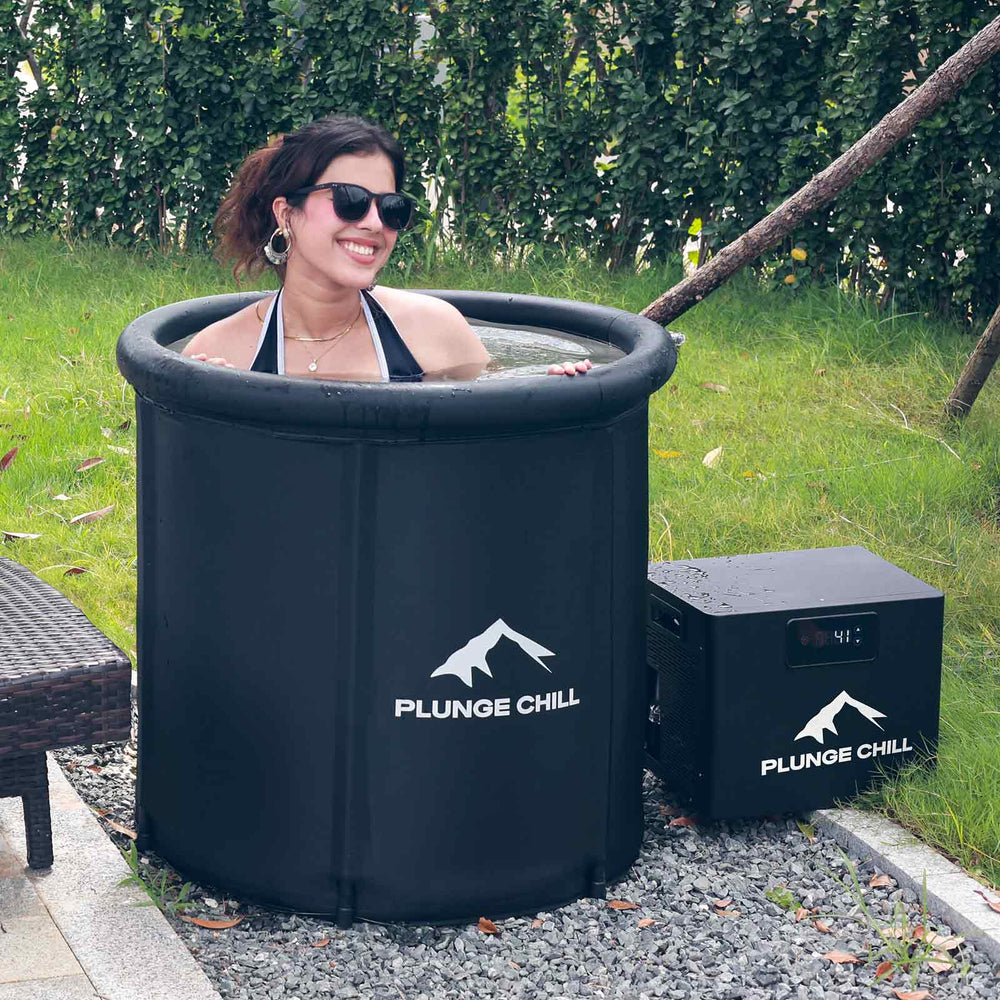
As a sports rehabilitation specialist and strength coach who also reviews cold-plunge products, I get the same question from athletes, weekend lifters, and endurance clients: should I cold plunge or just get more sleep? The short answer is that both matter, but they do not contribute equally. Sleep is the primary recovery driver; cold-water immersion is a situational tool. In this article, I unpack the mechanisms and evidence, show when each works best, and share practical, product-focused advice for safe, effective use.
What We Mean by “Recovery” — and Why Sleep Still Wins
Recovery is not one thing; it is the sum of biological restoration (tissue repair, nervous system recalibration), learning (consolidating motor patterns), and psychological resets that make tomorrow’s training productive. Sleep underpins all of it. In sport settings, I treat sleep as the non‑negotiable base layer: it is the main window for growth hormone release, memory consolidation, and motor learning, with consistent evidence that poor sleep impairs next‑day performance and slows recovery. Practical guidance from sports medicine programs aligns on seven to nine hours as the target, with consistent timing and basic sleep hygiene to protect quality. Even a single poor night can dent reaction time and readiness the following day, which is why I steer athletes to build training volume on a foundation of adequate sleep before adding modalities.
That framing matters when judging cold plunges. They can feel fantastic and sometimes help, but they do not replace sleep. Use them as a strategic overlay after the fundamentals — sleep, nutrition, hydration, and appropriate load management — are in place.

Cold Baths in Plain Language: What They Do Physiologically
Cold-water immersion triggers a rapid cascade: cutaneous blood vessels constrict, metabolic activity in cooled tissues slows, and hydrostatic pressure from immersion shifts fluid centrally. Clinically, that combination can reduce perception of swelling and soreness after hard work. Stanford Lifestyle Medicine has highlighted acute neurochemical shifts from cold exposure, including noradrenaline (alertness, energy) and endorphins (analgesia, mood lift). Some protocols show cortisol remains lower after exposure for hours, and repeated exposure can change the magnitude of that stress response over time. This neuroendocrine picture helps explain why some users report a sharper mood and a sense of calm resilience post‑plunge.
Cold-water immersion also acts like a passive “pump.” By increasing central blood volume and cardiac output through immersion pressure, it may aid transport of metabolites without extra energy cost, which helps many athletes feel less “stale” the next morning. That said, showers generally cool less uniformly than immersion, and very brief exposures may be too short to change muscle temperature meaningfully.
What the Evidence Actually Says
The evidence for cold immersion is mixed and highly context dependent. Several clinical and performance sources converge on a few themes.
First, soreness relief is real but modest on average. A Cochrane Database review reported about a 20 percent reduction in muscle soreness compared with passive recovery. More recent syntheses summarized by Everyday Health note significantly less delayed‑onset muscle soreness within 24 hours and improved perceived recovery after high‑intensity exercise across dozens of studies. Runner’s World has profiled similar conclusions for endurance runners.
Second, chronic use after lifting can blunt adaptations. Ohio State experts cite studies showing reduced long‑term gains in muscle mass and strength when post‑resistance cold immersion is used routinely. A Journal of Physiology paper and a Journal of Strength & Conditioning Research study both point in this direction. A Sports Medicine meta‑analysis summarized by Peloton’s coaching resources found small but measurable reductions in hypertrophy over time when cold immersion was paired with resistance training. Sports performance practitioners who periodize recovery suggest this negative signal is less consistent after aerobic training and may not generalize from single‑limb or non‑athlete research to elite training environments; still, the risk to strength gains is sufficient to warrant caution.
Third, immediate performance turnaround is a legitimate use case. During congested schedules, tournaments, or hot weather, cold immersion can reduce perceived fatigue and help restore readiness for the next session. Healthline notes a pre‑cooling strategy can lower core temperature before events in heat, which may support performance.
Finally, health and safety matter. Mayo Clinic Press underscores that scientists know more about the dangers of extreme cold than the benefits. The cold‑shock response can induce gasping and hyperventilation and acutely raise heart rate and blood pressure. Major clinics highlight the risks of hypothermia, frostbite, dizziness, and cardiovascular stress, with clear cautions for those with heart disease, hypertension, diabetes, neuropathies, or poor circulation.
The right interpretation of this picture is nuanced. In short: cold immersion can help you feel and perform better in the short term, especially for endurance demands or crowded competition windows. It is best used strategically rather than every day after lifting if your top goal is muscle size and strength. Sleep remains the primary driver of adaptive gains.
How to Do Cold Immersion Without Overkill
The safest approach is to start warmer and shorter, and progress only as your tolerance and goals justify it. Cleveland Clinic encourages beginners to begin around 68°F and work down as tolerated, with many programs operating in the 50–59°F range. Early sessions can be as short as 30–60 seconds, building toward a few minutes. Ice Barrel’s beginner‑focused guidance aligns with starting easy, staying within a two to ten minute window, and listening to your body. Mayo Clinic Health System advises beginning with 30–60 seconds and building to total exposures of five to ten minutes, often in one continuous session.
Research protocols and practitioner recommendations sometimes extend longer. Ohio State notes that 10–20 minutes in 50–59°F water appears across studies and team settings. Runner’s World references about 10–15 minutes for runners. Urban Ice Tribe’s maintenance advice targets about 10–15 minutes for recovery effects in many users. I coach athletes to calibrate within these ranges based on training phase, cold tolerance, and response tracking, and to cap total exposure conservatively on early trials.
It is also worth noting the “too cold” problem. Cleveland Clinic flags that dipping below roughly 40°F raises risk without added benefit for most people. Measure, do not guess. A reliable thermometer prevents drifting colder than intended, whether you are using tap‑cold water or adding ice.
Timing Relative to Training
If strength or hypertrophy is your primary objective, delay cold immersion at least a day after your lifting sessions. Ohio State recommends waiting 24–48 hours to allow the controlled inflammatory signaling that drives adaptation. If you are an endurance athlete or competing on back‑to‑back days, brief immediate post‑session immersion can help manage soreness and perceived recovery. When training or competing in hot, humid conditions, pre‑cooling with cold immersion may lower core temperature and support performance.
Frequency also deserves attention. Mayo Clinic Health System cautions that daily post‑training plunges can compromise long‑term performance adaptations. Periodized strategies from high‑performance programs emphasize using cold more often in congested in‑season periods and more sparingly in the preseason when you are trying to maximize training adaptations, always anchored to the “big rocks” of sleep, nutrition, and hydration.
Cold Immersion and Sleep: Friends or Foes?
Some people report better sleep after cold exposure, a point Cleveland Clinic acknowledges as anecdotal. Stanford Lifestyle Medicine describes that cold can lower cortisol after sessions for hours, which in theory could ease wind‑down. On the other hand, noradrenaline surges and alertness immediately after cold are real. In my coaching practice, that means I avoid prescribing vigorous cold exposures right before bed. If you experiment with evening plunges, keep them short, warm‑leaning for your tolerance, and finish with a calm rewarming routine. Consistency in bedtime and total sleep duration still drives the majority of recovery; cold should complement, not compete with, that routine.
Safety, Contraindications, and Risk Management
Cold immersion is not risk‑free. Major clinics list hypothermia, frostbite, hyperventilation, dizziness, and transient spikes in heart rate and blood pressure among key risks. People with cardiovascular disease, hypertension, diabetes, neuropathies, cold agglutinin disease, or poor circulation should talk with a clinician first. Scripps reiterates that ice baths are not a one‑size‑fits‑all solution and medical clearance may be prudent for at‑risk individuals.
There are straightforward ways to reduce risk. Enter slowly to control breathing and avoid a gasp reflex. Stay within time and temperature limits, exit if you feel lightheaded or numb beyond typical cold sensations, and rewarm gradually. Ice Barrel recommends having a buddy present, especially early on. Mayo Clinic Health System advises avoiding currents and open‑water plunges that could sweep you away or trap you under ice, measuring temperature before entry, keeping towels and warm clothing ready, and being especially cautious in ice or snow where frostbite risk rises.

Definitions and Realistic Protocols
Cold plunge or cold‑water immersion means submerging most or all of the body in cold water for short periods with recovery intent. Practical home setups include a bathtub filled with tap‑cold water and ice, collapsible tubs, or dedicated cold‑plunge tanks. Cleveland Clinic suggests tap water around 53°F is workable and that beginners should start warmer, progressing gradually.
Durations vary by goal and tolerance. Many novices do well starting with one to two minutes and building to three to five. Athletes with experience often spend five to ten minutes in the 50–59°F range. Individual protocols used in research extend to ten to twenty minutes in that same temperature range, but I reserve longer exposures for acclimated users with clear reasons.
Rewarming can be passive or aided. Some people pair cold sessions with a sauna to normalize body temperature. Ice Barrel suggests allowing natural, gradual rewarming and not jumping straight into a hot shower. Both approaches can be viable; the key is to rewarm safely and avoid extreme swings you have not practiced, especially early in adaptation.
Product Considerations, Buying Tips, and Care
As a reviewer, I evaluate cold‑plunge products through a clinical and coaching lens: temperature control, user safety, water quality, and total cost of ownership matter far more than flashy aesthetics. You do not need a dedicated tank to start. A household tub with a few bags of ice and a reliable thermometer is enough to learn your tolerances and decide if the modality fits your goals.
If you invest in a dedicated plunge, chiller systems that circulate and cool water provide precise, automated control and stable temperatures for repeatable dosing. Urban Ice Tribe highlights that circulation helps achieve uniform cooling without constantly adding ice. Keep the unit shaded and covered to reduce heat gain. Water quality matters; using clean, contaminant‑free water improves heat transfer and temperature stability. Change water regularly, disinfect per manufacturer guidance, and keep sweat and dirt out to extend intervals between full changes. For a low‑waste setup without a chiller, large ice blocks or frozen water bottles melt more slowly than cubes and keep water colder longer.
Budget and placement count. Mayo Clinic Health System notes that high‑end tanks can run up to $20,000.00. If you do not need minute‑by‑minute precision, a simpler tub‑plus‑ice routine may meet your needs at a fraction of the cost. Confirm you have space for safe entry and exit, adequate drainage, and a nearby spot to dry off and rewarm. Regardless of setup, a reliable thermometer is non‑negotiable; measure water temperature before you enter so you always know the conditions you are exposing yourself to.
Cold Bath vs. Sleep — Side‑by‑Side
Aspect |
Cold Bath (CWI) |
Sleep |
Primary role |
Short‑term soreness relief, readiness restoration, thermal management |
Global tissue repair, hormone balance, motor learning, immune support |
Mechanisms |
Vasoconstriction, reduced metabolic activity, immersion pressure; acute neurochemical shifts |
Endocrine pulses, cellular repair, CNS recalibration, memory consolidation |
Evidence summary |
Reduces perceived soreness within 24 hours in many studies; mixed effects on performance markers |
Strong consensus as the foundation of recovery and adaptation across sports medicine practice |
Best timing |
Immediately after endurance efforts, hot environments, or congested competition; avoid right after lifting if hypertrophy is the priority |
Consistent nightly routine, seven to nine hours, protected sleep environment |
Strength/hypertrophy impact |
Routine post‑lift use can blunt gains; delay 24–48 hours when muscle growth is the goal |
Supports signaling for adaptation and next‑day training quality |
Risks |
Cold shock, hypothermia, frostbite, cardiovascular stress; contraindications apply |
Minimal direct risk to healthy adults; chronic restriction impairs recovery |
Cost/availability |
Free to expensive; bathtub with ice to dedicated tanks up to $20,000.00 |
Free but requires schedule discipline and environment control |
How I Program This With Athletes
I use a simple principle set. First, we fix sleep. Seven to nine hours with consistent bed and wake times becomes part of the training plan, not an afterthought. Second, we cover nutrition and hydration, especially post‑exercise carbohydrate and protein to support glycogen restoration and muscle repair. Third, we layer cold strategically.
In preseason strength blocks or hypertrophy cycles, I minimize cold immersion during the first 24–48 hours after lifting so we do not blunt the stress that drives adaptations. On hard endurance training days, in heat stress, or during multi‑day competition, we add short post‑session immersions in the 50–59°F range so athletes feel fresher the next day. When schedules get crowded, we may increase frequency toward the competition window while maintaining conservative durations and total weekly exposure. Some performance programs finish immersions cold and deploy sessions around the 48‑hour window before or after competition; that cadence helps many athletes manage soreness without living in the tub. Throughout, we track how each athlete feels and performs, because individual responses vary widely.
Special Topics: Mental Health, Mood, and Pain
Stanford Lifestyle Medicine summarizes that cold can trigger noradrenaline and endorphin changes that lift mood and energy, with studies noting reduced tension and fatigue after cold exposure. Everyday Health notes that while short‑term mood boosts are common, evidence for lasting changes in mood or immunity remains limited. For pain, both Mayo Clinic Press and orthopedic sources point to short‑term analgesia from restricted blood flow and slower nerve signaling. For persistent strains or long‑term injury management, heat and circulation may be better choices than repeated icing, particularly after the initial acute phase.
Where Showers and Contrast Fit
Showers are workable for convenience and access, but immersion yields more uniform cooling and stronger hydrostatic pressure effects. Contrast therapy — alternating warm and cold — is popular and can create a pump‑like vascular effect; some knee osteoarthritis reviews suggest contrast is more effective than heat alone. For athletes new to cold, starting with localized cold or a brief shower is reasonable while you build tolerance.
Buying Scenarios and Care Walkthrough
If you want precise temperature and frequent use, a chiller‑equipped plunge with continuous circulation will give you reproducible sessions. Keep it covered and shaded to retain cold and reduce energy use, and maintain water quality with regular changes and disinfection. If you prefer a low‑cost approach, a tub, ice, and a thermometer get the job done. Use a roughly one‑to‑three ice‑to‑water ratio as a starting point and adjust based on actual measurements. Large blocks or frozen bottles outlast cubes for extended cooling. In both cases, set up a safe route in and out, have a towel and warm clothes at arm’s reach, and avoid placing the tub in hazardous outdoor spots in freezing conditions.

The Bottom Line
The best way to compare cold baths and sleep is to put them in their proper order. Sleep is the main course of recovery; cold immersion is seasoning you add for specific dishes. That analogy, echoed by clinicians at Mayo Clinic Press, reflects the evidence and what I see on the training floor. Build and protect seven to nine hours first. Then, use cold strategically: sooner for endurance or heat, later for strength and muscle growth, and always within measured, safe limits. If you choose to invest in a product, prioritize precise temperature control, water quality, and safe ergonomics over bells and whistles.
FAQ
Can ice baths reduce muscle growth? They can if used immediately and routinely after lifting. Research summarized by Ohio State and a Sports Medicine meta‑analysis shows that chronic post‑resistance cold immersion can dampen strength and hypertrophy gains. If muscle growth is the top goal, wait 24–48 hours after lifting before immersing.
Are ice baths or cold showers better? Immersion cools more uniformly and leverages hydrostatic pressure, which showers do not fully reproduce. Showers are fine for convenience, but immersion is the stronger recovery stimulus when you need it.
Will cold plunges help me sleep? Some people feel calmer and sleep better; others feel alert from the noradrenaline surge. Stanford Lifestyle Medicine notes cortisol often drops after sessions, but alertness rises acutely. If you experiment in the evening, keep exposures brief, rewarm calmly, and prioritize a consistent sleep routine either way.
Is cold immersion safe for everyone? No. Major clinics advise caution or medical clearance for people with heart disease, hypertension, diabetes, neuropathies, poor circulation, or cold‑related conditions. Manage risk by measuring temperature, limiting time, entering slowly, and avoiding open water with currents or ice hazards.
As a coach and reviewer, my closing advice is simple: bank your sleep, then use cold water like a pro uses tools — purposefully, precisely, and never at the expense of long‑term progress.
References
- https://cupola.gettysburg.edu/cgi/viewcontent.cgi?article=2078&context=student_scholarship
- https://lifestylemedicine.stanford.edu/jumping-into-the-ice-bath-trend-mental-health-benefits-of-cold-water-immersion/
- https://sncs-prod-external.mayo.edu/hometown-health/speaking-of-health/cold-plunge-after-workouts
- https://pmc.ncbi.nlm.nih.gov/articles/PMC2938508/
- https://health.osu.edu/wellness/exercise-and-nutrition/do-ice-baths-help-workout-recovery
- https://prodigy.ucmerced.edu/browse/ZFkOo4/7OK143/ColdTherapyAndrewHuberman.pdf
- https://admisiones.unicah.edu/fulldisplay/ZFkOo4/7OK143/cold-therapy_andrew__huberman.pdf
- https://health.clevelandclinic.org/what-to-know-about-cold-plunges
- https://www.scripps.org/news_items/7724-are-ice-baths-good-for-you
- https://mcpress.mayoclinic.org/healthy-aging/the-science-behind-ice-baths-for-recovery/