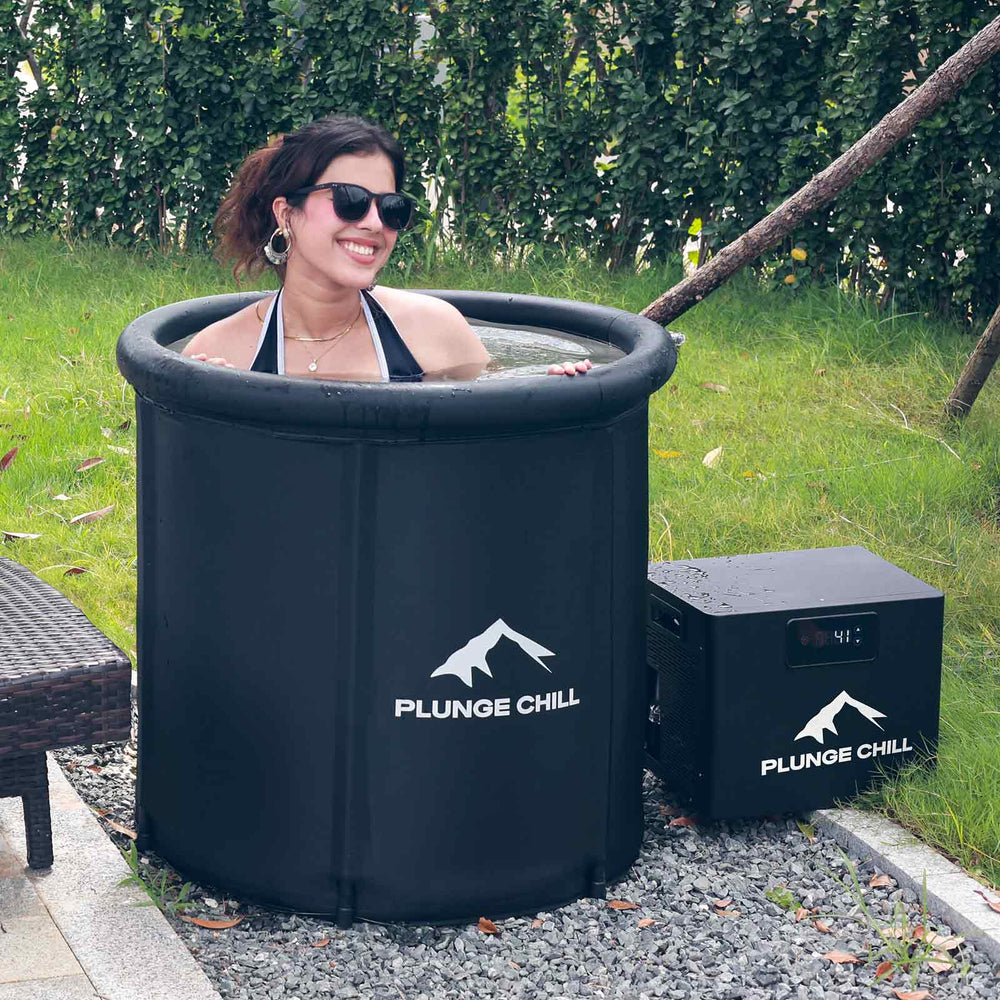
A cold plunge can be the most powerful two to five minutes of your day—if you can actually use it consistently. In real homes and clinics, a quiet system is the difference between a habit you keep and a device that collects dust. As a sports rehabilitation specialist and strength coach who reviews cold plunge products and installs them in high‑traffic training spaces, I’ve learned that noise is not a trivial detail. It affects compliance, family acceptance, and when you can safely run sanitation cycles without waking someone up. This guide explains how to select and set up a cold plunge tub that delivers near‑silent operation without sacrificing water quality or performance.
What “Silent” Really Means for Cold Plunge Tubs
“Silent” in this category rarely means absolute silence. A cold plunge tub is a system: a tub, a pump, a chiller, and filtration. Sound comes from fans moving air through a condenser, compressors cycling, pumps pushing water, and water re‑entering the tub. Most noise complaints trace back to the chiller architecture, airflow path, vibration transfer into floors or decks, and how aggressively the system runs when pulling down to target temperature.
A purpose‑built cold plunge keeps water cold on demand, typically between about 40°F and 59°F, and pairs that with filtration for sanitation. That’s different from a do‑it‑yourself ice bath, which is colder only when you add enough ice and is hard to keep clean. Purpose‑built systems streamline temperature control and maintenance so you can be consistent with routine, which is where users tend to see the most benefit. This position aligns with brand guidance from Chilly GOAT Tubs and long‑term user testing summarized by reviewer Michael Kummer.
Evidence and Performance Context
Cold plunging delivers an acute stressor that can boost alertness and can reduce perceived soreness after hard sessions. At the same time, the strongest medical guidance urges caution with expectations, especially for heart health. Harvard Health Publishing notes that cardiovascular benefits remain uncertain, that cold immersion acutely raises heart rate and blood pressure, and that individuals with arrhythmias, peripheral artery disease, or Raynaud’s should avoid cold plunges altogether unless cleared by a clinician. Harvard’s summary also highlights a recent review reporting temporary stress reduction and better sleep with short‑term protocols, but limited support for broad claims about mood or immunity. From a performance standpoint, post‑exercise cold exposure can blunt gains in strength and power, so athletes seeking hypertrophy and maximal strength should avoid plunging immediately after lifting and instead schedule it well away from those sessions.
For temperature and exposure, beginner‑friendly ranges often start around the low to mid‑50s with short durations and progress toward the 40s as tolerance improves. Brands like Chilly GOAT Tubs recommend starting warmer and shorter, which matches what we use in return‑to‑play protocols. Colder is not automatically better; it is a sharper stimulus that should be matched to the goal and to the user’s risk profile.
Quiet by Design: Features That Lower Noise
Noise is a design choice as much as a byproduct. The most reliable way to get quiet operation is to choose the right chiller architecture, manage airflow, and prevent vibration from entering the structure. The following design elements matter more than any marketing tagline.
Integrated Chillers vs. External Units
Across clinics and home installs I’ve managed, integrated chillers tend to run quieter than external chillers because the pump, condenser fan, and filtration are engineered to work together in a closed cabinet. This observation is echoed in Michael Kummer’s hands‑on reviews, where integrated systems are described as quieter and simpler to maintain. External chillers can be effective and cost‑efficient, but they often add fan and compressor noise plus vibration from separate housings and hoses. Chilly GOAT’s lineup includes both approaches, and their higher‑end integrated options are specifically designed for indoor or outdoor year‑round use, which usually correlates with better insulation and sound management.
Architecture |
Typical Noise Tendency |
Why It Matters |
Maintenance Notes |
Integrated chiller (in‑cabinet) |
Quieter in most installs |
Optimized airflow path, fewer exposed components, shorter plumbing runs |
Simplified filter access; fewer external hoses to rattle |
External chiller (standalone) |
Louder, with more tonal variation |
Additional fan/compressor outside the tub cabinet; hoses transmit vibration to the tub |
More parts to secure; may need hose clamps, pads, and isolation feet |
Overlooked insight: Manufacturers rarely publish standardized decibel data, and when they do, measurement distance, room size, and ambient temperature can skew results. Asking for an A‑weighted reading at three feet during steady‑state holding and during pull‑down gives a more realistic expectation.
Pump Design, Flow Path, and Water Return
Pump speed and water path shape the sound spectrum. High‑flow “thermal barrier defeat” modes increase turbulence and can sound louder, as noted in Kummer’s review of performance‑oriented units. Smooth bends, insulated hoses, and a diffuser on the water return help reduce splash and gurgle. If you hear chattering at the hose or fittings, that is often micro‑cavitation and can be mitigated by bleeding air from the line and ensuring the filter is not over‑saturated.
Filtration and Sanitation
Multi‑stage filtration with sediment capture and ozone keeps water clear without harsh chemical smells. Renu Therapy advocates chemical‑free or low‑chemical approaches using ozone, adequate filtration, and good surface skimming. From a noise standpoint, larger filters reduce pump strain, which may indirectly lower pump noise because the pump does not need to work as hard to maintain flow. Some systems run scheduled sanitation cycles that temporarily increase flow or fan speed; those are predictable times when noise peaks.
Overlooked insight: Quieter operation can come from lower continuous fan speeds, but that may lengthen the time to reach a colder setpoint when ambient conditions are hot. In practical terms, you might notice longer pull‑down on peak summer afternoons if the system prioritizes quiet.
Insulation, Cabinet Construction, and Covers
A well‑insulated cabinet and a fitted insulated cover do double duty: they improve energy efficiency and reduce sound transmission. Renu Therapy emphasizes insulation and fitted covers to maintain temperature across seasons. Well‑sealed cabinets are less prone to panel buzz and air leaks, both audible cues of a louder system. Choosing a tub with a dense cabinet shell and a gasketed service panel helps.
Vibration Isolation and Placement
Structure‑borne vibration can be more disruptive than the sound itself. Placing the unit on dense rubber isolation pads, leveling it fully, and decoupling the cabinet feet from resonant surfaces like hollow decks makes a significant difference. If the tub must sit on a second‑floor wood frame, a simple isolation platform with mass‑loaded vinyl underlayment can help keep noise out of the room below.
Overlooked insight: In multi‑family buildings, noise complaints often come from vibration transferring through framing rather than from airborne hum. This is rarely addressed in product marketing but is a dominant factor in quiet use.

Model Notes from Hands‑On Use
Independent testing that explicitly rates noise is limited, but several models show consistent patterns in practice and in experienced user reviews. Prices are approximate and subject to change.
Model (Brand) |
Reported Noise Character |
Highlights Related to Noise |
Approx. Price |
Cold Plunge Pro (Sun Home Sauna) |
Described as very quiet in steady state |
Fully integrated chiller; holds very cold temps even in hot weather; manual sanitation cycle you can schedule away from quiet hours |
$10,000.00 |
Gen 2 (The Plunge) |
In‑house Pro chiller reported quieter than prior generation |
Filtration with sediment and ozone in Pro configurations; spacious interior reduces splash noise on entry |
$5,990.00 to $7,490.00 |
Morozko Ice Bath |
Commercial feel; bulky; noise depends on placement |
Fully integrated refrigeration with microfiltration and ozone; built to make ice, which can add brief pull‑down cycles |
$13,900.00 and up |
ReGen Blast |
Performance‑biased; high‑flow modes can sound louder |
Extra‑wide plumbing and oversized filter; strong ozone; heavy cabinet that benefits from solid pad |
Varies |
GO! Inflatable + Chiller (Chilly GOAT) |
Depends on chiller choice; inflatable shell transmits less cabinet buzz but more water slosh |
Portable option; pair with a quiet, ozone‑equipped chiller if indoors |
From $2,990.00 |
Ice Pod Pro + Chiller |
Inflatables are quiet without a chiller; external chillers add fan hum |
Budget path to test routine; quality and longevity vary by add‑on chiller and hose routing |
$149.00 plus chiller |
The qualitative observations above draw on my field installs and align with Kummer’s detailed testing, which highlights integrated chillers as generally quieter. Chilly GOAT’s integrated models and Renu Therapy’s design guidance point toward insulation, always‑on temperature control, and accessible filtration as the pillars of low‑friction daily use.

Buying for Silence Without Sacrificing Performance
If your priority is a quiet daily routine, start by clarifying where the tub will live and when it will run hardest. Indoor installs near bedrooms need lower steady‑state sound and predictable sanitation cycles you can schedule. Outdoor installs need strong heat‑rejection capacity in summer without a dramatic jump in fan noise.
Ask brands direct, practical questions. Request an A‑weighted sound reading at three feet, both when the tub is simply maintaining temperature and when it is pulling down after a warm period. Ask which components control the loudest phases: fan curve, compressor duty cycle, or pump speed, and whether you can schedule sanitation runs. Confirm filtration style, because ozone plus proper sediment filtration keeps water clear with fewer chemicals, which also keeps odors down and can make the space more pleasant.
Consider service and longevity as noise variables. A fan with worn bearings gets louder with time. Accessible filters you can change without tools reduce the chance you will run a clogged filter that strains the pump. Warranty coverage and spare parts availability matter because chillers are the most complex and noise‑relevant part of the system.
Price spreads reflect material quality, chiller performance, and convenience. Budget inflatables paired with external chillers can work if you optimize placement and isolation, but integrated acrylic or stainless systems that emphasize insulation and filtration tend to be quieter and easier to live with. Desert Plunge markets accessibility and affordability; while that is promising for entry, published quantitative noise data is not provided, so verify in person or via a clear spec sheet before buying.
Setup, Placement, and Daily Use for a Quieter Plunge
How you install and run the tub is as important as what you buy. Place the chiller on a level, solid surface and use dense rubber isolation pads under every contact point. Leave unobstructed airflow around intake and exhaust to reduce fan strain. If the water return splashes audibly, fit a diffuser or adjust the angle so the stream enters below the surface.
Schedule sanitation cycles at times when noise will not matter. Many systems let you run a higher‑flow ozone or filtration cycle on your terms; lunchtime or early evening often works well. Pre‑chill water before family quiet hours so the compressor can idle once people are asleep. Keep the cover closed whenever you are not using the tub; this stabilizes temperature and reduces the number of times the chiller needs to ramp up.
If you must place a unit near a shared wall, add a simple isolation platform using a high‑density mat and a plywood layer, and pull the cabinet two to four inches off the wall to minimize resonant coupling. For apartments, position the exhaust airflow away from neighbors’ windows, even outdoors, to reduce perceived noise at their side of the property line.
Maintenance and Care That Keep Things Quiet
Clean filters maintain flow and reduce pump effort. Replace or wash sediment filters on the schedule the manufacturer recommends, and sooner if you see a pressure drop or hear the pump straining. Rinse air intakes and condenser fins from dust to keep fan speeds lower for a given cooling load. Use an insulated cover that seals well; an ill‑fitting cover leads to more frequent compressor cycling.
For water treatment, ozone is a strong partner for low‑chemical sanitation. Kummer notes that very cold water environments suppress pathogen growth, which adds a margin of safety, but you still need proper filtration and periodic water changes. Without a chiller, water needs more frequent changes, and that increases the number of times you must fill and drain, which can add pump‑down noise during those chores. With a chiller and a sound water care routine, you can stretch changes farther apart while keeping operation quieter and simpler day to day.
Overlooked insight: Because extremely cold setpoints can suppress growth, some owners find they can run shorter sanitation cycles without water quality issues. This is plausible but depends on bather load and environment.

Pros and Cons of Silent‑Focused Builds
Pursuing the quietest possible setup produces meaningful benefits. You can place the tub closer to living spaces, run it any time of day, and respect shared walls in apartments. The experience is calmer, which for some users reduces pre‑plunge hesitation. The trade‑offs are rarely about recovery outcomes and more about cost and flexibility. Integrated chillers and dense, well‑insulated cabinets cost more and are heavier to move. External chiller setups can be less expensive and more modular, but may require more tinkering with pads, hose routing, and placement to achieve the same noise profile. If you prioritize top‑end performance features like high‑flow barrier defeat or ice‑making capacity, anticipate some scenarios where noise rises and plan your schedule and placement accordingly.

How to Reconcile Conflicting Claims
You will notice different voices in the market. Experienced reviewers such as Michael Kummer emphasize integrated chillers for lower noise and simpler upkeep, while brands like Chilly GOAT Tubs and Renu Therapy stress the value of insulation, filtration, and temperature readiness for everyday adherence. Medical commentary from Harvard Health Publishing is more cautious on health claims and urges smart programming around strength training. Apparent disagreements often stem from different definitions and endpoints. Reviewers focus on user experience and noise in actual homes, brands focus on feature sets and lifestyle fit, and medical sources focus on outcomes and risk. Timeframe and methodology matter as well: a short trial in a reviewer’s backyard is not the same as a controlled clinical study, and a brand showroom does not reflect your apartment’s acoustics. Use each perspective for what it does best: choose the quietest, most usable hardware, then program it in a way that supports, rather than undermines, your training and health goals.
Takeaway
Quiet matters. A silent‑leaning cold plunge turns good intention into a daily practice by removing the friction of hums, rattles, and overnight run‑ups that disrupt family life. Choose an integrated chiller when possible, prioritize insulation and filtration, and control vibration and airflow. Verify noise claims with consistent measurement, and schedule sanitation cycles away from quiet hours. Pair your hardware choices with evidence‑informed programming: avoid plunging right after heavy lifting if you care about strength and use sensible temperatures and durations. With the right setup, you get clean, cold water on demand and a calm environment that supports recovery, resilience, and adherence over the long term.
FAQ
Are “silent” cold plunge tubs truly silent?
Absolute silence is unrealistic because compressors, fans, and pumps must move heat and water. The quietest integrated systems, placed on isolation pads and run with a fitted cover, are quiet enough for indoor use near bedrooms during steady‑state operation. Ask for A‑weighted sound readings at three feet during both idle maintenance and active pull‑down to set expectations, and verify in your own space since room acoustics vary.
Can I put a cold plunge in an apartment without bothering neighbors?
Yes, if you plan for structure‑borne vibration and airflow. Use dense rubber pads under the cabinet feet, avoid shared walls if possible, and leave clear intake and exhaust space. Position exhaust airflow away from neighboring windows. If you are on a framed floor, add a simple isolation platform to limit vibration into the structure. Run sanitation cycles at predictable, non‑quiet hours.
Does colder water mean more noise?
Not necessarily. Noise depends on how hard the chiller must work relative to ambient temperature and how the system manages airflow. A well‑insulated, integrated unit that holds a cold setpoint quietly in the evening may still ramp up fan speeds on a hot afternoon to pull temperature down. If you regularly plunge in hot conditions, choose a unit with strong heat‑rejection capacity and a cabinet designed to manage that load quietly.
Will cold plunging after lifting hurt my gains?
It can blunt strength and power adaptations when done immediately post‑exercise. Harvard Health Publishing highlights evidence that post‑workout cold exposure may diminish muscle power and strength gains. If maximal strength or muscle growth is the priority, schedule plunges away from lifting sessions, such as later in the day or on non‑lifting days, and use temperatures and durations that match your tolerance and goals.
What maintenance steps help keep my tub quiet?
Keep filters clean so the pump does not strain, vacuum or rinse dust from air intakes and condenser fins so fans can run slower, and always close a fitted, insulated cover to minimize temperature swings. If sanitation cycles are audible, schedule them at times when the noise will not matter. Over time, check that cabinet screws and panels remain tight to avoid buzz.
Which brands are known for quiet operation?
Independent testing that publishes decibel data is rare, but experienced reviewer reports point to integrated designs as quieter. Sun Home’s integrated Cold Plunge Pro has been described as very quiet at steady state, The Plunge’s in‑house Pro chiller is reported quieter than previous versions, and integrated premium units like Morozko are robust but need careful placement because of size and weight. For budget and portability, inflatables like Ice Pod Pro depend on the external chiller you pair them with, so verify the chiller’s noise profile before buying.

References
Harvard Health Publishing on cardiovascular considerations and training interference; Michael Kummer’s hands‑on comparative reviews emphasizing integrated chillers, sanitation, and placement; Chilly GOAT Tubs’ guidance on dedicated systems, temperature ranges, and year‑round use; Renu Therapy’s recommendations on always‑on temperature control, chemical‑lean filtration, insulation, and fitted covers; Desert Plunge’s accessibility and affordability focus for first‑time buyers. 13,114
- https://lms-dev.api.berkeley.edu/cold-tub-therapy
- https://www.health.harvard.edu/heart-health/cold-plunges-healthy-or-harmful-for-your-heart
- https://www.mcphs.edu/news/physical-therapist-explains-why-you-should-chill-out-on-ice-baths
- https://digitalcommons.liberty.edu/doctoral/7380/
- https://sncs-prod-external.mayo.edu/hometown-health/speaking-of-health/cold-plunge-after-workouts
- https://health.osu.edu/wellness/exercise-and-nutrition/do-ice-baths-help-workout-recovery
- https://paintrail.pmr.med.ufl.edu/2024/08/05/cold-water-immersion-therapy-unraveling-the-benefits-and-risks-with-evidence/
- https://desertplunge.com/?srsltid=AfmBOopr4HOitWy0LbwBw-USW16tc3jRDw4mc2PKMfxUOwjkFknQgwBP
- https://www.garagegymreviews.com/best-cold-plunge-tub
- https://plungereviews.com/