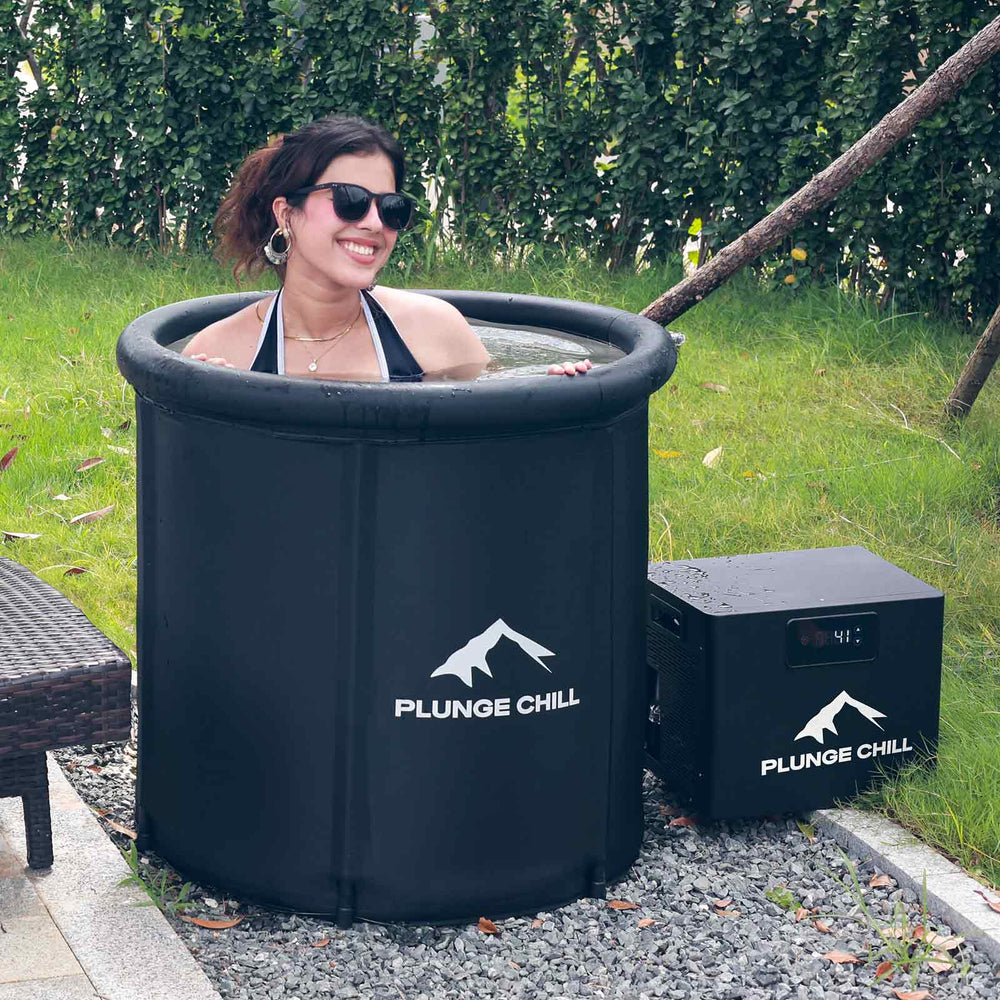
Short on time does not need to mean short on recovery. As a sports rehabilitation specialist and strength coach who prioritizes tools athletes actually use, I evaluate cold plunge tubs by one primary metric for busy people: how little attention they demand while still keeping water safe, temperatures consistent, and sessions effective. This guide distills what matters, what does not, and which features and models are most likely to give you a ready‑to‑plunge experience day after day with minimal upkeep.
What “Low Maintenance” Really Means in a Cold Plunge
Low maintenance is not just about avoiding scrubbing days. It means the entire system reduces routine workload while maintaining water quality and consistent temperatures. In practice, that includes integrated filtration with fine particulate capture, an active sanitation method such as ozone or ultraviolet that reduces chemical demand, and thoughtful design details like a sloped floor for drainage, an insulated lid that limits debris and heat gain, and a drain you can reach without gymnastics. It also means a dependable chiller that holds your setpoint without constant tinkering and an electrical setup that does not trip a shared household circuit.
The combination of multi‑stage filtration and active sanitation is the single biggest lever for lowering ongoing effort. Units with both ozone and ultraviolet can extend water life and keep clarity high with fewer added chemicals, according to product testing summaries from BarBend and model‑specific manuals reviewed by Garage Gym Reviews. Residential owners often default to chlorine or bromine; however, in very cold water these sanitizers act more slowly, so ozone or ultraviolet helps take the load off while your free sanitizer works in the background, as explained in Icebound Essentials’ maintenance guidance.
Cold water itself slows bacterial growth, which is helpful, but it also slows chemical and biological reactions across the board. That means you cannot simply “let the cold do the cleaning.” You still need circulation, filtration hours, and periodic sanitizer verification. Icebound Essentials emphasizes running filtration daily and keeping filters in the 5–20 micron capture range to prevent cloudy water and dead zones where debris collects.

Safety, Timing, and Dosing When You Only Have Minutes
For time‑pressed athletes, dosing your recovery matters as much as the device. Cleveland Clinic recommends keeping cold plunges brief, starting around three minutes and capping sessions at five minutes for most users, with beginners closer to one to two minutes at modestly cold temperatures. Mayo Clinic Press notes broader ranges in the literature but stresses that protocols should align with your goals, risk profile, and training cycle. Kaiser Permanente’s guidance sometimes cites 10 to 15 minutes at roughly 50 to 59°F, while Mayo Clinic Health System also describes building gradually toward five to ten minutes and cautions that daily post‑lifting plunges may dampen strength and hypertrophy adaptations. These discrepancies likely reflect different populations and aims: clinical safety advice for the general public versus performance protocols for trained athletes. When in doubt, favor the conservative window of three to five minutes at 50 to 59°F, then adjust thoughtfully in line with your response and your sport.
Two scheduling notes preserve performance while keeping recovery time‑efficient. First, if muscle growth is a priority, separate cold exposure from heavy resistance training by several hours to reduce the risk of blunting anabolic signaling, as discussed by Mayo Clinic Press and Mayo Clinic Health System. Second, consider treating cold exposure like a weekly prescription rather than a daily ritual. Wired reports research by Susanna Søberg suggesting roughly eleven total minutes per week split across short plunges may deliver benefits. This is a pragmatic target for busy routines and can be integrated on non‑lifting days or after long endurance sessions.

The Maintenance Load, Quantified and Simplified
Water hygiene is maintenance. The lowest‑maintenance outcomes come from simple systems done consistently. Icebound Essentials lays out a reliable baseline for residential tubs: test water chemistry every one to two weeks, aim for pH between 7.2 and 7.8 with total alkalinity around 80 to 120 ppm, keep sanitizer in range if you use chlorine or bromine, and run at least four hours of circulation daily. Clean or rotate filters every two to three weeks and deep‑clean them with a soak before reusing; replace them if the media is deformed. Plan to drain, wipe, and refill about every three to four weeks in normal home use when you have robust filtration and an active oxidizer.
Brand guidance varies with system design. Chill Tubs suggests that basic ice pods may need water changes every three to four days because they lack active sanitation or continuous filtration; more advanced tubs with integrated filtration can stretch changes to about two weeks depending on usage. Fire Cold Plunge recommends deep cleaning and draining every one to three months based on conditions and emphasizes safe sanitizers such as hydrogen peroxide or ozone within their design philosophy, advising against chlorine for their models. Differences in recommended intervals typically come down to four variables: whether sanitation is active or passive, how many hours of filtration run daily, the bather load and hygiene practices, and the ambient dust or debris. In practice, a well‑maintained, actively sanitized, filtered plunge in a low‑traffic household often sits comfortably in the three to four week refill cadence described by Icebound Essentials, while simpler, ice‑add systems will demand much more frequent attention.
A practical point that many miss is temperature’s impact on chemistry. Below about 50°F, reaction rates slow and sanitizers last longer in the water but take longer to do their job. That means it is unwise to add large doses “to catch up” after neglect. Add modest amounts with the pump running, leave the cover off during dosing as directed, and retest later rather than stacking chemicals, a sequence Icebound Essentials outlines. If you prefer minimal chemicals, ozone or ultraviolet paired with strict pre‑plunge showers and an always‑on lid meaningfully lowers your workload, which both Garage Gym Reviews and manufacturer pages highlight as big advantages of modern chillers.

Product Features That Actually Save Time
Several hardware choices shrink weekly maintenance into a few minutes. Built‑in multi‑stage filtration paired with ozone and ultraviolet significantly reduces the need for frequent shocks and extends water clarity. A sloped interior floor and a low, accessible drain limit the awkward final inch of water that so often harbors biofilm. A rigid, insulated lid slows heat gain, reduces debris, and preserves sanitizer. Stainless or acrylic shells with smooth seams are faster to wipe than textured surfaces. An integrated chiller eliminates ice runs and holds setpoints automatically. Finally, quality plumbing with quick‑disconnects simplifies seasonal draining and any future service.
Portability and placement also influence maintenance. A compact tub with built‑in wheels can be repositioned for cleaning or moved indoors before a freeze without a team effort. Sun Home’s cold plunge includes wheels and weather‑resistant construction, according to BarBend’s hands‑on profiling. Nordic Wave’s Viking Gen 2 keeps the footprint tight with a barrel‑style design and a separate chiller that uses a standard home outlet; testers reported setup took roughly ten minutes, which is attractive if you want to minimize set‑and‑forget complexity. The Plunge’s integrated ozone and fine filtration plus an app option help busy users automate temperature schedules indoors. On the other hand, ice‑only barrels and inflatables keep the sticker price low but shift the burden to you, with frequent ice management and much shorter water life, as noted by Chill Tubs and the product roundups from BarBend and Wired.
A brief but important electrical note for busy homes is that aggressive cooling can trip a shared household circuit if other devices are drawing power. BarBend’s testers and The Plunge’s product page both discuss plug‑and‑play units yet stress the value of a dedicated 120V, 15A circuit. Planning this in advance prevents nuisance trips that derail your before‑work plunge.

Low‑Maintenance Standouts: What the Evidence and Testing Communities Agree On
The following models illustrate different ways to minimize upkeep. Specs summarize data reported by BarBend, Wired, Michael Kummer, and publisher product pages, emphasizing features that reduce owner workload.
Model |
Minimum Temp |
Sanitation/Filtration |
Capacity |
Empty Weight |
Setup and Use Notes |
Low‑Maintenance Angle |
Sun Home Cold Plunge Pro |
32°F |
Built‑in filtration with ozone and ultraviolet |
95 gallons |
180 lb |
Indoor/outdoor build, digital controls, app connectivity, built‑in wheels, reported ready to use in under fifteen minutes |
Advanced sanitation reduces chemical demand; wheels and durable shell simplify placement and cleaning; consistent low temps remove ice logistics (BarBend) |
The Plunge |
39–60°F |
Ozone plus 20‑micron filter; optional Wi‑Fi app |
100 gallons |
Noted as assembled on arrival |
Plug‑and‑plunge installation, indoor‑friendly footprint, curbside or in‑home delivery |
Hands‑off operation and built‑in filtration streamline daily use; app scheduling fits packed routines (BarBend) |
Nordic Wave Viking Gen 2 |
37–104°F |
Multi‑stage sanitation with insulated barrel |
~85 gallons |
~60 lb tub; ~55 lb chiller |
Compact footprint, sloped interior for drainage, standard outlet; testers set up in about ten minutes |
Small, easy placement with straightforward power; sloped floor shortens drain/clean cycles (BarBend) |
Morozko Forge |
Near‑freezing to mid‑50s°F |
Microfiltration plus ozone; makes ice |
Varies by model |
Heavy; built for permanence |
Fully integrated refrigeration forms ice; premium build |
Powerful integrated sanitation and chilling can lengthen water life and reduce hands‑on time, but weight and cost are high tradeoffs (Michael Kummer) |
Ice Pod–style inflatable (example: CalmMax Oval) |
Ice‑dependent |
None integrated |
Roughly 118 gallons |
Lightweight |
Requires adding ice; warms quickly; budget entry |
Lowest upfront cost but highest ongoing effort with frequent ice and water changes; not a low‑maintenance choice for busy owners (Wired) |
Wired’s testing noted that a top chiller held mid‑30s°F even during hot days and that app control helps reduce power use by running cooling intelligently. The broader message across independent reviewers is consistent: if you want minimal weekly work, pay for integrated filtration and active sanitation, pair it with an insulated cover, and match the footprint to your space so you can place it once and leave it alone.

Setup, Power, and Placement That Prevent Headaches
Plan where the tub will live and how you will service it before it arrives. Many owners underestimate two realities: weight and water management. Fully featured tubs often exceed 1,000 lb when filled, and even compact models sprawl to about five to seven feet in length, so you want a firm, level pad and clear access on drain day. The Plunge recommends a dedicated 120V, 15A outlet; this aligns with what BarBend observed regarding breaker trips on shared circuits during aggressive cooling. Delivery services often place the unit on a first‑level surface and remove packaging, but they do not wire power or plumb drains, so have a hose route and a drain plan sorted out. If your climate freezes, decide whether you will keep the tub indoors, use a heated configuration, or winterize and fully drain during cold snaps; Wanderlux’s consumer review flags that unheated tubs can be vulnerable outdoors in hard winters.
One under‑reported consideration is digital resilience. Wanderlux observed that power outages can reset some app‑controlled tubs to higher default temperatures and require manual restarts to resume normal operation. A prudent verification step is to power‑cycle the chiller at install and confirm setpoint persistence and reconnection behavior, then note any manual steps in a one‑page household guide.
Pros and Cons of Going Low‑Maintenance
The upside is a tub that is genuinely ready whenever you are. Integrated chillers eliminate ice runs and keep the water in a safe, repeatable range. Ozone and ultraviolet reduce the need for frequent shocks and cut the time it takes to keep water clear. Insulated covers and stainless or acrylic shells limit grime and make wipe‑downs fast. The more your system automates, the more you will actually use it in a jam‑packed week.
The tradeoffs are real. Upfront cost rises quickly with better chillers and sanitation. Premium tubs are heavy and can be difficult to relocate if you change your mind about placement. App controls can be convenient but introduce another layer that must be reliable. Some brands caution against chlorine because of material compatibility, while others recommend bromine in cold water or support hydrogen peroxide dosing; if you stray from the manufacturer’s guidance, you risk voiding a warranty. This is why model‑specific maintenance instructions matter as much as headline specs.
A Ten‑Minutes‑a‑Week Care Plan That Works
The following approach synthesizes practical routines described by Icebound Essentials, Chill Tubs, Fire Cold Plunge, and Garage Gym Reviews, with the goal of keeping weekly time near ten minutes in a low‑traffic home. Keep the lid closed whenever the tub is not in use. Require a quick pre‑plunge shower to remove oils and dirt, and keep a skimmer nearby to remove visible debris. Run the filtration system daily; most residential owners set this on a timer for simplicity. Once per week, perform a visual check for clarity and odor and test pH and sanitizer if used; adjust alkalinity first if values drift, then pH, then sanitizer. Every two to three weeks, rotate or clean filters by hosing, soaking in a filter cleaner, thoroughly rinsing, and allowing them to dry before reinstalling. Around three to four weeks, schedule a drain and refill with a quick wipe of the shell using a soft cloth and a mild, non‑abrasive cleaner, then rebalance chemistry and resume normal circulation. If your tub includes ozone and ultraviolet, you will likely find chemical tweaks are infrequent and small.
One overlooked but useful insight from Icebound Essentials is that at very cold temperatures, sanitizer remains active longer yet clears contamination more slowly. The practical translation is to make changes gradually, let the pump circulate with the cover open during dosing, and retest later rather than stacking products. To verify in your setting, check sanitizer levels and clarity at baseline, then again after circulation, and adjust in small increments.
Budget, Benefits, and Real‑World Use: Reconciling Conflicting Advice
It is easy to get lost in protocol debates while forgetting the baseline question for busy owners: does the plunge help enough to warrant the routine? Evidence is mixed across outcomes, and that is normal for recovery tools. Cleveland Clinic describes clear benefits for soreness relief, inflammation control, and mental focus when used judiciously for a few minutes, while Mayo Clinic Press urges nuance and warns that daily use across a season may hamper strength gains. Mayo Clinic Health System reports reduced day‑after muscle damage and better performance but cautions against daily post‑lifting sessions and flagging safety in icy environments. Kaiser Permanente lists potential sleep and metabolic benefits but also underscores consultation for those with cardiovascular risks. These differences likely trace to context and methodology, including whether the focus is acute recovery, long‑term adaptation, or general wellness, and whether participants are athletes or the general public.
From a coaching standpoint, the simplest way to reconcile these perspectives is to tie cold exposure to intent. On heavy lifting days, give your body the unblunted signal it needs to adapt; schedule the plunge away from those sessions or save it for off days. After long endurance or heat‑exposed training, a three‑to‑five‑minute plunge helps downshift the nervous system and reduce discomfort without stealing much time. Wired’s note about a weekly total near eleven minutes is a practical starting point, not a law. Adjust it to your schedule and responses.
Buying Tips for the Time‑Strapped Owner
The safest way to buy low‑maintenance is to prioritize filtration and sanitation first, then ease of placement and service, and only then consider app features. Integrated chiller systems with ozone and ultraviolet lessen ongoing tasks and stretch water life. A rigid insulated lid protects your time as much as your water. A design with an accessible drain and sloped floor makes quarterly deep cleans uneventful. Confirm you have a dedicated 120V, 15A circuit if recommended by the manufacturer, because nuisance trips are the enemy of consistency, as noted by BarBend and The Plunge’s documentation. If you want indoor convenience without heavy construction, The Plunge and similar integrated tubs are plug‑and‑plunge options with good ergonomics for most body sizes. For compact footprints and easy setup, Nordic Wave’s Viking Gen 2 keeps the space demands and weights low while still offering a real chiller and insulation. If you need the coldest possible experience with minimal hands‑on chemistry, Sun Home’s integrated ozone and ultraviolet and near‑freezing ability remove ice logistics and can shorten maintenance sessions, provided you can accommodate the size and weight.
A final insight for those who rely heavily on remote control is to test app behavior during setup. A consumer review from Wanderlux reported that a power outage reset a tub to a higher default temperature and required a manual restart. Verify by power‑cycling your chiller and confirming the setpoint persists, and keep a printed quick‑start nearby in case your phone or Wi‑Fi is down when you need it.
Health and Risk Considerations You Should Not Skip
Before you begin, clear cold exposure with a clinician if you have heart disease, high blood pressure, diabetes, peripheral neuropathy, poor circulation, venous stasis, or temperature‑sensitive conditions, as outlined by Cleveland Clinic and Mayo Clinic Health System. Cold shock raises breathing, heart rate, and blood pressure acutely, which can be dangerous in susceptible individuals. Limit initial sessions to one to two minutes at modest temperatures and exit if you feel anything beyond normal cold discomfort. In outdoor scenarios, keep towels and warm clothing ready to avoid hypothermia risk after you get out of the water. And do not use cold exposure to mask pain from suspected injuries; seek evaluation and use cold judiciously for short‑term comfort rather than as a substitute for treatment.
Takeaway
The least maintenance you will ever do is the maintenance you never need because your tub’s design is doing the heavy lifting. For a busy lifestyle, choose an integrated system with multi‑stage filtration, ozone and ultraviolet sanitation, an insulated lid, a sloped interior, and a drain you can reach. Place it on a dedicated circuit, keep the lid closed, require a quick pre‑plunge rinse, and give water chemistry brief, regular attention rather than heroic catch‑up doses. Keep sessions short and deliberate, schedule them around your training goals, and confirm your tub’s app and power behavior during setup. These decisions compress your weekly effort to minutes while preserving the benefits that make cold exposure worth the investment.
FAQ
How often should I change the water if I want the least work possible?
With a modern, integrated system that combines multi‑stage filtration and active sanitation such as ozone or ultraviolet, residential owners commonly drain and refill roughly every three to four weeks under light to moderate use, according to Icebound Essentials. Some brands suggest two weeks, and ice‑only setups may require changes every few days. Differences reflect sanitation method, filtration hours, bather load, and environment. Aim for clear, neutral‑smelling water and verify chemistry rather than following a calendar blindly.
What sanitizer is easiest to live with in a cold plunge?
In cold water, bromine tends to be more stable than chlorine and is commonly recommended in the three to five ppm range for tubs that use halogens, while ozone and ultraviolet can greatly reduce chemical demand in residential settings, per Icebound Essentials. Some manufacturers discourage chlorine for material compatibility and suggest hydrogen peroxide or enzyme‑based approaches alongside ozone. Follow your model’s guidance first to protect components and your warranty.
Do I really need a dedicated electrical circuit?
If your tub includes an active chiller, a dedicated 120V, 15A circuit is a smart choice and is recommended by several brands including The Plunge. BarBend’s testing notes that aggressive cooling can trip breakers on shared circuits. A dedicated line prevents nuisance interruptions and keeps your schedule intact.
Is there a time‑efficient protocol that still works?
Cleveland Clinic advises keeping sessions around three to five minutes and building tolerance gradually; Mayo Clinic Health System supports five to ten minutes for some users but cautions about daily use after lifting. Wired reports research by Susanna Søberg indicating about eleven minutes total per week can be effective when split across short sessions. Treat these as ranges, start conservatively, and anchor your plan to training goals and how you respond.
Can app‑controlled plunges cause extra work if Wi‑Fi drops or the power blinks?
Some consumer testing has reported that power outages may reset a tub’s temperature to a default and require manual restart. The simplest mitigation is to test a power‑cycle during setup, confirm the setpoint persists, and keep a short printed restart checklist near the tub so you do not have to troubleshoot on your cell phone before work.
Are there downsides to using a cold plunge daily?
For pure recovery, brief daily cold exposure can feel excellent and may reduce soreness. For strength and muscle gain goals, Mayo Clinic Press and Mayo Clinic Health System caution that daily post‑lifting plunges may blunt long‑term adaptations. Separate cold exposure from heavy lifting days by several hours or save it for off days if hypertrophy is a priority.
References
- https://sncs-prod-external.mayo.edu/hometown-health/speaking-of-health/cold-plunge-after-workouts
- https://www.health.mn.gov/communities/environment/recreation/pools/docs/coldplungefs.pdf
- https://doh.wa.gov/sites/default/files/2024-04/333-347.pdf
- https://health.clevelandclinic.org/what-to-know-about-cold-plunges
- https://mydoctor.kaiserpermanente.org/mas/news/health-benefits-of-cold-water-plunging-2781939
- https://mcpress.mayoclinic.org/healthy-aging/the-science-behind-ice-baths-for-recovery/
- https://www.mayoclinichealthsystem.org/hometown-health/speaking-of-health/cold-plunge-after-workouts
- https://coldture.com/?srsltid=AfmBOoqjfxycVFCOGFvjvd8VbJgxU4IFpUqbtw0rbC27e7b0NpVWg-ma
- https://desertplunge.com/?srsltid=AfmBOorO1KC-NElUv5sL8rAxqz1KVeVhdn3nmzKqfn_GzwDO__IDTV55
- https://www.garagegymreviews.com/best-cold-plunge-tub