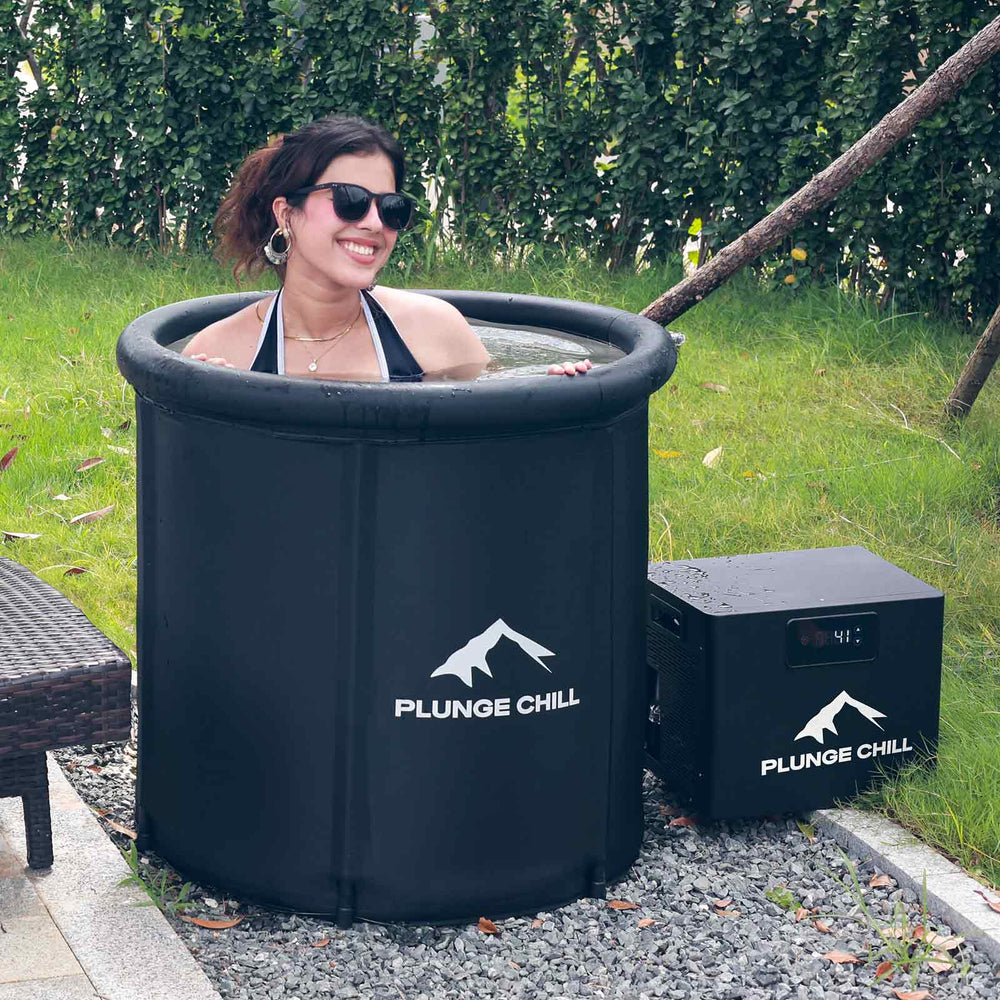
As a sports rehabilitation specialist and strength coach who reviews cold plunge products and programs for athletes, I’ve long been fascinated by how Icelanders train and thrive around cold water. Their rugged coastline, rivers, and variable weather create an outdoor laboratory for cold exposure. The question is not romantic folklore but physiology: what specific mechanisms, protocols, and risk controls allow people to function—and even flourish—when the water feels like ice and the wind stings the face. In this article, I translate high‑quality evidence into practical guidance for athletes, coaches, and health‑conscious readers seeking to understand or adopt cold water endurance techniques safely and effectively.
What “Cold Endurance” Really Means
Cold endurance is not just stoicism. In laboratory terms, it reflects how well the body maintains performance while skin cools and core temperature resists significant decline. Researchers often distinguish a “cold shell” state—cool skin with near‑neutral core temperature—from mild hypothermia, where core temperature is reduced by roughly 0.9–1.8°F before exercise. The difference matters. In controlled trials published in the Journal of Applied Physiology, beginning a hard effort with even mild core cooling impaired endurance capacity during a fixed‑intensity cycling test. The same theme appears in classic chamber studies comparing severe cold air to temperate conditions: aerobic capacity measured at peak was unchanged, but time to exhaustion at a submaximal workload fell substantially when air was frigid, despite similar heart rate and oxygen uptake early in the trial. In practice, this means that the body’s heat content—not just fitness—governs how long you can sustain work in the cold.
Cold endurance also depends on the integrated “heat debt,” which reflects whole‑body heat content across time as you produce heat and lose it to the environment. Heat debt links the clothing you wear, wind exposure, body composition, and metabolic heat production into one index of cold strain. Athletes who train in Iceland’s wind and cold water effectively learn to manage heat debt through gear, pacing, and exposure dosing.
Why Icelanders Adapt So Well: Environment Meets Habit
Iceland’s landscape naturally scaffolds cold endurance. Multi‑stage events like the Volcano Ultramarathon occur around average temperatures near 50°F with very long daylight, frequent river crossings, black sand beaches, and sudden weather shifts. That mix pushes athletes to practice cold entry, strategic warm‑ups, vigilant rewarming between stages, and careful gear selection for wind and water. The cultural emphasis on sport and community competition keeps those practices alive year‑round, so tolerance and technique are not just for the brave few. While elite outcomes always depend on individual physiology, that persistent exposure–practice loop builds cold literacy that generalizes beyond a single event.

What Cold Does to Performance: The Core Mechanisms
Cold is not one stressor—it’s several layered together. The immediate skin cooling triggers peripheral vasoconstriction, which shunts blood centrally and raises vascular resistance. That shift can reduce muscle perfusion and oxygenation and increase blood viscosity, tilting energy use toward higher cost and lowering the lactate threshold. If cooling deepens, neuromuscular function declines, maximal force drops, and movement velocity slows. These short‑term decrements are consistently documented in controlled studies and explain why even tough athletes can feel heavy‑legged and uncoordinated when they plunge in too fast or start a key effort already cooled.
Cardiovascular and autonomic responses evolve as exposure continues. Early cold spikes sympathetic drive and reduces heart rate variability. With repeated exposure and adequate recovery, autonomic balance often improves, an adaptation observed in cold‑acclimation reviews. Hemorheology adapts too. Observational work in habitual winter swimmers reports about an 8% reduction in blood viscosity along with lower fibrinogen and red cell aggregation. While such changes may support circulation and reduce cardiovascular load over time, they do not eliminate acute risk. In temperate climates, cold remains a contributor to excess winter mortality via cardiovascular pathways, and cold shock—gasping, hyperventilation, and abrupt heart‑rate changes—can precipitate arrhythmias, especially when facial immersion and breath‑holding overlap with cold entry.
Cold also acts on the respiratory system. In endurance sports that train in cold, dry air, exercise‑induced bronchoconstriction and airway irritation are common and correlate with training hours. Athletes who spend many sessions inhaling cold, dry air, or who swim in cold open water, should proactively protect the airway and involve a clinician if symptoms persist.
The Evidence, Summarized
Acute performance effects are straightforward. In one severe cold‑air vs temperate comparison, submaximal time to exhaustion decreased by 38% at frigid air temperatures even though peak aerobic capacity did not change. In a cool‑air exposure trial at roughly 43°F for 15 minutes in lightly clad participants, agility and vertical jump declined, while a short sprint remained unchanged. Those patterns mirror what many coaches see: cold narrows the performance margin for coordination‑heavy tasks and extended submaximal work unless thermal management is excellent. By contrast, long‑term acclimation shows a different picture: autonomic balance improves, endothelial function can adapt, resting hemodynamics may become more efficient, and mood or stress tolerance often stabilizes if the dosing is sensible and progressive.
A Practical Playbook for Cold Water Endurance
From a coaching and rehab standpoint, the recipe blends structured acclimation, tight risk management, and targeted gear. The goal is to build tolerance without borrowing too much from your training adaptations or health.
Begin with short, safe exposures that are uncomfortable but controllable. Excellent summaries for general use come from the Huberman Lab newsletter, which emphasizes starting at a temperature that feels uncomfortably cold yet safe and accumulating around 11 minutes per week across two to four sessions. Many people achieve the target stimulus at about 60°F, while others prefer closer to 45°F. Never hyperventilate before or during immersion. In early sessions, finish with cold and allow the body to reheat itself to train thermogenesis; if recovery from a hard session is your priority, it is reasonable to rewarm more actively.
Protect the face and hands in windy air. Cold sports guidance summarized in PubMed Central emphasizes that wind on facial skin accelerates discomfort and physiological responses. Cover cheeks, forehead, nose, and neck, especially when winds exceed roughly 11 mph and air temperatures hover near 14°F or below. Move deliberately in and out of the water. Cold shock peaks within about half a minute and adapts over a couple of minutes; use slow entry, calm breathing, and avoid breath‑holding with facial immersion to reduce arrhythmia risk.
Use longer warm‑ups on cold days. For field sessions, dynamic warm‑ups of roughly 10–15 minutes help reduce muscle and tendon strain and tighten neuromuscular control. If you plan to combine training and cold exposure, time the plunge to fit the goal. A short cold immersion immediately after lifting can reduce soreness and perceived fatigue, but repeated post‑lift immersions close to sets may blunt longer‑term strength and hypertrophy signaling. Both the Mayo Clinic Health System and the Huberman Lab newsletter recommend separating dedicated cold‑water immersions from heavy resistance training by several hours when muscle gain is a goal.
Plan transitions. After cold water, deep body temperature often continues to drop for a period—a phenomenon open‑water coaches call “afterdrop.” On cold, wet days, watch the window from swim to shore or swim to bike especially carefully. Expect diuresis and a temporary drop in plasma volume after immersion, which increases lightheadedness risk when you stand quickly or peel tight gear. Sit to remove wetsuits, rewarm deliberately, and check coordination before you start moving fast again.

What Icelanders Actually Do During Efforts
The best cold water endurance techniques used by Icelandic athletes and adventurous amateurs are not exotic rituals but reliable behaviors shaped by environment. In a multi‑stage race at about 50°F with river crossings, successful competitors keep their core warm before the start, protect hands and face from wind when they emerge soaked, and rewarm thoroughly between stages while staying mobile. They also practice cold entry repeatedly in training, so the first shock reaction is familiar and manageable. During swim legs or deep crossings, they keep hands and feet moving to disturb the insulating thermal boundary layer around the limbs, a simple trick that increases heat transfer and stimulus without lowering water temperature further at a given location. Finally, they choose when to chase metabolic stimulus and when to prioritize performance. It is common to perform metabolic‑focused cold sessions on easy days rather than immediately after the heaviest muscular work.

Cold Modality Comparison at a Glance
Modality |
Typical temperature window |
Typical exposure window |
Primary use case |
Source highlights |
Ice bath or plunge tub |
Uncomfortably cold yet safe; many tolerate roughly 45–60°F |
About 1–5 minutes per bout; total weekly time around 11 minutes in 2–4 sessions |
Metabolic stimulus, resilience, general recovery |
Huberman Lab newsletter; Mayo Clinic Health System |
Open‑water swim or immersion |
Many cold‑water events operate around 50–59°F |
Highly variable; build tolerance gradually and plan exits |
Endurance plus cold stimulus; technique under real conditions |
Physio‑pedia overview |
Whole‑body cryotherapy |
About −166°F to −220°F |
Around 2–3 minutes per session |
Brief systemic cold with minimal moisture |
PubMed Central review of cold sport practice |
Cold showers |
Cool to cold stream; individual tolerance based |
Brief daily or near‑daily bouts; minutes rather than tens of minutes |
Accessible entry point; habit formation |
Huberman Lab newsletter; KÜHL article summary |
Values reflect ranges and practice patterns reported in the cited sources rather than prescriptive “must do” targets. Athletes should scale sessions to tolerance and training phase.
Pros and Cons: A Balanced View
The upside of cold exposure is broad but nuanced. On the mental and autonomic side, cold reliably elevates alertness, increases catecholamines, and can produce a prolonged dopamine rise after certain exposures, supporting mood and focus. With progressive dosing, heart rate variability often improves, and endothelial function and autonomic balance adapt, which may help stress resilience. For recovery, short immersions after intense sessions often reduce soreness and perceived fatigue and can help restore next‑day readiness without materially altering endurance adaptations. Metabolically, finishing sessions cold and allowing the body to reheat on its own supports thermogenesis and brown fat activation.
The downsides are equally real. Start a key effort even slightly cooled and you risk shorter time to exhaustion and more lactate for the same workload. Severe cold air compared with temperate air reduces endurance duration despite unchanged aerobic capacity at peak. Cool exposure can acutely impair coordination‑heavy tasks such as agility and vertical jumping, even if short sprints are unaffected. Cold shock can provoke hyperventilation and arrhythmias, especially with breath‑holding and facial immersion. Cold remains a contributor to winter cardiovascular events, which means people with cardiovascular disease or risk factors need medical clearance and careful progression. Airway irritation, bronchoconstriction, and post‑immersion afterdrop round out the acute risks that must be managed. Finally, repeated post‑lift immersions within the same short window can blunt some long‑term strength and hypertrophy gains; the fix is simple scheduling.
Safety, Standards, and Risk Management
Guidance summarized in PubMed Central emphasizes that sport and exercise can be safe in most cold environments when you use a comprehensive risk management plan that includes hazard assessment, mitigation controls, and appropriate clothing and time limits. International federations operationalize this with clear thresholds. Cross‑country skiing events are often postponed or canceled below about −4°F after considering wind chill, exposure duration, and clothing. Soccer authorities have recommended postponement near about 5°F unless both teams agree to proceed. Face protection matters in cold wind; covering cheeks, forehead, nose, and neck reduces discomfort and helps maintain function when winds rise and air temperatures sit near 14°F or below. These sport standards are not meant to scare you; they are blueprints for keeping exposure inside a reasonable envelope.
How to Integrate Cold Without Sacrificing Gains
The integration step comes down to clarity of purpose and careful timing. If you are chasing metabolic benefits, choose exposures that feel distinctly uncomfortable yet remain safe and finish cold to allow natural rewarming. If your priority is muscular adaptation, keep heavy lift days clear of plunges for at least several hours, or move the plunge to non‑lifting days. For field and endurance work in cold air and water, extend warm‑ups, protect the airway when needed, and plan rewarming in transitions to prevent afterdrop. Across all goals, build from very short exposures and continuously monitor how you feel during and after each session. Cold tolerance and adaptation show high individual variability; the right dose is the one your body can repeatedly absorb.
Cold Plunge Product Care and Buying Tips
After testing and maintaining many setups in clinics and gyms, my advice is to match the product to your purpose and environment rather than chasing a single feature. Start by deciding whether you truly need active chilling year‑round or whether you can accomplish most goals with a seasonal tub and ice. If you do go with a dedicated plunge, look for stable, measurable temperature control, a clear maintenance plan, and a sanitation approach you can execute consistently. Systems with integrated filtration and established maintenance schedules simplify hygiene, especially in shared environments. Noise, footprint, and drainage all matter more than you expect on day one.
Budget dialog should be frank. The Mayo Clinic Health System notes that high‑end plunge tanks with added options can reach up to $20,000.00. Before spending at the top of the market, prove your habit with a lower‑cost setup and validate that cold fits your training plan. Regardless of price point, prioritize safe entry and exit, grippy surfaces, and a cover that children cannot easily open. Keep towels, warm clothing, and a plan for controlled rewarming within arm’s reach. Finally, align usage with your training goals. If hypertrophy or maximal strength is at the top of your list, do not routinely plunge immediately after lifting; schedule the cold for another part of the day or use it on lighter training days.

Definitions That Matter
Cold shell describes a state in which skin and extremities are cooled but core temperature remains near normal before you begin exercise. Mild hypothermia is a pre‑exercise core drop on the order of roughly 0.9–1.8°F. Heat debt is the cumulative change in whole‑body heat content across time, a helpful way to compare cold strain across individuals or conditions. Shivering thermogenesis is heat production via muscular activity when cold stress exceeds the capacity of non‑shivering mechanisms. Wind chill refers to the perceived temperature when air temperature and wind speed combine, which is why even moderate winds can make exposed skin freeze more quickly. These definitions show up repeatedly in research and practice and explain why wind protection, skin coverage, and pre‑start routines are non‑negotiable on cold days.
Short Evidence Guide for Coaches and Practitioners
When athletes start key work even slightly cooled, endurance at a fixed intensity suffers, as shown in cycling tests where mild core cooling reduced time to exhaustion. Severe cold air compared to temperate air has been shown to reduce endurance duration by more than a third, even though maximum aerobic capacity measured at peak was similar across conditions. Brief cool exposure around 43°F can impair agility and vertical jump without affecting short sprints in lightly clothed participants. Over months, however, winter swimmers have demonstrated lower blood viscosity alongside reduced fibrinogen and aggregation, suggesting favorable vascular adaptations to repeated cold. Autonomic measures such as heart rate variability commonly normalize or improve with acclimation. These patterns reconcile the paradox many observe in Iceland and other cold‑adapted regions: short efforts can feel worse after acute cold, but the long game belongs to athletes who respect the physics and dose the stimulus wisely.
Takeaway
Icelanders’ cold water endurance techniques are grounded in physiology, not bravado. The best performers manage heat debt, protect the face and airway, warm up longer, enter water deliberately, and rewarm strategically, all while placing cold in the right spot relative to their training goals. The science is clear that poor timing and overcooling degrade performance acutely, while progressive acclimation and disciplined risk management deliver resilience, recovery support, and cardiovascular and autonomic benefits over time. If you choose to adopt these practices, progress slowly, prioritize safety, and let your training goals dictate when and how you get cold.
FAQ
How cold should my plunge be to get benefits without overdoing it? The most practical target is an intensity that feels uncomfortably cold yet safe. Many people achieve that stimulus around 60°F, while others prefer closer to 45°F. Begin warmer and shorter, and increase gradually as tolerance builds.
Is it better to plunge before or after workouts? If your priority is strength or hypertrophy, avoid plunging immediately after lifting, as repeated post‑session immersions can blunt the signaling that drives long‑term gains. If recovery from a hard session is the priority, short immersions can reduce soreness and perceived fatigue. For endurance sessions, schedule cold away from the highest‑intensity work or rewarm thoroughly before doing anything that requires fine motor control.
How much total cold exposure makes sense each week? A practical starting point is about 11 minutes per week split into two to four sessions, with each session lasting one to five minutes. Track how you feel in the hours and days after and adjust the plan to your training phase.
Is open‑water immersion different from a plunge tub? Open water couples cold stimulus with current, wind, and variable exits. Many organized cold‑water events occur around 50–59°F, but conditions can shift quickly. Plan route and exit points, monitor wind, and rewarm deliberately to avoid afterdrop. A plunge tub provides reproducible temperatures and safer exits, making it better for precise dosing.
What are the main health risks I should screen for? Cold shock, arrhythmias, airway irritation or bronchoconstriction, afterdrop, and cardiovascular strain are the primary concerns. People with cardiovascular disease or risk factors should seek medical clearance. Never hyperventilate before or during immersion, protect the face and airway, and avoid breath‑holding with facial immersion.
What sources back these recommendations? Key findings come from the Journal of Applied Physiology, PubMed and PubMed Central reviews on sport in cold environments and cold acclimation, the Mayo Clinic Health System, the Huberman Lab newsletter, Great Vegan Athletes’ coverage of Icelandic ultra events, and Physio‑pedia overviews on cold exposure and performance. Links will be added in the references section.
References
- https://pubmed.ncbi.nlm.nih.gov/28700518/
- https://studyabroad.sit.edu/2025sfa-icc-overview/
- https://www.worldathletics.org/download/downloadnsa?filename=4d489429-14a7-4358-bbfd-ad17375306b4.pdf&urlslug=athletics-in-iceland-can-the-third-surge-last
- https://www.mayoclinichealthsystem.org/hometown-health/speaking-of-health/cold-plunge-after-workouts
- https://journals.physiology.org/doi/10.1152/japplphysiol.00663.2023
- https://www.worldweatherattribution.org/wp-content/uploads/Scientific-report-Iceland-Greenland-heat-2.pdf
- https://www.researchgate.net/publication/377690298_Exploring_the_benefits_of_cold_exposure_in_health_and_athletic_performance_-_review_of_articles
- https://www.news-medical.net/news/20250919/Cold-exposure-and-mental-fatigue-show-individual-effects-on-endurance-performance.aspx
- https://www.physio-pedia.com/Cold_Acclimation_and_the_Effect_on_Sport_Performance
- https://www.boxrox.com/crossfit-strongman-icelandic-athletes/