Cold plunges inspire strong opinions. As a sports rehabilitation specialist, strength coach, and cold plunge product reviewer, I hear daily testimonials from runners, lifters, grapplers, and weekend warriors about better sleep, fresher legs, or the unmistakable “post‑dip high.” This article translates those testimonials into practical guidance: how to interpret what people feel, where the science agrees or contradicts them, and how to buy, care for, and safely use an ice bath at home or in a facility. You’ll find definitions, pros and cons, overlooked insights that most guides gloss over, and clear protocols grounded in reputable sources, shaped by first‑hand coaching and product testing.
What People Actually Feel—and Why
Most testimonials describe two immediate sensations: muscles feel less “angry,” and the mind snaps into focus. Both experiences are physiologically plausible. Cold causes blood vessels to constrict, which can limit swelling and dampen pain signaling after hard exercise. When you get out, rewarming dilates vessels and boosts circulation, which may help clear metabolic byproducts that accumulate during training. At the same time, cold exposure activates the sympathetic nervous system, raising adrenaline and often improving alertness and perceived energy. Cleveland Clinic and Mayo Clinic Health System both echo these patterns, and GoodRx summarizes similar benefits while noting the mixed quality of some studies.
Athletes also report that ice baths “work best when my legs are cooked.” That matches evidence suggesting the most consistent benefit is reduced perceived soreness and better readiness after heavy endurance or tournament loads. For strength and hypertrophy blocks, the story is more complicated and deserves careful timing—covered below.

Definitions That Keep Testimonials Honest
In practice conversations and product reviews, clarity on terms helps separate signal from noise:
Cold‑water immersion (CWI): Partial or full‑body submersion in cold water for a brief period to reduce post‑exercise soreness and support recovery.
Delayed onset muscle soreness (DOMS): Muscle tenderness and stiffness that typically peaks 12 to 72 hours after unfamiliar or intense training. DOMS reflects microtrauma and inflammatory signaling that help drive adaptation.
Contrast water therapy: Alternating hot and cold exposures in a structured sequence for circulatory and perceived recovery effects.
These definitions anchor claims and make it easier to compare protocols against what people say “worked” for them.

How Cold, How Long, How Often: What Testimonials Say vs What Data Support
Users frequently say “colder is better,” but studies and clinical guidance suggest an optimal zone where the water is cold enough to trigger benefits without unnecessary risk. Synthesis of reputable sources shows a broadly convergent center with meaningful disagreements at the edges.
Source (publisher) |
Temperature target |
Typical duration |
Frequency/notes |
Cleveland Clinic |
Beginners around 50–59°F; experienced often 39–50°F; avoid below ~40°F |
About 3 minutes; cap around 5 minutes |
Sauna rewarm optional; listen to body; major contraindications apply |
Runner’s World (survey, Sports Sciences for Health) |
48–59°F guideline |
10–15 minutes recommended; most users actually did 2–5 minutes below 48°F |
Large compliance gap; protocol details matter |
Mayo Clinic Health System |
About 50°F or colder |
Start 30–60 seconds; build to 5–10 minutes |
Daily is possible, but daily plunges immediately after training may compromise long‑term strength gains |
Ohio State University (Health) |
Often 50–59°F |
10–20 minutes cited in recovery context |
Ice baths may reduce strength and hypertrophy gains; better suited to endurance recovery |
Brand guides (Ice Barrel, Pod Company, Coldture) |
Commonly 50–59°F for recovery; 60–68°F often pitched for mental effects; experienced users sometimes go colder |
2–10 minutes typical; some mention up to 15 minutes max |
Emphasize gradual acclimation, insulation, and chiller control |
The range above explains why testimonials vary. If your goal is soreness relief after long runs, the 50–59°F band is widely recommended. If your goal is mood and mental clarity without stressing the system, 60–68°F, frequently cited by brand guides, can feel more sustainable yet still effective. At the coldest end, Cleveland Clinic notes that advanced users sometimes train in the upper 30s, but also cautions against dropping much below about 40°F.

Three Insights Hidden in Plain Sight
Many testimonials miss nuance that significantly changes outcomes.
First, warmer water can still deliver meaningful benefits depending on your goal. Mental clarity and stress regulation are often reported at 60–68°F, which brand guides describe as a comfortable on‑ramp while still offering autonomic benefits. This aligns with the repeated observation from Cleveland Clinic that “start warmer and go slow” works for beginners and that perceived recovery is a major driver of usefulness. If sharper mood, focus, and a consistent routine are your main objectives, you don’t need to chase near‑freezing water.
Second, most people go too cold for too little time, then wonder why results are inconsistent. A survey summarized by Runner’s World found a large gap between guidelines (48–59°F for 10–15 minutes) and actual use (often 2–5 minutes below 48°F). That mismatch likely explains many “mixed” testimonials: the water is so cold that you exit before achieving the targeted physiological dose. A waterproof thermometer and a clear time goal help close that gap.
Third, scheduling is as important as temperature. Multiple medical and sports sources, including Mayo Clinic Health System, Cleveland Clinic, and Ohio State, caution that frequent plunges right after lifting can blunt long‑term strength and muscle growth. In testimonials from strength athletes who still love cold exposure, the ones reporting steady gains generally schedule plunges away from hypertrophy sessions—either later that day or on off days. The likely mechanism is that cold attenuates temperature‑dependent pathways crucial for remodeling. If your primary goal is strength or size, let your resistance training do its work before you chill.
Where Evidence Supports Testimonials—and Where It Doesn’t
When users say ice baths reduce soreness and “I bounce back faster,” the literature is supportive on perceived recovery and soreness reduction. Cleveland Clinic highlights that some people get clear relief in the first 24–48 hours after hard efforts. GoodRx and Mayo Clinic Health System similarly note reductions in inflammation and soreness, with the important caveat that evidence quality varies across studies and protocols.
For performance and training adaptation, user reports are understandably mixed. A 2010 review on PubMed Central summarized small and heterogeneous studies: immediate performance can be impaired after cold exposure in certain test settings, and repeated use after resistance work may dampen hypertrophy signaling. Conversely, endurance contexts and congested competition schedules are where ice baths get their strongest testimonials and have good clinical rationale, including rapid core cooling in heat‑related stress (Cleveland Clinic) and next‑day readiness benefits (Mayo Clinic Health System).
One newer thread worth factoring into both testimonials and programming is combination therapy. A recent meta‑analysis in Life compared cold‑water immersion alone against CWI combined with another method. Both reduced soreness compared with controls, but combined therapy showed a larger reduction in DOMS and lowered C‑reactive protein, without meaningful changes in creatine kinase or explosive performance metrics. In plain English: if pain relief and perceived recovery are your main targets, pairing a properly dosed plunge with another recovery tool may feel better than cold alone.
Reconciling Conflicting Advice
You will notice disagreements across sources on temperature and time. Cleveland Clinic emphasizes starting around 50–59°F for a few minutes and warns against going too cold; Runner’s World‑summarized survey encourages 10–15 minutes within a similar temperature band; OSU cites 10–20 minutes while flagging strength‑adaptation risks; brand guides often broaden to 60–68°F for mental benefits and sometimes advocate longer sessions. Conflicts likely stem from different aims (pain relief versus training adaptation versus mental benefits), different populations (novices versus well‑trained athletes), and varying methodologies (self‑report surveys, small lab studies, or brand guidance). Practical interpretation: pick the protocol that fits your aim, verify dose with a thermometer and timer, and reassess based on how you feel and perform.

Safety First: What Seasoned Users Agree On
Across testimonials, the most helpful routines keep it simple and safe. Don’t plunge alone if you are new. Avoid alcohol before sessions. Enter slowly. Exit earlier than planned if you feel lightheaded, numb, or start shivering uncontrollably. Rewarm gradually with dry clothing and light movement rather than immediately scalding showers.
People with known cardiovascular disease, uncontrolled high blood pressure, diabetes, peripheral neuropathy, venous problems, cold agglutinin disease, or significant cold sensitivity should consult a clinician before dipping. Both Cleveland Clinic and GoodRx emphasize this screen. Outdoor plunges add environmental risk; Mayo Clinic Health System explicitly warns against cold rivers or currents and recommends having warm clothing ready nearby.
A Practical Template I Use With Athletes
For soreness relief after endurance or repeated efforts, I program water around 50–59°F, entering for a very manageable few minutes to start, then building to a total of 5–10 minutes as tolerance allows. If mood and stress regulation are the goal, I often hold the water warmer at 60–68°F. With strength athletes, I avoid routine plunges immediately after lifting. If they want the mental edge or sleep support, we schedule cold at least several hours later or on rest days, balancing the perceived benefits against potential interference with remodeling. Cleveland Clinic’s “start warmer and go slow” and Mayo Clinic Health System’s warning about daily post‑training use both harmonize with this approach.
In all cases, I insist on a waterproof thermometer. Testimonials commonly overestimate how cold the water actually is and underestimate time. A small clock next to the tub prevents guesswork and explains why a routine suddenly becomes consistent.
Product Notes From the Field: Tubs, Chillers, and DIY
Most testimonials about “loving the cold” turn into complaints about “chasing ice” or “the tub warming up” within a few weeks. Equipment choices often make or break consistency.
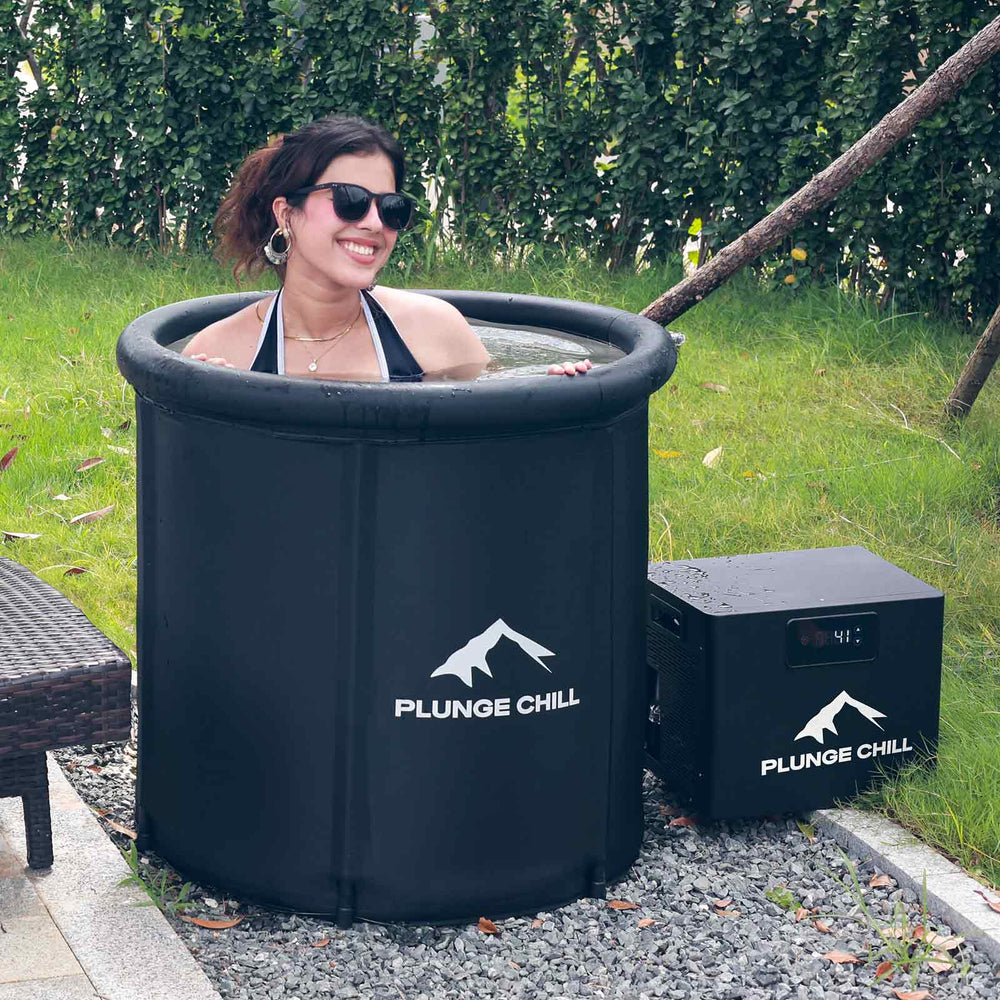
A portable insulated tub with a dedicated chiller stabilizes the experience. Brand guides, including Pod Company and Ice Barrel, point out that chillers hold a setpoint and often circulate water for even temperatures; some units also include filtration. In contrast, bathtubs or stock tanks rely on ice and ambient conditions, so you end up checking temperatures constantly and adding ice unpredictably. Coldture and Pod Company emphasize placement in shade to reduce heat gain—this simple step features in many happy owner testimonials because it extends temperature stability.
If you do go DIY, GoodRx’s at‑home guidance pairs well with practical “ice math.” Coldture suggests an ice‑to‑water ratio around 1:3; translated, that is roughly 6–7 lb of ice per about 4 gallons of water for an initial cooldown. Verify with a thermometer in your actual tub, since starting water temperature, season, and ice size change the result; adjust in small increments until you hit your target.
Capacity matters for setup time and ice cost. One common upright barrel is listed around 105 gallons; filling three‑quarters and adding one or two bags of crushed ice is a frequently cited pattern in brand training guides. If you’ll use the plunge several times a week, a chiller amortizes quickly versus buying ice, and your testimonials are more likely to shift from “I tried it a few times” to “It’s part of my routine.”

Care and Placement Tips That Keep Water Cold and Clean
Water stays colder and cleaner when the tub is out of direct sun, covered when not in use, and insulated. Ice Barrel’s educational materials highlight lids and UV covers; brand guides also note that larger ice blocks melt slower, though chillers remove most of the guesswork. Put the tub on a flat, non‑slip surface with a drain route you can manage. Keep a towel, warm layers, and a hot beverage within arm’s reach before you get in; testimonials consistently praise how much this small bit of staging improves comfort and safety.
Contrast Therapy and Combination Approaches
Combining hot and cold shows up in many positive testimonials. The PubMed Central review describes typical contrast ratios with hot periods several times longer than cold, while facility protocols often finish on cold. Life’s meta‑analysis suggests combined methods may relieve soreness more than CWI alone and lower inflammatory markers like C‑reactive protein. Mechanisms remain under study, and not every outcome shifts the same way; explosive power and muscle damage markers were mostly unchanged. For athletes with stacked schedules, a sauna plus plunge routine can be a practical way to feel better without assuming it will boost peak output.
Regional and Method Differences Behind Conflicting Testimonials
Part of the testimonial variance is geographic and seasonal. Water drawn in winter basements in colder states may sit near the bottom of the recommended range without ice; summer garages may struggle to hold target temperatures without a chiller. Another driver is measurement: people rarely used thermometers in the Runner’s World survey cohort, which explains why the most common practice drifted to too‑cold, too‑brief dips. Finally, studies often use standardized protocols in lab conditions; real‑world users vary time, temperature, and depth. Expect some mismatch—and plan around it with measurement and intent.
A Note on Extreme Cold Claims
Some marketing or anecdotal reports advocate very cold exposures near freezing for short bursts. Brass Monkey’s guidance translates to very brief sessions as the water approaches 32–34°F. This is an advanced niche and sits outside medical guidance that recommends avoiding water much below about 40°F. If you see testimonials celebrating ultra‑cold dips, interpret them through experience level, supervision, and clear time control. For most people, the 50–59°F band balances efficacy and safety better.
Takeaway
Testimonials about ice baths are most believable when they align with a clear aim and a measured protocol. For soreness relief and next‑day readiness, especially after endurance or congested competition, 50–59°F for a tolerable few minutes building toward 5–10 minutes is a practical center backed by clinical guidance. For mood, focus, and stress regulation, warmer exposures around 60–68°F can work well and are easier to sustain. If strength and muscle growth are priorities, avoid routine plunges immediately after lifting; schedule cold several hours later or on rest days. A thermometer, timer, shaded placement, and—if budget allows—a chiller are the quiet heroes behind the most consistent positive testimonials.
FAQ
Q: Do ice baths actually work, or is it placebo? A: For perceived soreness and next‑day readiness, evidence and clinical guidance align with many positive testimonials. Cleveland Clinic and Mayo Clinic Health System both report reduced inflammation and soreness after hard efforts. Objective performance benefits are mixed, and cold may blunt long‑term strength adaptations if mis‑timed. Setting a clear aim and measuring dose improves results.
Q: What temperature should I use if I am new to cold plunges? A: Start warmer and go slow. Around 60–68°F is a comfortable entry point for many people aiming for mental benefits, with 50–59°F a common target for recovery once you’re acclimated. Cleveland Clinic advises beginners to avoid extremes and not to drop much below about 40°F.
Q: How long should I stay in? A: Begin with short exposures you can tolerate—often a couple of minutes—and build gradually to the dose that matches your goal. Many clinical and coaching protocols converge around 3–10 minutes for recovery, with Runner’s World noting guidelines of 10–15 minutes within 48–59°F but also finding real‑world users often under‑dose time by going too cold. A timer prevents guesswork.
Q: Will post‑lift ice baths hurt my gains? A: They can, if used routinely right after strength sessions. Ohio State University and Mayo Clinic Health System point to potential blunting of strength and hypertrophy signaling. If you value cold exposure for mood or sleep, schedule it several hours after lifting or on rest days.
Q: Should I add a sauna or combine methods? A: Many users feel better with contrast or combination approaches. A recent meta‑analysis in Life found combined methods reduced soreness more than cold alone and lowered inflammatory markers, though muscle damage and explosive performance measures did not meaningfully change. Choose combinations that fit your recovery goals.
Q: Is a chiller worth it, or should I stick with ice? A: Testimonials become more consistent when water temperature is stable. A chiller maintains a setpoint and often includes filtration, reducing the need to “chase ice.” Brand guides note that, over time, chiller cost can offset repeated ice purchases. If you prefer DIY, place the tub in shade, cover it, and verify temperature with a thermometer before each session.
Sources Noted in This Review
Cleveland Clinic, Mayo Clinic Health System, Ohio State University Wexner Medical Center, Runner’s World (Sports Sciences for Health survey), PubMed Central review of post‑exercise cold immersion, Life (systematic review and meta‑analysis on CWI alone vs combined therapy), GoodRx, and brand technical guides from Ice Barrel, Coldture, and Pod Company. Where branded sources are cited, recommendations were cross‑checked against clinical guidance to minimize marketing bias.
Uncertainties and How to Verify
Some consumer guidelines propose an ice‑to‑water ratio of roughly 1:3 to reach target temperatures. Verify with a thermometer in your own setup because starting water temperature, ice size, ambient conditions, and tub volume strongly affect the result. A simple test run with staged ice additions will reveal your real‑world ratio.
Temperature and time recommendations diverge across sources, particularly around whether 3–5 minutes or 10–15 minutes is preferable within the 48–59°F band. Likely causes include different study aims, populations, and tolerance windows. Verify by linking dose to your specific goal for two to three weeks and tracking soreness and performance notes.
Reports of advanced users operating near freezing water for brief periods conflict with medical cautions to avoid water below about 40°F. Differences reflect experience level and risk tolerance. If you experiment, do so with supervision and conservative time caps, and prioritize the safer 50–59°F band for routine use.
References
- https://digitalcommons.cedarville.edu/cgi/viewcontent.cgi?filename=1&article=1539&context=research_scholarship_symposium&type=additional
- https://www.mcphs.edu/news/physical-therapist-explains-why-you-should-chill-out-on-ice-baths
- https://digitalcommons.pcom.edu/cgi/viewcontent.cgi?article=1556&context=pa_systematic_reviews
- https://ideaexchange.uakron.edu/cgi/viewcontent.cgi?article=3606&context=honors_research_projects
- https://digitalcommons.csp.edu/sport-management_masters/42/
- https://ui.adsabs.harvard.edu/abs/2025Life...15.1205M/abstract
- https://sncs-prod-external.mayo.edu/hometown-health/speaking-of-health/cold-plunge-after-workouts
- https://pmc.ncbi.nlm.nih.gov/articles/PMC2938508/
- https://health.osu.edu/wellness/exercise-and-nutrition/do-ice-baths-help-workout-recovery
- https://health.clevelandclinic.org/what-to-know-about-cold-plunges