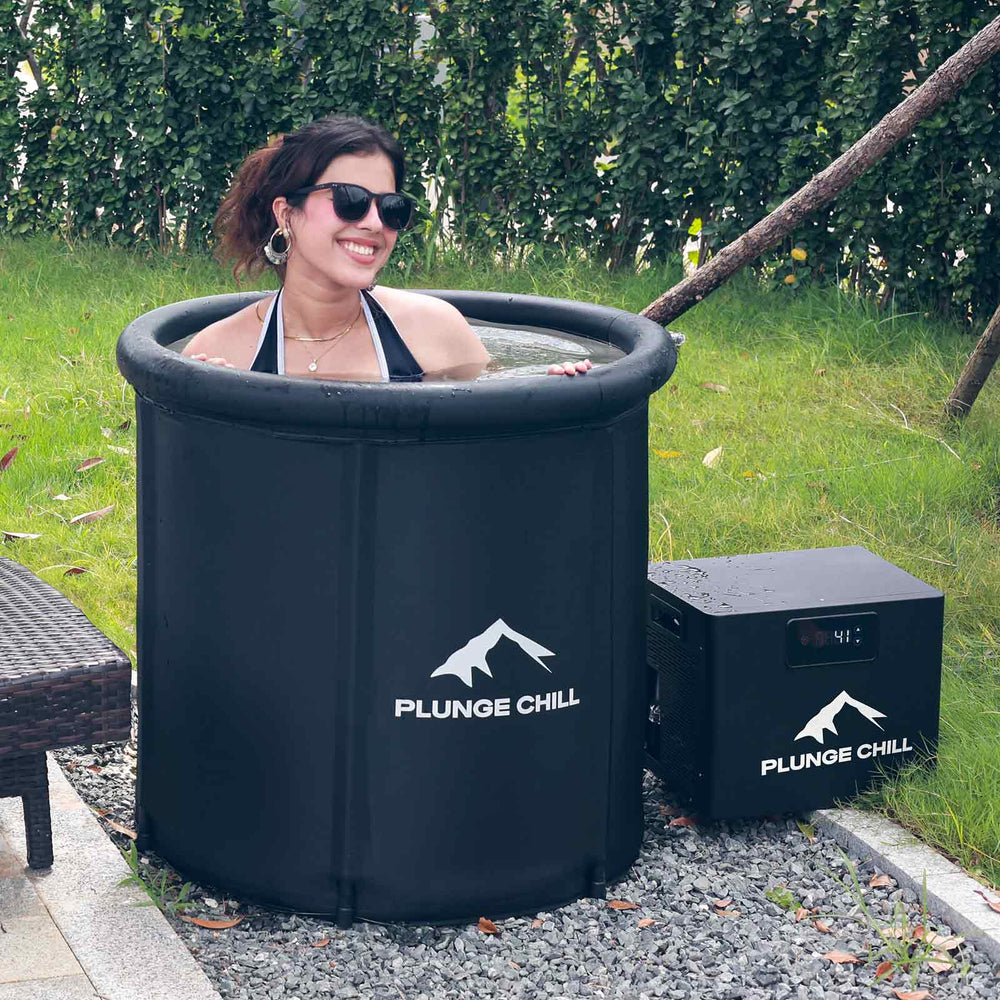
As a sports rehabilitation specialist and strength coach who also tests cold plunge products, I spend a lot of time balancing what feels good right now with what makes athletes fitter three months from now. For endurance athletes—the runners, cyclists, rowers, and triathletes who stack long miles and multi-interval days—ice baths can be a smart lever for short-term readiness. This article distills what the evidence says, how to apply it after cardio, when to avoid it, and what to look for when you’re buying or maintaining a plunge at home.
What An Ice Bath Is—and Why Endurance Athletes Use It
An ice bath is simply cold-water immersion: submerging most of the body in cold water, typically around 50–59°F, for a few minutes after training. The cold triggers rapid narrowing of blood vessels in the skin and superficial tissues; rewarming reverses the process. That cycle limits swelling, reduces aching, and may help flush byproducts while delivering oxygen-rich blood during the warm phase. Across endurance blocks, the goal is pragmatic: feel less beat up today so you can execute tomorrow’s session closer to plan.
In my practice, I prioritize cold immersion after the workouts that drive the most soreness and autonomic load: long runs with fast finishes, multi-rep VO2 blocks, long climbs on the bike, brick sessions, and competition days. For easy aerobic days and recovery runs, the body generally doesn’t need aggressive cooling; sleep, nutrition, and a gentle cooldown are usually sufficient.
How Ice Baths Work: The Physiology In Plain English
Cold induces vasoconstriction that reduces local blood flow, dampening acute inflammation and nociceptor firing. As you rewarm, vasodilation and muscle pumping resume and circulation increases. There is also a hydrostatic component that many guides overlook: immersion itself drives fluid from the periphery toward the central circulation, increasing cardiac preload and stroke volume even without extreme cold. That effect can help reduce muscle edema and may mimic some circulation benefits of active recovery without additional mechanical load (Journal of Emergencies, Trauma, and Shock).
Cold exposure also modulates the nervous system. Many users report calm focus shortly after a plunge. Small studies cited by Stanford Lifestyle Medicine show reductions in cortisol after sessions and increases in noradrenaline, which aligns with the mental “reset” athletes describe. Full-body immersion tends to drive a sympathetic spike followed by a settling effect as you acclimate; brief facial immersion can trigger a calming diving reflex via the trigeminal and vagus nerves, which some athletes use as a quick pre-competition composure drill.

Evidence Snapshot: What We Know for Endurance Recovery
The body of research on cold immersion is mixed. Clinical and sports medicine outlets such as Ohio State Wexner Medical Center and Mayo Clinic Health System agree on two broad points: ice baths can reduce soreness and help next-day performance after hard sessions; and frequent use immediately after lifting can blunt signals for strength and hypertrophy over the long term. That second point matters most to athletes with concurrent strength goals.
For pure endurance recovery, results are more favorable. A Sports Medicine meta-analysis summarized by Nike reported less soreness versus passive rest, and multiple applied-sport case series and camp studies show better maintenance of neuromuscular outputs across dense training blocks. A small cyclist crossover trial reported by Myomaster found a 10-minute immersion at about 41°F post-ride increased time-to-exhaustion versus rest; however, the sample was small, male-only, and short-term, so generalization is limited. Meanwhile, a 2017 study summarized by Healthline found no advantage over 10 minutes of low-intensity active recovery for soreness after resistance training, which underscores a theme: your comparator matters. If you normally finish cardio with an organized cooldown, cold immersion may add less. If you otherwise stop cold and sit, immersion can be a useful bridge.
A second nuance often missed is the difference between showers and immersion. Cold showers are convenient, but evidence reviewed by Science for Sport suggests they do not cool the core or muscle as uniformly or as quickly as head-out immersion at the same temperature, though they can still improve perceived recovery and heart-rate measures later in the hour. For days when logistics prevent a plunge, a shower is still better than nothing, especially for a psychological reset.
Finally, pre-cooling—cooling before endurance efforts in heat—has been reported by vendor sources to improve endurance performance meaningfully. One vendor review cites up to a 16% performance boost in hot conditions (iCoolsport).
When To Use An Ice Bath After Cardio
The sweet spot is after the cardio sessions that create substantial DOMS or that sit within congested schedules where you must be fresh again soon. In practical terms, that means long runs over race-pace portions, cumulative threshold or VO2 sessions, and multi-session days. Many clinicians and coaches cue immersion about 30–60 minutes after finishing to allow a brief natural cooldown and refueling window, with a total time in water of 5–15 minutes depending on tolerance and goals (Mayo Clinic Health System, Ivy Rehab, SportsMed Rockies).
Two timing caveats are worth noting. First, if you performed heavy strength work as part of your day, consider delaying cold immersion by 24–48 hours to avoid blunting hypertrophy signaling (Ohio State Wexner Medical Center, Mayo Clinic Health System). Second, if your cardio was relatively easy, skip the plunge and emphasize sleep, nutrition, hydration, and a short walk or spin. Recovery modalities are a garnish, not the main course.
Dosing That Works: Temperature, Time, and Frequency
In the lab and with the endurance groups I coach, most athletes benefit from keeping the water around 50–59°F. That range is cold enough to engage the physiological mechanisms while limiting hypothermia risk during 5–15 minutes of exposure. Beginners usually start near the warmer end and shorter durations. More acclimated athletes may prefer cooler starts or intermittent exposures, such as two shorter bouts separated by a brief exit, which some sport scientists recommend for larger athletes to drive deeper muscle cooling without excessive total time (Science for Sport).
Weekly frequency depends on your block. During maintenance or base phases, one or two post-cardio plunges per week are usually sufficient. During camp weeks, stage races, or marathon build peaks, more frequent use is reasonable, but the total count still needs to be balanced against any concurrent strength goals. A pragmatic weekly target popularized in endurance circles is about 11 minutes total cold exposure split into several short immersions; however, this is an operational rule of thumb rather than a hard physiological threshold.
Personalizing Protocols By Body Size, Fat, and Session Type
Cooling rate differs substantially by body mass, body fat, and body surface area. Smaller and leaner athletes cool faster; larger athletes with higher body fat cool more slowly and often require either slightly longer exposures or an intermittent approach to achieve similar muscle temperature drops (Science for Sport). Practically, that means a 120‑lb distance runner might achieve a robust effect in about 8–10 minutes at 55°F, whereas a 200‑lb cyclist may need about 10–12 minutes at a similar temperature or two shorter bouts, especially during high-load weeks.
Session type also matters. After long steady-state cardio, prioritize a consistent single immersion. After high-intensity intervals, an initial short immersion can calm the nervous system, and a second brief bout later that day can supplement rewarming and recovery if soreness rises, provided you are not compressing a strength session within the same 24-hour window.
Safety, Contraindications, and Smart Habits
Cold-water immersion is uncomfortable by design, but it must remain safe. Hypothermia can develop quickly in water colder than you expect, and the first moments of immersion can trigger a cold-shock gasp, rapid breathing, and a blood pressure spike. Major medical sources advise keeping sessions short, having another person present early on, and avoiding cold lakes or rivers with currents or under-ice hazards when seeking recovery benefits (Harvard Health; Mayo Clinic Health System).
People with cardiovascular disease, uncontrolled high blood pressure, diabetes with neuropathy, or known cold sensitivity disorders should talk with a clinician before plunging (Ohio State Wexner Medical Center; Ivy Rehab). Everyone should exit immediately if dizziness, intense numbness, or unusual pain develops. Rewarm gradually with a towel, dry clothing, and a warm drink; avoid jumping straight into very hot water because the sudden pressure change can be uncomfortable.
Does Cold Blunt Adaptation? What Endurance Athletes Need To Know
Repeatedly applying cold immediately after lifting reduces the signals that drive muscle growth and strength over time, as reported by the Journal of Physiology and summarized by Ohio State Wexner Medical Center and Mayo Clinic Health System. For endurance athletes, the situation is more nuanced. Those same medical sources note that endurance adaptations do not appear to be impaired to the same degree, and many in-season endurance programs successfully use cold immersion to manage day-to-day outputs during heavy blocks. The most practical compromise is simple: keep ice baths away from strength-priority days by a full day or two, and use them after heavy cardio days when next-day readiness is the priority.
Where sources disagree—such as whether soreness reduction from cold is superior to an organized low-intensity cooldown—the differences often trace to study design. Trials that compare cold immersion to passive rest tend to favor immersion for soreness; trials that compare to active recovery often show similar results, because light movement itself restores circulation and clears metabolites. Temperature, water depth, exposure time, athlete training status, and environmental heat also differ across studies and can explain some conflicting results.
Active Recovery Versus Ice Baths After Cardio
If you already complete a structured 10-minute cooldown at very low intensity, the incremental benefit of an ice bath may be modest for soreness alone (Healthline). If you skip cooldowns due to time or space, immersion can stand in as a circulatory nudge while adding analgesia and a useful mental reset. I often combine them: five to ten minutes of easy spin or walking to start lactate clearance, followed by five to ten minutes at about 55°F if a hard cardio session warrants it. This hybrid approach preserves many benefits attributed to each strategy without needing to choose one at the expense of the other.

Practical Plans You Can Use This Week
For a marathoner closing a 20‑mile long run with a race-pace segment, the session taxes musculoskeletal tissues and autonomic balance. After refueling, aim for 8–12 minutes at roughly 55°F later the same hour. Expect reduced calf and quadriceps soreness and a settling effect that supports sleep. Keep strength work at least a day away.
For a cyclist finishing back-to-back interval days in heat, start with a normal cooldown. Later that hour, use a 6–8 minute immersion at 54–57°F to manage soreness and core temperature afterheat. If the next morning includes more intensity, a brief 4–6 minute top-up can help perceived readiness, but keep exposures short and avoid stacking them after any gym session.
For an Olympian in a congested competition schedule, the priority shifts to preserving neuromuscular outputs across days. Many teams use concise immersions at about 50–55°F in the 5–10 minute range, sometimes split into two short bouts, to sustain outputs without overcooling. They then limit or skip cold on days when high-load lifting is planned to protect adaptation.
Cold Showers, Facial Dunks, and Contrast: Where They Fit
Cold showers are accessible and quick. They do not cool muscle as effectively as immersion, but they are valuable on busy days for a short burst of alertness and perceived recovery, and they can reduce heart rate later in the hour (Science for Sport). Brief facial immersion in cold water can be used before stressful starts to cue a calming diving reflex and controlled breathing (Stanford Lifestyle Medicine). Contrast therapy—alternating warm and cold—has a long history in sport and may be particularly helpful for athletes who find full cold immersion difficult; as with all modalities, the dose and timing relative to strength work should be chosen with long-term goals in mind.

Buying a Cold Plunge: What To Look For and How To Care For It
Endurance athletes use everything from stock tanks to purpose-built chillers. A basic, unchilled tub is inexpensive upfront but demands more ice, more temperature drift, and more manual upkeep. A purpose-built chiller controls temperature precisely, filters and circulates water, and often includes insulation and ozone or UV sanitation; high-end units can cost as much as $20,000. The difference shows up in consistency: training becomes simpler when you can set 55°F and trust it.
Size and volume matter. A tub in the 70–100 gallon range reliably accommodates most adults; taller or broader athletes should test fit before purchase. Insulation quality, lid fit, and whether the unit runs on standard 120 V or requires 240 V determine both noise and operating cost. For shared living spaces, quieter compressors and a tight lid reduce nightly disturbance. If you travel, a portable soft-sided tub with a small chiller can be worthwhile, although chilling large volumes in hot garages is slow.
Water care is the hidden cost and the most common point of failure. Use a filter sized for your volume and clean it as directed. If your unit supports ozone or UV, you will need fewer chemicals. With clean athletes, a covered, filtered, and sanitized tub can keep water usable for several weeks; many home users swap water roughly monthly to keep odor and biofilm at bay, then scrub the shell with a non-abrasive cleanser. This replacement cadence comes from user practice and brand guidance rather than controlled studies.
Quick Comparison Of Options
Option |
Upfront Cost |
Operating Cost |
Water Care |
Who It Suits |
|
DIY tub with ice |
Manual, variable |
Low |
Moderate (ice) |
Manual, frequent changes |
Beginners, occasional use |
Purpose-built chiller + tub |
Precise, programmable |
Medium to high |
Lower per use |
Filtration + ozone/UV |
Regular users, teams |
Gym or plunge center |
Professional control |
Session fee |
None at home |
Staff managed |
Try-before-you-buy, travel blocks |
Care Routines That Keep You Healthy
In rotating squads of runners and cyclists, I require a quick rinse before entry, a lid-on policy when not in use, and a thermometer check every session. Athletes wear sandals to the tub to keep dirt out and step onto a dedicated mat when exiting. After immersion, they rewarm gradually in dry layers and sip a warm drink. These are small details, but they compound into a safer and more pleasant cold routine.
Overlooked Insights You Can Use Right Away
Two practical points often go unmentioned. First, immersion’s hydrostatic pressure carries benefits even at moderate cold; if you dislike very cold water, you can still reap circulatory effects with slightly warmer immersions for short durations (Journal of Emergencies, Trauma, and Shock). Second, body size and fat meaningfully change cooling rate; matching protocol intensity to your body rather than copying a teammate’s time yields more consistent results (Science for Sport). A third point is timing relative to strength work: medical sources consistently warn about blunting hypertrophy; scheduling your cold away from gym days protects the adaptation you are building (Ohio State Wexner Medical Center; Mayo Clinic Health System).
FAQ
Is an ice bath after a long run good or bad for my training adaptations?
For endurance adaptations, post-run cold does not appear to impair progress the way it can for strength and muscle growth, and it can reduce soreness and help you execute subsequent sessions. If you are also chasing hypertrophy, avoid cold immersion for a day or two after lifting to protect growth signaling (Journal of Physiology via Ohio State Wexner Medical Center; Mayo Clinic Health System).
What temperature and time should I actually use?
Most athletes do well at about 50–59°F for 5–15 minutes. Start warmer and shorter and build tolerance, aiming to exit feeling alert and refreshed rather than deeply chilled. Lower temperatures demand shorter durations to maintain safety (Ivy Rehab; SportsMed Rockies; Mayo Clinic Health System).
How soon after cardio should I plunge?
A practical window is about 30–60 minutes after training, which preserves a short cooldown, initial refueling, and then an immersion that targets soreness and autonomic reset. When time-crunched between back-to-back sessions, shorter immersions closer to the finish can still help perceived readiness.
Do cold showers do the same thing?
Cold showers are convenient and can improve perceived recovery and calm focus, but they do not cool the core and muscles as uniformly as immersion at the same temperature. They are a good fallback on busy days or when traveling (Science for Sport; Stanford Lifestyle Medicine).
Will ice baths help with fat loss?
Cold exposure increases energy spent on rewarming, and brown-fat activation is often discussed. Major medical sources describe this as promising but not proven for meaningful fat loss in trained athletes, so view any metabolic benefit as a side effect, not a primary goal (Ohio State Wexner Medical Center; Mayo Clinic Press).
Is pre-cooling before a hot race a good idea?
Cooling the body before long or hot events can delay overheating and may improve endurance performance in the heat. Vendor-reported gains up to 16% are encouraging but should be validated against peer-reviewed data.
Takeaway
For endurance athletes, ice baths are a tool—neither a cure-all nor a fad to dismiss. Use them after the hardest cardio sessions and during congested blocks to reduce soreness and protect next-day execution. Keep the water around 50–59°F, stay in for 5–15 minutes, and individualize by body size and training goals. Protect strength adaptations by keeping cold away from lifting days. Pair immersion with basics—sleep, fueling, hydration, and a short cooldown—and your recovery stack will work with your training rather than against it. When buying, prioritize precise temperature control, filtration, insulation, and a sanitation plan you will actually follow. Above all, choose a protocol that you can repeat safely across the season; consistency is the real performance enhancer.
References
Harvard Health (Toni Golen, MD); Mayo Clinic Health System; Mayo Clinic Press; Ohio State Wexner Medical Center; Stanford Lifestyle Medicine; Sports Medicine meta-analysis summarized by Nike; Runners World; Healthline; Journal of Emergencies, Trauma, and Shock; Science for Sport; Ivy Rehab; SportsMed Rockies; Youth Sport Nutrition; Myomaster; iCoolsport.
- https://case.edu/news/science-behind-ice-baths-and-polar-plunges-are-they-truly-beneficial
- https://www.health.harvard.edu/staying-healthy/can-ice-baths-improve-your-health
- https://lifestylemedicine.stanford.edu/jumping-into-the-ice-bath-trend-mental-health-benefits-of-cold-water-immersion/
- https://www.marquette.edu/innovation/documents/arora_ice_bath_recovery.pdf
- https://sncs-prod-external.mayo.edu/hometown-health/speaking-of-health/cold-plunge-after-workouts
- https://pmc.ncbi.nlm.nih.gov/articles/PMC2938508/
- https://health.osu.edu/wellness/exercise-and-nutrition/do-ice-baths-help-workout-recovery
- https://pdfs.semanticscholar.org/ac18/64a765042486f31bab4c8c335c1335fb2a63.pdf
- https://mcpress.mayoclinic.org/healthy-aging/the-science-behind-ice-baths-for-recovery/
- https://www.mayoclinichealthsystem.org/hometown-health/speaking-of-health/cold-plunge-after-workouts