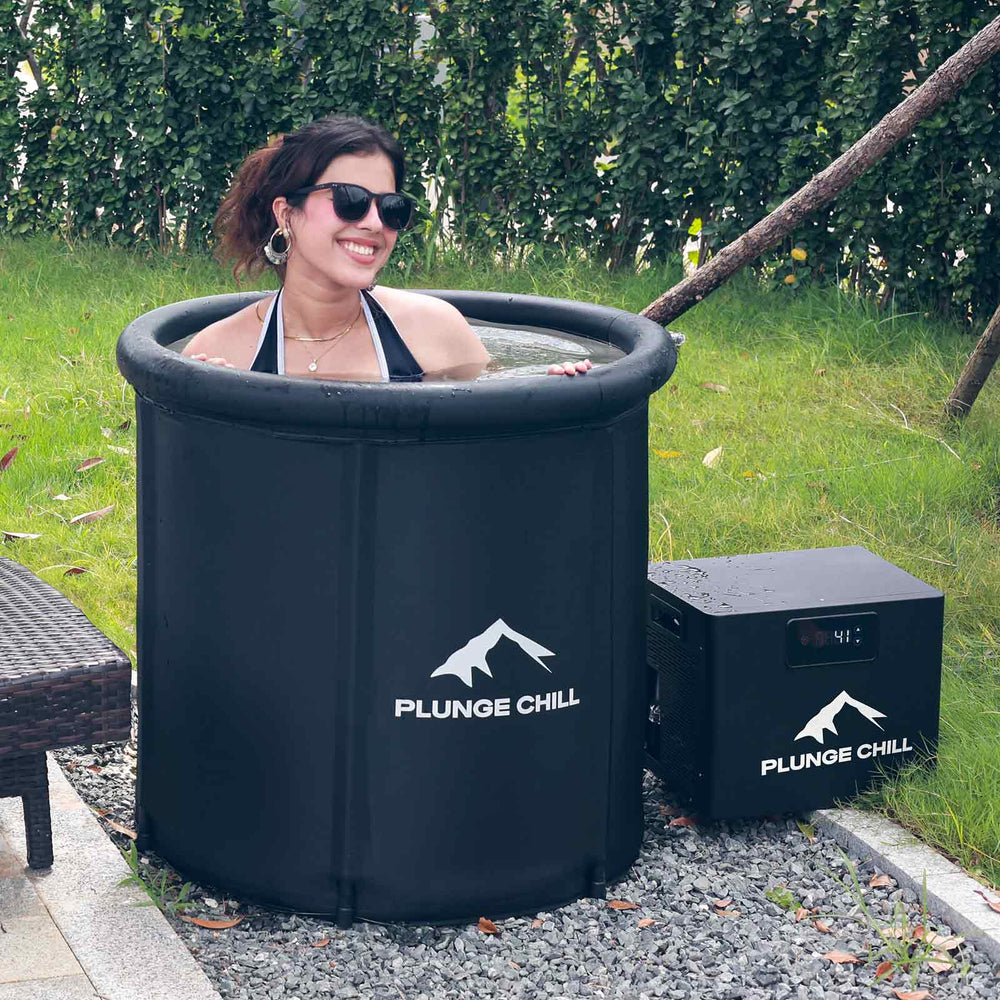
As a sports rehabilitation specialist and strength coach who also tests cold plunge products, I see the same pattern every marathon season: long-run fatigue accumulates fastest in the legs, and the limiting factor becomes recovery, not just fitness. Cold-water immersion—often called a cold plunge or ice bath—can help runners control that fatigue so they can stack quality miles. The key is matching the protocol to your training goal, your environment, and your physiology. Below, I synthesize what the best evidence shows, how to apply it after long runs, how to avoid common pitfalls, and what to look for if you are considering a cold plunge system at home or in a gym.
What an Ice Bath Does for a Runner’s Body
A cold plunge is a brief immersion in cold water, typically kept near 50–59°F, used to reduce post-exercise soreness and help speed perceived recovery. Cold triggers vasoconstriction that temporarily limits blood flow, slows nerve conduction, and can dull pain. When you exit the tub and rewarm, circulation increases, which many athletes experience as a flushing, light, restored feeling. These responses explain why cold immersion has been part of clinical and athletic toolkits for decades, even as protocols continue to evolve, and why runners finishing two- to three-hour weekend efforts gravitate to it. Cleveland Clinic, Ivy Rehab, and Breakthrough Physical Therapy all describe these mechanisms and the typical temperature and duration ranges.
There is a second, underappreciated mechanism that matters for runners. Water depth creates hydrostatic pressure, which shifts fluid from the limbs back to the central circulation and increases stroke volume and cardiac output without additional muscular work. In practical terms, immersion can behave like a form of passive “active recovery” by supporting venous return and reducing lower-leg congestion. This hydrostatic effect is a function of depth rather than temperature, which means even moderately cold or cool immersion can provide circulatory benefits. This concept is discussed in a physiology case review and summarized by Science for Sport.
Finally, runners often ask about delayed onset muscle soreness. DOMS typically peaks 12–72 hours after hard efforts and reflects microscopic muscle damage and the inflammatory repair process. Ohio State Health explains this time course well, and it aligns with the windows where athletes feel the most benefit from cold for subjective soreness control.
What the Evidence Says—and How It Applies to Long Runs
The last decade produced several systematic reviews and meta-analyses on cold-water immersion. Two findings consistently appear. First, cold immersion meaningfully reduces perceived muscle soreness for about one to three days after hard exercise. A large meta-analysis reported standardized pain reductions that were moderate by 24 to 72 hours, with the effect tapering by 96 hours. A second analysis found immediate reductions in soreness and perceived fatigue along with lower creatine kinase at 24 hours in some studies and lower lactate at 24–48 hours, but no reliable improvements in explosive performance and, in some trials, small immediate decrements in power or strength. Both syntheses note substantial variability between studies due to differences in water temperature, duration, immersion depth, timing, and the type of exercise performed.
Conflicting findings often come down to definitions and methodology. Lab-induced muscle damage does not always mirror an actual long run in the heat, where dehydration, thermal strain, and neuromuscular fatigue interact. Cross-over trials sometimes show larger effects than parallel trials, perhaps because participants’ expectations and within-subject comparisons amplify perceived differences. For runners, the practical translation is straightforward: use cold to feel less sore and more ready between sessions, but do not expect objective performance to improve immediately, and recognize that power output can be transiently impaired directly after cold immersion.
An additional line of work speaks to cardiovascular and psychological responses. A University of Oregon group reported that a single 15‑minute cold immersion reduced heart rate, blood pressure, and cortisol and produced better mood several hours later, with ultrasound evidence suggesting shifts in vascular shear stress patterns. While this was a small, acute study in healthy college students, it reinforces that cold immersion is not just about soreness; it also modulates systemic stress and perceived well-being, which matters for consistency across a marathon training plan.
A practical cooling angle also matters for runners. Cleveland Clinic emphasizes that cold immersion rapidly lowers elevated core temperature, a staple in sports medicine for heat stress. After long runs in high heat and humidity, using cold primarily as a cooling tool can improve comfort and safety, even if strength or power measures are not the target.

When to Use Cold After Running—and When to Skip It
For long-run recovery, cold immersion is most useful when the goal is to reduce soreness, cool a heat-stressed system, and enable consistent training during congested weeks. I recommend using it on days when the next 24–48 hours emphasize volume or moderate intensity rather than maximal power or heavy lifts. If you are chasing lower-body strength or hypertrophy, frequent immediate post-lift cold immersion can blunt some training adaptations across a season; this caveat appears across Cleveland Clinic, Mayo Clinic Press, and Mayo Clinic Health System summaries, and a pair of controlled studies from the Journal of Physiology and the Journal of Strength & Conditioning Research reported reduced long-term muscle mass and strength when cold followed resistance work. If building strength is the day’s priority, delay cold immersion by 24–48 hours to allow the cellular signaling that drives those adaptations.
An overlooked nuance for double-session days is that warm water immersion around 104°F may better preserve immediate jump power than cold around 59°F, according to preliminary findings presented through the American Physiological Society. If your next session within hours requires peak neuromuscular output, favor hot water or a neutral-temperature flush rather than cold, and reserve cold for later in the microcycle when soreness reduction takes precedence. Verify by checking for a peer-reviewed publication of the conference abstract and whether similar results appear in randomized trials in runners.

Protocols That Work for Runners
Evidence-based ranges converge around cold water between roughly 50–59°F for short bouts, with many trials showing benefits from 10 to 15 minutes. Some analyses rank 41–50°F for 10–15 minutes highly for soreness reduction and creatine kinase control, though tolerability can drop quickly below 50°F. Beginners can start warmer and shorter; seasoned runners can go cooler or longer within safe bounds. Cleveland Clinic cautions against going below about 40°F for most users, supports the 50–59°F “sweet spot” for beginners, and suggests keeping exposures brief.
The weekly dose concept is useful for programming. University of Utah Health notes that about 11 total minutes per week spread across two to three sessions has been associated with robust physiological signaling in cold-habituated swimmers. Runners World references a similar guideline from Dr. Susanna Søberg. That weekly target pairs well with a long-run day plus a midweek workout in many half-marathon and marathon plans.
Here is a concise comparison table you can use to align protocols with common runner goals. Temperatures are in Fahrenheit and rounded for practical use, and the notes reference the evidence sources noted above.
|
Goal after a long run |
Water temperature |
Time in water |
When to do it |
Practical notes and evidence |
|
Reduce soreness for next-day aerobic mileage |
50–59°F |
10–15 minutes |
Within 1 hour post-run or later that day |
Consistent soreness reductions at 24–72 hours in meta-analyses; expect no immediate performance boost; Cleveland Clinic, Science for Sport, meta-analyses. |
|
Cool a heat-stressed system |
50–59°F |
5–10 minutes |
Immediately post-run when safe |
Prioritize cooling and rehydration; short bouts are often sufficient for comfort; Cleveland Clinic; adjust total weekly dose accordingly. |
|
Maintain power for same‑day second session |
Avoid cold; consider 98–104°F |
10–15 minutes |
Between sessions |
Hot water may better preserve immediate power than cold; preliminary evidence via American Physiological Society; use caution and verify. Verify with published athlete data beyond conference proceedings. |
|
Blunt soreness in heavy weeks without overcooling |
55–60°F |
8–12 minutes |
1–2 times per week |
Balances comfort with hydrostatic benefit; depth matters for fluid shifts; Science for Sport and physiology review on hydrostatic effects. |
|
Post-lift days focused on strength gain |
Skip or delay cold |
— |
24–48 hours after lifting |
Immediate cold can dampen hypertrophy/strength adaptations; Cleveland Clinic, Mayo Clinic Press, Ohio State Health; consider warm or neutral baths instead. |
If you do not have access to a plunge, a cold shower is a practical substitute. Immersion is more uniform and often more effective, but showers provide some of the same benefits and are acceptable when a tub is not available according to Ohio State Health.
A Step-by-Step Post–Long-Run Routine I Use With Runners
After a two-hour long run, prepare your tub at about 50–59°F and set a timer for an initial three to five minutes. Have dry clothes and a warm beverage ready. Enter slowly to the waist or chest and focus on long, steady exhales to control the initial cold shock rather than shallow hyperventilation. Once comfortable, extend to a total of 10–15 minutes if the day’s goal is soreness control. Exit cautiously, dry off, and rewarm passively with light movement and warm clothing rather than jumping straight into very hot water if you feel lightheaded. If the long run occurred in hot, humid conditions and your main need is cooling, stop at the shorter end of the timespan. If you feel numbness, dizziness, chest pain, confusion, or cannot control your breathing, end the session and rewarm; shivering is acceptable, but safety is nonnegotiable. These practical guardrails echo guidance from Cleveland Clinic and Breakthrough Physical Therapy.
Pros and Cons for Runners
The primary advantage of cold immersion for runners is predictable relief from soreness in the one to three days after a demanding run. This helps you sustain mileage and quality, particularly in peak weeks. Cold also provides a fast, reliable way to cool a heat-stressed system after long outdoor efforts. The mood and alertness boost that many athletes report a few hours later is a secondary advantage on busy training days and aligns with findings on reduced cortisol and improved well-being after a single immersion in university research.
The trade-offs are equally clear. Objective performance metrics like jump height or sprint times rarely improve immediately and may transiently decline after cold immersion. There is also a risk of blunting some strength and hypertrophy adaptations if cold is used immediately after lower-body resistance training repeatedly across a season. Finally, cold immersion places acute stress on the cardiovascular system and can cause gasping and hyperventilation; this requires respect for contraindications and careful rewarming.
Safety, Contraindications, and Rewarming
Cold plunging is not for everyone. Individuals with cardiovascular disease, uncontrolled hypertension, diabetes with neuropathy, poor circulation, Raynaud’s phenomenon, pregnancy, or open wounds should avoid cold immersion or seek medical clearance first. Cold shock can spike breathing and heart rate; the combination of dizziness and water is a drowning risk. Use a controlled environment, avoid plunging alone, and keep towels and warm clothes ready for a gradual rewarm. Beginners should start with warmer water and shorter exposures, then progress slowly if they tolerate it well. These cautions appear consistently across Cleveland Clinic, University Hospitals, Mayo Clinic Health System, and Breakthrough Physical Therapy guidance.

How I Program Cold for Marathoners
An effective template for many marathoners is to use a longer, controlled immersion on the long-run day and a shorter immersion after one quality midweek session, building toward about 11 minutes of total cold exposure per week during the bulk of the training cycle. During taper, I reduce frequency and use shorter immersions to favor fresh legs without courting the small immediate power reductions sometimes seen after cold. When athletes introduce heavy lifting blocks to address late-race durability, I route post-lift recovery toward light movement, nutrition, sleep hygiene, and sometimes warm water immersion, then reintroduce cold on endurance-focused days. University of Utah Health’s weekly dose concept and Runners World’s discussion of simple weekly targets dovetail well with this approach.
A second overlooked insight is that depth and duration, not only temperature, influence how “restored” the legs feel. The hydrostatic pressure effect from chest-depth water can produce a significant fluid shift and reduce lower-leg heaviness even when the water is on the warmer end of the cold range. For runners who dislike very cold water, a slightly warmer session at adequate depth often captures much of the circulatory benefit while preserving comfort. This is consistent with the hydrostatic pressure rationale highlighted by Science for Sport and the physiological review, and it explains why some runners report similar leg “lightness” after pools in the 55–60°F range with slightly longer immersions.
A third insight relates to heat and humidity. On scorching days, cold immersion is primarily a cooling and safety tool before it is a soreness tool. In these conditions I emphasize early, shorter immersions to drop core temperature, followed by careful rehydration and nutrition. Cleveland Clinic’s sports medicine guidance on cold immersion for heat stress supports this priority shift.

Buying Guide for Cold Plunge Tubs, Runner-Focused
The right setup depends on budget, space, and hygiene needs. A simple DIY tub with ice is the lowest upfront cost, but it requires buying and hauling ice, frequent water changes, and constant temperature monitoring. A dedicated cold plunge unit offers digital temperature control and clean, filtered water on demand, which matters if multiple household members or teammates will use it. Many commercial-grade units add sanitation, filtration, and integrated skimmers to keep water clear between sessions. Quality dedicated home tubs are commonly available at prices under $5,000. High‑end commercial tanks in gyms and clinics can run much higher and may cost up to $20,000 as noted by Mayo Clinic Health System. Brand marketing materials also highlight features such as rapid cooling and enhanced filtration; I have found these features matter most when usage is frequent or shared.
A practical comparison is below without brand endorsements.
|
Option |
Upfront cost |
Temperature control |
Filtration and sanitation |
Maintenance burden |
Best fit |
|
DIY tub with ice |
Lowest |
Manual, variable |
None built in |
High; frequent draining and cleaning |
Occasional solo use, lowest budget |
|
Portable chiller plus stock tank |
Moderate |
External chiller sets temperature |
Varies by kit; some include filters |
Moderate; periodic filter changes |
Runners who want repeatable temps without a full appliance |
|
Dedicated home cold plunge |
Typically under $5,000 |
Digital, precise |
Built-in filtration; often UV or ozone in some models |
Low to moderate; follow manufacturer schedule |
Households training several days per week |
|
Commercial gym unit |
Can reach $20,000 |
Digital, precise with fast pull‑down |
Integrated skimmer, robust filtration and sanitation |
Managed by facility staff |
Teams, clinics, high-traffic environments |
For hygiene, I favor systems with integrated filtration and sanitation for repeated use. My experience is that consistent filtration is the single biggest determinant of water clarity and odor over time. Verify by reviewing manufacturer maintenance manuals and water quality logs across different systems.

Care and Hygiene Basics
Hygiene makes or breaks the daily usability of a plunge. Have users shower or rinse before immersion, and keep a lid on tanks to reduce debris when not in use. Follow the manufacturer’s cleaning and filter replacement schedule, and do not improvise with chemicals that could irritate skin or damage components. If a system lacks filtration, plan more frequent full water changes. These are field practices I employ to keep units safe during busy training blocks. Verify by confirming the cleaning and chemical recommendations in the user guide for your specific tank.
Takeaway
For runners, cold plunges are a pragmatic tool for reducing soreness and improving perceived readiness after long runs, especially during hot-weather training or crowded weeks. The most runner-relevant evidence supports short immersions near 50–59°F for about 10–15 minutes to ease soreness in the next one to three days, while acknowledging that immediate performance is unlikely to improve and may temporarily dip. Use cold strategically on endurance-focused days, delay it after heavy strength sessions, and size your equipment and hygiene plan to your usage pattern. When applied thoughtfully, cold immersion helps you recover enough to keep stacking miles without sacrificing the adaptations you are training to build.
FAQ
Do ice baths actually help runners recover faster after long runs?
Cold immersion reliably reduces perceived soreness in the 24–72 hours after hard exercise and can make next-day aerobic running feel more manageable. Meta-analyses show modest to moderate reductions in soreness without consistent gains in objective performance measures immediately after immersion. This makes cold a good fit when the goal is comfort and consistency rather than immediate power.
How cold should the water be, and for how long?
For most runners, staying near 50–59°F for about 10–15 minutes provides a practical balance of benefit and tolerability. Beginners can start warmer and shorter. Some studies use colder water, but comfort and safety degrade quickly below 50°F. Cleveland Clinic outlines these ranges, and reviews of athletic protocols converge here.
Can ice baths hurt my strength gains from hill sprints or lifting?
Frequent immediate cold immersion after resistance or power-focused sessions can blunt long-term strength and hypertrophy adaptations. If you are prioritizing muscle growth or maximal neuromuscular gains, delay cold for 24–48 hours or choose warm or neutral-temperature recovery instead. This caution is emphasized by Cleveland Clinic, Mayo Clinic Press, and Ohio State Health and supported by controlled studies.
Are cold showers good enough if I do not have a tub?
Cold showers are an acceptable alternative when a tub is not available. Immersion tends to produce more uniform cooling and stronger hydrostatic effects, but showers still provide meaningful cold exposure and can help with perceived recovery according to Ohio State Health.
What if my long run was in extreme heat—should I change my approach?
On very hot days, treat cold immersion first as a cooling and safety tool. Shorter immersions near 50–59°F can lower core temperature and make rehydration and refueling more comfortable. Cleveland Clinic emphasizes the value of rapid cooling in sports medicine contexts. As always, rewarm gradually and monitor how you feel.
How many times per week should runners plunge?
A simple target that fits many training plans is about 11 total minutes of cold exposure per week across two to three sessions, drawn from observations summarized by University of Utah Health and echoed in Runners World coverage. Adjust frequency based on how your legs feel, your training density, and how you respond over several weeks.

References
- https://www.health.harvard.edu/heart-health/cold-plunges-healthy-or-harmful-for-your-heart
- https://digitalcommons.liberty.edu/cgi/viewcontent.cgi?article=8439&context=doctoral
- https://www.mcphs.edu/news/physical-therapist-explains-why-you-should-chill-out-on-ice-baths
- https://www.rutgers.edu/news/what-are-benefits-cold-plunge-trend
- https://commons.und.edu/cgi/viewcontent.cgi?article=1076&context=pas-grad-posters
- https://news.uoregon.edu/content/cold-plunging-might-help-heart-health-new-research-suggests
- https://sncs-prod-external.mayo.edu/hometown-health/speaking-of-health/cold-plunge-after-workouts
- https://pmc.ncbi.nlm.nih.gov/articles/PMC2938508/
- https://health.osu.edu/wellness/exercise-and-nutrition/do-ice-baths-help-workout-recovery
- https://healthcare.utah.edu/the-scope/mens-health/all/2024/04/171-cold-hard-facts-about-cold-plunging
Disclaimer
By reading this article, you acknowledge that you are responsible for your own health and safety.
The views and opinions expressed herein are based on the author's professional expertise (DPT, CSCS) and cited sources, but are not a guarantee of outcome. If you have a pre-existing health condition, are pregnant, or have any concerns about using cold water therapy, consult with your physician before starting any new regimen.
Reliance on any information provided in this article is solely at your own risk.
Always seek the advice of a qualified healthcare provider with any questions you may have regarding a medical condition, lifestyle changes, or the use of cold water immersion. Never disregard professional medical advice or delay in seeking it because of something you have read in this article.
The information provided in this blog post, "Cold Plunge for Runners: How Ice Baths Boost Recovery After Long Runs," is for informational and educational purposes only. It is not intended to be a substitute for professional medical advice, diagnosis, or treatment.
General Health Information & No Medical Advice