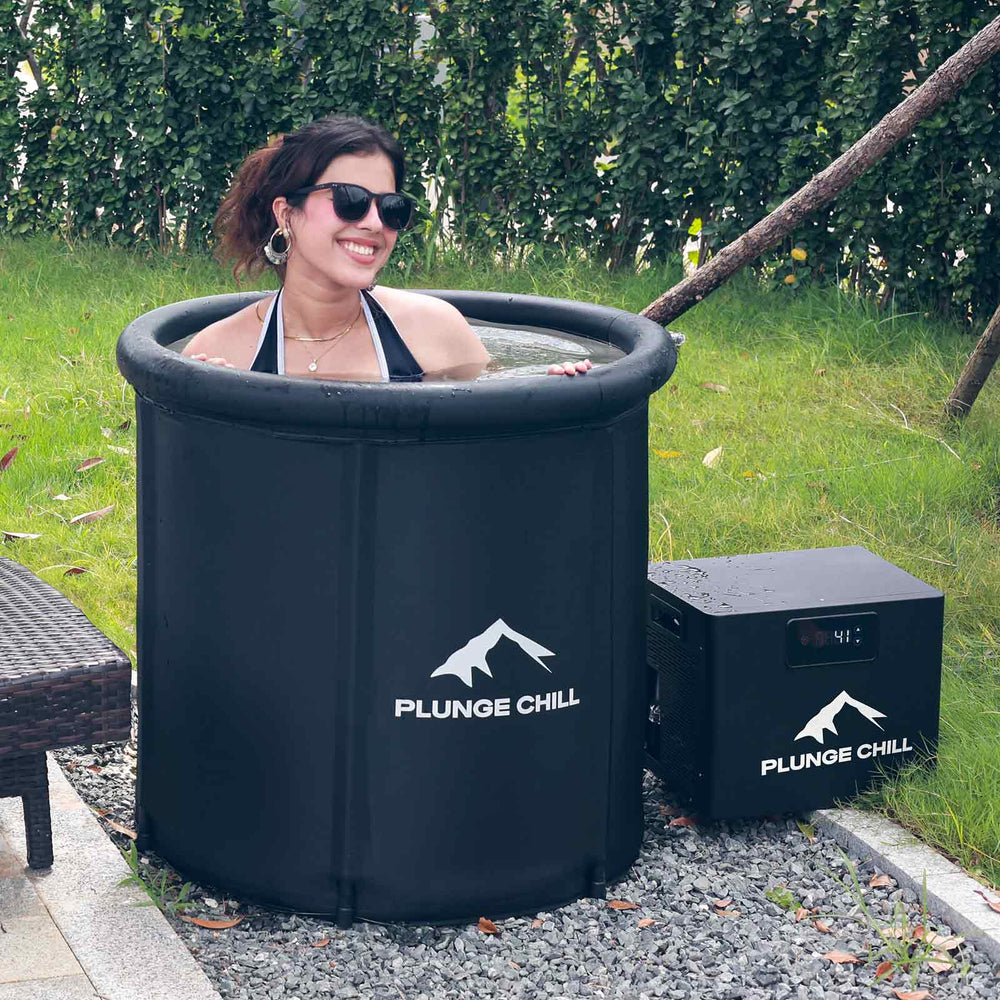
As a sports rehabilitation specialist, strength coach, and cold plunge product reviewer, I coach athletes on the full cold-immersion cycle, not just the minutes in the tub. The way you exit an ice bath is the most overlooked phase, yet it is where the body transitions abruptly from water-driven hemodynamics and deep vasoconstriction to the demands of gravity, locomotion, and rewarming. Done correctly, the exit is calm, controlled, and purposeful. Done carelessly, it invites dizziness, slips, and the kind of overcorrection that blunts training outcomes. This guide lays out a practical, evidence-aware approach centered on safe exit mechanics, risk control, and post-immersion rewarming that preserves the benefits of recovery work.
Why Exiting Matters More Than You Think
Head-out water immersion shifts blood centrally and raises cardiac output significantly. A sports medicine review on PubMed Central described preload increases during immersion that can boost cardiac output markedly while you are in the water. When you stand up to exit, that hydrostatic assist vanishes in a second, and blood redistributes toward the legs while peripheral vessels remain constricted from the cold. That combination—orthostatic stress plus ongoing vasoconstriction—can produce lightheadedness, a sense of tunnel vision, or a brief drop in blood pressure. The risk is highest in the first moments after you reach vertical.
Layer onto that the neuromuscular effects of cold exposure: numb feet, stiffened soft tissue, and delayed proprioception. The skin and superficial tissues are colder than the core, and your movement control is subtly altered. Athletes who feel confident in the water underestimate how much footing changes when they plant a numb foot on a wet surface. The right exit technique and setup prevent most mishaps and smooth the transition to rewarming.

Evidence Snapshot: What the Research Actually Shows
Cold-water immersion is widely used despite mixed and sometimes negative findings. A review on PubMed Central summarized typical practice as full or partial immersion in water around 54–59°F for 5–10 minutes, sometimes up to 20 minutes. Contrast water therapy alternates warm and cold bouts, commonly with a 3:1 or 4:1 warm-to-cold timing ratio using warm water near 98–109°F and cold near 54–59°F for 20–30 minutes total. Many teams finish on cold. High-quality trials remain scarce, and small randomized studies do not consistently show reductions in delayed-onset muscle soreness or superior performance recovery compared with control conditions. There is also evidence that post-exercise cooling may reduce acute power output and could blunt some long-term training adaptations that rely on heat stress and vasodilation.
It is worth parsing what outcomes these studies measure. Performance decrements observed immediately or shortly after cold immersion—such as reduced maximal cycling power and lower maximal heart rate—matter if you intend to compete or lift heavily after a plunge. Conversely, if your goal is subjective refreshment or easing perceived soreness, you may feel better even without objective gains. A practical middle ground is to treat cold immersion as a recovery adjunct and not as a pre-performance tool when peak power is needed right away.
A concise summary of practice ranges and evidence follows.
Parameter |
Typical practice |
Evidence and comments |
Cold-water immersion temperature |
54–59°F |
Common in elite practice; mixed outcomes in small trials; benefits not consistently superior to control conditions according to a PubMed Central review. |
Warm immersion (in contrast therapy) |
98–109°F |
Often alternated with cold in 3:1 or 4:1 ratios; finish on cold is common practice without definitive outcome superiority. |
Duration per cold bout |
About 1–5 minutes |
Bouts near 1 minute may be too short to meaningfully lower muscle temperature, which has implications for expectations and rewarming. Source: PubMed Central review. |
Total session duration |
5–10 minutes for cold immersion; up to 20 minutes; contrast sessions 20–30 minutes |
Twice-daily contrast sessions appear in practice reports; outcomes vary, and high-quality trials are limited. |
Immediate performance after cold |
Reduced maximal power and heart rate; reduced isometric strength after mild cold |
Documented in small studies summarized on PubMed Central; use caution if you need peak output shortly after immersion. |

The Safe-Exit Protocol I Teach Athletes
I treat the exit as a short, scripted routine that begins while you are still in the water. In practice, that routine starts with a time check. If you are using common ranges, you will have targeted a cold interval between roughly five and ten minutes for immersion, depending on overall training volume and tolerance, or shorter contrast cycles integrated into 20–30 minutes total. As the interval ends, I cue a final 10–20 seconds of steady nasal or paced breathing to reduce bracing and to stabilize your heart rate. Your hands find secure, fixed contact points—ideally a handrail or a rigid tub edge you have tested when dry. You slide forward to position your feet firmly, bringing knees under the hips before you change your height. That sequence prevents a sudden pull-out with a heavy upper-body lean that can unweight your feet and lead to slips.
The first move is a controlled rise to a sitting position on the tub edge. This brief pause, even for two or three breaths, allows your cardiovascular system to accommodate the loss of hydrostatic pressure. Only then do you stand, keeping some contact with the tub until both feet are planted on a stable, textured surface. I prefer a high-friction mat that covers the full landing zone. You stand slowly, eyes level, and pause once upright. If you feel a head rush, you bend slightly at the knees and exhale. You do not rush to walk away.
The very next priority is to dry the soles of your feet and hands to reduce slip risk further, then to layer a warm top. Footed slides or sandals with grip live at the mat’s edge so you do not step bare on smooth flooring. The first steps are short and deliberate. Within a minute, you transition to gentle movement like an easy walk. These details sound trivial on paper; they are not trivial to an athlete’s safety after the vasoconstriction and central fluid shifts of immersion. PubMed Central’s summary of immersion physiology explains why that slow, staged exit is so important.
Timing and Temperature Guidelines to Frame Your Exit
The exit sequence works best when it is framed by realistic expectations about time and temperature. If your cold water is around 54–59°F, a single continuous immersion of about five to ten minutes is common in team environments. Going past ten minutes increases cold stress without clear additional benefit for most athletes. When using contrast therapy, warm bouts around 98–109°F are typically three to four times the length of cold bouts, and total time lands near 20–30 minutes. Many protocols finish with cold; if you do, allow extra time to dress and move lightly before any demanding tasks. Small randomized findings suggest one-minute cold intervals are likely too brief to change muscle temperature meaningfully, which reinforces a focus on the overall recovery context rather than chasing an extra minute in the tub.

Special Situations and Red Flags
Not every sensation after cold immersion is benign. Case reports summarized on PubMed Central described limb pain episodes in a martial artist and a marathoner after immersion; clinical workups were largely normal aside from normal or slightly elevated muscle enzymes. If you experience focal limb pain, unusual swelling, dark urine, or persistent weakness after cold exposure, you should stop and seek medical evaluation. While such events are rare, the exit phase is the best time to assess how your limbs feel while you regain normal sensation. Tingling or mild burning as skin rewarms is common; focal deep muscle pain or progressive cramping is not.
Another red flag is chest discomfort or disproportionate breathlessness, especially if you have cardiovascular risk factors. Head-out immersion already loads the heart differently by shifting blood centrally; exiting abruptly piles on orthostatic stress. If you notice repeated dizziness on standing despite a careful exit, talk with a clinician, and consider reducing immersion duration or increasing water temperature slightly within the typical practice range.

Post-Exit Rewarming: What Works and What Doesn’t
After exiting safely, your next task is to rewarm in a way that supports the day’s training goal. From a physiology standpoint, rewarming is about reversing peripheral vasoconstriction, normalizing nerve conduction, and moving metabolites without blunting adaptive signals more than necessary. A steady cool-down and gentle movement perform well on those aims. Active recovery is known to lower blood lactate more effectively than complete rest, and contrast therapy sessions have shown faster decreases in lactate and heart rate during the session in small studies, as summarized on PubMed Central. Whether those changes translate to better performance or less soreness later is less certain, but as a practical matter, an easy walk, light pedaling, or dynamic mobility often feels better than sitting still.
Athletes frequently ask about jumping straight into a hot shower or sauna. Finishing on cold is a common practice, and many athletes prefer the alertness it leaves behind. I encourage a balanced approach: warm clothing, movement, and a gradual change in ambient temperature rather than an immediate high-heat blast. This makes sense given that cooling can impair power temporarily; if power is your next agenda, keep the cold-to-heat swing conservative and allow more time before maximal efforts. This is an inference grounded in the mixed evidence and the documented short-term performance decrements; A simple verification is to track your power or sprint metrics on days you use immediate high heat versus days you rewarm gradually.
A comparison of post-exit options and the rationale behind them can help you choose the right path for a given training day.
Post-exit option |
Rationale |
Evidence and notes |
Warm layers plus easy walking for five to ten minutes |
Gentle movement restores circulation and helps clear metabolites without abrupt vasodilation |
Active recovery lowers blood lactate; contrast sessions show faster heart rate and lactate decreases during therapy in small studies (PubMed Central). |
Warm beverage and indoor ambient warmth |
Adds comfort and supports gradual rewarming without overwhelming heat |
Pragmatic; not trial-tested for performance outcomes; aligns with a conservative rewarming philosophy. |
Immediate hot shower or sauna |
Rapid vasodilation and core warming |
May feel good; unknown effect on adaptations; consider delaying if peak power work is planned soon due to documented short-term performance costs after cold immersion (PubMed Central). |
Foam rolling or gentle massage after initial rewarming |
Tactile input and circulation without high intensity |
Fits within holistic recovery recommendations discussed in sports medicine reviews; tolerance varies. |
Equipment Setup, Care, and Buying Advice
Your exit safety is influenced more by physical setup than by mental toughness. The essentials are reliable handholds, a grippy landing zone, and a clear path from tub to warm space. In team facilities, I audit the exit area first: the mat should cover the entire landing area and remain stable on wet flooring; towels need to be within arm’s reach; and a bench or seat should be positioned to allow a sit-to-stand transition if dizziness occurs. Controls, such as the chiller unit’s display or your timer, should be accessible without leaning across the tub.
When evaluating cold plunge products for home or facility use, I prioritize stable ergonomics and straightforward maintenance. A tub with a textured floor and a rigid, non-flexing rim reduces exit wobble. I favor units with integrated or attachable handholds that position at about mid-torso height for most users, because that is where the leverage feels natural during the sit and stand phases. This is a practice-driven criterion from years of watching exits in different builds; The easiest verification is to test reach and stability while dry and again at the end of a cold session to confirm the handhold reduces sway.
Temperature control matters for consistency and safety. A chiller that maintains a steady 54–59°F is adequate for most cold immersion use without pushing into extremes; precise control helps you script the exit because you know how your body responds session to session. Filtration and sanitation are not glamorous, but they preserve skin integrity and reduce the need for harsh chemicals that can irritate cold-constricted skin. Simple, transparent maintenance—like filter access you can reach without tools and a drain you can operate without leaning over the tub—makes the exit safer because you are less likely to perform awkward movements around wet surfaces.
Care routines should match usage. If you immerse after outdoor sessions, add a quick rinse before entering the tub to reduce organic load and keep water clear. Dry the landing mat at the end of the day to prevent biofilm slickness. Keep a spare pair of grippy slides nearby. These small habits contribute to a safer exit and extend product lifespan.
A brief matrix of product features that support exit safety can inform your shopping.
Feature |
Why it matters for exit safety |
Textured floor and wide, rigid rim |
Prevents foot slip and provides a firm lever point for the sit-to-stand transition. |
Integrated or mountable handhold |
Offers secure contact during the controlled rise and first steps. |
Full-coverage high-friction landing mat |
Reduces slips where they are most likely to occur after numb-foot contact. |
Stable temperature control within 54–59°F |
Enables predictable response and reduces cold overshoot that might provoke urgency at exit. |
Accessible drain and filter |
Minimizes awkward leaning around wet surfaces; promotes water hygiene that preserves skin and soft tissue. |
Pros and Cons to Weigh as You Plan the Exit
Cold immersion can feel good and may help you perceive quicker recovery, particularly when combined with sound basics like sleep, nutrition, and a structured cooldown. Contrast sessions often feel more dynamic and can produce faster on-therapy changes in heart rate and lactate. On the other hand, research summarized on PubMed Central points to inconsistent benefits for soreness and performance markers in small trials, with clear short-term power decrements after cold exposure in some conditions. If your primary goal is strength or power development, frequent post-training cold sessions may not be ideal when adaptations rely on the heat and perfusion of the post-exercise period. A pragmatic solution is to shift cold immersion to lower-priority training days or farther from key sessions while keeping the exit process safe and methodical.
Two nuances deserve attention because they rarely appear in mainstream guides. First, the highest fall risk often occurs in the first thirty seconds after you stand, when hydrostatic unloading and leg blood pooling are both in play while your cutaneous vessels remain constricted; this is not commonly emphasized in lifestyle tutorials but follows from immersion hemodynamics described on PubMed Central. A useful verification step is to monitor for repeated lightheadedness upon standing and adjust the sit-to-stand pause accordingly. Second, if you are using very brief cold intervals near one minute in a contrast routine, realize that such short bouts likely do not drop muscle temperature much, so emphasizing whole-body rewarming and thoughtful scheduling may matter more than chasing extra seconds of cold to influence deep tissue. This inference is consistent with the note that one-minute cold exposures can be insufficient for temperature change; You can verify by comparing skin and, if available, muscle temperature readings across protocols.
Conflicting results in the literature likely stem from differences in water temperature, total time, timing relative to workouts, the athletic population studied, and whether outcomes were subjective (how you feel) versus objective (measured performance). It is unsurprising that protocols optimized for comfort or perceived recovery do not always align with protocols optimized for power retention. Clarifying your goal for each session sharpens how you plan your exit, your rewarming plan, and what you do next.

Putting It All Together: A Model Exit Flow
A model exit is unhurried and rehearsed. You end your cold interval or final contrast bout and take two or three calm breaths. Your hands locate secure points, feet slide forward under you, and you pivot to sit on the tub edge. After a brief pause to let your cardiovascular system catch up, you stand with contact maintained and plant your feet on a textured mat. You pause upright for a breath, dry your hands and soles, step into grippy slides, and pull on a warm layer. For the next few minutes, you walk or pedal lightly, then transition to whatever rewarming or cooldown strategy matches your next training block. If your plan calls for high-power work later, you delay it beyond the cold-induced performance dip window. If your plan is rest or skill rehearsal, you proceed with the feeling of clarity that many athletes value after finishing on cold.

Takeaway
Exiting an ice bath safely is a skill with clear steps and strong rationale. The body’s physiology during immersion and the immediate reversal at exit demand respect, and the research summarized on PubMed Central reminds us to stay cautious about overstating benefits. Use moderate temperatures around 54–59°F for most cold immersion, rehearse a controlled sit-to-stand exit with reliable handholds and a grippy landing surface, and favor gradual rewarming with light movement before you decide whether to add heat. Cold immersion can be a helpful adjunct in a holistic recovery plan; it becomes a liability only when the exit is rushed or when the session is misaligned with your training goals.
FAQ
How long should I stay in an ice bath before I exit?
Most athletes do well in the five to ten minute range around 54–59°F, which balances cold exposure with tolerability. Longer sessions add cold stress without clear additional benefit for most users. If you are using contrast therapy, total time often reaches 20–30 minutes due to warm bouts. These ranges reflect common practice summarized in sports medicine reviews on PubMed Central rather than definitive prescriptive evidence.
Is it better to finish on cold or warm before I get out?
Finishing on cold is common in contrast routines, and many athletes prefer the alertness it provides. Evidence favoring one finish over the other is limited. If you finish on cold, build in extra time for a gradual rewarm and avoid immediate max-effort work, as small studies show short-term decrements in power after cold exposure summarized on PubMed Central.
Why do I feel dizzy when I stand up to get out?
During immersion, hydrostatic pressure pushes blood centrally and increases cardiac output. Standing removes that assist instantly, while your vessels remain constricted from the cold, leading to a transient drop in blood pressure for some people. The fix is to sit on the tub edge first, stand gradually with a handhold, and pause once upright before walking away.
Should I take a hot shower right after an ice bath?
A hot shower can feel pleasant, but I suggest warm layers and light movement first. This approach respects the body’s transition from vasoconstriction to normal circulation without a sudden heat surge. If you plan high-power training soon, waiting longer before using high heat may be wiser because cold immersion can transiently reduce power output in the short term according to small studies on PubMed Central.
What should I look for in a cold plunge to make exit safer?
Prioritize a textured floor, a rigid rim, and a stable handhold you can comfortably grip during a sit-to-stand transition. Add a full-coverage high-friction mat where you step out and keep grippy slides at arm’s reach. Reliable temperature control in the 54–59°F range and accessible maintenance features support predictable sessions and safer exits.
What if I feel sharp limb pain or severe cramps after I get out?
Stop the session and monitor closely. Rare case reports described limb pain after immersion with otherwise unremarkable testing, summarized on PubMed Central. Focal deep pain, severe cramps, swelling, or dark urine warrant medical evaluation. Persistent dizziness or chest discomfort after exit should also prompt a clinical check.
By treating the exit like a trainable skill and by aligning your rewarming plan with your training goals, you can make cold immersion safer and more productive—without losing the mental clarity many athletes value when they finish on cold.
References
- https://ehs.ucr.edu/heat-illness
- https://safety.arizona.edu/news/heat-safety-tips
- https://safetytraining.fiu.edu/wp-content/uploads/SH-000147-SH4-FIU-Temperature-Extremes-Handouts-English.pdf
- https://pmc.ncbi.nlm.nih.gov/articles/PMC2938508/
- https://seagrant.umn.edu/programs/recreation-and-water-safety-program/hypothermia
- https://hsc.unm.edu/health/stories/cool-off.html
- https://ehs.cornell.edu/sites/default/files/3431_wksiteposter_en.pdf
- https://www.csusb.edu/ehs/occupational-health-and-safety/heat-illness-prevention/heat-illness-prevention-procedures
- https://ehs.unc.edu/topics/heat-stress/suggested-measures-to-prevent-heat-stress/
- https://health.clevelandclinic.org/what-to-know-about-cold-plunges