As a sports rehabilitation specialist and strength coach who also tests cold-plunge products, I’m often asked a deceptively simple question: is it smart to drink a hot coffee right after a cold shower or plunge? Many athletes reach for a steaming mug as a comfort ritual. But recovery science suggests timing matters. In this article, I’ll unpack what cold exposure does physiologically, how hot coffee interacts with that state, and how to structure your protocol so you reap the benefits of cold without compromising thermoregulation, hydration, or training adaptations.
What Cold Exposure Does in the Recovery Context
Cold showers and cold-water immersion trigger a predictable cascade. Blood vessels in the skin constrict, blood shifts to the core, and catecholamines surge, which acutely raises alertness and energy. Reviews and practical guidance note that brief post-exercise cold exposure can reduce perceived soreness and fatigue, helping athletes turn workouts around faster when schedules are tight. Harvard Health highlights commonly studied immersion temperatures around 45–59°F, with exposures from tens of seconds to several minutes, repeated across the week. Hone Health summarizes similar ranges and describes pronounced spikes in norepinephrine and dopamine that can improve mood and perceived readiness.
The story changes when muscle growth and strength are the goal. A Journal of Physiology trial in trained men showed that routine post-lifting cold-water immersion blunted anabolic signaling and long-term hypertrophy and strength versus active recovery. Athletico and Mayo Clinic Press echo this trade‑off: cold is useful between congested competitive bouts or for relief, but routine use after resistance sessions can dampen gains. In practice, I advise athletes to periodize cold: leverage it for soreness or tight turnarounds, but avoid using it immediately after hypertrophy-focused lifting when you need the cellular signaling to take root.
Safety remains front and center. UCLA Health and Harvard Health emphasize starting with shorter exposures, staying in the cold-but-safe zone, and consulting a clinician if you have cardiovascular disease, hypertension, Raynaud’s, or cold urticaria. The strongest wins in recovery still come from sleep, nutrition, hydration, and sound training progression; cold is a tool, not a replacement for the basics.
The First Hour After Cold: Understanding Afterdrop
Afterdrop is the continued fall in core temperature after you exit the cold, as cooler blood from the extremities returns to the core during rewarming. This is the most fragile window for thermoregulation. In this period, the priorities are to rewarm progressively from the core outward, rehydrate, and stabilize. Practical tactics supported by coaching practice and safety guidance include layering dry clothing, engaging in light movement, and sipping warm, non-caffeinated fluids at comfortable temperatures rather than shocking the system with extreme heat.
Inergize Health emphasizes this recalibration period and recommends gentle, warm drinks without caffeine or alcohol to support core rewarming. Their guidance pairs well with clinical cautions from Mayo Clinic Health System: measure water temperature before you get in, keep towels and warm clothing nearby, and warm up gradually after you get out.
Where Hot Coffee Fits: Temperature, Caffeine, and Timing
Hot drinks feel great after a cold shower, but hot coffee brings two variables—heat and caffeine—that deserve a closer look in the afterdrop window.
Inergize Health recommends avoiding caffeine during initial rewarming because it can complicate thermoregulation and may increase heat loss or impair shivering efficiency when you still need those mechanisms working. They suggest waiting approximately 45–60 minutes—long enough to rewarm and rehydrate—before resuming coffee. They also advise serving warm beverages at a comfortable, not scalding, 130–160°F to avoid a large thermal mismatch at the mouth and throat.
Cold exposure already elevates catecholamines, producing a strong alertness effect on its own, as summarized by Hone Health and echoed by Polar and Harvard Health. Piling caffeine on top of that surge is often unnecessary for alertness and may be counterproductive if your goal after training is to downshift toward recovery, especially later in the day when sleep is a priority.
Hydration status complicates the picture. Winter conditions and cold exposure can mute thirst, and athletes often arrive at cold immersion underhydrated from prior training. Outside’s hydration guidance and British Heart Foundation practical advice both underscore the value of warm, low- or no-caffeine drinks to maintain net fluid balance. Coffee in moderation is acceptable in general, but as an immediate post-cold choice it adds a mild diuretic load at the exact moment you should be replacing fluids and electrolytes.
Thermoregulation in the Afterdrop Window
The body exits cold with vasoconstricted skin and ongoing shivering thermogenesis. Inergize Health notes that both caffeine and alcohol can complicate rewarming; alcohol, in particular, should be avoided in this period. While people often equate “hot drink” with “warming,” physiology is more nuanced. The goal is not to force heat, but to allow core-out rewarming to progress without blunting protective responses. Comfortable warmth helps; excessive stimulation does not.
Hydration and Electrolytes
After cold exposure—especially when it follows training—prioritize fluids and sodium so you retain the water you drink. A simple warm water, honey, and a pinch of salt mixture provides heat, quick carbohydrate, and sodium without caffeine. Inergize Health suggests replacing about 150% of fluid lost across the next few hours; a working guideline is roughly 24 fl oz per pound lost over two to four hours, otherwise drink to thirst with warm, non-caffeinated options. If you sweated heavily, a diluted, non-caffeinated electrolyte drink at warm or room temperature can help. Those with hypertension should monitor sodium intake, and anyone on medications should be aware that ginger can interact with some drugs.
Nervous System Arousal, Mood, and Sleep
Cold exposure can elevate norepinephrine and dopamine markedly, supporting alertness and mood in the short term. Polar and Hone Health highlight that these effects can be stimulating, which is one reason to avoid cold exposure one to two hours before bedtime. Adding coffee immediately can further tilt the nervous system toward arousal at a time when many athletes need to gear recovery toward parasympathetic balance. If you train again soon after cold and need stimulation, consider placing caffeine later, after rewarming and hydration, and in smaller doses, especially if sleep is a concern.

Recovery Trade‑offs When Strength and Hypertrophy Matter
The biggest determinant of long‑term strength and muscle gains is the signaling set in motion by your lifting session. A controlled trial in the Journal of Physiology showed that 12 weeks of post-lifting cold-water immersion diminished hypertrophy and strength versus active recovery. Mayo Clinic Press and Athletico interpret these findings similarly, suggesting athletes either avoid routine post-strength cold or periodize its use strategically. Importantly, hot coffee does not rescue the blunted anabolic signaling caused by cold. If you want both size and strength, steer cold exposure away from the post-lift window and use it on rest days, before workouts for mood and alertness, or during congested competition stretches where next‑day freshness matters more than long‑term hypertrophy.
Practical Protocol: How to Pair Cold Exposure and Your Coffee
In my clinic and weight room, I use a simple framework. When athletes finish a cold shower or plunge, we treat the first hour as a rewarming and rehydration window. The beverage focus is warm, non-caffeinated fluids in the 130–160°F range. Warm water with honey and a pinch of salt is the most universally tolerated option, and ginger tea offers a subjective feeling of warmth for many. If the session followed heavy training, warm milk or a fortified non-dairy alternative with a small amount of cocoa provides fluids, carbohydrate, and electrolytes, and even some protein.
Only after core warmth returns, shivering subsides, and initial rehydration is underway do we bring back coffee. For most, that is roughly 45–60 minutes after exit, in line with Inergize Health’s recommendation. When athletes do resume coffee, British Heart Foundation’s practical advice is useful: keep servings moderate, be mindful of the calories in large milk‑heavy drinks, and avoid syrupy add‑ins that can spike sugar intake without recovery upside.
When timelines are compressed—say, a late morning cold session before a work block—consider a smaller coffee alongside a separate warm, non-caffeinated beverage and electrolytes. That way, you get some caffeine without turning the entire rewarming window into a stimulant event. Always individualize based on how you feel; if you are still cold, shaking, or lightheaded, coffee can wait.
Immediate Coffee vs Waiting: What Changes
Choice and window |
Thermoregulation in first 60 minutes |
DOMS and turnaround |
Arousal and mood |
Practical note |
|
Hot coffee immediately after cold |
May complicate rewarming and increase heat loss or impair shivering per Inergize Health; risk heightened during afterdrop |
Adds mild diuretic load when rehydration is a priority; not ideal if you were underhydated from training |
Cold can reduce soreness; coffee does not enhance this effect; focus should remain on rewarming first |
Adds stimulation on top of cold‑induced catecholamine surge; useful only if you need instant alertness |
Use sparingly; consider a separate warm, non‑caffeinated drink first |
Delay coffee 45–60 minutes |
Supports core‑out rewarming with comfortable warm fluids, layers, and light movement |
Allows structured fluid and sodium replacement; warm, non‑caffeinated drinks improve net hydration |
Preserves the recovery benefit of cold without adding competing demands |
Cold often provides enough alertness; caffeine later can be titrated to need |
Aligns with Inergize Health guidance; easier on sleep if used later in the day |
This table aligns athlete experience with coaching practice and recommendations from Inergize Health, Harvard Health, and British Heart Foundation, while respecting that individual responses vary.
What to Drink Instead Right After a Cold Shower
Several options support rewarming and rehydration without the downsides of immediate caffeine. Inergize Health prioritizes warm, sweet, non‑alcoholic fluids served comfortably warm rather than piping hot. Warm water with honey and a pinch of salt is the simplest choice and works well for most. Caffeine‑free herbal teas such as ginger, chamomile, peppermint, rooibos, or lemon balm fit the brief; ginger in particular can support a subjective feeling of warmth. If you trained before the cold exposure, warm milk or fortified non-dairy alternatives with light cocoa contribute fluids, electrolytes, carbohydrate, and some protein. Warm lemon water with a little sugar suits those who avoid honey or dairy, while a diluted non-caffeinated electrolyte beverage at warm or room temperature helps if you sweated heavily.
Temper your expectations and your temperatures. Inergize Health recommends targeting about 130–160°F for drinks so they feel comforting but not scalding. Avoid alcohol in this window. Definitions of classic hot cocktails like mulled wine and hot toddy are widely known from roundups such as Food52, but those beverages are not appropriate immediately after cold exposure because alcohol undermines thermoregulation when you most need it. If you enjoy those drinks socially, save them for a fully rewarmed state later in the day.
Cold-Plunge and Shower Setup: Care and Buying Notes
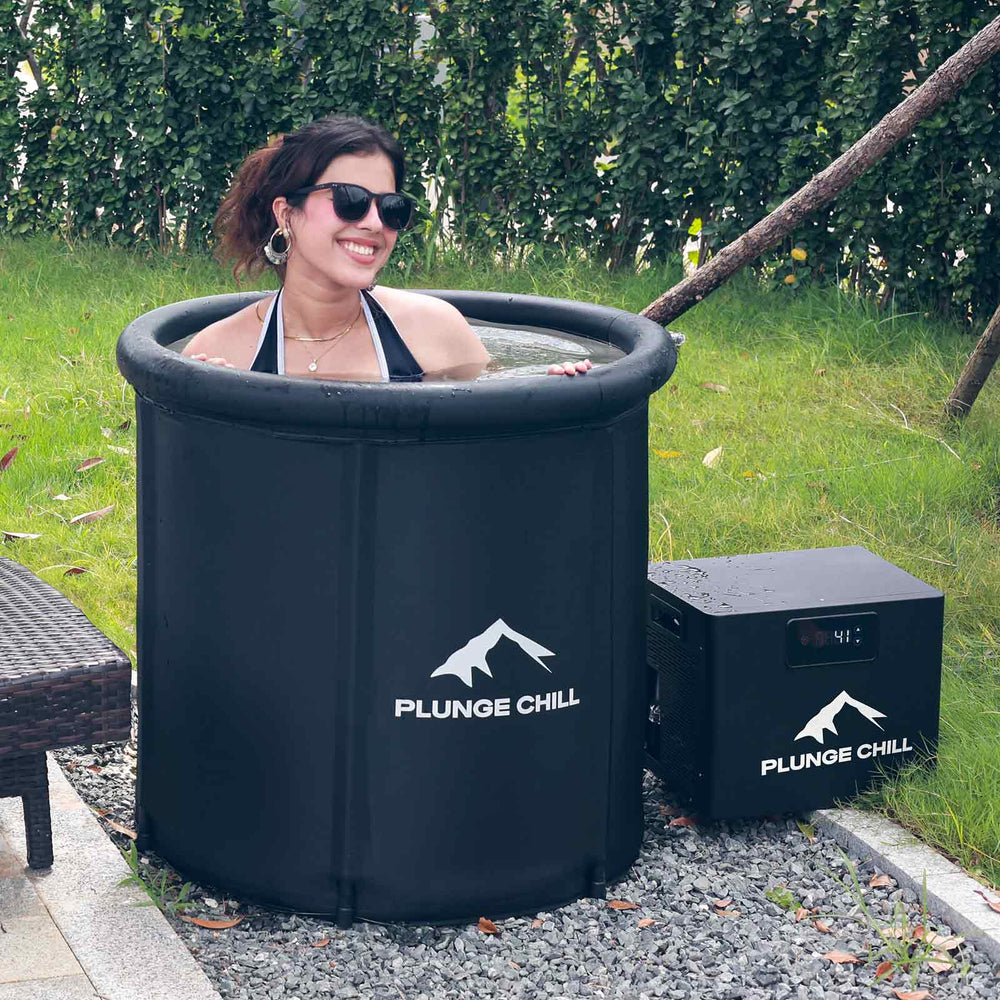
Not every athlete needs a six‑figure recovery room to use cold safely and effectively. Harvard Health highlights studied temperatures between 45 and 59°F, and Mayo Clinic Health System defines cold plunges around 50°F or colder for a few minutes. Start with home‑accessible methods: a cold shower or an indoor tub with bags of ice, and measure the water before entering. Keep dry layers, a towel, and warm clothing within arm’s reach for exit, especially outdoors. If you’re considering a dedicated plunge, options range from simple insulated tubs to fully featured commercial units that can cost up to $20,000. Regardless of what you buy, the core features that matter are reliable temperature control within the researched range, easy cleaning, and safe ingress and egress. Product bells and whistles never replace protocol discipline.
Program your dose with intent. A practical weekly target summarized by Hone Health is around 11 minutes total, split over two to four sessions, though protocols vary by goal. Start with 30–60 seconds per session and work toward five to ten minutes if desired, as suggested by Mayo Clinic Health System, staying in the cold-not-freezing lane. Harvard Health also encourages beginning with short bouts and gradually increasing. If you lift for hypertrophy, avoid placing cold immediately after those sessions; Athletico, Mayo Clinic Press, and the Journal of Physiology trial all point to a blunting effect on muscle growth. Use cold strategically between competitions or on rest days when smoothing soreness is more important than building size.

Pros and Cons in Plain Terms
Reaching for hot coffee immediately after a cold shower feels good, but the physiology of the afterdrop window argues for restraint. The first hour is for rewarming from the core, replacing fluids and sodium, and letting the nervous system begin its glide path back toward recovery. Warm, non-caffeinated drinks in the 130–160°F range support those goals without adding stimulants or undermining heat retention. Once you feel warm and initial hydration is underway—commonly 45–60 minutes later—coffee fits just fine for most athletes, and moderate intake aligns with practical guidance from British Heart Foundation. This timing respects both the comfort ritual and the recovery biology.

Takeaway
Hot coffee right after a cold shower is more ritual than recovery. If you care about thermoregulation, hydration, and training adaptations, treat the first 45–60 minutes after cold exposure as a caffeine‑free zone. Use warm, non‑alcoholic, non‑caffeinated drinks at comfortable temperatures to rewarm and rehydrate, then bring coffee back once you feel stable. Periodize cold around your training, avoid routine post‑lift cold if you’re chasing muscle, and stay within studied temperatures and sensible doses. That combination preserves cold’s best recovery benefits without asking a steaming mug to do a job it isn’t built to do.
FAQ
Q: How long should I wait to drink coffee after a cold shower or plunge? A: A practical guideline from Inergize Health is to wait about 45–60 minutes, which allows core rewarming and initial rehydration before adding caffeine.
Q: What temperatures are best for cold exposure if I want recovery benefits? A: Harvard Health highlights research protocols between roughly 45 and 59°F for immersion. Showers are often easier at the warm end of cold, and many athletes do well in the uncomfortable-but-safe range described by coaching guidance.
Q: Does hot coffee undo the strength‑blunting effect of post‑lift cold exposure? A: No. The blunting of anabolic signaling shown in the Journal of Physiology trial is driven by the cold itself. Coffee does not reverse it. If hypertrophy is a priority, avoid routine post‑lift cold and use active recovery instead.
Q: What should I drink immediately after a cold shower instead of coffee? A: Warm water with honey and a pinch of salt is a simple, effective choice. Caffeine‑free herbal teas like ginger or chamomile, warm milk or fortified alternatives with a bit of cocoa, warm lemon water with a little sugar, or a diluted, non‑caffeinated electrolyte drink all support rewarming and hydration.
Q: Will coffee dehydrate me after a cold session? A: Coffee adds a mild diuretic effect and often displaces better early rehydration choices. Outside and British Heart Foundation emphasize that warm, non‑caffeinated options promote net fluid balance in winter; enjoy coffee later once you’ve started replacing fluids and electrolytes.
Q: How often should I use cold exposure, and is daily use safe? A: Hone Health summarizes a practical target of about 11 minutes per week split over multiple short sessions. Mayo Clinic Health System notes that daily use can be acceptable for many when placed appropriately, but routine post‑strength cold may compromise long‑term adaptation. Always consult a clinician if you have cardiovascular concerns or conditions like Raynaud’s or cold urticaria.
Sources Acknowledged
Journal of Physiology; Mayo Clinic Press; Mayo Clinic Health System; UCLA Health; Harvard Health; Athletico; Inergize Health; Hone Health; Youth Sport Nutrition; Polar; British Heart Foundation; Outside; Food52.
References
- https://www.health.harvard.edu/staying-healthy/research-highlights-health-benefits-from-cold-water-immersions
- https://pmc.ncbi.nlm.nih.gov/articles/PMC4594298/
- https://mcpress.mayoclinic.org/healthy-aging/the-science-behind-ice-baths-for-recovery/
- https://www.mayoclinichealthsystem.org/hometown-health/speaking-of-health/cold-plunge-after-workouts
- https://www.uclahealth.org/news/article/6-cold-shower-benefits-consider
- https://www.exercisinghealth.net/blog/ice-baths-for-athletes-the-benefits-and-side-effects
- https://food52.com/story/21325-warm-drink-recipes-for-winter
- https://www.healthline.com/health/cold-shower-vs-hot-shower
- https://www.kuhl.com/borninthemountains/the-power-of-cold-exposure-on-athletic-performance?srsltid=AfmBOoqc8-rIdEYWG2zU0LDLYEDQRcwsr0wQkMJsD4LetHTcUbGNlPHb
- https://thecookedcreative.com/must-try-healthy-hot-drinks-for-cold-days-at-home/