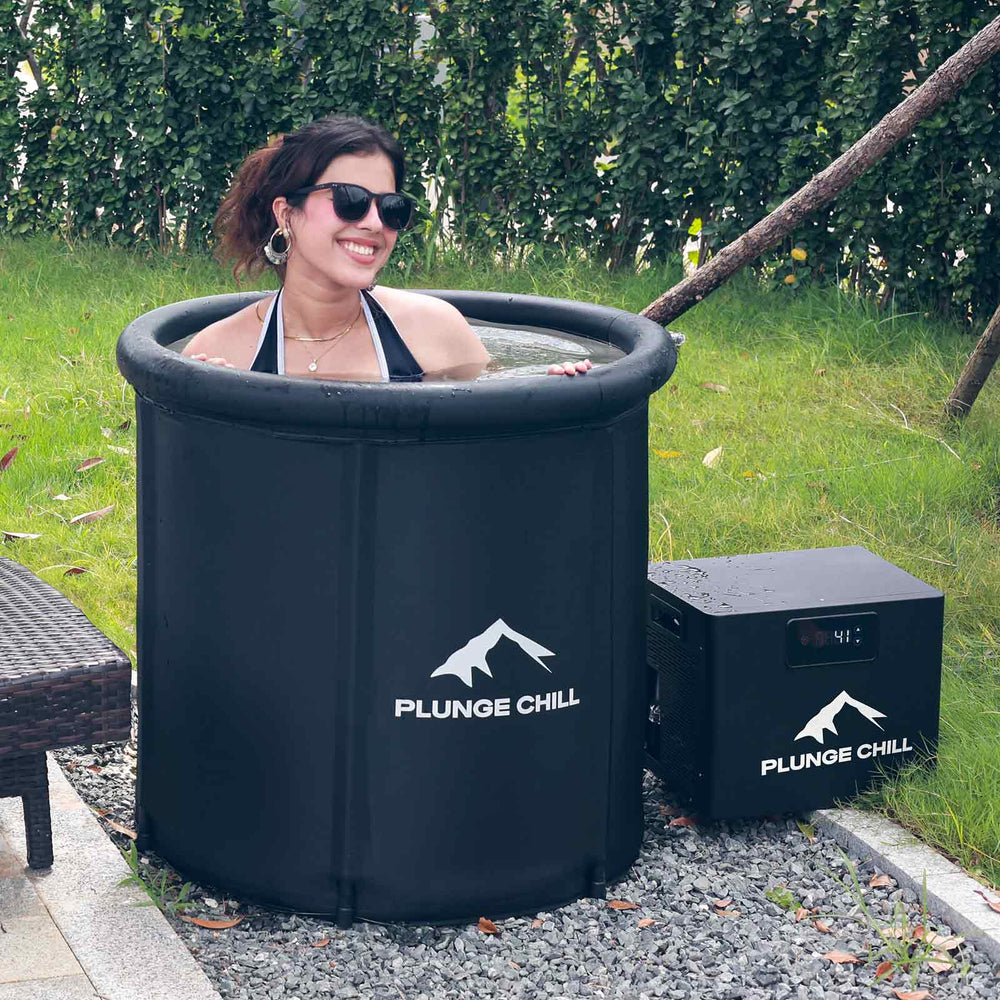
Cold-water immersion has moved from pro locker rooms into loft apartments, boutique gyms, and high-end garages. As a sports rehabilitation specialist and strength coach who reviews recovery products and implements protocols with athletes and busy professionals, I’ve learned that the right cold plunge is as much about evidence-based outcomes as it is about fit, finish, and daily usability. A gray cold plunge tub, in particular, slots naturally into contemporary spaces, complementing concrete floors, black fixtures, and stainless accents—yet the value of a plunge ultimately lives or dies by safety, installation, and disciplined protocols. This guide distills current evidence, practical setup details, and product considerations so your gray plunge looks at home and performs like a professional tool.
What a Cold Plunge Actually Does
A cold plunge is brief, deliberate immersion in cold water to elicit a physiological response that can aid recovery, stress regulation, and perceived energy. Cold exposure produces a rapid spike in sympathetic activity—heart rate, breathing rate, and blood pressure rise in the first seconds, and peripheral blood vessels constrict while core circulation is preserved. On exit and rewarming, vessels dilate and circulation rises, which many users perceive as relief or lightness. Clinically, these mechanisms are why cold-water immersion is part of emergency cooling for heat illnesses and why practitioners use it as an adjunct to manage post-exercise soreness and next-day performance readiness when applied with care (Cleveland Clinic; Mayo Clinic Health System).
The evidence is nuanced. Studies and clinical guidance suggest cold immersion can reduce markers of exercise-induced muscle damage and soreness, especially for endurance or high-volume conditioning, and many report short-lived mood elevation linked to catecholamines and dopamine (Case Western Reserve University; Stanford Lifestyle Medicine). However, for strength and hypertrophy, cold exposure right after lifting can dampen the anabolic signaling required for growth; this is one of the most consistent cautions across sports medicine commentary (Ohio State Wexner Medical Center; Mayo Clinic Health System; Bass Medical Group).
Who Benefits—and Where It Can Backfire
Cold immersion is a tool, not a cure-all. The best candidates are those seeking to reduce soreness after endurance or mixed training, cool core temperature after hot-weather exertion, or add a brief stressor that can build perceived resilience. Safety is non‑negotiable: heart disease, hypertension, rhythm disorders, peripheral artery disease, Raynaud’s syndrome, poorly controlled diabetes, or use of beta blockers increase risk from the cold shock response, and anyone in those groups should consult a clinician before plunging (American Heart Association; Harvard Health Publishing).
Even in healthy users, the initial 10 to 60 seconds are the riskiest because of hyperventilation and cognitive narrowing. Calm, slow entry and controlled breathing matter. While some guides celebrate heart-rate variability improvements, HRV is a surrogate metric that does not reliably translate into lower cardiovascular event rates, so be skeptical of “heart health” claims built only on HRV (Harvard Health Publishing). This is a central reason to adopt a conservative, individualized approach.
In strength-centric blocks, timing is strategic. Multiple sources converge on delaying cold exposure for several hours after heavy resistance training to avoid blunting hypertrophy signaling, while still allowing same-day or next-morning use for perceived freshness (Ohio State Wexner Medical Center; Mayo Clinic Health System; Bass Medical Group). When athletes in my rooms chase size or maximal strength, I schedule plunges farther from lifting days and nearer to conditioning or skill days. This is less dogma than risk management: place recovery tools where they do the least harm to the primary training goal.

Why Gray Works in Modern Homes and Studios
From a design standpoint, gray shells integrate seamlessly with concrete, stone, matte-black hardware, and brushed steel. In training rooms and residential setups I’ve overseen, matte gray surfaces visually de-emphasize the tub’s footprint and are forgiving with light scuffs that would pop on glossy white. In compact spaces, muted hues draw less visual attention, which can be the difference between a recovery tool that feels like an eyesore and one that feels built-in.
A practical note emerges as soon as you place a plunge near glass or reflective facades. Manufacturer guidance emphasizes that reflective window films can bounce heat onto the unit, increase thermal load, and even warp nearby materials—real-world heat reflection is nontrivial, and it can impair a chiller’s ability to hit target temperatures during summer (Chilly GOAT Tubs). If your aesthetic concept includes large glass walls, consider strategic shading or film selection.
There’s also a subtle material claim sometimes repeated in design forums that darker gray shells might absorb more radiant heat than lighter finishes under direct sun. A straightforward verification step is to take mid‑day surface readings with an infrared thermometer on similar finishes at your location to determine whether finish color meaningfully changes water temperature or energy use in your specific layout.
Placement and Installation for Apartments, Garages, and Studios
Indoor installations demand boring—but vital—basics: structure, moisture control, electrical safety, and drainage. Floor load must support a filled tub plus user; verify capacity and seek reinforcement if needed. Waterproof or water‑resistant flooring and mechanical ventilation reduce mold risk. GFCI‑protected power, proper circuit sizing, and an accessible drain path or pump‑out solution are standard of care in my clinic and should be in yours (Haven of Heat).
Outdoors—or on covered patios—the thermal environment will dictate performance. Shade the unit to reduce heat gain, use the locking insulated cover faithfully, ensure at least 3 feet of clearance for chiller ventilation, and avoid sites with reflective heat from nearby glass. In triple‑digit heat, even robust chillers slow down. Manufacturer advice is to give the system a head start by adding bagged ice during initial fills or extreme afternoons and to monitor more frequently, ideally with Wi‑Fi controls for temperature checks and alerts (Chilly GOAT Tubs). In my experience, a gray tub tucked under a north‑ or east‑facing overhang with cross‑ventilation is a sweet spot for both aesthetics and chiller longevity.
Measure before you buy. You need the tub footprint, doorways and turns for delivery, and at least one clear approach path with non‑slip footing. A small, stable step for safe entry and exit reduces slips when the sympathetic surge challenges coordination. If you plan a dual‑mode unit that also heats to hot‑tub temperatures, confirm the circuit and ventilation are sized for both modes (Chilly GOAT Tubs range guidance 40–104°F).
Placement Essentials at a Glance
Item |
Recommendation |
Rationale |
Shade and orientation |
Keep out of direct sun; avoid reflective window heat |
Lowers thermal load; protects finishes and reduces energy demand (Chilly GOAT Tubs) |
Ventilation clearance |
Maintain about 3 ft around chiller vents |
Prevents overheating and extends chiller lifespan (Chilly GOAT Tubs) |
Electrical |
GFCI outlet; dedicated circuit sized to manufacturer spec |
Reduces shock risk; accommodates chiller startup draw (Haven of Heat) |
Drainage |
Floor drain preferred; otherwise planned pump‑out |
Controls spills and routine water changes (Haven of Heat) |
Flooring |
Waterproof surfaces and adequate room ventilation |
Limits mold and moisture damage (Haven of Heat) |
Structure |
Verify floor load for filled tub plus user |
Safety and code compliance (Haven of Heat) |

Protocols: Temperatures, Durations, and Timing
Reasonable protocols flow from your goal and context. Clinical and coaching sources cluster around the ranges below, with an emphasis on gradual acclimation, measured breathing, and conservative first exposures. The differences across guidance reflect methodology, participant type, training status, and outcome measures. For example, endurance recovery studies often tolerate slightly longer exposures, while strength-focused contexts keep plunges away from hypertrophy signaling windows (Cleveland Clinic; Ohio State Wexner Medical Center; Mayo Clinic Health System; Lake Nona Performance Club; Kaiser Permanente; Plunge).
Goal |
Water Temp °F |
Time per Session |
Timing vs Training |
Notes |
Beginner acclimation and mood |
55–60 |
1–3 minutes |
Non‑training days or mornings |
Emphasize slow nasal exhales to manage the gasp reflex (Cleveland Clinic; Lake Nona Performance Club) |
Endurance or mixed training recovery |
50–59 |
3–10 minutes |
Within about 1 hour post‑session or next morning |
Useful for soreness and next‑day readiness (Mayo Clinic Health System; Kaiser Permanente) |
Heat stress mitigation |
45–55 |
2–6 minutes |
As soon as safely practical post‑heat exposure |
Rapid core cooling is essential in heat scenarios (Cleveland Clinic) |
Strength/hypertrophy protection |
50–59 |
2–5 minutes |
Delay 4–48 hours after lifting, depending on priority |
Minimizes blunting of anabolic signaling (Ohio State Wexner Medical Center; Bass Medical Group; Mayo Clinic Health System) |
Mental reset on rest days |
45–55 |
2–5 minutes |
Morning or midday |
Short exposures for alertness; rewarm gradually without immediate hot shower (Ice Barrel) |
Reconciling mixed guidelines is about end goals. Some coaching blogs endorse 10–20 minutes at 50–59°F for certain cases, while several clinical overviews encourage 3–10 minutes at 50–59°F and emphasize caution for beginners and those at risk. Longer durations aren’t “better” if they raise hypothermia risk or degrade strength outcomes. Start conservative, track how you feel before and after, and adjust with your primary training goal in mind.
A small but overlooked note on metabolism: much of the enthusiasm around brown fat activation is real, but the direct calorie contribution of adult brown adipose tissue appears small unless browning of white fat meaningfully expands the tissue. One review estimates basal non‑shivering thermogenesis yields less than 20 kcal per day in adults, which tempers weight‑loss promises from cold exposure alone (PubMed Central review). Cold immersion can still complement a weight‑management plan by improving adherence and perceived energy, but your training and nutrition drive outcomes.

Pros and Cons vs Cold Showers and Cryotherapy
Cold showers and whole‑body cryotherapy are often easier to install in tight spaces. Their stress profile differs from immersion.
Modality |
Core Cooling Depth |
Practical Fit |
Evidence Notes |
Cold plunge (immersion) |
Highest; cools core more effectively when dosed properly |
Needs footprint, power, drainage, and ventilation |
Strongest for post‑exercise soreness and heat cooling when done safely (Mayo Clinic Health System; Cleveland Clinic) |
Cold shower |
Moderate; more peripheral cooling than immersion |
Easiest to adopt in any bathroom |
Can provide similar but smaller effects; useful acclimation tool (Case Western Reserve University; Cleveland Clinic) |
Whole‑body cryotherapy (cold air) |
Variable; less water‑mediated conductive cooling |
Requires specialty clinic or advanced home unit |
Parasympathetic activity increases reported; protocols heterogeneous and outcomes mixed (Harvard Health Publishing; Lake Nona Performance Club) |
A nuance that matters: face‑only immersion can drive parasympathetic activity via the diving reflex and produce a calming response with minimal core cooling. In practice, a small face‑dunk basin near your plunge can serve as a gentle off‑ramp on days you want the mental reset without the full-body load, particularly at night when aggressive sympathetic spikes may impair sleep (Stanford Lifestyle Medicine).

Care, Water Quality, and Maintenance
Crystal‑clear water is a safety feature, not just a visual one. Use filtered water when possible, and change water about every one to two weeks depending on use and treatment regimen. Clean with mild, non‑abrasive cleaners, and routinely inspect plumbing connections and power cords. For indoor setups, keep the room ventilated and humidity controlled. An insulated, locking cover cuts debris and heat gain and preserves target temperatures. Daily habits matter: keeping the cover on when not in use and wiping down surfaces after sessions prevents a slow slide into maintenance chores (Haven of Heat; Chilly GOAT Tubs).
Summer introduces extremes. When ambient temperatures approach triple digits, pre‑cool with ice during initial fills, shade aggressively, and give the chiller space to breathe. Monitor water temperature more often and consider scheduling plunges for morning hours when ambient loads are lowest (Chilly GOAT Tubs). In my installs, a simple temperature log and routine visual check become part of the training-day flow, just like refilling the hand‑soap bottle in a gym bathroom—unremarkable but essential.

Buying Guide: Features That Matter in a Gray Tub
The market ranges from simple manual setups to fully featured systems with filtration, ozone or UV, and variable‑speed chillers. A few features differentiate daily usability.
Shell and finish should resist UV and common cleaners, with a surface that hides inevitable scuffs and water spotting. Matte gray shells harmonize with modern palettes, and in training rooms I find they hide everyday wear better than gloss; that’s a practical observation rather than a universal law. Consider a locking insulated cover that can actually be used daily; heavy or awkward covers are the fastest route to poor compliance.
Chiller performance and range determine whether your tub feels like a tool or a toy. Units that can hold about 40–50°F for immersion and optionally heat for hot‑tub mode up to roughly 104°F give you year‑round flexibility; larger horsepower models recover faster and cope better with summer heat but draw more power and may be louder (Chilly GOAT Tubs). Ventilation pathways and clearance are as much a purchasing consideration as a placement one. For precision and energy management, Wi‑Fi controls and scheduling are more than novelty—remote checks prevent “surprise” warm water when you actually need to plunge.
Filtration and water treatment should match your tolerance for upkeep. Integrated filtration and ozone or UV help stretch water‑change intervals, but nothing replaces basic hygiene habits and scheduled replacement water. Drain design drives whether post‑service cleanup is a nuisance or a non‑event; a clear drain path, ideally to a floor drain, prevents mop‑bucket marathons (Haven of Heat).
Electrical and safety are foundational. A GFCI‑protected, dedicated circuit sized to the unit is a must. In apartments, factor noise, neighbor proximity, and delivery path. Measure every doorway, landing, and turn; nothing is more frustrating than a beautiful gray shell stuck in a stairwell on delivery day.
Budget is reality. Dedicated cold‑plunge tanks with full features can reach up to $20,000.00, especially with premium shells, robust chillers, and pro‑grade filtration (Mayo Clinic Health System). Decide early whether you want a dual‑mode hot‑and‑cold unit, as that can influence both price and power requirements.
A small, commonly overlooked site‑planning insight: reflective window film or nearby reflective facades can increase radiant load on the tub and surrounding finishes, frustrating chiller performance. This is explicitly flagged by one manufacturer and mirrors what I’ve seen in sun‑exposed training rooms with polished concrete. Simple shading or repositioning can solve a problem that looks like a “weak chiller” but is really an environment issue (Chilly GOAT Tubs).

Safety, Risk Management, and Rewarming
The cold shock response is real and dangerous if ignored. The first seconds in cold water can trigger an involuntary gasp and hyperventilation, elevating drowning risk in open water and posing cardiac stress in vulnerable users. Enter slowly, keep your head above water until breathing stabilizes, and prioritize controlled exhales. Never plunge alone in open water or unfamiliar environments, and even at home, a nearby partner is smart when you are new to the practice (American Heart Association; Case Western Reserve University).
Rewarming is an active process. Dry off, layer up, move gently, and allow body heat to normalize. Several coaches and vendors advise against immediately blasting yourself with a hot shower; natural rewarming keeps the sympathetic swing from ping‑ponging and reduces afterdrop sensations. A warm drink and light movement help (Ice Barrel).

Evidence Snapshot and Disagreements, Briefly Explained
Studies repeatedly show reduced soreness and improved next‑day performance in endurance contexts, while resistance training benefits are inconsistent and often negative when cold follows lifting too closely (Mayo Clinic Health System; Ohio State Wexner Medical Center). Small acute studies report lowered cortisol after sessions and mood improvements; one university group showed post‑immersion reductions in heart rate and blood pressure, and participants felt better psychologically afterward. These findings are short‑term, with heterogeneous methods and small samples, so they should be read as promising rather than definitive (University of Oregon in Journal of Thermal Biology; Stanford Lifestyle Medicine).
When you encounter disagreements—say, a blog touting 10–20 minutes for everyone versus a clinic suggesting 3–10 minutes for most—assume differences in training status, ambient conditions, target outcome, and sample size. Endurance recovery studies and hot‑weather cooling often tolerate longer exposures than strength blocks. Commercial guidance can reflect marketing and a “trained user” baseline; clinical guidance tends to emphasize risk control and broad populations. In my programs, that all resolves into a simple rule: start low and go slow, track your responses, and keep plunges clear of heavy lifting windows unless the priority is recovery at the expense of growth.
Quick Design Note: Gray Finish and Heat
Designers sometimes assert that a slightly darker gray might increase radiant heat absorption outdoors compared with light gray. The effect size depends on finish chemistry, gloss, shading, and local solar load. If you care, test with an infrared thermometer at midday on similarly finished panels in your space, then choose shading and orientation accordingly.
Takeaway
Choose the cold plunge because it fits your training plan and your space, not because it looks good on social feeds. A gray tub is a smart choice for contemporary interiors and patios, pairing quietly with concrete and steel while hiding day‑to‑day scuffs. Safety and placement—GFCI power, shade, ventilation, drainage, and floor load—decide whether the experience feels pro or precarious. Keep doses modest, time plunges away from strength sessions when you care about hypertrophy, and build gradually with calm breathing. From there, daily care is simple: cover on, water clean, vents clear. The payoff is a reliable recovery station that looks like it belongs.
FAQ
What temperature and duration are safe for most beginners?
Most healthy beginners do well starting around 55–60°F for about 1–3 minutes, finishing the session once breathing is under control and comfort is maintained. Over time, progress toward about 50–59°F for 3–10 minutes if your goal is post‑exercise soreness reduction. If you train heavy strength, keep plunges away from your lifting window to protect hypertrophy signaling. This synthesis reflects clinical and coaching guidance from Cleveland Clinic, Mayo Clinic Health System, Lake Nona Performance Club, and similar sources.
Will a cold plunge hurt my muscle gains?
If you plunge immediately after lifting, yes, it can blunt the cellular signaling that drives growth and strength over time. Multiple sports medicine summaries and university communications recommend delaying immersion several hours or moving it to rest days when hypertrophy is the priority. When my athletes are in a size block, we schedule cold exposure away from those sessions and reserve immediate post‑session plunges for endurance or heat‑stress days (Ohio State Wexner Medical Center; Mayo Clinic Health System; Bass Medical Group).
Can I place a gray cold plunge tub indoors in an apartment?
Indoor installs are feasible with planning. Verify the floor can handle the filled tub plus user, use GFCI power on an appropriately sized circuit, provide ventilation or an exhaust fan, and plan a drain path or pump‑out for routine water changes. Waterproof flooring and a simple humidity plan keep your space healthy. Landlord approval and documentation help in multi‑unit buildings. These recommendations are standard across indoor guides used in clinics and residential projects (Haven of Heat).
How do I keep the water cold in summer without overworking the chiller?
Start in the morning, shade the tub, keep the insulated cover on, maintain at least 3 feet of clearance for ventilation, and consider adding ice during initial fills or heat waves. Avoid locations where reflective window films bounce heat onto the shell. Wi‑Fi controls make it easier to monitor temperature and intervene early. I’ve seen a shaded, well‑ventilated patio cut chiller strain dramatically compared with an exposed deck (Chilly GOAT Tubs).
Are mental health benefits real or hype?
Short‑term mood lifts and reduced perceived stress are commonly reported and supported by small studies showing neurotransmitter changes and post‑session cortisol reductions. A large synthesis suggests stress reduction and better sleep in men, with mixed findings for mood and limited direct evidence for immune improvements. Treat these as supportive benefits, not primary therapy, and adjust expectations accordingly (Stanford Lifestyle Medicine; Harvard Health Publishing).
Does finish color affect how hot the tub gets outdoors?
Possibly, but the effect varies by finish chemistry, gloss, shading, and site exposure. A practical check is to measure similar finishes at your site with an infrared thermometer at midday and choose shading and orientation based on your findings. If you love a darker gray, shading and a diligent cover often matter more than finish color in day‑to‑day performance.
Practical Setup and Daily Use, From the Training Room
In my rooms, the cold plunge sits on non‑slip flooring with a clear, stable step for entry and a bench with towels within reach. Sessions start with slow exhales before submersion and aim for controlled breathing during the first minute, which is the hardest window physiologically. Rewarming is gradual: dry off, layer up, walk, and sip something warm. No one plunges alone in unfamiliar environments. On strength days, the tub is off‑limits until later; on conditioning or heat days, it becomes a priority tool. That rhythm, more than any specific gadget, is what keeps the practice safe, effective, and sustainable.
Citations in this guide draw on Cleveland Clinic, Mayo Clinic Health System, American Heart Association, Harvard Health Publishing, Case Western Reserve University, Ohio State Wexner Medical Center, Stanford Lifestyle Medicine, University of Oregon work in Journal of Thermal Biology, PubMed Central reviews, Lake Nona Performance Club, Kaiser Permanente, Ice Barrel, Plunge, Chilly GOAT Tubs, and Haven of Heat. Links will be added separately in References.
References
- https://knightcampus.uoregon.edu/plumbing-benefits-plunging
- https://case.edu/news/science-behind-ice-baths-and-polar-plunges-are-they-truly-beneficial
- https://www.health.harvard.edu/heart-health/cold-plunges-healthy-or-harmful-for-your-heart
- https://lifestylemedicine.stanford.edu/jumping-into-the-ice-bath-trend-mental-health-benefits-of-cold-water-immersion/
- https://sncs-prod-external.mayo.edu/hometown-health/speaking-of-health/cold-plunge-after-workouts
- https://pmc.ncbi.nlm.nih.gov/articles/PMC11872954/
- https://health.osu.edu/wellness/exercise-and-nutrition/do-ice-baths-help-workout-recovery
- https://www.utmb.edu/news/article/utmb-news/2025/06/18/cold-water-immersion-rising-wellness-trend
- https://health.clevelandclinic.org/what-to-know-about-cold-plunges
- https://mydoctor.kaiserpermanente.org/mas/news/health-benefits-of-cold-water-plunging-2781939