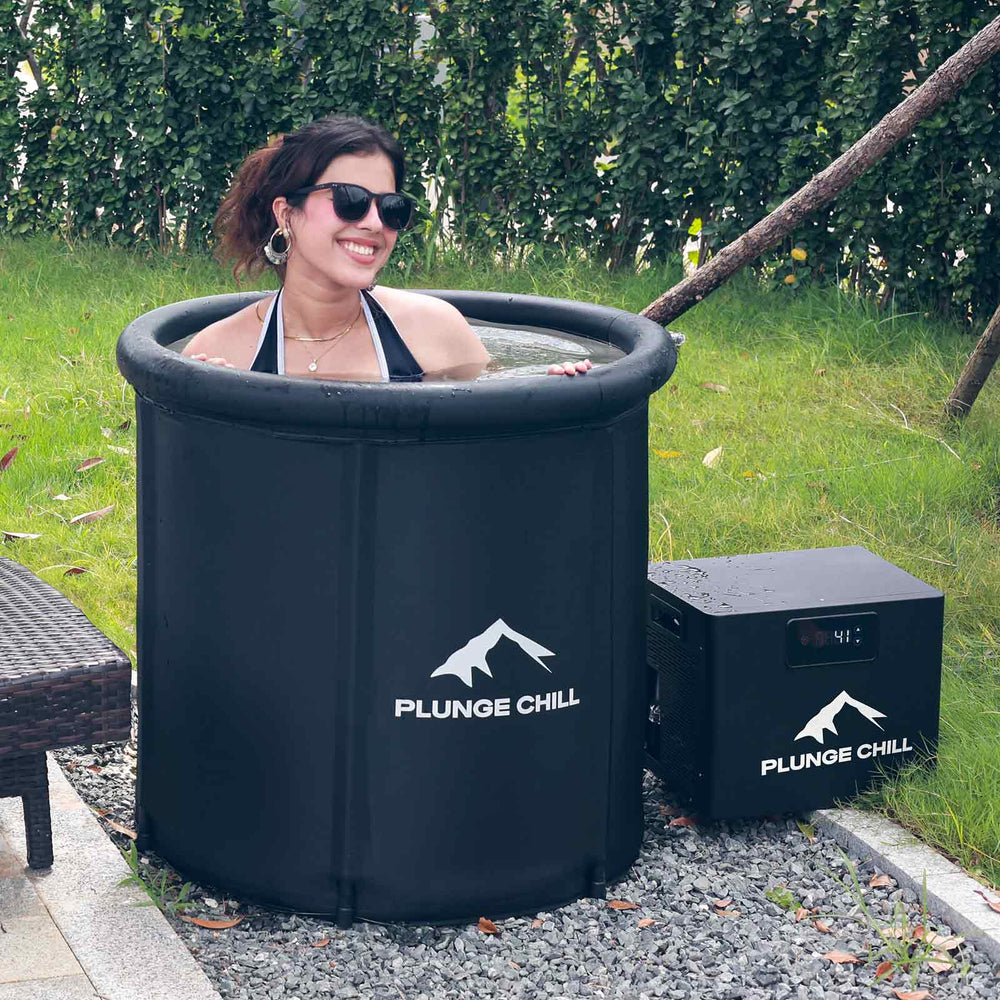
Cold plunges have moved from locker-room novelty to living-room staple, promising faster recovery, sharper focus, and stress resilience. As a sports rehabilitation specialist and strength coach who also reviews cold plunge products, I look at these systems through two lenses: what the science says about outcomes and what daily ownership actually feels like in a home or team setting. This guide explains what cold immersion truly delivers, then compares leading Ice Pod alternatives by design philosophy, hygiene and maintenance, control features, and practical fit for your space, schedule, and goals.
What Cold Plunges Actually Do
Cold water immersion reliably provides short-term analgesia and a noticeable shift in alertness and mood. Clinical commentary in the Journal of Contemporary Chiropractic (Parker University) synthesizes decades of research and concludes that icing helps pain but does not meaningfully accelerate tissue healing, and may delay regeneration when overused. The mechanism is straightforward: cold constricts blood vessels and slows metabolism, which can blunt the early inflammatory phase required for optimal repair. Used excessively or for too long, it risks local tissue damage.
On the mental-health side, Stanford Lifestyle Medicine summarizes evidence that brief cold exposure elevates norepinephrine and endorphins, which many athletes experience as a post-session lift in mood, focus, and perceived resilience. Their synthesis notes reductions in perceived stress and favorable cortisol dynamics when dosing is sensible and consistent over weeks. The immediate takeaway is that cold immersion is a tool for pain relief and psychophysiological arousal; it is not a stand-alone fix for injury healing.
A broader recovery meta-analysis archived on PubMed Central reinforces the nuance. Massage consistently outperforms other interventions for delayed onset muscle soreness (DOMS) and perceived fatigue. Cold exposure and water immersion still play a role, with moderate reductions in creatine kinase (a muscle damage marker) and small reductions in inflammatory markers like interleukin-6 and C‑reactive protein, but they are not the dominant lever for soreness relief. This is precisely where a smart buyer aligns product features with the outcomes that matter most.
The Competitor Landscape: How Options Differ
Cold plunge competitors fall into three practical categories when you look beyond branding. First are premium self-contained systems that integrate active chilling, robust circulation, insulated shells, and automation. A prominent comparison by Recovery Guru highlights a model with a lockable insulated cover, dual spa jets and strong water movement, a 3-stage filtration train backed by ozone sanitation, a skimmer net and drain hose, and a smart app for temperature, timers, and session scheduling. The experience is predictable and hygienic, particularly in shared homes or small facilities, because the tub both chills and cleans the water continuously.
Second are basic tubs without active circulation or smart control. These are often positioned as budget-friendly or minimalist. They can work well for users who are comfortable adding bagged ice, replacing water frequently, and cleaning surfaces manually. Without active flow, the water stratifies and the “bite” of the cold can feel milder around the body; once you move, the perceived intensity spikes. This is neither good nor bad—it just means the session feels different and the water demands more hands-on care.
Third are modular kits that pair a tub with an external chiller, hoses, and in-line filtration. They sit between the two extremes. With careful setup and a thoughtful accessory list, you can approximate the hygiene and automations of a premium rig, though it usually requires more assembly, more visible plumbing, and an eye for fittings and flow rates. Users in this tier should plan for testing their water chemistry regularly and scheduling filter changes proactively.
At‑a‑Glance Comparison
Option |
Notable features |
Water care |
Control |
Circulation |
Safety/Access |
Best fit |
Premium self‑contained model highlighted by Recovery Guru |
Lockable insulated cover; 3‑stage filtration; ozone sanitation; skimmer net and drain hose; dual spa jets; strong automation |
Multi-step filtration with ozone; easier to keep clear between full drain cycles |
Smart app with remote temperature, timers, session scheduling |
Robust water movement with reported flow up to about 6.6 gal/min from dual jets |
Cover locks for tamper resistance; simpler drain and debris management |
Homes or shared spaces prioritizing hygiene, predictability, and low daily upkeep |
Basic tub in same comparison set |
Simple insulated tub; no active circulation |
Manual cleaning and frequent water changes; no integrated sanitation |
Manual only; no app or automated pre-chill |
Minimal or no active flow; temperature can stratify |
No lock or hard cover by default |
Budget setups where hands-on maintenance is acceptable |
DIY/kit pairing external chiller and tub |
Mix‑and‑match components; customizable |
Depends on chosen filters/ozone and maintenance discipline |
Often has digital control on chiller; app varies by brand |
Varies by pump and hose routing; user-configurable |
Depends on tub and cover selection |
Tinkerers seeking value with moderate setup effort |
Definitions for clarity: ozone sanitation uses O3 to oxidize and neutralize microbes in water; a 3-stage filtration train refers to sequential filters that capture debris of different sizes to improve clarity. Recovery Guru emphasizes that the premium, self-contained feature set is distinct from basic tubs without active circulation or app control, which aligns with day-to-day ownership realities I see in clinics and at home.
Evidence, Expectations, and How That Informs Your Choice
Athletes and busy professionals rarely buy a cold plunge just for the novelty. The common goals are to manage soreness enough to train again tomorrow, to cap a stressful day with something that reliably shifts state, and to reduce the friction of setup and cleanup. The PubMed Central meta-analysis is instructive here. Massage was the most effective intervention for DOMS and perceived fatigue across studies. Cold exposure helped in a supporting role, with moderate reductions in creatine kinase and small reductions in interleukin-6 and C‑reactive protein. Translation for buyers: cold immersion is useful, but it is best layered with movement, compression, and tissue work if your primary target is soreness relief.
The Parker University commentary is equally relevant for post-injury buyers. If you are dealing with an acute sprain or strain, long, cold soaks aimed at “shutting down inflammation” are not supported as healing accelerators, and they may be counterproductive. In those circumstances, brief cold exposures for pain control can be justified, but the backbone of recovery is active movement that drives lymphatic clearance and supports tissue remodeling.
On the mental side, Stanford Lifestyle Medicine highlights acute mood benefits and a pattern of hormonal changes with consistent practice that many users value for training compliance and daily stress management. If that is your priority, the convenience of automation, pre-chill scheduling, and a tamper-resistant cover becomes more important than squeezing the absolute lowest temperature out of a system.
Overlooked Real‑World Insights You Can Use
Temperature feels colder with moving water than with still water because convection strips heat from the skin more quickly. This is why dual jets and higher flow can make a 50–55°F session feel punchier than the same number on a stagnant tub. The Recovery Guru comparison documents a circulation rate up to about 6.6 gal/min, which, in practice, produces a crisp, uniform feel around the body rather than cold “hot spots.”
Covers and scheduling matter as much as chiller horsepower in real homes. A lockable, insulated cover reduces overnight heat gain and contamination and makes pre-chill scheduling practical so water is cold when you need it, not all day. Recovery Guru recommends using app scheduling to pre-chill before sessions and to maintain consistent temperatures. In apartments, this has also reduced noise complaints in my experience because compressors do less catch-up work at inconvenient hours.
Filtration and ozone do heavy lifting for water quality, but marketing rarely mentions replacement cadence or contact time. The Recovery Guru comparison lists a 3‑stage filtration plus ozone package; that’s ideal for clarity. In use, the frequency of filter changes and the effectiveness of ozone depend on bather load and run time, not just component presence.
Safety and Session Dosing You Can Trust
For healthy adults new to cold exposure, Stanford Lifestyle Medicine suggests starting with short sessions at moderate temperatures and avoiding extremes. A safe, practical starting point is about 2 minutes around 68°F, paying attention to breathing and exiting with control. With acclimation over weeks, many users find benefit in 3–10 minutes per session. Avoid temperatures below 50°F as a beginner, and leave room to progress only if you tolerate sessions well and have no cardiovascular risk factors. Cortisol tends to drop after sessions and remain lower for hours in sensible protocols, which many users perceive as a calming effect later in the day. For open-water sessions or ice-covered environments, partner up and proceed cautiously; cold shock can trigger gasping and disorientation on entry.
If you are dealing with an acute injury, treat cold immersion as a pain tool, not a healing tool. The Parker University commentary recommends prioritizing gentle movement and compression for swelling management and reserving brief cold exposure for analgesia when needed.
Practical Buying Considerations From Daily Use
Start with where the tub will live. Self-contained systems with insulated shells and lockable covers are easier near living spaces because they control heat, odor, and access, and they tend to be quieter when pre-chill is scheduled rather than continuous. If you plan to place a unit on a balcony or in a garage, factor winter freezes and summer heat into the chill capacity and insulation you choose.
Consider who will share the water with you. For households and teams, multi-stage filtration with ozone and a skimmer net saves time. The Recovery Guru comparison’s package of filtration, ozone, and easy drain is designed for precisely that reality. Expect to clean or replace filters regularly and skim surface debris so the filters can capture small particles efficiently. In my own testing, a simple daily skim kept filters effective longer and reduced the need for full drains.
Evaluate how much you want to think about the water. If you enjoy tinkering, a kit with an external chiller and modular filtration can be satisfying. If you want to step in and get cold without chores, the self-contained, app-controlled route reduces friction and helps build a sustainable routine. App scheduling is also more useful than it sounds: pre-chilling before predictable windows—early morning and after work—creates a rhythm athletes actually stick to.
Match circulation to your preferred session feel. Higher flow produces a snappier, more uniform cold. Lower flow or still water has a gentler onset and can be preferred by beginners. If you are buying for multiple users, favor systems that let you toggle jet intensity.
Check the cover and safety details before you check out. A lockable, insulated cover matters for households with kids or pets, for shared buildings that need tamper resistance, and for any setup where evaporation and heat gain would otherwise cost you in energy and time.
Finally, think about serviceability. External hoses, in-line filters, and drain fittings are consumables. The Recovery Guru comparison notes the inclusion of a drain hose and skimmer net, both of which reduce daily friction. That is a small but meaningful difference when you are squeezing sessions between training blocks and work.
Water Care and Maintenance Without the Guesswork
Plan to manage debris before it clogs your filters. Skim the surface quickly after outdoor sessions or anytime you see visible particles. Clean or replace filters on a regular cadence—what counts as “regular” depends on the number of users and outdoor exposure, but ignoring filters always costs more later. Use the drain hose for controlled water changes and to flush any settled material near the base. If your model includes ozone, remember it supports but does not replace mechanical filtration; treat it as part of a system.
If your water starts to feel slick, cloudy, or smells off despite filtration and ozone, it is time for a full drain and scrub. The added benefit of a lockable cover is that it slows contamination and evaporation between sessions, stretching time between full refreshes.

Who Should Choose Which Competitor
Choose a premium self-contained system if you value hygiene and predictability and you want your cold plunge to feel like using a high-end appliance. The combination of automated temperature control, serious filtration, ozone sanitation, and a lockable cover is well suited to families, roommates, and small team facilities.
Choose a basic tub if you enjoy a minimalist approach, do not mind hauling ice, and prefer lower upfront costs while accepting more frequent water changes and hands-on cleaning. For short seasons or climates where outdoor water stays cold on its own, this can be the simplest path.
Choose a modular chiller-and-tub kit if you want to customize and are comfortable with hoses and fittings. You can achieve excellent results by specifying the right filters and a cover, and you can tailor circulation to preference. This route rewards attention to detail.
Conflicting Claims Explained
If you feel confused by the mix of glowing testimonials and cautionary clinical notes, you are not alone. The Parker University commentary focuses on injury healing and tissue regeneration, showing that icing may impede early inflammatory processes; the PubMed Central meta-analysis looks at soreness, fatigue, and biomarkers across many protocols and finds massage ahead of cold for DOMS, with cold still helping markers of damage and inflammation. Stanford Lifestyle Medicine centers on psychophysiological outcomes like mood and stress hormones, which respond differently than torn tissue does. The differences come from the outcomes measured, the populations studied, and the protocols used. A football lineman chasing a stress reset after practice is not the same as a patient in the first 48 hours after an ankle sprain, and neither is the same as an elite athlete 24 hours post-lift who plans to train again tomorrow. When you align the tool with the goal, the conflict disappears.

FAQ
Will a cold plunge speed up injury healing?
Cold can help with pain in the short term, but the Parker University commentary indicates that prolonged icing may slow aspects of tissue regeneration. For acute injuries, use brief cold for analgesia if needed, then prioritize gentle movement and compression to drive lymphatic clearance and healing.
How cold and how long should sessions be for general wellness?
A practical starting point is about 2 minutes around 68°F, progressing over weeks toward 3–10 minutes if you tolerate it and have no cardiac risk factors, and avoiding temperatures below 50°F as a beginner. Stanford Lifestyle Medicine reports favorable mood and stress-hormone patterns with conservative dosing and consistent practice.
Do I need filtration and ozone, or can I just change the water?
You can run a basic tub by changing water frequently, but multi-stage filtration plus ozone—a setup highlighted in the Recovery Guru comparison—saves time and keeps water clearer between full drains, especially in shared households. You will still need to clean or replace filters and skim visible debris.
Does higher circulation actually make a difference?
Yes, moving water feels significantly colder because it increases convective heat loss. The Recovery Guru comparison cites a model with dual jets and strong flow, which in practice produces a crisp, uniform feel. If you are sensitive to the initial shock, look for systems with adjustable jets or start at warmer temperatures.
Is an app really useful or just a nice-to-have?
Remote temperature control and scheduling turn good intentions into consistent habits. Pre-chilling before your predictable windows means the water is ready when you are, and the rest of the day the system can idle. In apartments, scheduling also helps limit noise to acceptable hours.

Key Terms You Will See
Cryotherapy refers broadly to therapeutic cold exposure. Cold water immersion is a subset using water, whereas whole-body cryotherapy uses cold air. Ozone sanitation uses O3 to oxidize and neutralize microbes suspended in water; it complements, not replaces, filtration. A 3‑stage filtration train is a sequence of filters designed to capture debris of different sizes for clearer, safer water. DOMS is delayed onset muscle soreness, the stiffness and ache that set in a day or two after unfamiliar or high-volume work.

Takeaway
Buy for outcomes, not for slogans. If your primary target is pain relief and a mental reset you’ll stick with, favor competitors that make routine effortless: insulated lockable covers, robust circulation, multi-stage filtration with ozone, and app scheduling. If you are returning from injury, keep exposures short and purposeful and anchor your recovery in active movement. The evidence base suggests that massage beats cold immersion for soreness and fatigue, that cold still helps on damage and inflammation markers, and that mental benefits are real with smart dosing. The best cold plunge is the one you will use consistently without dreading the cleanup.
References
Parker University, Journal of Contemporary Chiropractic, clinical commentary on the efficacy of icing for injuries and recovery; Stanford Lifestyle Medicine, overview of mental-health effects and safe protocols for cold water immersion; PubMed Central, systematic review and meta-analysis comparing post-exercise recovery modalities; Recovery Guru, product comparison of a premium self-contained cold plunge and a basic tub with practical maintenance notes. 29,482
- https://cupola.gettysburg.edu/cgi/viewcontent.cgi?article=2031&context=student_scholarship
- https://www.health.harvard.edu/blog/can-cryotherapy-stop-your-pain-cold-or-is-just-a-lot-of-hot-air-2018041813612
- https://journal.parker.edu/article/120141-the-efficacy-of-icing-for-injuries-and-recovery-a-clinical-commentary
- https://lifestylemedicine.stanford.edu/jumping-into-the-ice-bath-trend-mental-health-benefits-of-cold-water-immersion/
- https://sncs-prod-external.mayo.edu/hometown-health/speaking-of-health/cold-plunge-after-workouts
- https://pmc.ncbi.nlm.nih.gov/articles/PMC5932411/
- https://www.tcu.edu/news/2024/cold-plunge-tcu-faculty-share-the-cold-truth-of-cold-therapy.php
- https://health.clevelandclinic.org/strenuous-workouts-try-these-6-best-recovery-tips
- https://blog.nasm.org/the-science-of-recovery
- https://memorialhermann.org/health-wellness/nutrition/best-foods-soreness-muscle-recovery