As a sports rehabilitation specialist and strength coach who also reviews cold plunge products, I hear this question every season: “Is my ice bath actually more effective on full‑moon nights—and is melatonin the reason?” The short answer is that the full moon is a powerful psychological anchor, but the biological signal is small and the evidence is mixed. For athletes, what you do in the water—temperature, timing, and frequency—and how you sleep, eat, and periodize training matter far more than the phase of the moon. That said, it is worth unpacking what we know about lunar rhythms, what cold water immersion genuinely does, and how night‑time hormones like melatonin fit into this picture.
Lunar Rhythms, Sleep, and the Melatonin Question
The idea that the moon can shape biology is plausible. A large body of chronobiology research shows that many species run not only on a 24‑hour circadian clock, but also on longer, lunar‑linked cycles near 29.5 days. A PubMed Central review describes credible interactions between circadian and circalunar rhythms and notes endocrine and metabolic pathways as likely mediators, while also emphasizing that the specific molecular mechanisms remain largely unresolved. A functional‑medicine overview (Lam Clinic) echoes this plausibility and points to controlled sleep‑lab work indicating sleep changes aligned with lunar phases even when participants were unaware of the moon’s status, suggesting a potential internal “circalunar clock.” In other words, biology could be listening—just very quietly.
Where does melatonin fit? Melatonin is the body’s nocturnal timekeeper, tightly linked with darkness and sleep architecture. It is reasonable to suspect that if sleep patterns shift with lunar phase under some conditions, melatonin signaling could be involved. However, the human evidence remains contested, and direct, consistent melatonin findings around lunar phases are sparse. Across applied sport, multiple PubMed reports in trained athletes show no meaningful phase‑of‑the‑moon effects on strength, sprinting, balance, reaction time, mood, or well‑being under controlled testing times. When effects are found in the broader medical literature, they tend to be small, inconsistent, or limited to special populations, and occasionally they disappear under stricter analysis. The emerging picture: lunar influences on humans are subtle at best, and any melatonin‑linked changes are not a lever you can reliably pull for recovery.
What Cold Water Immersion Actually Does
Cold therapy has clear, practical effects that are independent of moon phase. Mayo Clinic Press and PubMed Central summarize what athletes can reasonably expect. Over minutes, cold drives skin vasoconstriction, slows nerve conduction, and blunts pain. Subjectively, athletes often feel less sore and more “fresh.” Cold can help in the first hours to days after acute soft‑tissue injury by limiting swelling and providing analgesia. Cold also provokes a strong autonomic response; brief immersions can feel alerting, and some small studies show modest improvements in attentiveness or reduced distress in specific contexts.
Those short‑term benefits coexist with two important caveats. First, repeated, routine post‑lifting cold plunges can blunt long‑term adaptations—especially hypertrophy and strength—over weeks to months. A PubMed Central human skeletal muscle study found that cold water immersion did not reduce intramuscular inflammation after resistance exercise compared with active recovery, yet separate training work by the same group showed reduced gains with regular cold immersion after lifting. Second, cold carries risks: cold shock can cause a gasp reflex, hyperventilation, and spikes in heart rate and blood pressure; prolonged or very cold exposures increase risk for hypothermia and frostbite. Practical, home‑based immersions at about 50–60°F for brief periods are generally safer; open water and extreme conditions magnify the hazards.
What Changes—If Anything—At the Full Moon?
When we ask whether ice baths “work better” on full‑moon nights, it helps to separate mechanisms from motivation. On mechanisms, studies in trained athletes show no change in explosive power, endurance, balance, reaction time, mood, or well‑being across lunar phases when testing is well controlled (PubMed). Professional soccer injury incidence also appears unrelated to moon illumination, Earth–Moon distance, or tidal amplitude. Outside of sport, a few clinical observations hint at phase‑linked differences in specific outcomes, but findings are inconsistent, often debated, and rarely replicated.
Motivation, however, is real. The full moon is a salient cue; it gets people outside, encourages reflection, and can trigger rituals that lower stress. The Lam Clinic piece highlights how nature exposure and brief mindful practices reduce perceived stress—pathways that support recovery indirectly. For some athletes, anchoring a recovery routine to a visible lunar event can improve adherence and perceived readiness the next day. In my practice, the psychological frame matters: when athletes believe in, show up for, and consistently execute a high‑quality recovery session, their next‑day readiness often reflects that choice—regardless of the moon.
Melatonin’s “Secret”: A Hypothesis, Not a Shortcut
It is tempting to credit melatonin for any full‑moon effect. The more rigorous reading is that melatonin is part of the night‑time recovery landscape but not a lunar on/off switch you can exploit. Reviews on PubMed Central note cross‑talk between circadian and lunar timing systems and suggest endocrine connections, but direct melatonin‑specific findings in athletes around lunar phases are limited and the overall evidence is mixed. If a full‑moon night coincides with altered sleep, your recovery tradeoffs likely run through the same factors that always govern training adaptation: total sleep time, sleep continuity, timing of your last session and meal, and how the cold exposure itself interacts with arousal.
That last point is actionable. Cold exposure late in the evening can be alerting for some and sedating for others depending on duration, intensity, and the re‑warming plan. A performance‑minded hydrotherapy approach described by practitioners on Sportsmith uses water temperature contrasts and session timing to facilitate sleep onset, not to chase a lunar effect. Tactically, it is better to manage light exposure and routine than to rely on the moon to tune melatonin.
Evidence‑Based Cold Plunge Parameters You Can Trust
For dosing, stick to protocols studied in athletes and health contexts, then periodize around your training.
Protocol |
Temperature and Duration |
Population/Context |
Outcome Scope |
Source |
Whole‑body immersion after training |
50°F for 10 minutes |
Well‑trained male karate athletes; randomized crossover vs pneumatic compression and passive rest; environment 68–72°F, 50–60% humidity |
Recovery profiling over 0–72 hours with creatine kinase, countermovement jump, sprint, grip strength, and tensiomyography |
Springer randomized crossover study |
Typical post‑exercise immersion |
About 54–59°F for 5–10 minutes; some studies up to 20 minutes |
Mixed athletic contexts |
Mixed evidence on DOMS; analgesia is consistent; one trial at 41°F did not reduce DOMS; some decrements in subsequent power reported in certain protocols |
PubMed Central review |
Home cold exposure ramp‑up |
Start with 30–60 seconds and build to 5–10 minutes at roughly 50–60°F |
General adult populations |
Fewer sick days reported in office workers adding cold shower finishes, though immune markers were not measured |
Mayo Clinic Press |
Post‑lifting habit over months |
Repeated, routine cold immersion after resistance sessions |
Strength/hypertrophy blocks |
Attenuated muscle mass and strength gains versus active recovery; intramuscular inflammation not reduced in acute comparisons |
PubMed Central human skeletal muscle study |
Practical upper‑bound dosing in teams |
Approximately 5 minutes at 41°F, 10 minutes at 50°F, or 15 minutes at 59°F per session |
Team‑sport recovery rooms |
Dose boundaries and periodization guidance to fit training calendars |
Sportsmith practitioner guide |
The table reflects a pattern: ice baths are best used as a targeted recovery tool, especially during congested schedules or hot conditions, and used more sparingly during hypertrophy‑focused blocks.
When a Full‑Moon Plunge Makes Sense
If the moon is your nudge to actually do the work, use it. Tie the habit to high‑quality execution, not to the expectation of a hormonal boost. Pick an evening when the schedule fits. If you train late, place the plunge within about 1–3 hours post‑session. Favor about 50°F for 5–10 minutes if you are comfortable at that dose and have built up gradually; otherwise start closer to 60°F and shorter durations. Re‑warm deliberately with dry clothes and a warm beverage, and protect sleep with low indoor light and a cool, dark bedroom. The key is consistency: track how you feel and perform the next day and the day after. If you notice that late‑night plunges leave you wired, move them earlier or swap to morning exposures that do not interfere with sleep.
Pros, Cons, and How I Program It
In the training rooms I supervise, cold plunges add value when we stack them behind the fundamentals. On the plus side, cold produces reliable analgesia, reduces perceived soreness, and is useful in the 24–48 hours after competitions or during two‑game weeks. Athletes often report feeling clearer and more willing to move at the next session, which helps keep the week on track. In hot, humid stretches, the temperature reset is a relief, and acute comfort makes it easier to hit nutrition and mobility targets afterwards. Psychologically, a brief plunge is a low‑friction “win” at the end of a long day.
The tradeoffs are equally real. If your priority is muscle growth or maximal strength development, routine post‑lift plunges can chip away at the very adaptations you are chasing. The more you train for hypertrophy, the more selective you should be about cold. Risks are manageable but never zero: cold shock, hyperventilation, and dangerous open‑water conditions are avoidable if you stick to a controlled tub at home or in a facility, respect your limits, and warm back up. A small number of athletes report lingering joint stiffness or feeling flat the next day when they go too cold or too long. Individualize.
Periodizing Cold Exposure Across a Season
Recovery is programmable. In preseason, we emphasize muscular adaptation, not maximal freshness. I lean toward heat or contrast hydrotherapy before adding more aggressive cold doses, and limit cold to zero to two exposures per week, ramping tolerance gradually. In season, the goal shifts to maximizing competition performance and keeping training quality high between fixtures. This is where cold is most useful: three or more exposures per week on congested weeks, finishing sessions cold so athletes leave feeling fresher. Athlete choice matters; a small menu of options tends to increase buy‑in, with some preferring contrast and others preferring a straightforward 10 minutes at 50°F. Across all phases, the “big rocks”—sleep, nutrition, hydration—stay on the critical path.
Product Notes from the Plunge Pit
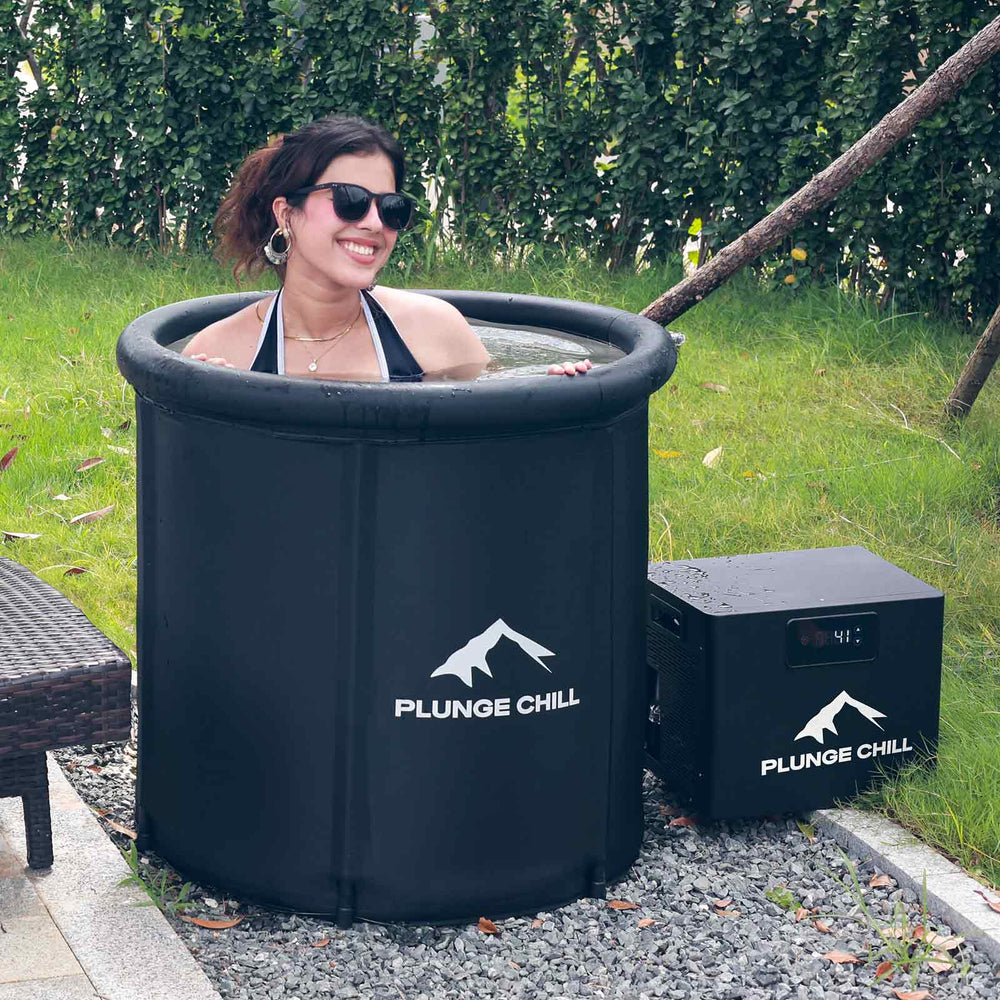
If you are shopping for a cold plunge, your best friend is reliable temperature control and quiet operation. Chillers that comfortably hold about 50°F during summer evenings are more usable than budget setups that drift warmer, especially if you share a space. Insulated tubs and lids reduce energy use and keep temperatures stable. A simple pool thermometer remains useful even with digital controls; you want to know your actual water temperature, not just a setpoint. For apartments, favor compact chillers with lower noise ratings and quick‑drain plumbing. Tall athletes should check interior length before buying; a tub that lets you relax shoulders and neck without hunching preserves the “calm” part of the session. Maintenance rarely makes the spec sheet, but easy‑to‑clean filters determine how much you actually use the unit once the novelty fades.
A Full‑Moon Routine You Can Try
Here is a practical way to combine the symbolism of the full moon with evidence‑based recovery. Plan your hardest training earlier in the day, not at night. Within a couple of hours after that session, immerse at about 50°F for 5–10 minutes if accustomed, or start with one to two minutes closer to 60°F and build across cycles. Re‑warm slowly, hydrate, and eat a protein‑rich meal. Lower indoor lights for the rest of the evening. Use the sight of the moon as a prompt to take stock: note soreness, mood, and readiness for tomorrow. Log a brief entry before bed; in the morning, capture a quick countermovement jump on your phone or a simple perceived exertion and soreness check. Repeat across a few lunar cycles. If it helps adherence or mood, keep it. If your sleep takes a hit, move the plunge earlier in the day and keep the moon ritual as a walk and a journal entry.
What to Track to Know It’s Working
You do not need a lab to gauge whether night‑time plunging helps you. The gold standard outcomes athletes already use tell the story: how you sleep, how sore you feel, and how you move. For objective anchors, a simple jump‑height test on your phone, a short sprint split on the same surface, or handgrip with a reliable dynamometer provide consistent readouts. In team settings, we also watch training‑load notes and a brief wellness check the morning after cold sessions to catch patterns across the roster. Over a month or two, you will learn whether the ritual improves next‑day readiness or whether it is just noise on top of your baseline program.
Evidence Roundup on Lunar Timing and Athletic Recovery
It is worth putting the full‑moon claim in context. A PubMed Central review on post‑exercise immersion describes cold as helpful for pain and soreness but emphasizes modest and mixed effects on performance and DOMS, including a trial at about 41°F that failed to blunt soreness. A separate PubMed Central muscle study found no intramuscular anti‑inflammatory effect of cold water immersion after resistance exercise compared with active recovery, and noted that regular post‑lift cold can attenuate long‑term gains in muscle mass and strength. A randomized crossover in well‑trained karate athletes used 50°F for 10 minutes and tracked performance and muscle damage over 72 hours; those parameters offer a robust benchmark for sport‑specific recovery profiling. On the lunar side, reviews on PubMed Central flag plausible endocrine ties but unresolved mechanisms, and field studies in trained athletes across full, new, and quarter moons found no differences in explosive performance, endurance, balance, reaction time, mood, or well‑being. A large Fertility and Sterility analysis found only small, phase‑linked patterns in menstruation timing, underscoring how subtle lunar effects are when studied rigorously. Put simply, there is no strong basis to expect full‑moon nights to make your ice bath “work better.” The moon can organize your mindset; the water’s temperature and your training calendar organize the physiology.
Safety and Night‑Time Practicalities
A few essentials sharpen the risk–benefit ratio. Seek medical clearance if you have cardiovascular disease, hypertension, arrhythmias, Raynaud’s, or are pregnant. Start conservatively—think 30–60 seconds at around 50–60°F—and build toward 5–10 minutes only if you tolerate it well. Use cold water, not ice‑slurry extremes, for most home sessions. Avoid open water at night; cold shock, current, and low visibility multiply risk. Step out if you feel confused, profoundly chilled, or if breathing control slips. Always re‑warm adequately and, when sleep is the priority, keep your post‑plunge routine calm and dimly lit.

FAQ
Does the full moon make an ice bath more effective for recovery? In trained athletes, studies show no performance, mood, or well‑being advantages tied to lunar phases. Reviews suggest endocrine pathways could interact with lunar timing, but mechanistic evidence is incomplete. If a full‑moon ritual helps you execute a great session and unwind, the benefit likely comes from the behavior, not the moonlight.
Is melatonin the missing link here? Melatonin shapes night‑time physiology and sleep, and some controlled work links sleep changes with lunar phases. Direct, reproducible melatonin effects that translate into better recovery from a night‑time ice bath have not been demonstrated in athletes. Focus on light management and bedtime routine before invoking lunar biology.
When should I absolutely avoid night‑time plunges? Avoid them if they disrupt your sleep or if you are in a muscle‑building phase and were planning to plunge after every strength session. Avoid if you have medical conditions that make cold risky without clearance. Move the practice earlier in the day and use other recovery levers at night.
Closing
If you love the idea of a full‑moon plunge, keep it as a motivating ritual. The physiology that moves the needle remains the same on any night: an appropriate water temperature, a duration matched to your tolerance and goals, a schedule that respects training adaptations, and a sleep‑friendly evening routine. The moon can remind you to show up; the math of recovery still happens in the tub, the kitchen, and the bedroom—where the evidence is strongest.
References: Mayo Clinic Press; PubMed Central reviews and trials on cold‑water immersion and lunar rhythms; Springer randomized crossover study in karate athletes; Sportsmith practitioner guidance; Fertility and Sterility analysis on menstrual and lunar rhythms; Lam Clinic overview on lunar health connections.

References
- https://pubmed.ncbi.nlm.nih.gov/29370541/
- https://www.fertstert.org/article/S0015-0282(23)02076-9/fulltext
- https://mcpress.mayoclinic.org/healthy-aging/the-science-behind-ice-baths-for-recovery/
- https://www.researchgate.net/figure/The-relationship-between-nighttime-mean-a-f-body-temperature-and-lunar-distance-and_fig4_333998900
- https://medcoeckapwstorprd01.blob.core.usgovcloudapi.net/pfw-images/borden/harshenv1/Ch17-ColdWaterImmersion.pdf
- https://www.nature.com/articles/s41598-025-03184-4
- https://www.scienceforsport.com/science-of-ice-bath-recovery-for-fighters-in-depth-guide/?srsltid=AfmBOorAuPJ0i3lq1olmn6OTV20wBgcqK1UbMHdBFlMw32K6nUD-QQZs
- https://lamclinic.com/blog/connections-between-the-lunar-cycle-and-health/
- https://www.sportsmith.co/articles/periodising-recovery-strategies-how-to-use-cold-water-immersion-across-a-season/
- https://link.springer.com/article/10.1007/s11332-025-01509-4