Summary: Regular, well-planned cold water swims in Norway’s fjords and lakes can sharpen mood, support metabolic health, and aid recovery, but the water is brutally cold and the science is still evolving, so safety and gradual exposure are non‑negotiable.
Norway’s Cold-Water Culture
In Norway, winter swimming is not a stunt; it is part of a broader culture that mixes icy dips with sauna, hiking, and a generally outdoor lifestyle. Historical accounts of Nordic cultures describe cold plunges in fjords, lakes, and the sea paired with hot saunas as a simple, accessible “circulation training” ritual rather than a biohack.
Modern Norwegians continue that tradition. Organized ice-bathing groups meet at docks where ladders allow controlled entry and fast exit. Visit Norway’s own guidance emphasizes classic habits locals use: keep swimming as the water cools through fall, practice with cold showers, wear a hat and neoprene gloves and socks, and always have a hot drink and warm clothes ready on shore.
As a strength coach working with endurance and field-sport athletes in Scandinavia, I see the same pattern: those who treat cold water as a brief, structured ritual attached to an otherwise solid training and recovery plan tend to benefit most.

What Your Body Faces in 32–50°F Water
Norwegian winter waters can run close to freezing, often in the 32–41°F range. Even “milder” fjord swims in shoulder seasons may still be only 45–50°F. At these temperatures, cold shock hits in the first 1–3 minutes: rapid breathing, a spike in heart rate and blood pressure, and an intense urge to get out. Reviews from the Arctic University of Norway and other groups describe this as the highest‑risk window for arrhythmias, fainting, and drowning, especially in people with heart or lung disease.
Stay in, and your body shifts to survival mode. Blood moves from skin to core, muscles lose power as they cool, and shivering ramps heat production to several times resting level. With repeated exposure, that response adapts. The Norwegian review of 104 studies in the International Journal of Circumpolar Health notes:
- Activation of brown adipose tissue (a calorie‑burning “good fat”).
- Improved insulin sensitivity and lower fasting insulin after winter immersion blocks.
Note: That same review stresses that many “superhuman” winter swimmers are already very active, lean, and socially connected, so we cannot credit the cold alone for every health outcome.
For most recreational swimmers and home cold‑plunge users, water around 50–60°F for 5–15 minutes, as suggested by coaches and sources like Blue Buoy Swim School, provides a challenging but controllable stressor without ice‑swim level risk.
Mental Health and Resilience in the Nordic Dark
Psychological benefits are where the evidence is currently most convincing. A diary study of regular cold‑water sea swimmers in the UK (water below about 61°F) found significantly lower anxiety and higher self‑confidence on swim days and even the morning after a swim, compared with non‑swim days.
Case reports highlighted by Harvard public health writers and Norwegian clinicians describe individuals with long‑standing depression who gradually reduced or stopped medication after months of supervised weekly cold sea swims, while maintaining benefits at 1‑year follow‑up. Complementary work summarized by Dorset Mind and Stanford’s Lifestyle Medicine group shows:
- Immediate drops in tension, anger, and fatigue after single cold dips.
- Increases in positive feelings like vigor, alertness, and self‑esteem.
- Lower stress hormone (cortisol) levels for hours after immersion, with further blunting of cortisol responses after weeks of practice.
From a rehabilitation and coaching standpoint, I treat winter swimming as a potent, low‑cost adjunct for mood and resilience, not a replacement for therapy or medication. The combination of blue‑space exposure, group camaraderie, breathing focus, and the sense of mastery seems at least as important as the cold itself.

Cold Water and Athletic Recovery
Athletes have used ice baths for decades, and cold Norwegian seas are essentially a giant, moving ice bath. Narrative reviews and practical reports (including Blue Buoy and circumpolar health reviews) point to several plausible recovery benefits when cold is used strategically:
- Reduced post‑exercise inflammation and muscle soreness.
- Improved perception of recovery and readiness to train again.
- Better control of swelling in overloaded joints and soft tissue.
For my strength and field athletes, I reserve 5–10 minutes at about 50–59°F for high‑inflammation situations: congested competition schedules, long tournaments, and heavy eccentric loading weeks. I avoid frequent deep cold after key hypertrophy or strength sessions, because aggressive cooling may blunt some of the muscle‑building signaling we are trying to stimulate.
Anyone with cardiovascular disease, uncontrolled high blood pressure, or a history of arrhythmia should talk with a physician before using cold water recovery, whether that is a fjord, a lake, or a home cold‑plunge tub.

How to Start Cold Water Swimming in Norway Safely
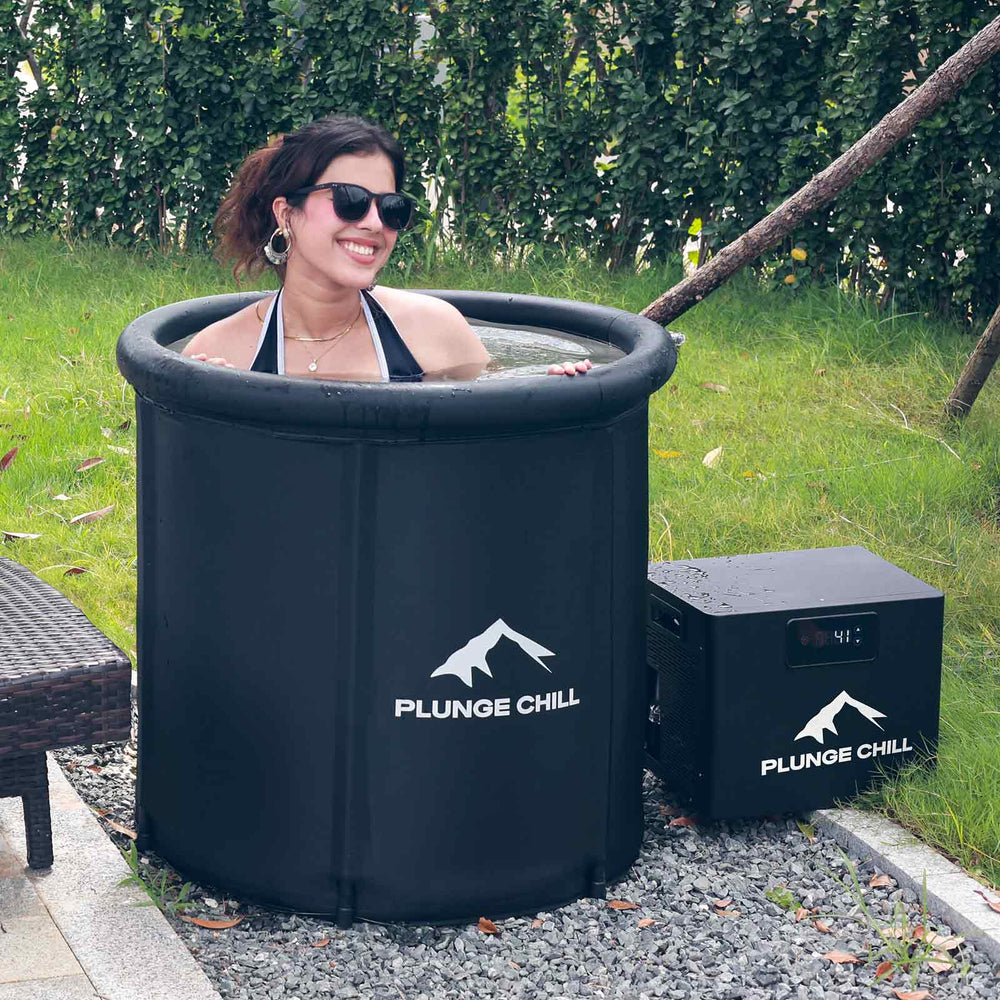
Use the Norwegian approach: slow, social, and structured. For most healthy adults, these steps create a safe entry point, whether you are at a fjord dock or using a backyard plunge:
- Keep swimming into fall: let your body adapt as the water cools instead of jumping straight into 35°F in January.
- Train the cold at home: finish showers cold or use short cold foot baths to rehearse the sensation and your breathing control.
- Choose the right spot: a supervised beach or dock with a ladder, easy exit, and no current; wear a bright cap and never swim alone.
- Respect exposure time: in near‑freezing water, start with 1–3 minutes; around 50–59°F, build gradually toward 5–10 minutes, getting out while you still feel in control.
- Rewarm deliberately: dry off immediately, layer up (including hat and gloves), sip a hot drink, and walk around gently for 10–15 minutes while your core temperature rebounds.
People with heart disease, severe asthma, Raynaud’s, epilepsy, or who are on beta‑blockers should get medical clearance and may be better served by a moderated cold‑plunge tub at home rather than open winter seas.
Done this way, cold water swimming in Norway becomes less of a dare and more of a disciplined, evidence‑informed training tool—one that can sit alongside strength work, conditioning, and a well‑designed recovery plan to keep you performing through the long, dark winter.

References
- https://www.academia.edu/127611251/Leukocyte_apoptosis_in_winter_swimmers
- https://scholarworks.bgsu.edu/cgi/viewcontent.cgi?article=1695&context=ijare
- https://cupola.gettysburg.edu/cgi/viewcontent.cgi?article=2078&context=student_scholarship
- https://www.health.harvard.edu/staying-healthy/out-in-the-cold
- https://lifestylemedicine.stanford.edu/jumping-into-the-ice-bath-trend-mental-health-benefits-of-cold-water-immersion/