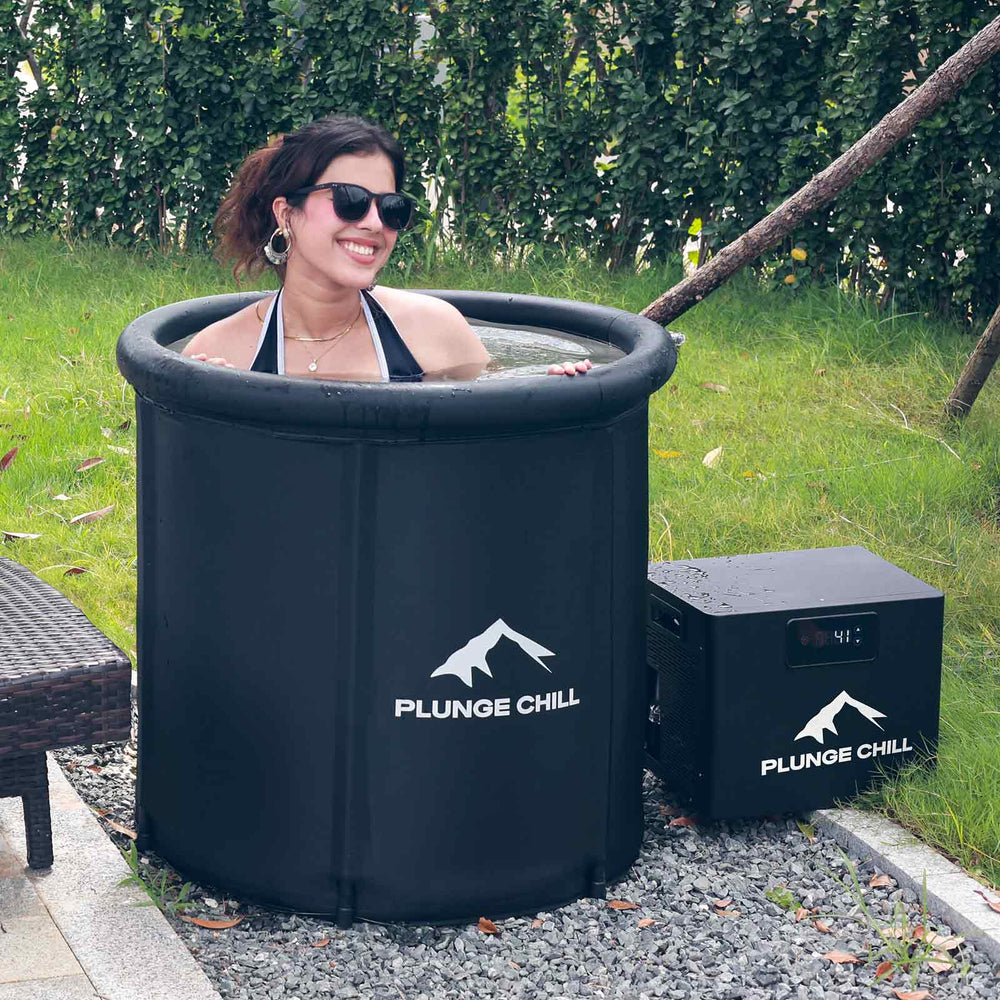
As a sports rehabilitation specialist and strength coach who tests cold plunge products with athletes, I’ve seen the power of temperature on both performance and mood. The goal of this article is not to sell you on suffering through an ice bath. It’s to translate what the best-available evidence says about cold exposure and anxiety—where it clearly helps, where claims are overreached, how to use it safely, and how to choose and maintain equipment you’ll actually use. I will reference reputable sources by name so you or your clinician can follow up in detail later.
What “Cold Therapy” Means—And What It Doesn’t
Cold therapy is a broad umbrella. It ranges from simple face splashes and ice packs to cold showers, cold water immersion in tubs or lakes, and commercial whole‑body cryotherapy chambers. In mental health contexts, the two most practical categories are brief, targeted cooling used as a grounding technique during spikes of anxiety, and short cold water exposures used routinely to train stress resilience and improve mood. It is not a standalone treatment for anxiety disorders. Think of it as an adjunct used alongside psychotherapy, medication when indicated, sleep hygiene, exercise, and skills like paced breathing.
In the performance world, “cold plunge” usually means immersion from roughly 50 to 59°F for a few minutes. Commercial whole‑body cryotherapy uses extremely cold air well below 0°F for about two to three minutes; leading dermatology and regulatory bodies do not recommend it for general wellness because of safety concerns, including frostbite risk, and lack of proven indications (American Academy of Dermatology; U.S. Food and Drug Administration, reported by BetterHelp).
How Cold May Calm the Brain
Cold triggers a predictable stress response at the skin, cardiovascular, and nervous system levels. The clinical neuroscience framing is neurohormesis: brief, controlled stressors can produce adaptive benefits while excessive or prolonged stress harms. PsychiatryOnline describes how cold exposure spikes catecholamines like norepinephrine, engages pain‑relieving beta‑endorphins, and shifts autonomic balance, which together can influence mood, alertness, and pain. The PubMed Central review on cold water therapy for healthy aging similarly summarizes small interventional studies showing improved alertness, potential mood benefits, and anti‑inflammatory effects, but emphasizes that definitive dosing and long‑term mental‑health outcomes are still uncertain.
There are also bottom‑up sensory and receptor pathways. TRPM8 cold receptors in the skin and face transduce cooling, which can modulate pain and autonomic tone. The so‑called diving response—strongly invoked by cooling the face—slows heart rate and helps interrupt runaway sympathetic arousal. Practical mental health sources including the National Center on Health, Physical Activity and Disability and Johns Hopkins employee assistance materials highlight this reflex with face splashes, cold compresses, or brief temperature shifts as rapidly deployable grounding tools.
You will encounter large neurotransmitter claims in the wellness space. Some retail blogs report cold immersion can increase dopamine by around 250% and norepinephrine by around 530% (Ice Barrel). Interpreting those magnitudes requires caution. Studies vary in population, tissue sampled, and timing; some are animal data or rely on indirect measures. A reasonable next step is verifying human studies that directly measure central or plasma catecholamines following specific cold protocols and comparing assay methods and sampling windows.

What the Evidence Says—Benefits, Limits, and Context
The most consistent, higher‑quality signal for cold exposure sits in post‑exercise recovery rather than anxiety. A synthesis discussed on the Psychiatry & Psychotherapy Podcast notes small but reliable reductions in delayed‑onset muscle soreness at 24 hours after cold water immersion. Power recovery benefits appear heterogenous and protocol‑dependent, and effect sizes vary widely. When you pivot to mental health outcomes, the evidence narrows considerably. The PubMed Central review characterizes the mental health literature as promising but not definitive, with uncertain optimal temperatures and durations. Claims of mood elevation and improved sleep appear in sports medicine and clinic blogs such as High Desert Sports & Spine; these align with plausible mechanisms but have not been nailed down with large, well‑controlled clinical trials.
There are also null and mixed findings. A randomized trial in a hospital setting (PubMed Central: chest tube removal) found that neither local cold application, respiratory relaxation, nor their combination reduced pre‑procedural anxiety compared with usual care. This does not invalidate cold for anxiety; it does remind us that the tool, the dose, and the context matter. Local cutaneous cooling around a chest tube is not the same stimulus as an immersion‑induced dive response.
Why Studies Disagree
Disagreement often reflects definitions, methods, and populations rather than “cold works” versus “cold doesn’t.” In sports medicine and lifestyle contexts, short cold plunges at 50 to 59°F can produce powerful sensory and autonomic inputs, and people report immediate mood improvement. In procedural medicine, small local cold packs may blunt pain signals without invoking the same whole‑body autonomic cascade.
Expectancy effects are a second confounder. The Psychiatry & Psychotherapy Podcast highlights a clever control showing that beliefs about a “recovery” additive altered self‑reported outcomes more than simple water temperature. That means clinical trials of cold exposure for mood should actively measure and control expectations, similar to psychedelic research, where expectation moderates antidepressant outcomes. If you see big self‑report changes without blinding or proper active controls, treat them as preliminary.
Finally, timing and outcome selection matter. It is plausible to see an immediate boost in alertness and positive affect in the minutes after a plunge while still observing no change in a generalized anxiety scale two days later. Similarly, data showing improved sleep could reflect secondary effects—like post‑immersion wind‑down routines—rather than a specific temperature‑driven pathway.

Grounding For Panic: The Fast Pathway
When anxiety surges, the goal is to quickly anchor attention in the present and shift autonomic tone. Practical playbooks from Johns Hopkins and clinical blogs recommend cool water on the face, a cold washcloth on the forehead or cheeks, or briefly holding an ice cube while pairing with slow nasal breathing and lengthened exhales. The National Center on Health, Physical Activity and Disability frames this as triggering the diving response, lowering heart rate, and soothing the nervous system. Mental health practices such as Pearlman & Associates teach the same approach as sensory distraction: attend to the cold, the numbness, and the melt, and the mind follows the body back to neutral. If full immersion isn’t feasible, even a face dunk for 15 to 30 seconds in cold water is cited by counseling sources as a quick panic interrupt; this remains a practical, low‑risk first step to test.
Protocols That Respect Physiology
For routine mood and resilience training, a conservative, widely used starting point is ending a warm shower with a brief cold interval. Many counseling and coaching sources advise beginning with about 30 to 60 seconds of cold at the end, then adding small increments as tolerance improves. Once comfortable, a cold plunge is typically set at about 50 to 55°F for two to five minutes, performed a few days per week. The Ice Barrel education notes suggest slow nasal breathing, progressive exposure, and consistency over intensity. Do not plunge alone, especially in natural water, and always rewarm gradually with dry clothes and gentle movement rather than jumping straight into a hot shower.
For acute anxiety spikes, prioritize techniques that affect the face and upper chest where trigeminal and vagal pathways are most accessible. A cold splash, a bowl face dunk, or a compress across the cheeks can be enough to slow heart rate and disrupt the spiral. If you track mood and sleep, you can decide whether adding cold showers or a tub supports your overall plan.
When Training and Mental Health Collide
Cold’s recovery benefits come with a trade‑off for hypertrophy. Multiple studies summarized by the Psychiatry & Psychotherapy Podcast found that cold water immersion immediately after strength training blunted muscle growth over weeks of training. One protocol at about 50°F for 10 minutes after lifting produced significantly less hypertrophy than active recovery; another protocol around 73°F up to the sternum also attenuated gains, with strength and endurance unchanged. If you lift for size, the simplest fix is to keep cold exposures away from post‑lift windows and use them on rest days or after cardio. As a coach, I advise lifters who still want the mood benefits to schedule cold in the morning and lift later, or to separate strength sessions and immersions by a broad margin. A reasonable verification is to run a four to eight‑week block where you either avoid post‑lift cold or separate it by at least several hours, then compare strength and muscle measurements to your typical post‑lift cold block.

Benefits You Can Reasonably Expect
The consistent near‑term effects are a sharper feeling of alertness, a calmer heart rate after the first minute or two, and a sense of regained control, especially when you pair cold with deliberate breathing. These map onto norepinephrine spikes, endorphin release, and the parasympathetic rebound described in PsychiatryOnline and the PubMed Central review. Several athletes and clinics also report better sleep quality when cold is used as part of a structured evening routine; High Desert Sports & Spine frames this as a plausible downstream effect of improved recovery and lower stress arousal. While these experiences are compelling, they live alongside mixed results in formal trials, so track your own outcomes and treat cold as a personal experiment rather than a one‑size solution.
Risks, Contraindications, and A Few Overlooked Drawbacks
Cold exposure is not for everyone. People with cardiovascular disease, significant circulatory disorders such as Raynaud’s, certain respiratory conditions, or pregnancy should consult a clinician before starting. Whole‑body cryotherapy is not endorsed by the American Academy of Dermatology or the Food and Drug Administration for wellness use, and cases of frostbite have been reported; this approach offers little that a controlled cold shower or plunge cannot provide more safely.
One overlooked drawback is cognitive performance in the short window during and after cold. A systematic review summarized on the Psychiatry & Psychotherapy Podcast found acute impairments in processing speed and executive function in most experiments. In practice, that means a very cold session could briefly dull decision‑making. If you plan high‑stakes cognitive work immediately after immersion, keep exposures short and moderate until you understand your response. A reasonable verification is to time light cognitive tasks at set intervals after your sessions and note any patterns.
Another underappreciated factor is placebo and expectation. If you believe a method will sharpen your mood, it often does. That does not invalidate the practice. It does mean that for anxiety, cold is best integrated into a broader plan—breathing, therapy, exercise—so that any expectancy benefit multiplies rather than substitutes for evidence‑based care.

Choosing a Modality and a Setup You’ll Actually Use
Cold therapy must be convenient to be effective. If you need bags of ice every session, adherence plummets. Education from Ice Barrel and counseling sources converge on three practical criteria: stable temperature, ergonomics that encourage relaxed posture and diaphragmatic breathing, and hygienic, easy‑to‑maintain setups. In my facility, the tubs that hold 50 to 55°F without daily ice, have a seat or stance that prevents slumping, and clean up quickly are the ones athletes use consistently.
A cold shower is often the simplest entry point and remains a valid long‑term option; finishing cold trains the same breathing and attention skills, particularly for morning alertness. For those who want dedicated equipment, weigh whether the system can maintain water in the low‑50s°F repeatedly, how easy it is to drain and wipe surfaces, and whether the ergonomics allow you to settle your shoulders and neck comfortably for a few minutes. DIY tubs can work, but inconsistent temperatures, awkward posture, and higher maintenance burden often reduce adherence; this is echoed in commercial education sources.

Care and Hygiene
Keep the water clean enough that your respiratory rate and skin do not pay the price. Follow manufacturer instructions for sanitation; wipe skin oils from contact points; and keep a lid on the tub when not in use. If you share a unit, shorten sessions and ensure a thorough cleaning cadence suited to the usage volume. These are common‑sense measures rather than strict medical protocols, but they directly affect adherence and safety.
A Quick Comparison of Options
|
Modality |
Typical target temperature |
Typical time |
Best use case |
Key caveats |
|
Cold face immersion or splash |
Cold tap or ice bowl |
15–30 seconds |
Rapid panic grounding via dive response |
Brief dizziness possible; stop if uncomfortable |
|
Cold shower finish |
As cold as comfortably tolerated |
30–120 seconds, progressed |
Daily mood/alertness, breathing practice |
Harder to quantify dose; ease into it |
|
Cold plunge tub |
About 50–55°F |
2–5 minutes |
Mood and resilience training; recovery on rest days |
Avoid immediately post‑lifting if hypertrophy is a goal |
|
Natural water swim |
Varies with season |
Brief, skill‑dependent |
Experienced swimmers seeking combined nature and cold |
Safety, currents, and temperature variability |
|
Whole‑body cryotherapy |
Extremely cold air well below 0°F |
2–3 minutes |
Niche use; not recommended by dermatology/regulators for wellness |
Frostbite risk; limited evidence for mental health |
Temperatures and times above reflect ranges cited by High Desert Sports & Spine, Ice Barrel education, Psychiatry & Psychotherapy Podcast discussions, and a PubMed Central review; your tolerance and goals should dictate the exact starting point.
Pros and Cons in Plain Terms
Cold is a fast‑acting sensory disruptor with plausible neurochemical underpinnings. It can break the loop during acute anxiety, teach you to breathe through discomfort, and provide a consistent, brief ritual that pairs well with other mental health tools. It is inexpensive to start with and, with the right setup, easy to maintain. On the other hand, it is a stressor that can impair cognition in the short window after use, and for strength athletes seeking muscle growth, it conflicts with the anabolic signaling you want immediately after lifting. Whole‑body cryotherapy adds risk without clear mental‑health advantages. And while mood pops are common, the clinical evidence for sustained anxiety reduction remains preliminary, with expectancy effects playing a measurable role.
Putting It Together: A Practical Template
For panic tools, keep a bowl in the freezer and practice a face dunk for twenty seconds while breathing slowly through the nose and lengthening the exhale. For routine mood regulation, finish morning showers with a cold minute for two weeks and journal energy, sleep, and anxiety ratings. If you progress to a tub, target about 50 to 55°F and two to three minutes, two to four times per week, with slow nasal breathing. Lifters should avoid post‑lift immersions; choose rest days or mornings before evening training. If you have cardiovascular disease, Raynaud’s, are pregnant, or have other significant health conditions, talk with your clinician before starting.
Takeaway
Cold exposure is not a cure for anxiety, but it is a potent, accessible tool that can rapidly anchor your attention, modulate arousal, and train resilience when layered into a comprehensive plan. Use it responsibly, track your personal response, and choose equipment you will maintain and actually use. The science supports immediate benefits, flags important trade‑offs, and invites better trials. In the meantime, a measured, safety‑first approach lets you harness the chill without buying into the hype.
FAQ
How cold should I go to help with anxiety?
For most people, a practical target is about 50 to 55°F in a tub for two to five minutes, or simply the coldest tolerable setting at the end of a shower for thirty to sixty seconds. These ranges reflect common practice shared by sports and counseling sources and align with reviews that place cold water immersion in the low‑50s°F.
Can a quick cold splash really stop a panic attack?
Cooling the face can trigger the diving response, which slows heart rate and can interrupt spiraling. Clinical guides from Johns Hopkins and disability health resources teach this as a first‑line grounding technique because it is fast, portable, and low risk. If symptoms persist or worsen, seek professional support.
Will cold after lifting hurt my gains?
Cold water immersion immediately after strength sessions has been shown to blunt muscle hypertrophy over time in controlled studies summarized by the Psychiatry & Psychotherapy Podcast. If building muscle is a priority, separate cold from lifting, use it on rest days, or reserve it for cardio days.
Is whole‑body cryotherapy a good alternative to a cold plunge?
Whole‑body cryotherapy uses extremely cold air for very short exposures and is not recommended for general wellness by dermatology and regulatory bodies because of safety events and limited evidence. A cold shower or well‑kept tub at home can provide similar autonomic effects with fewer risks.
How often should I do cold exposure for anxiety?
Start with two to four exposures per week and reassess sleep, mood, and training recovery after two to four weeks. Many benefits are immediate, but the sustainable routine is the one you adhere to without dreading it.
Do the big neurotransmitter spikes I read about actually happen?
Large percentage increases are often cited in popular articles, but measures vary across species, tissues, and time points. The mechanistic direction—norepinephrine and endorphin rises—is well supported, but magnitudes for a given at‑home protocol are uncertain.

Notes on Sources
Key mechanisms and safety framing are drawn from PsychiatryOnline and a PubMed Central review on cold water therapy’s role in healthy aging. Practical grounding tactics come from Johns Hopkins employee assistance materials and disability health resources. Product and protocol considerations, including temperature targets and equipment ergonomics, reflect guidance found in Ice Barrel education and coaching practice. The mixed evidence base, placebo considerations, hypertrophy trade‑offs, and acute cognitive effects are summarized by the Psychiatry & Psychotherapy Podcast. Whole‑body cryotherapy cautions reflect positions referenced by BetterHelp regarding dermatology and regulatory perspectives.
References
- https://cupola.gettysburg.edu/cgi/viewcontent.cgi?article=2078&context=student_scholarship
- https://www.health.harvard.edu/blog/can-cryotherapy-stop-your-pain-cold-or-is-just-a-lot-of-hot-air-2018041813612
- https://digitalcommons.liberty.edu/cgi/viewcontent.cgi?article=8439&context=doctoral
- https://digitalcommons.lindenwood.edu/cgi/viewcontent.cgi?article=1746&context=faculty-research-papers
- https://remix.berklee.edu/mhi-citations/505/
- https://hr.jhu.edu/wp-content/uploads/JHEAP-Grounding-Techniques-to-Help-Control-Anxietypdf.pdf
- https://pmc.ncbi.nlm.nih.gov/articles/PMC11872954/
- https://cdr.lib.unc.edu/concern/honors_theses/2227mz36n
- https://crh.arizona.edu/sites/default/files/2022-07/Pain_managment_ideas.pdf
- https://www.mayoclinichealthsystem.org/hometown-health/speaking-of-health/cold-plunge-after-workouts
Disclaimer
By reading this article, you acknowledge that you are responsible for your own health and safety.
The views and opinions expressed herein are based on the author's professional expertise (DPT, CSCS) and cited sources, but are not a guarantee of outcome. If you have a pre-existing health condition, are pregnant, or have any concerns about using cold water therapy, consult with your physician before starting any new regimen.
Reliance on any information provided in this article is solely at your own risk.
Always seek the advice of a qualified healthcare provider with any questions you may have regarding a medical condition, lifestyle changes, or the use of cold water immersion. Never disregard professional medical advice or delay in seeking it because of something you have read in this article.
The information provided in this blog post, "Cold Therapy Anxiety Reduction: How the Chill Calms Your Mind," is for informational and educational purposes only. It is not intended to be a substitute for professional medical advice, diagnosis, or treatment.
General Health Information & No Medical Advice