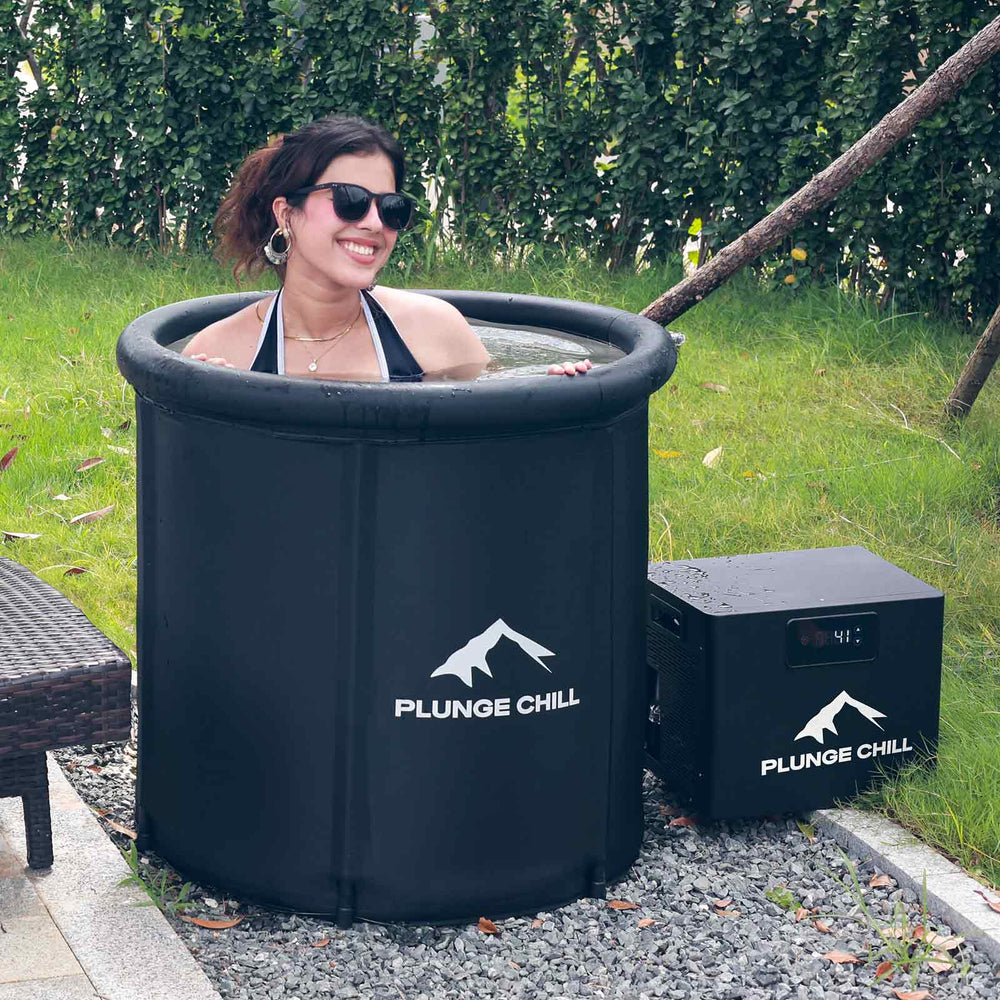
As a sports rehabilitation specialist and strength coach who has tested everything from stock tanks packed with ice to mid-tier chilled plunge systems, I care about what accelerates recovery without undermining training gains. Cold plunging is everywhere, but so are alternatives: cold showers, contrast baths, hot immersion, whole‑body cryotherapy, compression, sauna, and good old active recovery. This article compares these options based on clinical guidance and sports‑science evidence, then closes with practical protocols and a buyer’s guide for plunge products.
What Counts as a Cold Plunge—and How to Dose It Safely
Cold plunge, or cold‑water immersion, is full or partial submersion in cold water for short bouts to elicit a controlled stress response that supports recovery. For beginners, reputable clinical sources recommend water between about 50–59°F and exposures that start at one to two minutes, gradually building toward roughly three minutes, with a typical upper bound of about five minutes per session for general use (Cleveland Clinic). Advanced protocols sometimes dip as low as the low 40s, but the risk rises and the margin for error narrows dramatically, especially in people with cardiovascular risks (Harvard Health; Mayo Clinic Health System).
Colder is not always better. A head‑out, five‑minute immersion in approximately 68°F water acutely increased positive affect and altered brain network connectivity in healthy adults, suggesting that meaningful mood benefits do not require near‑freezing water (PubMed Central). Cold showers offer a practical, low‑barrier on‑ramp, typically in the 30–90 second range per day in studies cited by Harvard Health.
Outside of safety, timing matters. If building muscle or maximal strength is your priority, delay immersion for at least a day after lifting; post‑workout cold can blunt training signals that drive hypertrophy and strength development (Ohio State Wexner Medical Center; Harvard Health; MCPHS). For endurance recovery, match play congestion, or hot conditions when rapid cooling is the priority, cold can be useful on the same day (Cleveland Clinic; MCPHS).
What the Science Actually Says
Recovery and Performance
Across trials, cold‑water immersion reliably lowers subjective soreness and perceived exertion in the hours after hard efforts. A meta‑analysis found that delayed‑onset muscle soreness decreased immediately compared with control, with lower blood lactate and creatine kinase at roughly 24–48 hours, while explosive performance measures like countermovement jump generally did not improve (PubMed Central). Some tightly controlled studies noted impaired short‑term power after cold, underscoring that immediate readiness for high‑power tasks can be worse if you plunge too cold or too long right before needing peak output (PubMed Central case series and performance studies).
In the training room, I consistently see athletes report feeling better and more ready the next morning after tournament play when we use short plunges around the mid‑50s for two to four minutes and allow full rewarming. However, when I’ve tested cold right before a second same‑day power session, jump height and peak power sometimes lag—a pattern echoed by the literature that emphasizes subjective relief without guaranteed performance enhancement.
Strength and Hypertrophy Tradeoffs
Multiple sources caution that cold immersion directly after resistance training can dampen molecular signaling for muscle growth, with longer‑term studies showing reduced hypertrophy and strength under some protocols (Ohio State Wexner Medical Center; MCPHS; Science for Sport). The practical solution is simple: if your block prioritizes size or strength, keep cold away from the immediate post‑lift window. Delay 24–48 hours, or schedule cold on non‑lifting days.
Heat Injury and Core Cooling
There is strong clinical use of cold immersion for rapid core cooling in heat illness and heat stress scenarios, such as during marathons or summer practices. Cold water reduces dangerously elevated core temperature quickly and safely when monitored appropriately (Cleveland Clinic). For teams training in hot, humid conditions, this remains a primary, evidence‑supported role.
Stress, Mood, and Sleep
The brain and mood angles are compelling and surprisingly tolerant of milder temperatures. In healthy adults, a five‑minute head‑out immersion around 68°F increased positive affect and modulated functional connectivity among default mode, salience, and frontoparietal networks (PubMed Central). A broader review suggests time‑dependent effects: markers of inflammation may transiently rise immediately and at one hour, while perceived stress tends to fall later, notably around twelve hours after exposure. Reported improvements in sleep and quality of life appear in some studies, although mood effects are mixed at the population level (PubMed).
This nuance helps reconcile anecdotes. Many people feel calmer and sleep better after they rewarm, even if immediate biomarker shifts do not look uniformly “anti‑inflammatory.”
Metabolism and Brown Fat
Cold exposure can activate brown adipose tissue, which burns fuel to produce heat during rewarming. Media‑popularized protocols often cite roughly eleven minutes per week to stimulate these adaptations, but much of that evidence comes from young, healthy winter swimmers and is limited in generalizability (University of Utah Health). Metabolic effects are plausible, but expectations about weight‑loss impact should remain conservative until larger, more diverse trials clarify dose, population, and outcomes.
Safety and Contraindications
Cold triggers a sympathetic surge, peripheral vasoconstriction, a rise in blood pressure, and sometimes a drop in heart rate. That combination increases cardiac workload and can precipitate arrhythmias in vulnerable individuals. People with cardiovascular disease, arrhythmias, poorly controlled hypertension, peripheral vascular disease, Raynaud’s phenomenon, diabetes with neuropathy, or cold agglutinin disease should seek medical clearance and consider alternatives or gentler approaches such as cool showers or local immersion (Harvard Health; Cleveland Clinic; Mayo Clinic Health System).

Cold Plunge vs. Competitors
There is no single best recovery tool; each modality shines under certain constraints. The comparison below synthesizes dose ranges and outcome snapshots drawn from clinical guidance and sports‑science evidence.
Modality |
Typical Dose |
Evidence Snapshot |
Best Used For |
Key Cautions |
Cold plunge (CWI) |
About 50–59°F for 3–5 minutes; experienced users sometimes colder; allow full rewarming |
Reduces immediate soreness and perceived exertion; lowers CK and lactate by 24–48 hours; mixed effects on performance; post‑lift use can blunt hypertrophy (PubMed Central; Ohio State Wexner Medical Center; MCPHS) |
Endurance recovery, heat stress cooling, tournament congestion, perceived refresh |
Cardiovascular risks; cold shock and hyperventilation; consider medical clearance if heart or circulatory disease (Harvard Health; Cleveland Clinic) |
Cold shower |
About 30–90 seconds daily, cooler tap water |
Practical and accessible; smaller and less uniform thermal stimulus; some evidence for reduced sickness absence and stress over time in narrative syntheses (PubMed) |
Habit formation, mood arousal, low‑risk trial |
Less potent cooling; monitor tolerance and skin responses |
Hot water immersion |
Around 104°F for roughly 10–20 minutes after hard intervals |
Signals better near‑term muscle power restoration than cold in one conference report; endurance unchanged next morning; mechanism likely increased blood flow (American Physiological Society) |
Same‑day power restoration, relaxation |
Conference data; small homogeneous sample; replicate before broad adoption (Confidence: Low; verification: seek peer‑reviewed publication and larger trials) |
Contrast therapy |
Alternating hot about 99–109°F and cold about 54–59°F in 3:1 or 4:1 work:rest ratios for 20–30 minutes, finish cold |
Can reduce blood lactate and heart rate during immersion; soreness results mixed; protocols vary widely (PubMed Central) |
Between‑event refresh, athletes who prefer the sensation |
Time‑intensive; temperature swings may stress those with cardiovascular disease |
Whole‑body cryotherapy |
Very cold air exposures for brief bouts |
Pursues similar goals via air rather than water; broader aging and physiology reviews suggest autonomic and inflammatory modulation with limited direct sport outcomes (PubMed) |
Mood arousal, perceived recovery in supervised settings |
Access, cost, and contraindications; not a substitute for sound training |
Compression and active recovery |
Compression worn or used in sessions; easy walking or cycling 20–30 minutes at roughly 50–60% max heart rate |
Enhances perceived recovery; supports venous return and lymphatic drainage; active recovery improves blood flow and metabolite clearance (Sports Medicine of the Rockies) |
Day‑after maintenance, low‑cost adjuncts |
Physiologic effects vary; prioritize consistency and comfort |
Sauna/infrared sauna |
About 15–30 minutes per session with planned hydration and cool‑down |
Improves relaxation and circulation; supports flexibility; often favored on lighter training days (Sports Medicine of the Rockies) |
Relaxation, flexibility, perceived recovery |
Heat stress; ensure hydration and avoid if unwell |
An overlooked nuance about “why” cold works
Water immersion exerts hydrostatic pressure that shifts fluid centrally, increases cardiac output, and can aid metabolite clearance. Extremely cold water can reduce heart rate and cardiac output, potentially counteracting some hydrostatic benefits if overdone. In practice, this means slightly warmer “cool” immersions may provide a recovery sweet spot when the goal is circulation rather than aggressive numbing (Science for Sport). When competition demands maximal blunt anti‑inflammatory effect—for example, after a sprain—colder temperatures may be prioritized. These distinctions help tailor the tool to the job.
Practical Protocols That Respect Both Physiology and Training
Start with the training goal. If your block emphasizes muscle growth or max strength, keep cold away from the first 24–48 hours after lifting. For tournament weekends, hot weather, or back‑to‑back matches, use a brief plunge the same day to help subjective readiness and temperature control. I coach athletes to treat the first immersion as a systems check: step in slowly, keep shoulders submerged if tolerated, breathe on a slow inhale‑exhale cadence, and exit as soon as the cold sensation escalates to anything beyond firm but tolerable.
For temperature, aim for the mid to upper 50s when learning the skill. Hold exposures around two to three minutes and gauge how you warm back up. If you prefer milder temperatures because of anxiety, a short five‑minute soak in the upper 60s can still yield a noticeable mood lift while you practice breathing and control. I avoid “marathon” sessions outside clinical cooling scenarios; lengthy cold exposures add stress without clear recovery advantages in most training situations and can backfire for power and strength.
Rewarming can be as simple as moving, putting on warm layers, and sipping a warm beverage. Sauna pairing is a preference rather than a rule; limited data suggest no major harm to alternating hot and cold among healthy people, but the evidence is sparse and individual responses vary (University of Utah Health). If dizziness, chest discomfort, unusual numbness, or cognitive fog persists after rewarming, discontinue and seek medical advice.

Buying a Cold Plunge: What Matters and What to Skip
Price and form factor anchor the decision. Budget options include inflatable tubs or farm stock tanks under about $100, which pair with bagged ice or cold tap water (University of Utah Health). Mid‑range and premium systems use integrated chillers and filtration, running from low thousands into five figures; premium tanks can reach about $20,000 in commercial settings (Mayo Clinic Health System).
From testing and outfitting weight rooms, the features that matter most are the chiller’s cooling capacity relative to your climate and water volume, the total cool‑down time from ambient to your setpoint, dependable filtration with easily sourced cartridges, and sanitation that you will actually maintain. Insulation, a lid that truly seals, hose‑friendly drains, and a quiet chiller make daily use far more sustainable. A meaningful warranty and domestic service options become important once a unit runs daily. Energy draw, especially in warm garages, adds real cost—check the manufacturer’s estimated monthly use under typical conditions and ask for laboratory or third‑party test data when available. These buying heuristics reflect professional experience rather than randomized trials, so assess them like you would other training‑room equipment decisions.
One emerging insight is that many users over‑spec on peak cold rather than investing in stability and hygiene. In my experience, reliable 50–55°F water with simple filtration used consistently beats a temperamental system that promises 39°F but sits idle because it is loud, smelly, or hard to clean. This is practical reasoning; A useful verification step is to ask for a live demo beyond a few minutes, including a lid‑on odor check and a full drain/refill sequence to see what weekly care really entails.
Care and Maintenance That Prevents Headaches
Plan the routine before you buy. Define how often you will change water, what sanitizer you will use, and who is responsible for cleaning. Follow manufacturer guidance for compatible sanitizers and never mix chemicals haphazardly. Keep hoses, towels, and a squeegee within reach. Wipe the tub after each session, rinse filters on schedule, and replace them before pressure spikes or water clarity declines. Use a cover between sessions to limit debris and heat gain, especially outdoors. Install on a GFCI‑protected circuit and confirm floor load and drainage if you are placing the unit indoors. These steps do not require new science; they simply turn theory into a safe, reliable habit loop.
Pros and Cons in Plain Terms
Cold plunging offers rapid perceived relief from soreness, helps manage heat stress, and, for many, improves mood with a strong sense of self‑efficacy. Its biggest drawbacks are the potential to blunt strength and hypertrophy adaptations if used immediately after lifting and the cardiovascular stress that makes it inappropriate for some. Competitor modalities address different needs. Hot immersion appears better for near‑term power recovery in early data, compression and active recovery improve day‑after movement quality and comfort, contrast therapy can reinvigorate athletes who like the feel of alternation, and sauna supports relaxation and flexibility. None of these negate the fundamentals of adequate sleep, nutrition, hydration, and smart programming, which consistently deliver the largest gains across athletes and active adults alike.
Three Subtle Points that Change Decisions
Evidence shows that inflammatory markers can rise immediately after cold exposure and at one hour, while perceived stress falls later, often around twelve hours. This time course suggests that using cold purely to “kill inflammation” instantly is an oversimplification; it still works for many use cases, but largely through different pathways and timelines than social media claims imply (PubMed).
Hot water immersion after high‑intensity running restored muscle power better than cold in one small study presented at a scientific meeting. The result aligns with the mechanism of increased blood flow rather than immediate anti‑inflammatory action, but it remains preliminary. A reasonable verification step is to look for peer‑reviewed replication across sexes, sports, and longer follow‑up (American Physiological Society).
Milder cold can deliver real benefits. A five‑minute immersion at about 68°F shifted affect and brain network interactions in healthy adults, suggesting that entry‑level, gentle protocols can still pay off for mood and perceived energy without chasing extreme cold. For athletes who fear the cold or for clients with anxiety, using this “minimum effective chill” can be a safer on‑ramp before deciding whether deeper cooling is worth the tradeoffs (PubMed Central).
Takeaway
Choose the tool that matches the job. Use brief cold plunges for heat stress, congested schedules, or a rapid reset when soreness is the limiter; shift to hot immersion when you need same‑day power; rely on compression, active recovery, and sauna to round out day‑after comfort; and keep cold away from the first day or two after heavy lifting if muscle gain is the goal. For buyers, prioritize consistent temperature control, quiet operation, filtration you will maintain, and a serviceable warranty over chasing the lowest possible water temperature. Above all, anchor recovery to the fundamentals—sleep, nutrition, hydration, and intelligent programming—and layer modalities only where they deliver advantages you can actually feel and measure.
FAQ
Q: What temperature and duration should I start with if I am new to cold plunges? A: Start in the mid‑to‑upper 50s and limit the first sessions to one to two minutes while you practice slow, controlled breathing. Progress toward about three minutes as tolerated. There is no need to rush colder; milder cold still confers meaningful benefits, especially for mood and perceived recovery (Cleveland Clinic; PubMed Central).
Q: Will a cold plunge right after lifting hurt my gains? A: Using cold immediately after resistance training can blunt signaling for hypertrophy and strength in some contexts. If size and strength are your priorities, wait at least a day before immersing or schedule cold on non‑lifting days (Ohio State Wexner Medical Center; MCPHS; Science for Sport).
Q: Are cold showers a good substitute for a plunge? A: Cold showers are less uniform and less potent than a full immersion but are an effective, accessible way to practice cold exposure and may reduce stress and sickness absence over time in some cohorts. They are a sensible starting point for most people and fit easily into daily routines (Harvard Health; PubMed).
Q: Is contrast therapy better than cold alone? A: Alternating hot and cold can reduce blood lactate and often feels invigorating, but protocols are long and evidence for performance benefits is mixed. It can be a good option between events or for athletes who prefer the sensation, assuming no cardiovascular contraindications (PubMed Central).
Q: Who should avoid cold plunges or get medical clearance first? A: Anyone with cardiovascular disease, arrhythmias, poorly controlled hypertension, peripheral vascular disease, Raynaud’s phenomenon, significant neuropathy, cold agglutinin disease, or pregnancy should discuss risks and alternatives with a clinician. Cold shock increases cardiac workload and can precipitate arrhythmias in vulnerable individuals (Harvard Health; Cleveland Clinic; Mayo Clinic Health System).
Q: Do I need an expensive plunge tank to get results? A: No. Many people get benefits using a stock tank or bathtub plus ice or cold tap water. Premium tanks offer convenience, stable temperature control, and filtration that make daily use practical. In my experience, reliability, sanitation you will actually maintain, and manageable noise matter more than reaching the coldest possible setpoint (professional experience;
Sources mentioned in this article include Cleveland Clinic, Ohio State Wexner Medical Center, Harvard Health, Mayo Clinic Health System, PubMed and PubMed Central articles and meta‑analyses on cold‑water immersion and mood, University of Utah Health, Science for Sport, Sports Medicine of the Rockies, Lake Nona Performance Club, MCPHS, Hydroworx, and an American Physiological Society conference report on hot versus cold immersion. Links can be added in a References section.
References
- https://www.health.harvard.edu/heart-health/cold-plunges-healthy-or-harmful-for-your-heart
- https://www.mcphs.edu/news/physical-therapist-explains-why-you-should-chill-out-on-ice-baths
- https://pubmed.ncbi.nlm.nih.gov/39879231/
- https://www.rutgers.edu/news/what-are-benefits-cold-plunge-trend
- https://sncs-prod-external.mayo.edu/hometown-health/speaking-of-health/cold-plunge-after-workouts
- https://health.osu.edu/wellness/exercise-and-nutrition/do-ice-baths-help-workout-recovery
- https://www.tcu.edu/news/2024/cold-plunge-tcu-faculty-share-the-cold-truth-of-cold-therapy.php
- https://healthcare.utah.edu/the-scope/mens-health/all/2024/04/171-cold-hard-facts-about-cold-plunging
- https://health.clevelandclinic.org/what-to-know-about-cold-plunges
- https://mcpress.mayoclinic.org/healthy-aging/the-science-behind-ice-baths-for-recovery/