As a sports rehabilitation specialist and strength coach who also reviews cold plunge products, I use cold exposure and mindfulness with athletes and everyday clients to sharpen focus, regulate stress, and accelerate return to play. When applied with sound protocols and clear intentions, the combination can build resilience without blunting training adaptations or overwhelming the nervous system. This article synthesizes current evidence on deliberate cold exposure and mindfulness meditation, translates it into practice-ready guidance, and adds practical buying and care considerations for your home or facility setup.
What We Mean by Cold Exposure and Mindfulness
Deliberate cold exposure refers to short, controlled bouts of cold—cold showers, ice baths, or cryotherapy—in which temperature and time are selected to deliver a specific training stimulus. The intent is hormesis: a moderate stressor that triggers beneficial neural, vascular, and endocrine adaptations. Reports from Embr Labs describe sympathetic activation with a rise in norepinephrine and adrenaline, vascular constriction followed by rewarming dilation, and a mood-lifting endorphin response that supports attention, energy, and stress regulation.
Mindfulness meditation is a trainable skill of present-moment, nonjudgmental awareness. Large health systems including UC Davis Health, the American Psychological Association, Harvard Health Publishing, and Mayo Clinic describe consistent benefits for stress, mood, and pain coping, with programs like Mindfulness-Based Stress Reduction offering structured pathways. The most reliable starting point is simple breath-focused practice for 5–10 minutes daily, returning attention to the breath each time the mind wanders.
When combined, cold exposure becomes a live-fire environment for mindfulness: sensations are strong, breath wants to run away, and the mind often spirals. The practice is to notice, breathe, and stay with the present moment. Articles oriented to ice-bath rituals describe how cold intensity narrows attention into the “now,” magnifies interoceptive signals for body-scan practices, and promotes a transfer effect—staying steady under discomfort that carries back into daily life.
Why Combine Them: Physiology Meets Attention Training
Several mechanisms make this pairing compelling. Cold exposure drives a sympathetic surge with catecholamines that heighten alertness and focus while priming a rewarming parasympathetic rebound. As reported by Stanford Lifestyle Medicine, full-body cold exposure can increase vigor and self-esteem while lowering tension and fatigue; cortisol commonly falls after immersion and may remain below baseline for one to three hours, especially as people adapt across weeks, while the norepinephrine rise persists. On the circulatory side, the cold induces vasoconstriction; rewarming then improves perfusion, correlating with users’ reports of mental clarity.
A 5‑minute head-out immersion at about 68°F in healthy adults increased positive affect and reduced distress and nervousness, and functional MRI findings linked these changes to interactions among the default mode, salience, and frontoparietal networks. The affective shifts occurred independently rather than as a single bipolar swing, aligning with the bivalence view of positive and negative affect being separable processes. In plain terms, you feel more energized and inspired while feeling less distressed, and the brain’s attention and self-regulation hubs talk to each other differently afterward.
Mindfulness contributes the attentional “steering wheel.” Systematic reviews and meta-analyses report small-to-moderate benefits for anxiety, depression, and pain. Evidence for attention-specific gains is more modest, but mechanisms—attention regulation, decentering, and emotion regulation—map well to the breath and body awareness you need to stay present in the cold. Together, these practices combine a bottom-up arousal stimulus with top-down attentional control.

Evidence Snapshot and Realistic Expectations
The mood and resilience case for cold exposure is promising. Stanford Lifestyle Medicine summarizes work where self-reported mood improved after open-water or bath-based exposures, including a 20‑minute sea immersion near 56.5°F in undergraduates and a 5‑minute 68°F bath in novices that increased activity, alertness, pride, and inspiration. Acute beta-endorphin and norepinephrine increases plausibly support well-being and attention, and with adaptation across weeks, cortisol responses tend to diminish while norepinephrine responsiveness remains. Facial cold can trigger the diving reflex through the vagus and trigeminal nerves, pulling the body toward a calming parasympathetic state and supporting emotion-regulation skills.
Meditation’s most robust outcomes are also realistic and complementary. A large meta-analysis of randomized trials with active controls found moderate evidence that mindfulness training reduces anxiety, depression, and pain; evidence for attention improvements was lower, underscoring that mindfulness is not a quick cure and should not be positioned as superior to other established treatments. Harvard Health Publishing and the American Psychological Association similarly emphasize that mindfulness helps as an adjunct to routine care, that expectations should be measured, and that many find benefits with steady, consistent practice.
Expectancy effects matter in this space. Discussions in the Psychiatry and Psychotherapy Podcast highlight that beliefs about an intervention can meaningfully influence outcomes in both exercise recovery and mental health. This doesn’t invalidate cold exposure or mindfulness; it reminds us to track real markers—mood, attention, sleep, training quality—and stay honest about what is changing.
A final nuance is dose. At moderate intensities, many people report improved alertness. At more severe cold stress, a systematic review has linked cold exposure to transient impairments in processing speed and executive function during and shortly after the cold. In practice, this means scheduling matters: use moderate doses for mental clarity days and save very cold or longer immersions for times when you can rewarm, recover, and not immediately tackle complex cognitive tasks.
Protocols That Work in the Real World
In coaching settings, I teach a simple progression and reinforce safety and intent. For a first stimulus, a cold shower for 30–60 seconds at the end of a warm shower teaches breath control without the full body shock of a plunge, a starting point also suggested by Embr Labs and echoed in practical guides. For a stronger stimulus, short head-out immersions in water near 50–60°F for about two to five minutes help build tolerance while remaining within safety recommendations summarized by Stanford Lifestyle Medicine. Novices can start near 68°F for approximately two minutes and progress duration before temperature. Multiple sets are rarely necessary at the beginning and should not push beyond comfort and control of breath.
Cryotherapy chambers deliver extremely cold air in professional settings for about two to three minutes; they can be effective for people who prefer dry cold or need precise environmental control, though water immersion to the neck typically provides a stronger thermal load for the time spent. Facial cold-water dips are a practical tool for emotion regulation and can be done daily for brief bouts, particularly when a quick calm-down is needed without the logistics of a full plunge.
Breathing and mindfulness integrate at two junctures. During immersion, favor calm nasal or controlled diaphragmatic breathing and an anchored attention on bodily sensations. The aim is neither to fight nor to flee the sensation, but to notice the surge and steadily re-center. Avoid hyperventilation protocols in or near water. After you exit, warm, dry, and safely seated, you can add specific breathing protocols from methods like the Wim Hof approach if you enjoy them; a randomized trial combining breathing and cold exposure reported improvements in perceived stress when doses remained within a moderate hormetic window. The key is sequencing and safety.
Training context matters. If your priority is muscle hypertrophy, several peer-discussed sources summarized by the Psychiatry and Psychotherapy Podcast indicate that full-body cold water immersion immediately after lifting can blunt anabolic signaling and long-term hypertrophy. For strength and physique athletes, I schedule cold exposure before training, on non-lifting days, or at least six to eight hours after lifting sessions when hypertrophy is the focus. For game-day recovery, brief cold exposure can help soreness and perceived recovery without apparent detriment to next-day performance, provided you are not chasing size adaptations.
A weekly structure keeps the stressor productive. Practical sports performance guidance from Huberman Lab suggests accumulating roughly eleven minutes per week across two to four sessions, adjusting duration with temperature such that colder water requires less time. Ending a contrast sequence with cold, then allowing natural rewarming rather than aggressively heating up, is sometimes used to encourage metabolic adaptations; use this when the goal is resilience and energy, not when you are trying to wind down for sleep.

Setting Up Your Space and Equipment
Consistent temperature is central to both safety and mindfulness. Reports from ice bath ritual guides emphasize that an ice-bath chiller offers stable temperature control that reduces distraction and allows you to focus on breath and attention rather than on clawing your way through unpredictable cold. At home, select a setup that can reliably hold water in the safe zones you plan to use. For novices, that often means a range you can comfortably dial between about 68°F and the lower 50s, with a timer visible from the tub and a safe place to sit or step out immediately if needed.
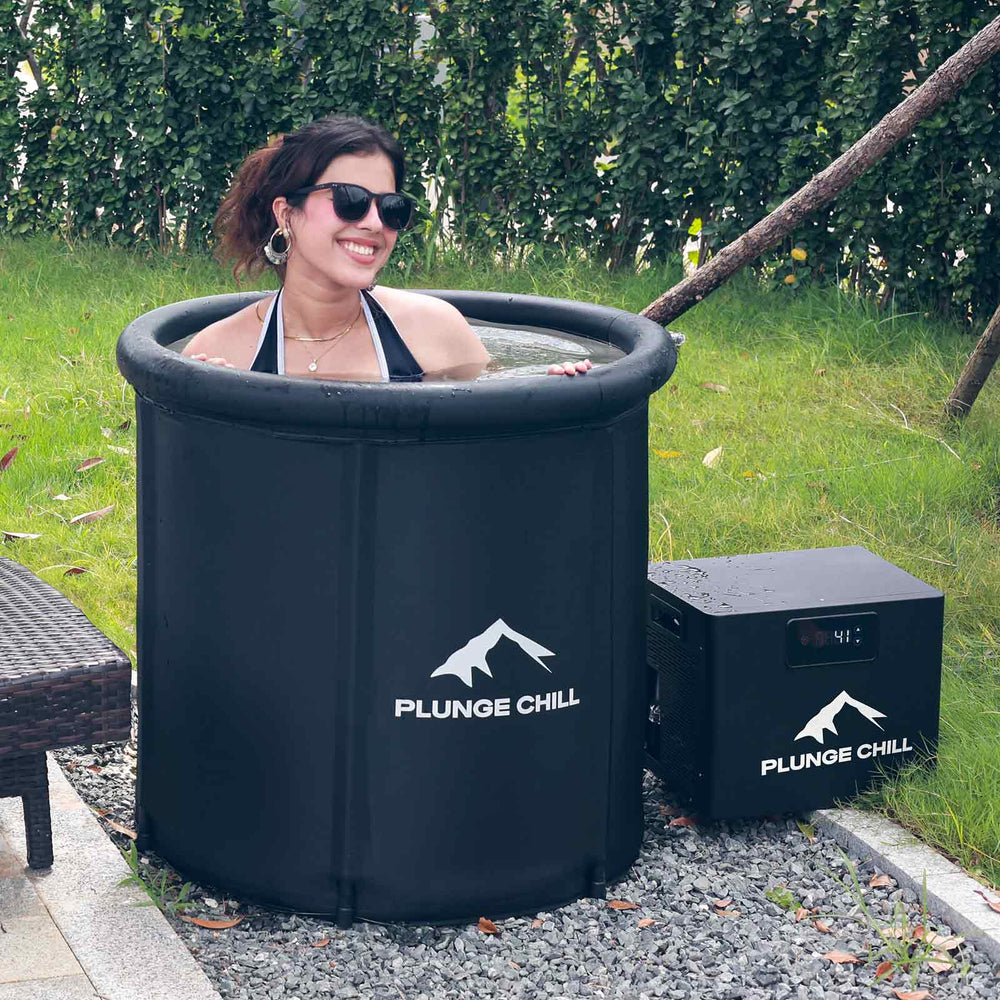
A practical tub should let you submerge to the clavicles so that the torso and shoulders are properly stimulated—the posture used in the five-minute research protocols—and should fit your body size without crowding. Think about where you will place it, which outlet will power it, and how you will handle drainage and refilling. If you prefer a shower-based approach, commit to a repeatable routine and keep the space clear and safe for quick temperature changes.
Portability, durability, and noise levels also matter in real homes and gyms. If you plan to move the tub, choose a design you can manage and that holds up to repeated fills and drains. If the unit runs in a shared living space, confirm that the chiller’s operating sound will not disrupt others. Whether you choose a chiller-integrated tub or a simple, insulated vessel with ice, the constant is the same: select for controllability and a minimum of friction so you can practice with consistency.
Safety, Contraindications, and When to Skip
Respect the cold. Enter slowly to avoid cold-shock hyperventilation and potential arrhythmia risks, and do not swim alone. People with cardiovascular disease, autonomic dysfunction, or cold hypersensitivity should consult a clinician and individualize temperature and duration; older adults can be more vulnerable to cold stress. Practical recommendations summarized by Stanford Lifestyle Medicine include choosing an uncomfortable but safe temperature, generally avoiding water below about 50°F, limiting immersion to ten minutes or less, and beginning around two minutes at approximately 68°F if you are new to the practice. If you feel lightheaded, distressed, or develop chest discomfort or irregular heartbeat, exit immediately and rewarm gradually.
During immersion, avoid forceful breath-holds or hyperventilation. Mindfulness is not about pushing through danger. If strong emotions arise in meditation—whether in the tub or afterward—remember that it is normal to feel discomfort and that it is equally appropriate to stop, rewarm, and try again another day. For those with significant psychiatric symptoms or trauma histories, mindfulness training should be trauma-informed and guided by qualified instructors, as emphasized by major academic centers.
Caring for the Practice and Equipment
Two forms of care keep this routine beneficial over time. First, care for the practice itself by dosing within your hormetic window and logging outcomes. Track temperature, time, perceived effort, mood, and sleep. Favor slow progression and stop well before you feel panicked. Decide ahead of time whether the session’s aim is alertness or calm and choose your protocol accordingly. Second, follow the manufacturer’s guidance for setup, cleaning, and water management to keep the tub safe and comfortable. Before entering, prepare your exit path and warm layers for afterward. If you are practicing in a facility, align with their hygiene procedures and posted rules.

Troubleshooting Common Challenges
If you cannot settle your breath in the tub, reduce the intensity. Raise the water temperature, shorten the time, or switch to a cold-shower finish. If anxiety spikes before you even enter the water, use a pre-plunge mindfulness check-in: stand beside the tub and take ten slow breaths, noticing the floor under your feet and the sensation at the nostrils. If sleep suffers after evening sessions, move your exposure earlier in the day. If you need a rapid calm-down between meetings, use a facial cold dip to recruit the diving reflex rather than a full plunge and then sit quietly for a brief breath-focused meditation.
If you pursue an advanced breathing practice, separate it from the water. Complete your immersion, dry off, warm up to a stable state, and then practice breathwork in a safe, seated or lying posture. Never pair hyperventilation or prolonged retentions with water exposure. This simple rule prevents most serious incidents.
Practical Protocol Reference
The following reference consolidates commonly used starting points that align with published summaries and practice guides. Adjust to your context, goals, and health status, and stay within the bounds of comfort and control.
Modality |
Typical Duration |
Primary Goal |
Notes and Source |
|
Cold shower finish |
Around 60°F or as cold as tap allows |
About 30–60 seconds |
Alertness and breath control |
Easy entry; suggested by Embr Labs; pair with simple mindfulness practice from UC Davis Health and APA |
Head-out bath (novice) |
About 68°F |
About 2 minutes |
Safe acclimation and positive affect |
Matches research bath conditions reported in PubMed Central and Stanford Lifestyle Medicine |
Ice bath session |
About 50–60°F |
About 2–5 minutes |
Focus, resilience, mood lift |
Consistent with Stanford Lifestyle Medicine and Embr Labs guidance; limit total time and progress gradually |
Facial immersion |
Cold water in a bowl or sink |
Brief dips repeated as needed |
Rapid calming via diving reflex |
Useful for emotion regulation skills; described in Stanford Lifestyle Medicine |
Weekly total (advanced planning) |
Varies by session |
Around 11 minutes across the week |
Sustained adaptation and energy |
Practical target popularized by Huberman Lab; keep sessions uncomfortably cold yet safe |
Product Buying Considerations From the Field
From a reviewer’s standpoint, the best cold plunge for mindfulness is the one you will use consistently and safely. Models with reliable chillers that hold water between the upper 60s and lower 50s make dose control straightforward and reduce mental bandwidth spent on ice management. A tub that fits your build and allows submersion to the clavicles lets you reproduce the body position studied in head-out immersions while keeping your airway free. Clear timekeeping, simple controls, and a quiet compressor encourage a calm setup. If you often pair meditation after the plunge, create a warm, dry space within a few steps so you can sit down, stabilize your breath, and continue the session without friction. Portable options are appealing for limited spaces; fixed units shine in high-frequency, multi-user homes or gyms. Whatever you choose, prioritize consistent temperature control, stable footing, and an easy exit path.
When to Pair Cold and Meditation
There are two reliable windows. Meditating during immersion trains equanimity under acute stress and can be powerful for athletes who need to stay composed in chaotic competition. It requires conservative dosing, steady nasal breathing, and clear stop rules. Meditating immediately after immersion leverages the endorphin glow and alert calm many people feel, which can deepen attention and reduce mind-wandering. If you lift for hypertrophy, avoid pairing post-lift cold with your meditation; do the combined session on a recovery day or in the morning when training is planned for later.

Takeaway
Cold exposure and mindfulness are a natural pairing: one challenges the system, the other organizes it. Start with modest doses, practice daily mindfulness in warm conditions first, and progress to full-body cold only when you can maintain calm breathing and clear attention. Keep sessions short, safe, and focused on your objective for that day. If you are building muscle size, keep cold water away from the immediate post-lift window. Track your responses and adjust based on mood, sleep, and training outcomes. The result, done well, is a durable, calm focus that shows up when you need it most.
Frequently Asked Questions
What water temperature and time should I start with if I am new to cold exposure and meditation? A straightforward entry is a cold shower finish for about 30–60 seconds at roughly 60°F or whatever your tap provides, while you practice calm breathing and simple present-moment awareness. For a tub, work near 68°F for about two minutes at first. Progress duration before lowering temperature, and keep the emphasis on breath control and attention rather than toughness.
Is an ice bath better than a cold shower for mindfulness benefits? Both work, but immersion produces a stronger and more uniform thermal load in a shorter window. Showers are easier to start and repeat, while tubs let you fine‑tune dose with precision. Facial cold dips are an effective third option for quick emotion regulation through the diving reflex. Choose the modality you can perform consistently and safely.
Can cold exposure replace therapy or medication for anxiety or depression? No. Cold exposure can improve mood acutely and may support stress resilience, while mindfulness has moderate evidence for reducing anxiety and depression as an adjunct. Neither should replace established treatments. Use them alongside clinician-guided care, and set realistic expectations. If you have significant psychiatric symptoms, seek trauma-sensitive mindfulness instruction and medical guidance.
I lift weights for hypertrophy. Will cold negate my gains? The concern is timing. Summaries discussed in the Psychiatry and Psychotherapy Podcast note that full-body cold water immersion immediately after lifting can blunt anabolic signaling and long-term hypertrophy. If size is the priority, place cold sessions before training, on non-lifting days, or at least six to eight hours after the lift. For soreness after competition or conditioning, brief immersions can aid perceived recovery.
Should I meditate in the tub or after I get out? Both approaches are valid. In the tub, you are training equanimity under acute stress; keep the dose conservative and breathe quietly through the nose. After the plunge, many people feel energized yet calm, which can deepen a seated practice. Never perform hyperventilation or breath-hold protocols in or near water; finish the immersion, dry off, warm up, and then do breathwork in a safe, stable position.
How often should I do this each week? A practical pattern is to accumulate roughly eleven minutes of cold exposure across two to four sessions per week, adjusting time to temperature so that colder water requires less time. Keep mindfulness practice daily in short sessions. These targets are guidelines rather than rules; track how you feel and refine the plan to fit your goals and training schedule.
Sources Acknowledged
Embr Labs, UC Davis Health, Stanford Lifestyle Medicine, PubMed Central peer‑reviewed research, UCLA Health, American Psychological Association, Harvard Health Publishing, Mayo Clinic, Huberman Lab, and the Psychiatry and Psychotherapy Podcast.
References
- https://www.health.harvard.edu/blog/mindfulness-meditation-may-ease-anxiety-mental-stress-201401086967
- https://lifestylemedicine.stanford.edu/jumping-into-the-ice-bath-trend-mental-health-benefits-of-cold-water-immersion/
- https://medschool.ucla.edu/blog-post/the-benefits-of-meditation-to-relieve-stress
- https://pmc.ncbi.nlm.nih.gov/articles/PMC4142584/
- https://today.marquette.edu/2024/02/wellness-weekly-the-power-of-mindfulness-meditation/
- https://health.ucdavis.edu/blog/cultivating-health/10-health-benefits-of-meditation-and-how-to-focus-on-mindfulness-and-compassion/2022/12
- https://www.apa.org/topics/mindfulness/meditation
- https://www.hopkinsmedicine.org/health/wellness-and-prevention/mindfulness-meditation
- https://psychiatryonline.org/doi/full/10.1176/appi.neuropsych.20240053
- https://www.mayoclinic.org/tests-procedures/meditation/in-depth/meditation/art-20045858