Cold can be a powerful, elegant tool for calming your body, sharpening focus, and smoothing the transition from fight‑or‑flight back to rest‑and‑digest. As a jewelry editor who also road‑tests wellness accessories, I’ve spent the past year experimenting with simple, repeatable cold techniques you can use at home, at the office, or even on the go with cooled metal accessories. Below, I’ll explain what the vagus nerve does, what the best current research says about cold stimulation, and how to practice six practical steps safely and effectively. I’ll also include buying and care tips for cold gear and cooling jewelry so you can choose pieces that look good and work well.

COLD PLUNGE CHILLER
What The Vagus Nerve Does
The vagus nerve is the tenth cranial nerve and a major highway of the parasympathetic nervous system, the branch that slows heart rate, deepens breathing, aids digestion, and helps your body recover from stress. When vagal activity rises, you feel calmer and more grounded. One of the clearest physiological readouts of this state is heart rate variability. Higher heart rate variability, especially in short‑term time‑domain measures, typically reflects stronger parasympathetic influence and a better ability to adapt to stressors.
Cold can activate vagal reflexes through several pathways. Splashing or cooling the face taps the so‑called diving response via trigeminal facial nerves that feed into cardio‑inhibitory centers and increase vagal activity. Cooling the side of the neck can stimulate cervical pathways tied to autonomic control of the heart and lungs. These responses are fast, often within seconds, and wear off within minutes after the cold ends, which makes them ideal as micro‑interventions in daily life.
What Science Says About Cold And Vagal Tone
Multiple peer‑reviewed sources converge on a clear message: where and how you apply cold matters.
A randomized controlled trial archived on PubMed Central examined brief, localized cold delivered by a thermode to different body sites and found a consistent pattern. When the lateral neck was cooled, heart rate variability increased and heart rate decreased compared with a temperature‑matched control condition. Cheek cooling showed some parasympathetic effects; forearm cooling did not. The neck effect was the most robust across outcomes and trials.
A separate peer‑reviewed experiment reported on PubMed Central used a cold face protocol during an acute psychosocial stress task. Participants who received a short cold facial intervention recovered faster, with stronger vagal markers and a significantly lower cortisol rise than controls. Earlier work on cold face exposure shows bradycardia begins within seconds and peaks under a minute, aligning with a rapid vagal surge.

Cold Plunge Tub with Chiller
Academic and clinical explainers from major centers provide useful context. Cedars‑Sinai notes that vagus nerve stimulation is FDA‑approved for epilepsy, treatment‑resistant depression, and migraine or cluster headache, highlighting the nerve’s broad clinical relevance. The McGovern Medical School overview describes how modulating vagal activity influences mood and autonomic function. University of Colorado Anschutz neuroscientists have emphasized that cold stimuli applied to the neck and cheek drive the clearest cardiac effects, while forearm cooling does not. Non‑cold stimulation research from University of California San Diego using noninvasive neck stimulation further supports that engaging vagal pathways can dampen arousal circuits and shift autonomic balance.
Taken together, these findings point to short, targeted cold at the face or side of the neck as the best‑supported strategy to enhance vagal tone quickly.

How Cold Stimulates The Vagus Nerve
Two mechanisms are worth understanding. Face cooling engages the diving response. Cold facial receptors, especially around the eyes and cheeks, signal through trigeminal pathways into brainstem autonomic centers that increase vagal outflow to the heart. Neck cooling likely activates cervical afferents and baroreflex‑linked pathways that slow heart rate and increase heart rate variability. On the sensory side, cold‑sensing channels in the skin feed the afferent limb of these reflexes; on the efferent side, vagal output modulates pacemaker activity and breathing patterns. These built‑in reflexes are the reason a two‑minute cold intervention can be enough to noticeably change your state.

Six Practical Steps You Can Use Today
Step One: Lateral Neck Cool‑Down
For a fast, discreet reset, place a soft cold pack along the side of the neck, just behind and below the ear. This area corresponds to the lateral cervical region that showed the most consistent parasympathetic response in lab studies. Aim for about thirty to sixty seconds per side at a comfortable cold intensity. In my experience, thirty seconds on the right, then thirty seconds on the left, is a reliable way to slow breathing and ease a spike of stress before a meeting or while commuting.
You do not need extreme temperatures to see an effect. The randomized trial showing increased heart rate variability used controlled but brief cool stimuli; in real life, a gel pack from your freezer wrapped in a thin cloth works well. Listen to your body. If you feel lightheaded, remove the cold and sit down until your breathing normalizes.
Step Two: Cold Face Reset
Brief cold on the midface, cheeks, or forehead can trigger the diving response and increase vagal tone. At home, a cooling mask or a clean washcloth dipped in ice water applied for ninety seconds to two minutes is a practical approach. In the 2022 stress‑recovery study, a cooled facial mask at about 30°F produced faster autonomic recovery and lowered the cortisol response compared with no cold. You do not need to replicate that exact temperature to benefit. A cold splash with tap water and a clean towel to keep skin contact for a minute is often enough to feel a clear shift toward calm.
If you experiment with face immersion, keep it brief, do not hold your breath, and avoid pressing on the eyes. People with sinus sensitivity or a history of fainting should start with cooler‑than‑room‑temperature cloths rather than extreme cold.
Step Three: The Cold‑Finish Shower
Finishing a warm shower with cold is a simple way to train the relaxation response. Turn the water to a cool setting around the low‑to‑mid 60s°F for thirty to sixty seconds, face and neck first, then upper chest. Combine this with slow, nasal breathing and an extended exhale to maximize parasympathetic activation. Over a few weeks, many people comfortably build toward ninety seconds at similar temperatures, which is a balance between effective and sustainable for weekdays.
The shower is not a competition. If you find yourself tensing or gasping, turn the temperature slightly warmer and lengthen your exhale. The goal is a smooth switch into rest‑and‑digest, not a test of willpower.

Step Four: Short Cold Immersion For Advanced Users
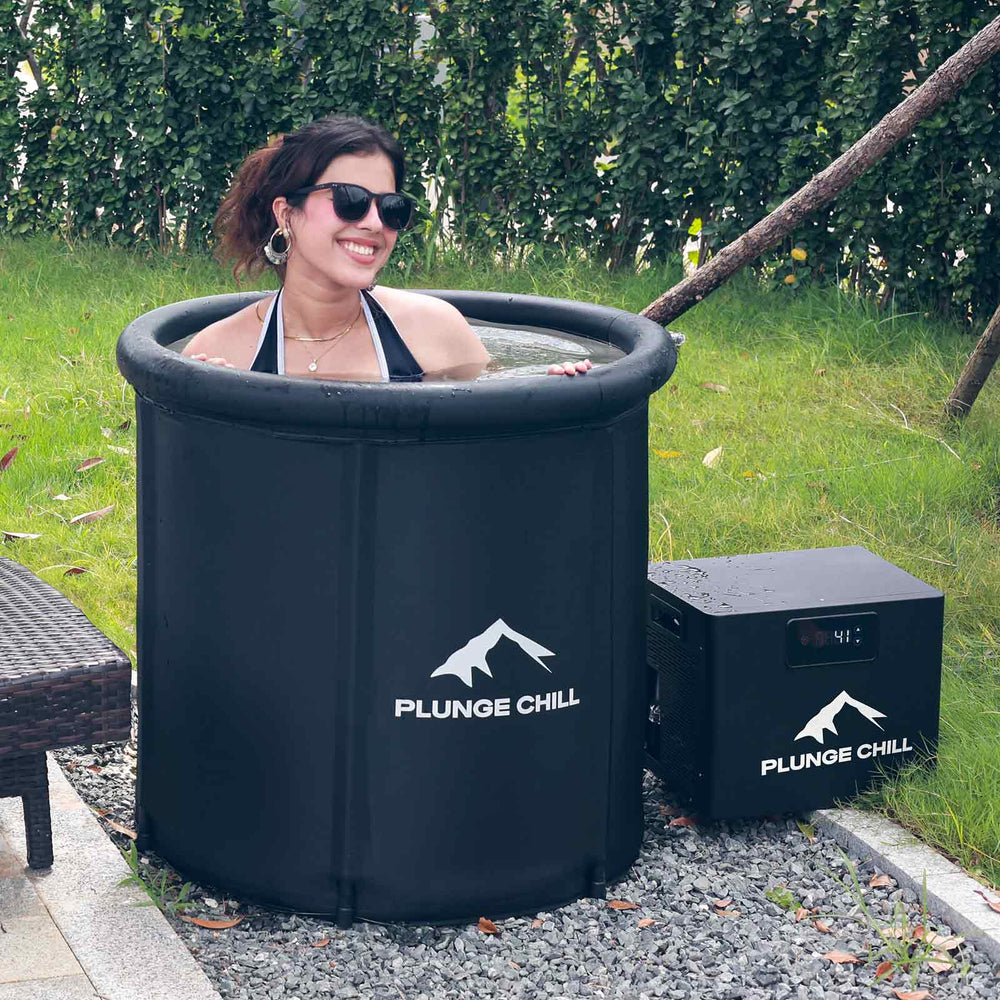
Cold plunges can amplify vagal effects, but they require more caution. For healthy adults, a common target range for post‑exercise immersion is about 50 to 59°F, starting with one to two minutes and building gradually as tolerated. Many report a clearer head and calmer breathing within the first minute, then a mental “settling” as they exit. If you are new to immersion, prioritize safety: have a partner nearby, enter slowly, and avoid holding your breath.
A growing clinical literature frames cold exposure as a hormetic stressor. In simple terms, small, controlled doses can nudge multiple systems to adapt. That promise comes with caveats. Cold immersion can acutely raise blood pressure in some people, and chilling too long or too cold carries risks. If you have cardiovascular or respiratory conditions, or if you are pregnant, talk with a clinician first.
Step Five: Pair Cold With Long, Slow Exhales
Cold sets the stage, and breathing seals the effect. Slow the breath to a comfortable cadence with a longer exhale than inhale as you apply cold to the neck or face. For example, breathe in through the nose for a count of four and out for a count of six, keeping the jaw and shoulders relaxed. This deliberately engages vagal pathways in the lungs while the cold engages trigeminal or cervical afferents, and in practice the combination feels noticeably more grounding than either alone.
If anxiety spikes early in cold exposure, focus exclusively on exhale length. The nervous system typically follows the breath down to calmer levels within a minute or two.
Step Six: On‑The‑Go Cooling Accessories And Jewelry
For everyday life, the most usable tool is the one you actually carry. I test cooling pieces by chilling them in the freezer and keeping them in an insulated pouch in my tote. A smooth stainless‑steel pendant or cuff chilled for an hour holds cold long enough for a thirty‑second neck application behind the ear when you need it. Gel‑filled cooling neck wraps are another option for longer train rides or flights. These micro‑interventions will not replace a full cold shower or plunge, but they are surprisingly effective for interrupting a rumination loop between meetings.

Cold Plunge Water Filter Upgrade
This is an inference rather than a published clinical protocol, and the evidence for “cooling jewelry” specifically is limited; still, the approach is consistent with lab findings that neck and cheek cooling drive vagal responses. Based on materials experience, denser, smoother metals tend to feel colder and more comfortable on skin when used for short, targeted applications. My confidence in the utility of chilled metal accessories as a quick aid is moderate, and I recommend treating them as a supplement to, not a substitute for, deliberate cold rituals.
Safety First
Cold is a tool, and like any tool it works best when used wisely. People with a history of significant arrhythmias, unstable coronary disease, severe asthma, uncontrolled high blood pressure, fainting episodes, or cold sensitivity disorders should consult a clinician before using cold stimulation practices. Do not layer extreme cold onto the face or neck while driving or operating machinery. Avoid breath‑holding during cold exposure unless you have specific training for that practice. If you feel dizzy, remove the cold, sit down, and recover fully before resuming your day. For children and older adults, err on the side of milder, shorter exposures and medical guidance.
Tools, Materials, And Buying Tips
Choosing cold gear and cooling jewelry is partly about taste and partly about function. For gel packs or cooling masks, look for medical‑grade, non‑toxic gels, robust seams, and a soft outer that will not stick to wet skin. Adjustable straps that keep a neck pack snug to the side of the neck are more practical than fixed sizes. For travel, a compact mask that folds into a zip bag makes it easier to use consistently.
For metal accessories you intend to chill, prioritize skin‑friendly alloys and smooth finishes. Surgical‑grade stainless steel and titanium are reliable choices for most skin types, and sterling silver is widely tolerated. Pieces that are solid rather than hollow tend to hold temperature longer. Smoothly rounded edges and a satin or mirror polish reduce the chance of cold‑related skin irritation when pressed to sensitive areas. If you prefer stones, choose smooth, non‑porous gems or glass cabochons set in bezels that will not scratch skin. I avoid untreated leather cords for cold use because they can stiffen and crack.
Caring for cold gear is straightforward. Wash gel packs and masks with mild soap after use, pat dry, and return them to the freezer in a clean bag to reduce odors. Wipe metal pieces with a soft cloth after cold application to remove condensation, then air‑dry before storing. If you notice redness or irritation that persists after ten minutes, shorten future exposures and place a very thin cotton layer between skin and metal or gel.
Evidence At A Glance
|
Area or method |
Typical response |
Evidence snapshot |
Practical takeaway |
|
Lateral neck cooling |
Heart rate down; heart rate variability up during cold |
Randomized controlled trial on PubMed Central showed significant parasympathetic activation specific to neck cooling compared with a control temperature |
Favor the side of the neck for fast vagal shifts |
|
Cheek or midface cooling |
Increased vagal markers; bradycardia within seconds |
PubMed Central study of cold face intervention reduced cortisol and improved recovery during acute stress |
Use a cold cloth or mask for ninety seconds to two minutes |
|
Forearm cooling |
Little to no parasympathetic effect |
University of Colorado Anschutz reported neck and cheek effects, forearm not effective |
Skip forearm cooling for vagal goals |
|
Cold‑finish shower |
Calmer breathing, smoother recovery |
Consistent with reflex physiology and applied studies; practical daily protocol |
End showers with thirty to sixty seconds at roughly the low 60s°F |
|
Stronger but riskier stimulus |
Reviews emphasize hormetic benefits alongside risks, especially for vulnerable groups |
Start brief, build slowly, and clear medical issues first |
Benefits And Trade‑Offs
When done thoughtfully, cold stimulation is practical, fast, and inexpensive. The benefits many users notice include calmer breathing, a steadier heart rhythm, and a clearer head within a minute or two. The trade‑offs involve discomfort early in the session, the need to prepare cold gear, and the possibility of overdoing it. Cold immersion can blunt some training adaptations if used immediately after strength workouts, and intense cold is not appropriate for everyone. Choosing milder, shorter protocols centered on the neck and face reduces risk while keeping most of the benefit.
Care And Comfort Strategies
Small changes can make these practices more pleasant. Wrap gel packs in a thin cotton handkerchief to soften the first contact. Use a timer so you do not overshoot your target duration. In a shower, step your temperature down gradually, not abruptly. Pair every cold exposure with a long exhale rhythm so your breathing pattern reinforces the vagal effect you are trying to achieve. If your skin becomes numb or painful, stop and rewarm gently with a towel.
How This Fits A Style‑Forward Routine
From a lifestyle perspective, the most successful wellness tools are the ones that fit your aesthetic and your day. A chilled, satin‑finish pendant doubles as a calming tool without advertising itself. A compact cooling mask can live in your freezer and become part of your evening wind‑down. You might build a morning routine with a warm shower, a one‑minute cold finish, then a minute of neck cooling at your desk before opening your inbox. These are micro‑rituals you can sustain on busy days, and because they are short, they play nicely with the rest of your life.

1HP Cold Plunge Chiller + Tub(Pro)
Takeaway
Cold stimulation is a precise, elegant way to nudge your nervous system toward calm. The best evidence points to brief cooling of the side of the neck and the midface as the most reliable vagal activators, with little benefit from forearm cooling. Start with thirty to sixty seconds of lateral neck cooling or a ninety‑second cold face reset, pair it with long, slow exhales, and build from there. Choose well‑made cold gear and skin‑friendly jewelry that you enjoy wearing so you actually use them. If you have medical conditions or are unsure where to start, discuss these protocols with a clinician. Used thoughtfully, cold becomes less of a dare and more of a daily design choice for balance.
FAQ
How quickly does cold change vagal activity?
The change is fast. In controlled studies, heart rate begins to drop within several seconds of a cold face stimulus and peaks before a minute has passed. With a cold pack on the side of the neck, a calmer breathing pattern and steadier heartbeat often arrive within thirty to ninety seconds. The effect fades within minutes after the cold ends, which makes it ideal for quick resets between daily tasks.
How cold is cold enough?
You do not need extremes. For a shower, a finish in the low 60s°F is a practical starting point. For a cold face cloth or neck pack, aim for comfortably cold rather than painfully icy. In one lab protocol, a face mask near 30°F drove a clear response under supervision, but for home use you can get results with moderate settings. If you feel the urge to gasp or tense up, warm it slightly and lengthen your exhale.
Are ice baths necessary to get results?
No. Brief, targeted cold at the side of the neck or the face can produce measurable changes in heart rate and heart rate variability without immersing your whole body. Cold plunges are an advanced option that some people enjoy, but a cold‑finish shower or a two‑minute facial cool‑down will cover most daily needs with less effort and risk.
Do cooling necklaces or chilled metal pieces actually help?
They can, within limits. There is strong evidence for neck and face cooling to activate vagal pathways, and chilled metal accessories provide a convenient way to deliver short, targeted cold in those areas. My experience with solid stainless‑steel pendants and cuffs is positive for thirty‑second resets, but these are supplements to, not replacements for, structured cold practices. I am moderately confident they help with on‑the‑go micro‑interventions because they align with the known physiology and are easy to use consistently.
Is this safe if I have a heart condition or asthma?
Cold has real physiological effects. If you have significant arrhythmias, coronary disease, severe asthma, uncontrolled high blood pressure, are pregnant, or have cold sensitivity disorders, speak with a clinician before experimenting. Even for healthy adults, start modestly, avoid breath‑holding, and stop if you feel dizzy or unwell.
What is the best schedule to follow?
A simple weekly rhythm works for most people: a cold‑finish shower on weekdays, plus two or three short neck or face cool‑downs during stressful windows. Some practitioners also use brief cold immersion in the 50 to 59°F range a few times per week as tolerance builds. These schedules are practical guidelines rather than prescriptions; adjust by how you feel and what you can sustain.
References
- https://scholarship.claremont.edu/cgi/viewcontent.cgi?article=4577&context=cmc_theses
- https://news.cuanschutz.edu/news-stories/does-tiktok-fueled-vagus-nerve-icing-offer-calming-relief
- https://jdc.jefferson.edu/cgi/viewcontent.cgi?article=1031&context=jmbcimfp
- https://pubmed.ncbi.nlm.nih.gov/30634012/
- https://feinstein.northwell.edu/news/insights/vagus-nerve-stimulation
- https://experts.umn.edu/en/publications/a-pilot-study-of-vagus-nerve-stimulation-vns-for-treatment-resist
- https://news.utdallas.edu/health-medicine/vns-fear-research-2022/
- https://med.uth.edu/psychiatry/vagus-nerve-stimulation/
- https://cdn.clinicaltrials.gov/large-docs/31/NCT05943431/Prot_000.pdf
- https://health.ucsd.edu/news/press-releases/2019-02-13-stimulating-vagus-nerve-in-neck-might-help-ease-pain-associated-with-ptsd/
Disclaimer
By reading this article, you acknowledge that you are responsible for your own health and safety.
The views and opinions expressed herein are based on the author's professional expertise (DPT, CSCS) and cited sources, but are not a guarantee of outcome. If you have a pre-existing health condition, are pregnant, or have any concerns about using cold water therapy, consult with your physician before starting any new regimen.
Reliance on any information provided in this article is solely at your own risk.
Always seek the advice of a qualified healthcare provider with any questions you may have regarding a medical condition, lifestyle changes, or the use of cold water immersion. Never disregard professional medical advice or delay in seeking it because of something you have read in this article.
The information provided in this blog post, "Six Steps to Activate the Vagus Nerve with Cold Stimulation," is for informational and educational purposes only. It is not intended to be a substitute for professional medical advice, diagnosis, or treatment.
General Health Information & No Medical Advice