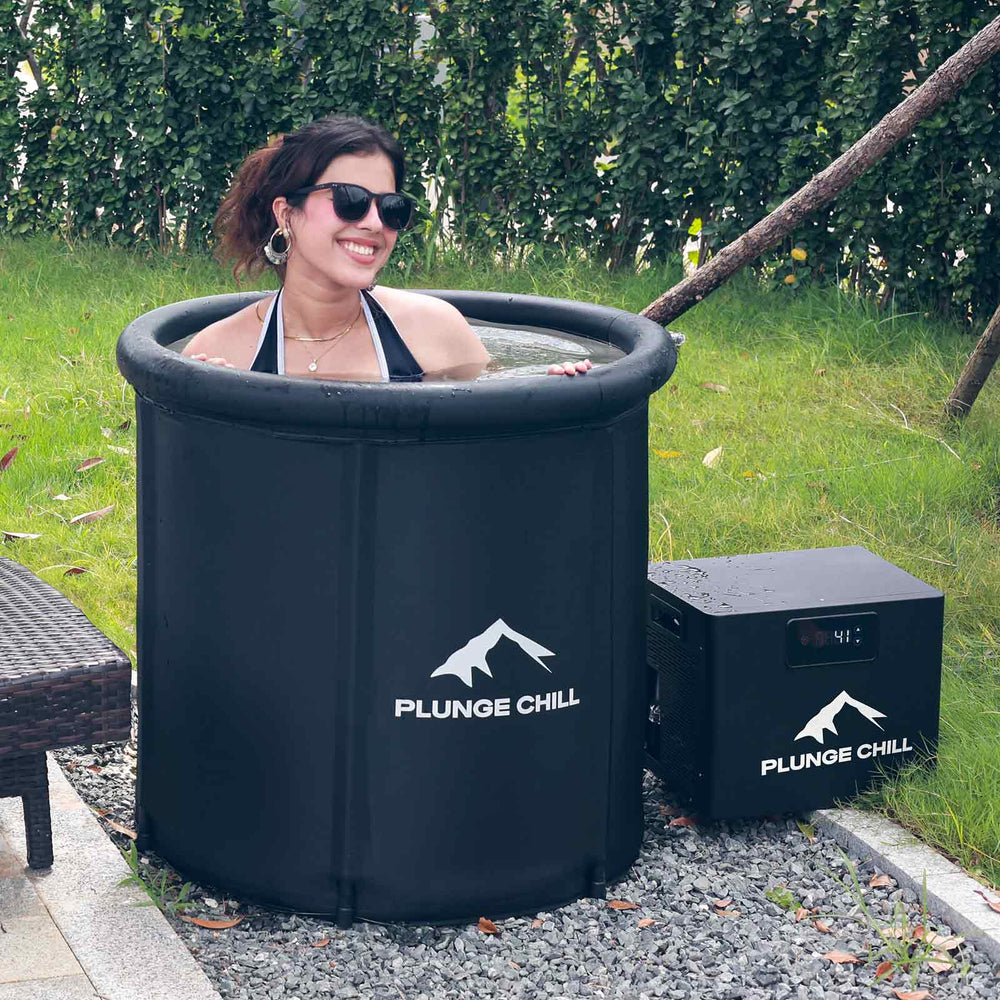
As a sports rehabilitation specialist and strength coach who also reviews cold plunge products, I spend a lot of time helping time‑starved adults recover smarter. Busy parents do not have thirty spare minutes for elaborate routines. They need short, reliable cold therapy options that reduce soreness, manage heat stress, and keep training on track without derailing strength gains. This article distills what reputable sources and practical field experience say about what works, what to avoid, and how to choose gear you can actually live with at home.
What Cold Therapy Is—and What It Is Not
Cold therapy refers to purposeful cooling of body tissues to influence recovery, pain, and performance. It includes whole‑body or partial cold‑water immersion in a tub or plunge, local icing or phase‑change packs on specific areas, short cold shower finishes, and air‑based whole‑ or partial‑body cryotherapy chambers. In my clinic and in my own strength programs, I treat them as different tools on the same continuum: water‑based methods deliver the strongest tissue cooling, air chambers change skin temperature quickly but do less for deep muscle, and localized packs are convenient when you cannot dunk the whole body.
Two clarifications matter for busy parents. First, cold therapy is an adjunct, not a replacement, for fundamentals like sleep, nutrition, and sensible training volume. As a Mayo Clinic Press contributor put it, think of cold exposure as a garnish rather than the entrée. Second, for habitual strength seekers chasing muscle growth, timing is not optional—because cold can mute some of the signals that drive hypertrophy after lifting.
Evidence Snapshot in Plain Language
Major health systems acknowledge short cold exposures can reduce perceived soreness, help you cool off after hard efforts, and may improve how you feel or sleep on demanding weeks. Cleveland Clinic recommends keeping water temperatures in a moderate‑cold range and capping sessions at just a few minutes for beginners, emphasizing the “start low and go slow” approach. Ohio State Health cites 50–59°F for roughly 10–20 minutes for endurance recovery, with a caveat to delay immersion by a day or two when your primary goal is muscle size or strength.
The research becomes more nuanced when you ask, “Does cold make me recover faster without side effects?” A Journal of Physiology line of work showed that regular post‑lift cold‑water immersion can dampen anabolic signaling, ribosomal biogenesis, and satellite cell activity that support hypertrophy and strength over time. In practical terms, both groups in their trial improved, but the cold‑after‑every‑lift group improved less. Meanwhile, meta‑analyses and sports medicine clinics report that immersion reduces delayed‑onset muscle soreness versus passive rest, and air‑based cryotherapy provides short‑term relief and sleep improvements during heavy training blocks, although high‑quality long‑term performance data remain limited.
A pragmatic cold‑shower study in office workers reported 29 percent fewer sick days after two months of adding 30–90 seconds of cold at the end of morning showers. That is promising for day‑to‑day resilience, but the mechanism was not nailed down because immune markers were not tracked, so we should interpret the result as a behavioral outcome rather than a proven immune boost (Mayo Clinic Press).
Why the disagreements? Definitions and endpoints differ. Medical guidance often optimizes for safety and tolerability, sports labs target tissue cooling or specific performance metrics, and training studies split by goal (endurance signaling versus hypertrophy). Samples vary from college athletes to recreational lifters to office workers. The water temperature, duration, body coverage, and timing relative to workouts are not standardized across studies, so protocols that look similar on paper can act very differently in the body.
Safety First: Who Should Be Cautious or Avoid Cold Exposure
Cold immersion and even short cold shower finishes can provoke rapid breathing, blood pressure spikes, and a cold shock response. Cleveland Clinic and Harvard Health advise screening with your clinician if you have heart disease, hypertension, diabetes, neuropathy, poor circulation or venous stasis, cold agglutinin disease, or any cold‑exacerbated condition. Frostbite and hypothermia risks rise as temperatures drop and durations creep longer, especially outside in winter conditions. For home tubs, use a thermometer, a non‑slip mat, and a properly grounded outlet for any chiller. Parents should also prioritize childproof covers and a strict “no unsupervised access” rule around any water vessel.
Quick, Research‑Aligned Protocols for Real Life
Cold does not need to be extreme to be effective, and parents rarely need elaborate routines. If you have only a few minutes, finishing a warm shower with a brisk 30–90 seconds of cold is a practical starting point; the office‑worker study mentioned earlier linked that tiny addition with fewer sick days over two months, though the physiology remains unconfirmed. If you have five to eight minutes and a tub, submerge to the waist or chest in the moderate‑cold zone rather than chasing near‑freezing water. Cleveland Clinic’s entry guidance puts beginners in the 50–59°F range for only a few minutes, and it cautions against temperatures below about 40°F. On endurance or heat‑stress days when you have ten minutes, staying in the mid‑40s to mid‑50s can deliver meaningful cooling without punishing tolerability, consistent with ranges summarized by Ohio State Health and a recent evidence framework in the sports science literature.
What you should avoid is the tempting “harder is better” habit of sitting in near‑freezing water for two to three minutes after every session. Coaches and athletes often drift toward that because it looks tough. In a survey discussed by Sportsmith, practitioners tended to follow published ranges around 50–59°F for about 10–15 minutes, while some coaches and athletes went much colder for shorter durations. That mismatch may explain why some users report big discomfort with modest recovery benefits. Substantial tissue cooling takes time, and extremely cold water can cut sessions short before you get the effect you wanted.

When Cold Helps—and When It Gets in the Way
In my programs, I place cold within a broader periodization plan. After long intervals, hot‑weather sessions, tournaments, or back‑to‑back training days where the priority is showing up fresh tomorrow, a short immersion that cools the core and calms soreness can be useful. On strength‑focused cycles where muscle growth is the explicit goal, I delay immersion for a day or two, rely on sleep, nutrition, and light movement first, and shift any cold to the morning of a non‑lifting day if someone craves the psychological reset. There is also a tactical consideration: avoid deep cooling between two sessions on the same day, especially if the later session requires power output in warm muscles. Sportsmith flags this as a scenario where performance may degrade later in the day.
A useful nuance from the recent evidence base is that endurance‑oriented adaptations seem less threatened and may even be supported at the molecular level by post‑exercise cooling, while strength‑oriented anabolic signaling is more sensitive. That does not mean cold guarantees endurance gains or guarantees lost muscle; it means aim your recovery tool at your training goal and your calendar rather than using the same tool every day.
Temperature, Time, and Practical Targets
The most consistent temperature range for busy parents is the moderate‑cold zone that reduces strain without provoking a stress response you cannot tolerate. For beginners, Cleveland Clinic highlights 50–59°F as a sensible entry range, with a total time of only a few minutes and a hard cap around five minutes until you know your response. Ohio State Health describes 50–59°F for roughly 10–20 minutes for immersion when endurance recovery is the goal, with a caution to delay immersion by 24–48 hours when building size and strength. A recent evidence‑based framework from the sports science literature suggests that meaningful tissue cooling typically occurs in the mid‑40s to mid‑50s with about eight to twelve minutes of soaking; that is still short enough for parents and aligns with what I find tolerable in home setups without needing extreme grit.
The advanced ranges advertised on social media dip near 40°F or below. That is not necessary for recovery, and it increases risk, especially if you train alone or have children around. My bias as a clinician is to protect the nervous system and heart first and then decide whether an extra degree or two of cooling is even relevant to your goals.

A Simple Comparison of Source Ranges and Context
Source |
Context |
Temperature (°F) |
Typical Duration |
Key Note |
Cleveland Clinic |
General safety, beginners vs advanced |
About 50–59 for beginners; advanced as low as about 39–50 |
About 3–5 minutes for entry; do not go below about 40 |
Start warmer and short; “start low, go slow”; optional sauna later to rewarm |
Ohio State Health |
Endurance recovery guidance |
About 50–59 |
About 10–20 minutes |
Delay cold 24–48 hours if hypertrophy is the goal |
Sports Science Framework (journal summary) |
Evidence‑based decision tree |
About mid‑40s to mid‑50s |
About 8–12 minutes |
Individualize by training phase, environment, and schedule |
Orthopedic/Sports Clinic summary |
Soreness relief meta‑analysis |
About 50–59 |
About 11–15 minutes commonly used |
Cold water immersion reduces soreness vs passive rest; air‑based WBC evidence remains limited |
Ranges converge in the moderate‑cold band, with time and placement depending on your goal and tolerance. Extreme cold adds discomfort without clear added benefit for most parents.
Overlooked Insights Integrated Into Practice
Some analyses suggest that cooling a single limb may dampen strength adaptations more than whole‑body immersion, while whole‑body exposures did not show the same detrimental effect in pooled strength outcomes. This nuance, discussed in a recent evidence‑framework paper, hints that local ice baths after lifts might be worse for hypertrophy than a rare full‑body dunk placed away from strength days. The likely cause is a combination of deeper cooling at the trained site and a timing mismatch relative to the anabolic window. This is not settled for every sport or schedule, but it is a practical lever you can pull if size or strength is your priority.
Very brief cold exposures, such as one‑minute cold showers or alternating hot–cold sprays, often fail to drop intramuscular temperature meaningfully after heat exposure, even though they feel bracing. A physiology review noted that simple hot–cold showers may not deliver the tissue temperature changes that underlie some claimed benefits. For parents using short finishes mainly for alertness or habit formation, that is fine; for tissue‑level recovery, budget a few more minutes or choose immersion.
Cold exposure is frequently marketed for fat loss via brown fat. While some health‑system articles describe brown fat activation and higher calorie burn during rewarming, the real‑world impact on body composition for busy adults is uncertain.
A Week in the Life: Placing Cold Without Losing Gains
Here is how I place cold for parents who lift two to three days per week and do one to two endurance or team‑sport sessions. On lifting days, I skip immersion and save it for the next morning or for an evening two days later if soreness persists. On interval or game days in warm weather, I place immersion right after the effort, keeping the water in the moderate‑cold range and the dose short enough to rewarm quickly. On congested family weeks around holidays, I prioritize very short cold shower finishes at the end of morning showers because they take almost no time, and I use an evening warm shower or brief sauna later to normalize body temperature and sleep, a combo Cleveland Clinic notes is reasonable.
Product Buying Guide for Home Cold Therapy
Parents need simplicity, safety, and small footprints. Chillers with set‑and‑forget temperature control are wonderful but expensive; ice‑based setups are cheaper but require more time and water. Air‑based cryotherapy may be available nearby, but it adds travel time you might not have and is not FDA‑approved for specific medical treatments according to Harvard Health. Phase‑change packs are underrated on carpool days because they deliver multi‑hour local cooling while you move through life.
Option |
Typical Cost |
Setup and Control |
Footprint and Noise |
Maintenance |
Best Fit |
Limitations |
DIY bathtub with ice |
Minimal to about $200.00 |
Manual ice and thermometer; temperature drifts |
No extra space; silent |
Drain and clean tub; buy ice |
Occasional post‑hard‑effort soak |
Time and ice logistics; water use |
Collapsible or stock tub with ice |
About 500.00 |
Manual ice; basic cover; temperature drifts |
Fits shower or patio; silent |
Drain, wipe, dry; mildew control |
Small spaces; renters |
Seasonal use; manual labor |
Insulated portable tub with chiller |
About 6,000.00 |
Precise temperature control; set schedule |
Small patio/garage; fan noise from chiller |
Filter changes, sanitization, covers |
Frequent users; short sessions before school drop‑off |
Higher upfront cost |
Refrigerated hard‑shell plunge |
About 20,000.00 |
Precise control; best durability |
Larger footprint; compressor noise |
Regular filtration and water care |
Daily users; long‑term investment |
Cost and space |
Air‑based cryotherapy session |
About 100.00 per session |
Studio appointment; very fast sessions |
No home footprint |
None at home |
Busy weeks when you are already out |
Travel time; medical claims not FDA‑approved |
Phase‑change cooling wraps |
About 300.00 |
Strap‑on packs; steady local cooling |
No footprint; silent |
Freeze packs; wipe clean |
On the go; post‑area‑specific soreness |
Local only; not a full plunge substitute |
As a reviewer, the two features parents care about most are temperature stability and sanitation. If your budget allows, a reliable chiller with a proper filter makes cold “invisible”—you step in, step out, and you are done in under ten minutes. If you are using ice, keep a dedicated scoop and thermometer, shower first to reduce contamination, and drain and wipe the vessel frequently to avoid biofilm. For any electrical unit, use a GFCI outlet and keep cords and standing water far apart.
Care, Hygiene, and Family Safety
Simple routines keep water clear and the unit safe. Shower before getting in, avoid creams and oils, and use a strainer or skimmer after each session if you share the tub. Plan a regular filter change schedule if your unit has a pump. For ice tubs, drain and wipe the surfaces weekly with a mild, manufacturer‑approved cleaner, dry thoroughly, and store lids closed. Even if you are diligent, set a calendar reminder to deep clean at a fixed interval. Place non‑slip mats and hooks for towels nearby to reduce falls, and treat the plunge as you would a backyard pool with locked covers or barriers. Parents should never step into very cold water while home alone with young children.
Cold vs Heat, and When to Combine Them
Cold is better suited to the hours and days after very hard or hot efforts when swelling and central heat load are your problems, while heat shines later for stiffness, relaxation, and sleep. Orthopedic and sports clinic summaries note that cold reduces soreness versus passive recovery and that heat wraps can reduce back pain and improve mobility. Cleveland Clinic also mentions a short sauna after cold exposure to rewarm and normalize body temperature, which I often use in the evening. Contrast therapy—alternating heat and cold—can feel excellent, but it is not automatically superior, and brief shower alternations may not meaningfully change deep muscle temperature. If you enjoy it and sleep better, you can include it on lighter days, but prioritize consistency in sleep and nutrition first.
Definitions You Can Use
Cold‑water immersion or cold plunge is submersion of the body or limbs in cold water for a short, controlled period. Whole‑body cryotherapy is brief exposure to extremely cold air in a chamber. Phase‑change packs are reusable packs that hold a steady cooling temperature for hours as they change state. Delayed‑onset muscle soreness is the ache that peaks roughly one to three days after a new or intense session. None of these tools cures a serious injury; use them to manage load, not to mask pain that needs evaluation.
Conflicts in the Literature, Explained
If you are confused by one source recommending three to five minutes and another describing ten to twenty minutes, you are not alone. The three to five minute guidance comes from a safety‑first perspective for general users, whereas ten to twenty minute prescriptions typically target endurance recovery endpoints and assume careful monitoring. Conversely, strength‑focused studies that applied cold immediately after lifting highlight blunted anabolic signaling over months of training. The conflict is more about endpoints and populations than about a single right number. When you align time and temperature to your goal and place immersion on the correct day, the contradictions soften.
Takeaway
Cold therapy can be a fast, useful tool for busy parents when you match it to the day’s goal and your training cycle. Stay in the moderate‑cold range; keep sessions short and tolerable; place them after endurance or heat‑stress sessions and away from the immediate post‑lift window if you want hypertrophy; and remember that fundamentals like sleep and food drive the majority of recovery. If you choose to buy a plunge, prioritize temperature stability, filtration, and safety features over novelty.
FAQ
How cold should the water be if I am new to this?
New users do well in the moderate‑cold range around the 50s in Fahrenheit and only for a few minutes, as Cleveland Clinic emphasizes. You can always go colder later, but there is rarely a reason to rush, and tolerability matters for consistency.
Will cold plunges hurt my strength or muscle gains?
Regular immersion immediately after lifting can blunt some of the anabolic signals that drive hypertrophy and strength over time, based on Journal of Physiology trials. You can reduce that risk by pushing immersion to the following day, choosing a non‑lifting day, or using very short cold shower finishes instead of deep tissue cooling right after lifting.
Is a cold shower enough if I only have two minutes?
A cold shower finish is an excellent habit for alertness and may support day‑to‑day resilience; a pragmatic trial in office workers showed fewer sick days after two months. For tissue‑level recovery, short sprays may not reduce muscle temperature enough, so schedule an immersion on a day when you have five to ten minutes if soreness is your main target.
Can cold therapy help with weight loss?
Cold increases calorie burn during and just after exposure and is often marketed for brown fat activation. The meaningful impact on body composition for busy adults is uncertain.
Is whole‑body cryotherapy better than an ice bath?
Air‑based cryotherapy cools the skin quickly and many athletes report that it feels easier than a plunge. For deep muscle cooling, water immersion exerts stronger effects. Harvard Health notes that cryotherapy devices are not FDA‑approved for specific medical uses. If convenience and comfort matter most, sessions can be a fine adjunct on heavy weeks, but do not expect them to outperform a well‑executed plunge for muscle temperature change.
Can I combine sauna and cold?
Yes. Cleveland Clinic mentions using a sauna for about 15–30 minutes after cold to bring temperature back to baseline. In practice, I have parents place warm exposure later in the day to support relaxation and sleep, while using cold earlier after hard or hot sessions, particularly in summer.
Sources, in Brief
Guidance and data in this article were informed by Cleveland Clinic’s public guidance on cold plunges, Ohio State Health’s endurance recovery recommendations, Mayo Clinic Press reporting on cryotherapy evidence and practical safety, Journal of Physiology work on post‑lift cold‑water immersion and hypertrophy signaling, physiologic reviews hosted on PubMed Central, Harvard Health advisories on whole‑body cryotherapy, Orthocarolina’s summary of soreness research and systemic reviews, and sports science decision frameworks that synthesize temperature‑time targets and training‑goal nuance. Where suggestions reflect my clinical experience rather than a specific study, I have stated that plainly.
References
- https://www.academia.edu/87110459/The_effects_of_cryotherapy_on_athletes_muscle_strength_flexibility_and_neuromuscular_control_A_systematic_review_of_the_literature
- https://cupola.gettysburg.edu/cgi/viewcontent.cgi?article=2031&context=student_scholarship
- https://www.health.harvard.edu/blog/can-cryotherapy-stop-your-pain-cold-or-is-just-a-lot-of-hot-air-2018041813612
- https://pubmed.ncbi.nlm.nih.gov/8896090/
- https://egrove.olemiss.edu/cgi/viewcontent.cgi?article=1260&context=hon_thesis
- https://www.kent.edu/kent/news/kent-state-athletes-are-first-mac-use-cryotherapy-technology
- https://sncs-prod-external.mayo.edu/hometown-health/speaking-of-health/cold-plunge-after-workouts
- https://health.osu.edu/wellness/exercise-and-nutrition/do-ice-baths-help-workout-recovery
- https://www.tcu.edu/news/2024/cold-plunge-tcu-faculty-share-the-cold-truth-of-cold-therapy.php
- https://health.clevelandclinic.org/what-to-know-about-cold-plunges