Japanese ice bath culture is often romanticized with images of steaming mountain onsens, stone tubs beside snowdrifts, and monks standing under waterfalls. As a sports rehabilitation specialist and strength coach who also evaluates cold plunge products for athletes and weekend warriors, I see a different side of it: a remarkably coherent system that blends ritual, community, and physiology in ways our modern recovery routines often miss.
In Japan, cold immersion is not a standalone stunt. It is woven into practices such as onsen and sento bathing, Toji therapy, Shinto misogi rituals, and even forest bathing. Modern research on cold water immersion, much of it outside Japan, is now starting to catch up with these traditions. The data suggest real benefits for recovery, mood, stress resilience, and cardiometabolic health, but also clear trade-offs and risks that matter a lot if you care about strength, hypertrophy, or underlying medical conditions.
This article will walk through how Japanese ice bath culture works, what the evidence actually supports, and how to adapt these principles into a safe, goal‑driven cold plunge routine at home or in the training facility.
What Makes Japanese Ice Bath Culture Different?
Japanese cold water practices are less about “How cold and how long?” and more about “What are you trying to change in your body and mind?”
Onsen and Sento: Communal Hot–Cold Recovery
Onsen are natural geothermal hot springs that have served for centuries as public spaces for cleansing, relaxation, and social connection. Sento are neighborhood bathhouses that recreate this experience with heated water. In both settings, the cold plunge is not the main event; it is one station in a deliberate hot–cold cycle.
A typical onsen or sento routine involves a thorough wash, a prolonged soak in hot mineral water, then a brief immersion in a very cold pool. The cold plunge is intentionally short and intense. The hot phase dilates blood vessels and increases circulation, while the cold phase constricts vessels; the alternation is believed to create a vascular “pumping” effect. Japanese accounts and modern sports medicine literature converge here: cold immersion followed by rewarming causes cycles of vasoconstriction and vasodilation that can help shift fluid, reduce swelling, and ease muscle soreness.
Physiologically, this looks similar to what many athletes seek from contrast therapy. Historically, Japanese warriors and samurai reportedly used cold plunges to build endurance and mental resilience, not just to wash off after training. Today, onsen tourism hubs such as Beppu, Kusatsu, and Hakone build entire wellness experiences around hot–cold circuits. When I evaluate modern cold plunge systems, the best ones are essentially trying to recreate an onsen corner in your backyard or training center: reliable hot water nearby, a cold pool held around 50–59°F, and an easy way to move between the two.
Toji and Shin Toji: Structured Hot–Cold Therapy
Toji is a traditional Japanese therapy involving extended soaks in hot springs combined with scheduled hot–cold bathing. Modern research, including work by Professor Shinya Hayasaka, links these regimens to lower blood pressure, reductions in stress hormones, and better cholesterol profiles. The mechanism is likely multifactorial: repeated thermal stress trains vascular and autonomic responses, and the structured rest integrated into Toji sessions amplifies relaxation.
Shin Toji is a contemporary update that trims sessions to fit modern work schedules. Rather than spending hours at a rural resort, people use shorter, more frequent baths designed to preserve the same cardiovascular and stress‑modulating benefits. For an athlete or busy executive with limited time, this Shin Toji model is much closer to reality: brief, regular exposure to hot–cold alternation rather than a single annual retreat.
If you map Toji principles onto Western rehab protocols, they resemble a combination of contrast hydrotherapy and graded exposure to stress. Cold water immersion at around 50–60°F for up to 10–20 minutes has been shown in multiple studies to reduce soreness and metabolic activity after intense exercise. Toji simply packages this into a culturally coherent daily practice.
Misogi and Nature: Purification and Mental Grit
Misogi is a Shinto purification ritual that often involves standing under icy waterfalls or in frigid rivers. The goal is spiritual cleansing and discipline, not recovery metrics. Yet the psychological demands of misogi are identical to those of a hard cold plunge session: you must confront intense discomfort, regulate your breathing, and stay present rather than panic.
Modern neuroscience helps explain why these practices feel so powerful. Cold exposure triggers strong spikes in catecholamines such as norepinephrine and adrenaline, which heighten alertness and focus. Stanford researchers and others have shown that cold water immersion can decrease negative affect and increase positive affect, with participants reporting feeling more active, alert, and inspired after just a five‑minute immersion in water around 68°F. Resting‑state fMRI work indicates that these mood shifts coincide with stronger connectivity between brain networks involved in attention, self‑regulation, and emotion.
Japanese culture also pairs water with trees. Shinrin‑yoku, or forest bathing, is a slow, mindful walk in the woods that uses all five senses. Meta‑analyses cited by Stanford’s lifestyle medicine program show that forest bathing lowers cortisol and blood pressure and can increase natural killer cell activity. From a rehab standpoint, combining a cold plunge with a short forest walk or even mindful time in a tree‑filled park mirrors the Japanese impulse to integrate nature, stress relief, and physical recovery.

Performance and Recovery: What the Science Actually Shows
Ice baths became a global sports trend because athletes felt better after using them. But subjective relief is only one piece of the picture.
Intense training produces microtrauma in muscle fibers, leading to delayed onset muscle soreness (DOMS) that peaks 12–72 hours after a session. Studies summarized by sources such as Ohio State University and Health.com indicate that cold water immersion at about 50–59°F for 5–20 minutes can reduce DOMS and improve perceived recovery in the first 24 hours. A 2021 review of 32 randomized controlled trials found that cold immersion taken about an hour after exercise reduced muscle pain and aided short‑term recovery.
However, when you look at long‑term adaptation, the story changes. A Japanese study by Sakamoto and colleagues in 1991 found that brief cold immersion before exercise enhanced the natural testosterone response to training, while cold exposure immediately after strength exercise blunted the usual post‑workout testosterone increase. Other work, including studies highlighted in the Journal of Physiology and the Journal of Strength & Conditioning Research, has shown that regular post‑workout cold water immersion can reduce gains in muscle mass and strength over time.
The practical implication is straightforward for strength and hypertrophy athletes. If you take full‑body ice baths right after every heavy lifting session, you may feel less sore tomorrow but build less muscle next month.

Timing Around Strength and Endurance Training
In my work with field and court athletes, I approach cold exposure as a tool to be periodized, not a magic recovery default.
For strength and hypertrophy goals, the priority is to allow the early inflammatory and anabolic signaling after training to run its course. Based on the Japanese hormonal data and Western training studies, a sensible approach is to avoid full‑body ice baths for at least 24–48 hours after heavy strength sessions if maximizing muscle and strength gains is your top objective. You can still use other recovery tools during that window: low‑intensity cycling, light mobility, warm baths for relaxation, or soft‑tissue work.
When the focus is endurance performance, the trade‑offs are different. Evidence from endurance athletes suggests that cold water immersion can help restore performance by the next session without clearly impairing long‑term endurance adaptations. In a real‑world example, a marathoner might use a 10‑minute plunge at 52–55°F within an hour after a hard long run to reduce soreness and be ready for key workouts later in the week.
For mixed‑demand sports like soccer or basketball, I often separate cold exposure days from the heaviest strength sessions. Think of ice baths as a separate “training stress” for your vascular and nervous systems, scheduled on days where blunting muscular adaptation is less concerning, such as technical, tactical, or recovery‑focused days.

Example: A Weekly Plan for a Strength‑Focused Athlete
Imagine a lifter with three heavy sessions per week and a cold plunge at home held around 55°F. On heavy lower‑body days, the athlete finishes the workout, does a light cooldown, and uses only warm water or contrast showers that stay on the mild side. No full‑body plunge within that first 24–48‑hour window.
On the day after a heavy session, when soreness peaks but anabolic signaling has already been triggered, the athlete might add a short plunge in the afternoon: three to five minutes at 55°F, followed by natural rewarming and perhaps a walk outdoors. This aligns reasonably with guidelines from researchers such as Andrew Huberman, who proposes accumulating about 11 minutes of uncomfortably cold exposure per week in several short sessions for general benefits, while avoiding cold immersion immediately after heavy training when adaptation is the priority.
On non‑lifting days, especially after skill work or light conditioning, the athlete can lean into a more Japanese‑style hot–cold cycle: a warm soak or sauna, a brief plunge, relaxed breathing, then quiet time or even a short forest walk if the environment allows. Over a week, the total cold exposure might add up to 10–15 minutes spread across multiple days, matching ranges used in both performance and mental health studies.
Whole‑Body Effects: Circulation, Inflammation, and Healthy Aging
Cold water therapy is a subset of hydrotherapy: deliberate use of water at different temperatures to elicit specific physiological responses. A 2024 review in a major medical database synthesized randomized trials, non‑randomized interventions, and observational studies on cold water immersion and aging‑related health.
Several themes emerge. First, cold exposure appears to stimulate brown adipose tissue and thermogenesis, modestly increasing energy expenditure as your body works to restore its core temperature. This is consistent with evidence from Ohio State University and other sources that ice baths activate brown fat and may convert some white fat into a more metabolically active phenotype. However, claims that cold plunges are a primary weight‑loss tool remain speculative; most data are small and short‑term.
Second, cold immersion can shift cardiometabolic risk factors in a favorable direction, at least acutely. Professor Hayasaka’s work on Toji suggests improved blood pressure and cholesterol profiles, and broader reviews link cold water therapy to improved cardiometabolic risk profiles, reduced inflammation, and potential immune benefits. For example, a trial of thousands of people who added 30–90 seconds of cold water at the end of their showers reported roughly 30 percent fewer sick‑day absences, although immune markers themselves were not measured.
Third, there is a circulatory and musculoskeletal dimension. Cold immersion narrows blood vessels, decreases local metabolic activity, and slows nerve signaling. This combination helps explain why ice baths reduce pain and swelling after acute injuries and mitigate soreness after intense competition. As you rewarm, vasodilation increases blood flow, potentially accelerating the clearance of metabolic by‑products and supporting recovery.
From a healthy aging perspective, these effects make cold water immersion an interesting, low‑cost lifestyle intervention. It may modestly improve markers related to cardiovascular and metabolic health and help maintain physical function, although long‑term trials in older adults are still lacking. The take‑home message is that a Japanese‑inspired cold plunge ritual can be one ingredient in a broader longevity strategy, but it does not replace exercise, nutrition, sleep, and stress management.
Mental and Spiritual Benefits: From Samurai Grit to Brain Networks
Beyond muscle and metabolism, Japanese cold water culture has always targeted the mind. Samurai using cold baths to build courage, misogi practitioners chanting under waterfalls, and modern city dwellers seeking clarity in onsen all share an intuition that cold can reset the nervous system.
Contemporary data support that intuition. Stanford Lifestyle Medicine highlights studies in which a 20‑minute sea immersion around 56–57°F significantly reduced negative emotions and increased vigor and self‑esteem in undergraduates. A five‑minute bath around 68°F in healthy adults produced more feelings of being active, alert, and inspired. Another trial of a five‑minute whole‑body immersion near 68°F showed increased positive affect and decreased negative affect, with brain imaging revealing stronger functional connectivity between networks involved in attention, emotion regulation, and self‑referential thinking.
Other research summarized by psychology and lifestyle medicine outlets reports that cold water can cause large, sustained increases in dopamine and norepinephrine, with mood and motivation effects lasting for hours. A case report even describes remission of major depressive symptoms in a woman who adopted regular cold‑water swimming, although that kind of anecdote cannot serve as proof on its own.
In practice, the mental edge comes from the combination of neurochemistry and training. When you step into a 50–55°F plunge, your sympathetic nervous system surges, breathing wants to spike, and every instinct says get out. If you instead focus on slow nasal inhales and long exhales while staying in the water for a few more controlled breaths, you are effectively doing stress inoculation. Over time, this repeated pairing of intense stress with calm behavior appears to reduce baseline stress reactivity and improve your capacity to stay composed under pressure, whether that is a fourth‑quarter free throw or a high‑stakes presentation.
Japanese traditions anchor this process in meaning. Misogi frames the discomfort as purification; forest bathing frames recovery time as reconnection with nature. When I see athletes attach their cold plunge routine to a personal narrative—resetting between games, honoring a mentor, or marking the start of a new training cycle—the adherence and psychological payoff tend to be much higher.

Risks, Contraindications, and When Not to Copy Samurai
The risks of cold water immersion are better documented than many of the headline benefits, and ignoring them is a mistake.
Cold shock is the most immediate danger. Sudden immersion in water at or below about 60°F can trigger an involuntary gasp, rapid breathing, and sharp spikes in heart rate and blood pressure. Harvard health sources emphasize that this response can lead to drowning or cardiac events in susceptible individuals, even when the water does not look “that cold.”
Prolonged exposure can cause hypothermia, frostbite, or nerve injury. Reviews and clinical guidance from organizations such as Mayo Clinic highlight that extended time in very cold water, especially outdoors, can drop core temperature enough to impair muscle control and cognition. Numbness, confusion, or intense, uncontrollable shivering are red flags to end the session and rewarm immediately.
Certain groups face higher risk and should be extremely cautious or avoid ice baths unless cleared by a clinician. This includes people with cardiovascular disease, uncontrolled high blood pressure, arrhythmias, peripheral vascular disease, Raynaud’s phenomenon, cold urticaria, and many forms of neuropathy. Individuals with type 1 or type 2 diabetes may have reduced ability to maintain core temperature during extreme cold. Pregnancy and some respiratory conditions also warrant extra caution.
Even for healthy individuals, best practice is conservative. Research‑informed recommendations from hospitals and lifestyle medicine programs generally converge on moderate protocols: water around 50–59°F, sessions starting as short as 30 seconds and building gradually toward five to ten minutes as tolerated, and never plunging alone. Rewarming should be controlled and progressive: dry off, add warm clothing, move around, and consider a warm drink rather than jumping directly into very hot water if you are deeply chilled.
Finally, it is worth echoing the perspective of Mayo experts: ice baths are optional and secondary. Exercise, diet, sleep, and stress management are the main course; cold exposure is garnish. If you are compromising training quality, sleep, or safety just to “get your minutes in,” you have lost the plot.
Bringing Japanese Ice Bath Principles Into Your Home Plunge
Modern cold plunge products make it easy to create a Japanese‑inspired ritual at home, but the hardware is only half the equation. The real value comes from how you use it.
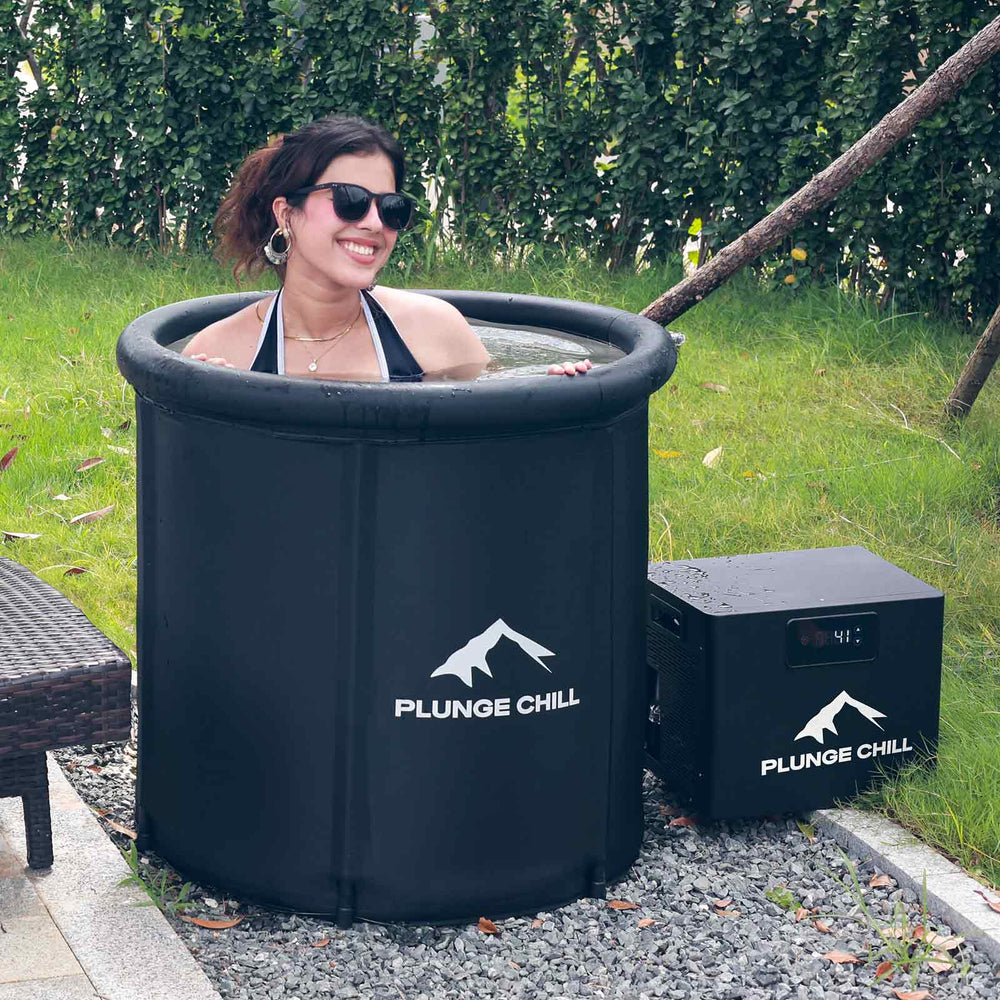
From a product standpoint, I look for a tub that can reliably hold water in the 50–59°F range, circulate and filter water to maintain hygiene, and allow comfortable immersion at least to the chest with stable footing. Good insulation and a secure cover matter if the unit lives outdoors. These features are less about luxury and more about safety and consistency; a predictable environment allows for structured, progressive exposure, just as Toji relies on consistent hot and cold conditions.
To emulate an onsen cycle, start your session with warmth. That can be a hot shower, a short sauna, or even light movement until you break a sweat. Then move calmly into the plunge, focusing on controlled breathing as the cold shock hits. Stay long enough for the first wave of intense discomfort to subside and your breathing to stabilize—often two to five minutes at 52–57°F for a moderately adapted user—then exit and allow your body to rewarm naturally before any additional hot exposure.
This is very different from white‑knuckling your way through the coldest possible water for bragging rights. Japanese traditions emphasize respect for the elements and gradual conditioning. Shin Toji explicitly favors shorter, more frequent sessions over heroic extremes, and that philosophy aligns well with current evidence.
Example Targets for Common Goals
The ranges below synthesize Japanese practices with research‑based guidance from universities and medical centers. They are not prescriptions but starting points to discuss with your clinician or performance staff.
Primary goal |
Typical water range (°F) |
Common duration range |
Preferred timing vs training |
Strength or hypertrophy support |
52–59 |
2–8 minutes |
At least 24–48 hours after lifting |
Endurance recovery |
50–55 |
5–15 minutes |
Within about 1 hour after hard effort |
Mental clarity and stress reset |
55–68 |
2–5 minutes |
Early in the day, away from bedtime |
General health and Shin Toji‑style routine |
52–60 |
3–10 minutes |
Several times per week, flexible |
These ranges sit comfortably within the temperatures and durations used in clinical and performance research. A beginner might start at 65–68°F for just a minute or two and gradually progress toward the colder and longer ends of the spectrum, much like the graded protocols recommended by psychological and lifestyle medicine experts.
Short FAQ
Do I need actual ice to benefit from Japanese‑style cold immersion?
Not necessarily. Many of the studies showing mood and stress benefits used water around 56–68°F, which you can often achieve with tap water alone, especially in cooler seasons. Japanese onsen cold pools are often in this “very cool” rather than near‑freezing range. For most recovery and mental health goals, consistently hitting the 50–59°F zone with a controlled plunge is more important than packing your tub with ice cubes.
How often should I plunge if I care mainly about strength and muscle growth?
If strength and hypertrophy are your top goals, it makes sense to treat cold exposure like any other training stress and place it away from your hardest lifting. Based on the Japanese hormonal study and strength research that found blunted gains with routine post‑workout immersion, using cold plunges on rest days or light training days is a conservative strategy. Two or three sessions per week totaling roughly 10–15 minutes of cold exposure, scheduled at least a day away from heavy lifting, is a reasonable framework that respects both tradition and current evidence.
Is pairing forest bathing with cold plunges actually worth the time?
For many people, yes. Forest bathing has a surprisingly strong evidence base: meta‑analyses show reduced cortisol and blood pressure and improvements in mood and immune markers after time in forest environments. When you place a short, mindful forest walk after a hot–cold session, you extend the “rest and digest” period, reinforce the mental reset, and align closely with Japanese practices that integrate water and woods. Even if you only have a city park, a slow, sensory‑focused walk after your plunge can make the overall experience more restorative and sustainable.
Japanese ice bath culture is not about suffering for its own sake. It is about using cold, heat, and nature in a structured way to build resilience, support recovery, and sharpen the mind. When you overlay that tradition with modern sports science, you get a clear directive: use cold strategically, respect your physiology, and let your goals dictate your protocol, not social media. If you do that, a well‑designed cold plunge—whether at an onsen in the mountains or in your own garage—becomes a powerful, sustainable tool in your performance and rehabilitation arsenal.

References
- https://www.health.harvard.edu/staying-healthy/can-ice-baths-improve-your-health
- https://lifestylemedicine.stanford.edu/jumping-into-the-ice-bath-trend-mental-health-benefits-of-cold-water-immersion/
- https://pmc.ncbi.nlm.nih.gov/articles/PMC11872954/
- https://health.osu.edu/wellness/exercise-and-nutrition/do-ice-baths-help-workout-recovery
- https://mcpress.mayoclinic.org/healthy-aging/the-science-behind-ice-baths-for-recovery/
- https://www.mayoclinichealthsystem.org/hometown-health/speaking-of-health/cold-plunge-after-workouts
- https://www.health.com/ice-baths-8404207
- https://www.verywellmind.com/ice-bath-benefits-for-mental-health-8572533
- https://www.calm.com/blog/ice-bath-benefits
- https://www.communityfirster.com/blog/the-ice-bath