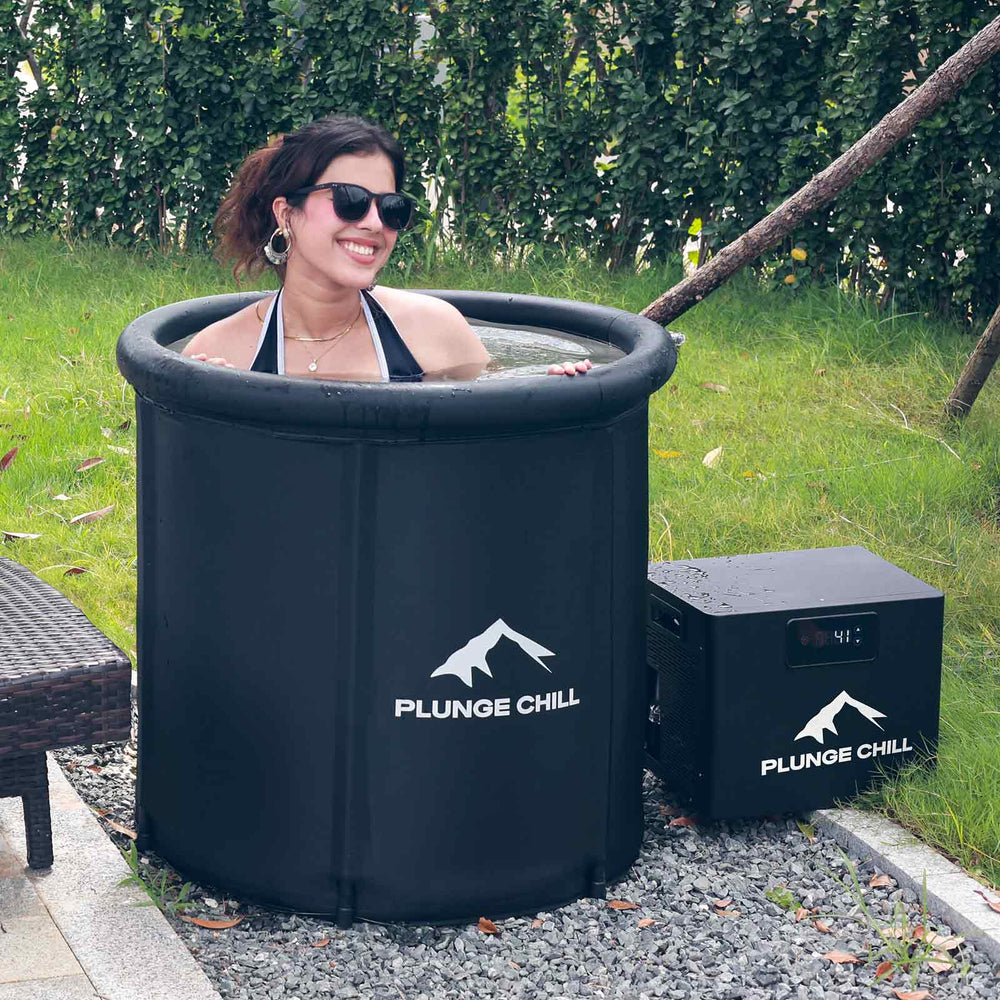
Cold plunges have gone from novelty to near‑daily ritual for many athletes and high performers. As a sports rehabilitation specialist and strength coach who also evaluates cold plunge products, I’m often asked a simpler version of a complex question: is an ice bath worth it? The honest answer is that it depends on your goal, timing, and equipment. The right protocol, used selectively, can make you feel and perform better in specific scenarios. The wrong protocol, used indiscriminately, can mute valuable training adaptations. This guide integrates current evidence with field experience so you can decide if a cold plunge belongs in your routine and, if so, how to do it well.
What an Ice Bath Actually Does
Cold‑water immersion is deliberate short exposure to cold water, typically in the 50–59°F range, to provoke a controlled stress response. Cooling the skin and superficial muscle triggers vasoconstriction, slows nerve conduction, and lowers metabolic activity; on exit, rewarming reverses those effects with rapid vasodilation. The sequence reduces perceived pain and tightness, modulates swelling, and can leave you feeling clearer and calmer. These mechanisms are consistent across multiple clinical summaries and sports‑medicine explainers from Ohio State Health and University of Utah Health, and match what we see on the clinic floor during post‑competition recovery sessions.
Delayed‑onset muscle soreness (DOMS) is a normal part of adaptation, peaking roughly 12–72 hours after hard work. Cold immersion can make that period more tolerable, especially when you need to train again soon, but tolerable is not the same as optimal for long‑term muscle building. That distinction—comfort and function in the next 24–48 hours versus strength and hypertrophy in the next 12–16 weeks—sits at the heart of whether an ice bath is “worth it” for you.

The Evidence, Without the Hype
Research is not monolithic on cold plunges, and different outcomes matter at different times.
A 2015 line of work in The Journal of Physiology, led by Queensland researchers and summarized for lay readers by The Stem Cellar, reported that routine post‑lift cold immersion attenuated long‑term gains in muscle mass and strength. Muscle stem cell activity (satellite cells) appeared blunted when athletes repeatedly cooled right after training. Separately, a carefully controlled study in PubMed Central found that cold immersion produced no clear advantage over active recovery for inflammatory and cellular stress responses measured in muscle and blood across 48 hours. In other words, cold did not reliably reduce the very signals that, in moderation, help you adapt.
On the other hand, broader health and recovery outcomes show nuance. A Harvard Health overview of 11 studies found cold‑water immersion can reduce stress, with a notable delay—the reduction appeared about 12 hours after immersion. Men, but not women in those datasets, reported improved sleep. Cold showers improved quality‑of‑life scores in one included study, though consistent mood and immunity gains were not demonstrated across the board. A University of Oregon study in the Journal of Thermal Biology documented modest cardiovascular and psychological benefits after a single 15‑minute plunge: lowered heart rate and blood pressure, decreased cortisol, and better mood within hours.
A pragmatic interpretation emerges. If your priority is long‑term strength and muscle gain, do not jump straight into an ice bath after lifting. If your priority is to reduce soreness, restore function for a near‑term session, manage heat stress, or settle your nervous system, a short plunge used strategically can help—especially in high‑frequency training or competition windows. Mayo Clinic Health System adds an important caveat echoed in collegiate programs: routine daily post‑training plunges can compromise long‑term gains, whereas endurance‑focused training appears less sensitive to this effect.
Why Sources Disagree and What That Means for You
Conflicting headlines often reflect different study designs and endpoints. Strength and hypertrophy studies focus on cellular and performance adaptations over weeks and months, where post‑lift cold can dampen signals needed for growth. Recovery studies often assess perceived soreness, readiness, and performance within the next day, where cold commonly helps. Protocols also vary widely—water at 45–59°F for 30 seconds to 15 minutes—and the population ranges from untrained to well‑trained athletes. When you align the intervention with the goal, the findings become more consistent.
Two less obvious factors add noise. First, perceived recovery is powerful: feeling better can improve the quality of your next session and, over time, your outcomes, even if certain biochemical markers are unchanged. Second, heat stress and environmental conditions change the calculus; when the problem is thermoregulation rather than muscle damage, cold exposure often makes a clearer difference.

Practical Protocols Without Sabotaging Gains
The safest, simplest guardrail is to let your training goal dictate your cold strategy.
- For hypertrophy and maximal strength blocks, separate cold immersion from lifting by one to two days, or use it on rest days. This respects evidence from The Journal of Physiology and aligns with clinical guidance from Ohio State Health and Mayo Clinic Health System.
- For endurance training or mixed sport practices, short plunges between 50 and 59°F can reduce soreness and help readiness for the next day without the same risk of blunting aerobic adaptations. Ohio State Health suggests 10–20 minutes; for most, 5–10 minutes achieves a useful balance of effect and tolerability.
- For tournaments, two‑a‑days, or congested schedules, brief plunges in that same 50–59°F window immediately after play can meaningfully improve perceived recovery and next‑day function. In team settings, I keep sessions short and supervised and prioritize breath control and gradual rewarming.
- For mental reset, two to five minutes in the mid‑50s is sufficient for most people to feel calmer and clearer as the autonomic system rebalances; the effect on stress hormones often tracks in the hours after the session, as the Harvard Health summary noted.
Here is a compact view that matches common goals with practical ranges and rationale, along with primary source families that support each choice.
Goal |
Suggested range (°F/min) |
Timing vs training |
Rationale |
Source notes |
Hypertrophy/strength |
50–59°F for 5–10 min, or skip |
Avoid within 24–48 hours of lifting |
Minimizes blunting of anabolic signaling and satellite cell activity |
The Journal of Physiology; Ohio State Health; Mayo Clinic Health System |
Endurance/mixed sport |
50–59°F for 10–20 min |
Within several hours post‑session |
Reduces soreness, aids readiness without clear endurance cost |
Ohio State Health; Harvard Health |
Tournament/rapid turnaround |
50–59°F for 5–10 min |
Immediately after play or same day |
Improves perceived recovery and function when schedule is dense |
Mayo Clinic Health System; team practice |
Heat stress management |
50°F for 10–15 min when available |
Pre‑ or post‑session as indicated |
Faster core cooling and autonomic reset under heat strain |
Sports‑medicine summaries via Science.gov |
Mental clarity/sleep support |
Mid‑50s for 2–5 min |
Late afternoon or early evening |
Delayed reduction in stress; calming effect over hours |
Harvard Health; University of Oregon |
Protocols are starting points, not prescriptions. Adjust down for smaller athletes or those new to cold, and up only if well tolerated and goal‑aligned. Always exit at the first sign of chest pain, confusion, or uncontrollable shivering.

Safety and Who Should Be Cautious
Cold shock, hypothermia, nerve irritation, and arrhythmia are the key risks to manage. University of Utah Health details groups that should avoid or modify cold exposure: people with cardiovascular disease or uncontrolled hypertension, Raynaud’s phenomenon, peripheral neuropathy, pregnancy, and older adults with frailty or those on medications that affect thermoregulation. Across sources, safe practice includes not plunging alone, entering gradually with calm breathing, keeping the head above water, and rewarming slowly with dry clothing and light movement rather than jumping straight into very hot water.
Mayo Clinic Health System adds environment‑specific hazards: open water with currents or ice can be dangerous; measure water temperature before entry and have towels and warm layers ready when outdoors. Ohio State Health suggests scheduling away from bedtime if the plunge feels stimulating and delaying cold immersion by a day or two after heavy lifting if muscle growth is a priority.

Overlooked Nuances That Improve Real‑World Results
Several details are routinely missed in generic advice but matter in practice.
One overlooked nuance is that cold showers, while accessible, do not match immersion for physiological cooling. Summaries from Ohio State Health and practitioner reviews note that showers can be a workable alternative when immersion is unavailable, but they deliver less uniform hydrostatic pressure and heat exchange. In practical terms, a shower may refresh you and lower perceived strain without meaningfully changing core temperature in the short window where cooling matters.
Another nuance is the different autonomic effects of full‑body plunges versus facial immersion. Stanford Lifestyle Medicine describes how a brief facial dunk in cold water activates the diving reflex via the trigeminal and vagus pathways, increasing parasympathetic tone and promoting calm. For clients who cannot safely plunge or who need a fast downshift before bed, facial immersion is a simple, underused option with a favorable safety profile.
A third nuance is that body composition likely influences optimal dosing. Practitioners report, and coaching syntheses like Science for Sport discuss, that smaller, leaner athletes cool faster than larger, higher‑fat athletes, which in turn implies different duration and temperature pairings for the same subjective effect. Suggested verification step: confirm with direct muscle and core temperature measurements in athletes of different body sizes during standardized 50–59°F immersions.

When Programs Invest: What Team Setups Teach Us
College and professional programs increasingly pair cold therapy with precise temperature control and robust water quality systems. Benedictine University’s partnership with a professional‑grade cold plunge manufacturer illustrates why: units with stable set points, integrated filtration, and safety features are easier to deploy consistently after practices and tournaments. My experience echoes this—when the water is consistently in the target range and clean, athletes are more compliant, adverse events are rare, and staff can concentrate on breathing cues and timing rather than buckets of ice.

Buying Guide: How to Choose a Cold Plunge That’s Actually Worth It
The right product is the one you will use safely and consistently that also fits your space, climate, and goals. A barrel‑style tub, a chiller‑equipped hard‑sided unit, or a do‑it‑yourself tub can all work, but they trade off on control, maintenance, and total cost of ownership.
Temperature control is the first differentiator. Units that reliably hold sub‑50°F water in summer conditions are more practical and require less manual ice. Look for verified performance data at high ambient temperatures and for features like app‑based set points and continuous temperature monitoring rather than only on‑device controls. A manufacturer example described a 2.1 horsepower chiller with a 40–104°F range for year‑round use; that kind of headroom matters in hot climates. Suggested verification step: ask the brand for third‑party performance testing at 95°F ambient with water volume specified.
Filtration and sanitation keep the experience pleasant and lower the risk of skin and ear irritation. Multi‑stage filtration with fine‑mesh filters, combined with ozone or UV, maintains clearer water with fewer chemicals. Medical‑grade, non‑porous tub materials resist biofilm and body oils and are easier to clean, as some barrel manufacturers emphasize. The ability to use a locking, insulated cover between sessions reduces heat gain, keeps debris out, and improves safety around children and pets.
Durability, footprint, and ergonomics affect daily use more than most shoppers realize. An upright barrel can be light enough to move when empty, fit on a small balcony, and provide full‑torso coverage in a natural seated position. One commonly cited spec sheet notes approximately 55 pounds empty and a footprint near 5 cubic feet with a filled capacity of roughly 750 pounds for certain barrel designs, which helps planning for decks and home gyms. A horizontal tub may be more comfortable for very tall users but will demand more floor space and typically a stronger chiller for the larger water volume.
Noise and ventilation have practical implications indoors. Compressors need air flow; many manufacturers recommend several feet of clearance around vents. Chiller placement near sleeping areas is a poor match; a garage, utility room, or shaded patio with good airflow is better. Manufacturer blog guidance in hot weather also converges on the same pointers: start with the coolest possible fill water, shade the unit, use the insulated cover between sessions, avoid placing the unit against reflective window tints that concentrate heat, and add bagged ice only during extreme heat spikes.
Price and support complete the picture. Dedicated plunge tanks can run into several thousand dollars and beyond when fully featured. Look for transparent warranties, spare‑parts availability, and responsive service. A lifetime warranty on the tub body and US‑based manufacturing may signal long‑term support from certain brands, though policies vary widely.

Setup, Maintenance, and Water Care
Treat the plunge like a small pool and it will treat you well. Place the unit on a flat, weight‑bearing surface with safe drainage. Ensure the chiller has adequate ventilation and power. Use the cover between sessions to minimize heat gain and contamination. Rinse or shower before entering. Skim debris, rinse filters on the schedule the manufacturer recommends, and maintain sanitizer levels appropriate to the materials in your unit. Change water regularly; cloudy or odorous water means it is time. Suggested verification step: follow the maintenance schedule in your unit’s manual and test water weekly with simple strips to confirm sanitizer and pH.
In hot summer conditions, shaded placement and good airflow keep the chiller in its efficient band. Some manufacturer blogs suggest three feet of clearance around vents and keeping the unit out of direct sun. When ambient temperatures are extreme, supplemental ice during initial fill can help the chiller reach a set point quickly; once it does, the cover and filtration help it stay there.
After plunging, rewarm gradually with a towel, dry layers, and light movement. If you feel lightheaded, sit and sip a warm drink. Both University of Utah Health and Ohio State Health recommend avoiding immediate very hot showers if you are dizzy, and never plunging alone.
A Coach’s Perspective from the Weight Room
In our facility, we periodize cold exposure like any other tool. During hypertrophy cycles and strength peaking, we keep cold away from lift days and use it sparingly for athletes who find it beneficial for sleep or stress management, usually the next day for two to five minutes in the mid‑50s. During tournaments and two‑a‑days, we use short plunges on site to improve next‑day function and compliance with recovery routines that include fueling, hydration, and sleep hygiene. For heat‑safety drills with field teams, we rehearse cooling logistics that prioritize rapid, supervised immersion because cooling rate matters more than nuance when core temperatures climb.
Teams that thrive on cold therapy treat it as garnish rather than the main dish. The fundamentals—program design, nutrition, hydration, sleep, and sensible loading—drive 90 percent of outcomes. A well‑timed plunge can polish the edges on the hardest days.
Are Ice Baths Worth It? A Simple Decision Framework
For lifters chasing size and strength, ice baths are worth it only if used away from training days or for stress management in separate windows. For endurance and team sport athletes with tight turnarounds, short, well‑timed plunges are often worth it for how they reduce soreness and protect session quality. For heat‑exposed workers and athletes, cold immersion is not only worth it but can be the safest, fastest cooling option during exertional heat illness scenarios, based on sports‑medicine cooling‑rate standards aggregated on Science.gov. For general wellness, mood, and resilience, many people find short plunges or even facial immersion helpful; the signal is modest and individual, and the safety basics still apply.
Takeaway
Ice baths are neither miracle nor menace. They are a stressor you can use to your advantage when you line up temperature, duration, and timing with your goals and medical realities. If building muscle is the priority, keep cold away from your lift days. If bouncing back tomorrow matters more than building in twelve weeks, a short plunge in the mid‑50s can help. Buy a unit that holds temperature, keeps water clean, fits your space, and comes from a company that will pick up the phone. Use it with intention, not on autopilot, and you will get the most from the cold.
FAQ
What temperature should I use, and for how long?
Most people get the best tradeoff between effect and tolerability at 50–59°F. Endurance and mixed‑sport athletes can sit in that range for 10–20 minutes; lifters and newcomers often do well with 2–10 minutes. If muscle growth is a goal, schedule sessions at least a day after heavy lifting. This guidance reflects ranges shared by Ohio State Health and Mayo Clinic Health System and what I see in practice.
Do ice baths really reduce inflammation?
Cold reduces swelling and perceived pain quickly, but human muscle studies have not shown a clear reduction in cellular inflammatory signals compared with active recovery in the first two days. PubMed Central reports comparable inflammatory and stress responses with or without cold immersion across 48 hours. That is one reason to avoid routine post‑lift plunges if you are chasing hypertrophy.
Are there heart‑health benefits?
A University of Oregon study reported reduced heart rate and blood pressure and lower cortisol after a single 15‑minute plunge, along with better mood hours later. Those are modest, acute effects; they do not replace exercise, diet, or medication where indicated. If you have cardiovascular disease or risk factors, consult your clinician before trying cold exposure, per University of Utah Health and Mayo Clinic Health System.
Can I just take a cold shower instead?
Cold showers are accessible and can improve how you feel, but they typically provide less uniform cooling and hydrostatic pressure than immersion. They are a reasonable entry point or maintenance practice, especially if you focus on calm breathing and gradual rewarming afterward. Expect a milder physiological effect than a true plunge.
What features matter most when buying a plunge?
Consistent sub‑50°F temperatures in summer conditions, solid filtration plus sanitation, durable non‑porous materials, an insulated locking cover, and a footprint that fits your space are the big ones. App control and responsive support are quality‑of‑life upgrades. Barrel‑style units highlight portability and small footprints; horizontal tubs favor stretch‑out comfort. Ask for performance data, not just marketing claims. Suggested verification step: request independent performance tests at high ambient temperatures and confirm warranty terms in writing.
Is there any role for ice baths before exercise?
Pre‑cooling can boost performance in heat and is a frontline treatment strategy for exertional heat illness due to higher cooling rates compared with temperate water or air methods, according to sports‑medicine summaries on Science.gov. For typical strength or skill sessions, however, cold before training can increase stiffness and is not advised unless heat management is the priority. Suggested verification step: consult your sport’s heat‑safety guidelines and rehearse cooling logistics with certified staff.
References (for context only; links to be added separately)
The Journal of Physiology; The Stem Cellar; PubMed Central; Harvard Health; University of Oregon; Mayo Clinic Health System; Ohio State Health; University of Utah Health; Stanford Lifestyle Medicine; Science.gov; manufacturer and team program communications (Benedictine University athletics).
References
- https://lms-dev.api.berkeley.edu/cold-tub-therapy
- https://ben.edu/game-ready-ice-cold-how-plunge-chill-is-helping-redhawks-recover-smarter/
- https://www.health.harvard.edu/staying-healthy/research-highlights-health-benefits-from-cold-water-immersions
- https://www.mcphs.edu/news/physical-therapist-explains-why-you-should-chill-out-on-ice-baths
- https://lifestylemedicine.stanford.edu/jumping-into-the-ice-bath-trend-mental-health-benefits-of-cold-water-immersion/
- https://news.uoregon.edu/content/cold-plunging-might-help-heart-health-new-research-suggests
- https://digitalcommons.liberty.edu/doctoral/7380/
- https://sncs-prod-external.mayo.edu/hometown-health/speaking-of-health/cold-plunge-after-workouts
- https://pmc.ncbi.nlm.nih.gov/articles/PMC2938508/
- https://health.osu.edu/wellness/exercise-and-nutrition/do-ice-baths-help-workout-recovery