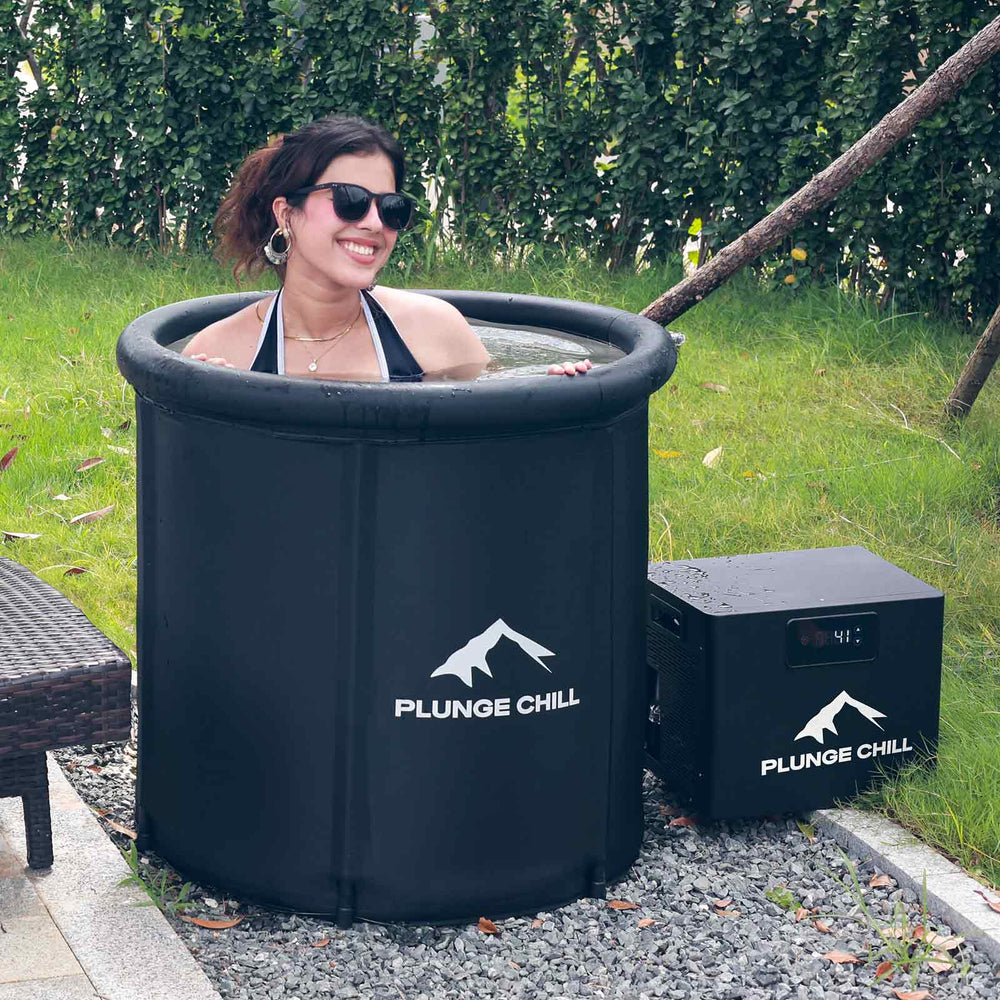
Cold plunges have jumped from locker rooms and training centers into garages and backyards across the country. As a sports rehabilitation specialist, strength coach, and cold-plunge product reviewer, I’ve used cold-water immersion with competitive athletes during tournaments, guided novices through their first dip, and tested a range of at‑home tanks. The question I get most is simple: is it worth it? The answer depends on your goals, timing, and health profile. Below, I translate the current science and my field experience into practical guidance you can use today.
What Counts as a Cold Plunge—and How It Works
A cold plunge, or cold-water immersion, is a short bout of submersion in cold water, typically between about 50°F and 59°F, most often for 10 to 15 minutes. The cold triggers a powerful physiological sequence. During immersion, blood vessels constrict, heart rate and breathing spike, and blood shunts from the limbs to the core. After you get out and warm up, vessels dilate and blood flow increases. This two-phase response helps limit swelling during immersion and may support circulation and muscle relaxation afterward. The initial shock also activates endorphins and norepinephrine, which many users associate with mental clarity and elevated mood. These mechanisms are consistently described across clinical and performance sources including Ohio State Wexner Medical Center, Ivy Rehab, and Lake Nona Performance Club.
Two effects are especially relevant to athletes. First, cooling reduces nerve conduction and can blunt pain signaling, making heavy legs feel lighter post-session. Second, hydrostatic pressure from water pushes fluid centrally, which can aid fluid shifts and ease tightness. These effects are temporary, but they matter when you need to bounce back on the same day.
What the Research Actually Shows
Short-term recovery and soreness
The most consistent benefit of a cold plunge is short-term relief in soreness and perceived fatigue after hard training. A 2023 Frontiers in Physiology meta-analysis reported immediate reductions in delayed-onset muscle soreness and rate of perceived exertion, with lower creatine kinase at 24 hours and lower lactate at 24 to 48 hours compared with passive rest. Systemic inflammation markers did not change reliably; C‑reactive protein and interleukin‑6 were broadly unaffected. These patterns support what athletes feel: you can expect to feel better quickly, but do not assume that plunges resolve deeper inflammatory processes overnight.
A randomized trial in Medicine (2016) found that 10 minutes of cold immersion around 54 to 59°F between same‑day resistance bouts lowered heart rate and skin temperature before the second bout. The performance data were mixed, but it showed that cold reliably alters physiology in useful ways for repeated efforts.
Performance within the same day
When the second effort is hours later, cold can help. In a controlled crossover trial with recreational runners, 15 minutes at 59°F after a long run and eccentrics led to a likely improvement in a 5‑kilometer time trial about four hours later compared with seated rest; 82°F immersion was possibly helpful, while 100°F was unclear. Rectal temperature fell faster after the cold condition and remained lower for at least 15 minutes during recovery, which may be one reason for improved performance. The trial’s frequentist analysis did not show a definitive difference among conditions and the sample was small, so interpret “likely” as suggestive rather than conclusive. Still, the direction aligns with field reports from teams that need to compete again later the same day.
An important nuance is the time window. Emerging conference data from integrative physiology suggests that within the first hour after high‑intensity intervals, hot‑water immersion near 104°F may better preserve jump power than cold at 59°F, with no next‑morning difference. Suggested verification: confirm peer‑reviewed publication of the conference abstract and replicate with blinded testing and standardized strength outcomes.
Long-term adaptations for strength and hypertrophy
If your goal is to maximize muscle growth and strength, timing becomes critical. Multiple studies referenced by Ohio State Wexner Medical Center and PubMed Central show that routine cold immersion immediately after resistance training can blunt long-term strength and hypertrophy gains compared with active recovery. In mechanistic work, cold did not meaningfully reduce inflammation within muscle compared with active recovery, yet chronic use still attenuated muscle-building adaptations over months of lifting. For lifters, the practical solution is to separate cold from the anabolic window: wait 24 to 48 hours after heavy lifting before you plunge, or do your plunge on non‑lifting days.
Mental, sleep, and immune effects
Many people plunge as much for mindset as for muscle. Cold exposure reliably delivers an alertness and mood “pop,” likely via sympathetic activation and catecholamine release. Some report better sleep, possibly due to muscle relaxation and the natural cooling of core temperature after exposure. Immune claims are frequently overstated. The best-known randomized trial here is a hot‑to‑cold shower study showing 29 percent fewer sick days in regular users; that is promising, but it is not a direct measure of infections or immune cell function and it is not specific to full-body plunges. Harvard Health notes that evidence for broad cardiovascular or immune benefits remains limited, and that a brisk walk does more for heart health than a cold tub.

Risks and Who Should Avoid It
Cold-water immersion is a profound stressor. The first 10 to 60 seconds are the danger window because the involuntary gasp and rapid breathing can trigger panic and water aspiration. Blood vessels clamp down, blood pressure rises, and the heart works harder. The American Heart Association and Harvard Health both urge caution or avoidance for people with heart disease, arrhythmias, Raynaud’s syndrome, or peripheral vascular disease. The American Lung Association warns that the cold-shock hyperventilation can be risky for those with asthma or chronic lung disease. Nerve damage and hypothermia are rare but real with prolonged or very cold exposure. Always have a rewarming plan. Never plunge intoxicated or alone. If you feel dizzy, excessively cold, or unable to control your breathing, get out.

Is Colder Always Better? Personalization and Overlooked Nuances
Several wellness sources emphasize the “colder is better” mantra, but the data point to a more nuanced truth. Many recovery studies use 50 to 59°F for 10 to 15 minutes. A practical approach for novices and general wellness is warmer. Spa clinicians report that consistently holding around 65°F produces more predictable outcomes and fewer overexposure symptoms across sessions. They also suggest women may benefit from starting warmer, around 55 to 65°F, due to differences in body composition, metabolism, and hormonal cycles. Suggested verification: look for randomized trials stratified by sex that compare 55 to 65°F versus 50 to 59°F for adherence, adverse events, and perceived benefit.
Hydrostatic pressure—one of the unsung reasons water immersion feels restorative—requires depth and time. Very cold water reduces heart rate and cardiac output, potentially counteracting some fluid-shift benefits of immersion itself. That is a key reason thermoneutral or gently cool immersion can sometimes feel more refreshing than an extreme plunge unless you are specifically treating an acute strain. The takeaway is to match the cold to your goal and tolerance instead of chasing the lowest possible number on the chiller.
Practical Protocols You Can Trust
If your primary goal is soreness relief and quick turnaround, immerse at about 50 to 59°F for 10 to 15 minutes within an hour of finishing. If you need to repeat a hard effort four to eight hours later, cold post‑session is reasonable; if the second session is within an hour and relies on explosive power, consider warm immersion instead and reserve cold for after the second session. When muscle growth and strength are the priority, avoid cold right after lifting and wait 24 to 48 hours before you plunge. For mood and alertness, a two to five minute morning plunge at 55 to 60°F can be effective without numbing you for the rest of the day. For sleep, a short early evening dip at a milder 60 to 65°F that ends at least two hours before bedtime can promote relaxation without over‑stimulating the nervous system.
A cold shower is a legitimate on‑ramp if a tub is not available. It is less uniform, but finishing a warm shower with 30 to 60 seconds of cold is a low‑risk way to practice breath control and test tolerance. Full-body immersion delivers more consistent hydrostatic and temperature effects when you are ready to step up.

A Quick Goals-to-Protocol Map
Goal |
When to do it |
Temperature |
Duration |
Rationale |
Key sources |
Reduce soreness and feel better today |
Within 1 hour post‑session |
50–59°F |
10–15 minutes |
Lowers perceived soreness and CK at 24 hours; lowers lactate by 24–48 hours |
Frontiers in Physiology meta‑analysis; Ivy Rehab; Ohio State Wexner Medical Center |
Same‑day second effort in 4–8 hours |
Right after first session |
59°F |
15 minutes |
Faster core temp recovery may aid later performance |
PubMed Central randomized crossover study |
Maintain power within 1 hour |
Immediately post‑session |
Consider warm immersion near 104°F; do cold later |
10–15 minutes |
Warm may better preserve jump power acutely |
Integrative Physiology conference report (Confidence: Low) |
Maximize strength and hypertrophy |
Not within 24–48 hours post‑lift |
If used, schedule on rest days |
2–10 minutes for wellness only |
Cold post‑lift can blunt adaptation |
Journal of Physiology; Journal of Strength & Conditioning Research; Ohio State Wexner Medical Center |
Mood, focus, resilience practice |
Morning or mid‑day |
55–60°F |
2–5 minutes |
Catecholamine surge and breath control |
Lake Nona Performance Club; Mayo Clinic Health System |
Buying Guide: Picking the Right Cold Plunge
As a product reviewer, I look at systems through the lens of reliability, safety, ongoing maintenance, and total cost of ownership. Start by deciding whether you want a manual setup or a temperature‑controlled system. A manual setup is typically a stock tank packed with ice and hose water. It is cheap to start, but the water warms quickly, sanitation is hands‑on, and ice purchasing adds up. A temperature‑controlled system uses a chiller to hold a setpoint; you get consistency, filtration, and sanitation features baked in, which is what athletes need during dense training blocks.
Consider the chiller’s cooling capacity and minimum setpoint. A reliable unit should reach the low 40s°F if you want the option, though most recovery protocols live higher. Look for integrated filtration with easy‑to‑replace cartridges and a secondary sanitation method such as ozone or UV. Strong insulation and a tight‑fitting cover reduce energy and contamination when the tub is idle. If you will place the unit indoors, noise matters; ask manufacturers for decibel ratings at one yard. Check the power draw and whether the unit needs a dedicated circuit and GFCI protection. For large users or tall athletes, confirm internal dimensions and water volume in gallons to ensure shoulder-depth immersion without cramping the knees. If you plan to wheel the unit between spaces, assess handles, casters, and drain placement, and verify indoor/outdoor ratings.
Warranty length, parts availability, and customer support responsiveness matter more than a flashy touchscreen. Because tanks now range from simple improvisations to fully featured systems that can cost up to $20,000, ask what maintenance looks like in month six after the new‑gear glow fades.
A quick comparison of common setups
Setup type |
Typical minimum temp |
Ongoing tasks |
Strengths |
Tradeoffs |
Manual tank with ice |
32–50°F depending on ice |
Buy ice, dump and refill often, scrub |
Lowest upfront cost; simple |
Temperature swings; sanitation effort; hidden ice costs |
39–50°F setpoint (often adjustable higher) |
Replace filters, balance sanitation, periodic deep clean |
Consistent temperature; filtration; programmable |
Higher upfront price; electrical and noise considerations |
|
Portable inflatable with chiller |
41–50°F setpoint |
Similar to above, plus careful storage |
Space‑saving; travel‑friendly |
Durability, puncture risk, heat gain outdoors |

Care, Hygiene, and Lifespan
Water care is not glamorous, but it saves you money and prevents skin irritation. Rinse feet before entry, keep hair tied, and avoid oils and lotions right before a session. Clean the filter on the schedule the manufacturer recommends and replace cartridges as needed. An ozone or UV unit can reduce chemical loads, but it does not replace sanitation entirely; many owners use a small, consistent dose of sanitizer tailored for cold tubs. Wipe the shell weekly with a mild, non‑abrasive cleaner and do a periodic drain and deep clean. Outdoors, a cover is non‑negotiable to keep out debris and lower evaporation. Indoors, ensure adequate ventilation to manage humidity. For any system, locate the GFCI‑protected power source safely away from splash zones and route hoses to avoid trip hazards.

Who Should Skip or Modify Cold Plunges
People with cardiovascular disease, arrhythmias, poorly controlled high blood pressure, severe asthma, Raynaud’s syndrome, neuropathies, or diabetes should consult a clinician before attempting a plunge. Pregnant people and older adults with limited thermoregulation should err on the side of avoiding or using gentler temperatures with professional supervision. For lung disease, even healthy people can hyperventilate in cold water; breath control practice in cooler showers is a safer first step. In all cases, avoid natural waters with currents and unknown hazards unless you are accompanied and trained; the first minute after immersion is the highest‑risk period for cold shock.
My Field Notes: How I Use Cold With Athletes
For back‑to‑back practices or tournament play, we use cold post‑session around the mid‑50s°F for about 10 minutes with a gradual warm‑up afterward and movement in warm clothing. On lifting‑focused weeks, we skip post‑lift cold and schedule plunges on off‑days or at least a day later to protect adaptations. For general wellness—especially in-season athletes who are already coping with travel, poor sleep, and high stress—I prefer milder 60 to 65°F dips for two to five minutes to get the mental benefits without a deep thermal hit. In product testing, consistency and maintenance trump extreme cold. The athletes who stick with cold longest are the ones whose equipment is clean, quiet, and simple to use.
Takeaway
Cold plunges are worth it when you match them to the right goal, dose, and person. The strongest evidence supports short‑term relief in soreness and perceived fatigue, especially when you need to perform again the same day. The biggest caveat is for lifters: avoid routine post‑lift cold if you are chasing long‑term strength and muscle gains. Safety is non‑negotiable for anyone with heart or lung conditions. If you are buying, prioritize consistent temperature control, robust filtration and sanitation, and manageable maintenance over marketing claims. If you are just starting, begin warmer, stay brief, and build skill with your breath. Cold is a useful tool—but like any tool, it works best when you use the right one for the job.
FAQ
Does cold plunging help with weight loss?
Cold exposure increases calorie burn acutely as your body rewarms and may activate brown fat, which supports thermogenesis and glucose regulation. This is interesting physiology described by Ohio State Wexner Medical Center, but it is not a fat‑loss plan by itself. Training, nutrition, sleep, and stress control drive meaningful body‑composition changes; consider cold a small adjunct, not a centerpiece.
How many times per week should I plunge?
For recovery, two to four sessions per week is a practical starting point. In high‑demand periods you can go more often, but lifters should avoid post‑lift cold and separate plunges by at least 24 to 48 hours from heavy resistance work. For wellness and mood, short morning dips a few days a week at milder temperatures are easier to sustain.
Are cold showers as good as a plunge?
Cold showers can deliver a similar alertness effect and are a smart way to learn breath control. For full recovery benefits, immersion is more uniform and adds hydrostatic pressure that showers do not. If a tub is not feasible, finish your normal shower with 30 to 60 seconds of cold and progress toward two minutes as tolerated.
What temperature is safest to start?
A good on‑ramp is 60 to 65°F for 30 to 60 seconds while you focus on controlled breathing, then build toward three to five minutes. You can reduce toward the 50s°F for athletic recovery when you have practiced entry, breathing, and rewarming. People at higher medical risk should stay warmer or avoid cold altogether and speak with a clinician first.
Is cold bad for endurance adaptations?
Endurance training appears less affected than lifting by post‑exercise cold, and some heat‑exposed performances benefit from pre‑cooling or post‑session cold. Still, if you are in a block where you want maximum aerobic adaptations, limit daily cold right after key sessions and experiment with timing on lower‑priority days.
I heard warmth may be better for quick power—true?
For explosive power within the hour after high‑intensity work, preliminary conference reports suggest warm immersion may preserve jump performance better than cold. Verify in peer‑reviewed studies before changing team protocols wholesale. In the meantime, use cold immediately after game one when game two is several hours away, and reserve warm water for very short turnarounds.
References
Frontiers in Physiology meta‑analysis on cold‑water immersion after exercise
Medicine (Lippincott Williams & Wilkins) randomized CWI trial on same‑day efforts
Ohio State Wexner Medical Center guidance on ice baths and recovery
Ivy Rehab clinical guide for athletes using ice baths
Lake Nona Performance Club cold‑plunge recommendations
Harvard Health review on heart risks and evidence for cold plunges
American Heart Association News advisory on cold‑water risks
American Lung Association guidance on cold exposure and breathing
Mayo Clinic Health System overview on cold‑water plunging basics and safety
PubMed Central studies on cold immersion and muscle adaptation and inflammation
Science for Sport review on mechanisms, dosing, and hydrostatic effects
Northwell Health commentary on trend, physiology, and safety
Peloton editorial summary of research on cold and hypertrophy
Vail Health explainer on cold shock and brown fat physiology
Verywell Health comparison of cold showers versus plunges
Glen Ivy’s perspective on stable 65°F wellness plunging and warmer starts for women (Confidence: Low; verify with randomized, sex‑stratified trials) 62,978
- https://www.health.harvard.edu/heart-health/cold-plunges-healthy-or-harmful-for-your-heart
- https://sncs-prod-external.mayo.edu/hometown-health/speaking-of-health/cold-plunge-after-workouts
- https://pmc.ncbi.nlm.nih.gov/articles/PMC2938508/
- https://www.northwell.edu/news/in-the-news/cold-water-plunges-are-the-rage-but-does-the-science-back-up-the-devotion-
- https://health.osu.edu/wellness/exercise-and-nutrition/do-ice-baths-help-workout-recovery
- https://today.wayne.edu/news/2021/03/22/is-cold-water-swimming-good-for-you-41963
- https://health.clevelandclinic.org/what-to-know-about-cold-plunges
- https://www.lung.org/blog/sauna-cold-plunges-health-impacts
- https://www.vailhealth.org/news/the-invigorating-science-behind-cold-plunge-and-its-surprising-health-benefits
- https://mydoctor.kaiserpermanente.org/mas/news/health-benefits-of-cold-water-plunging-2781939