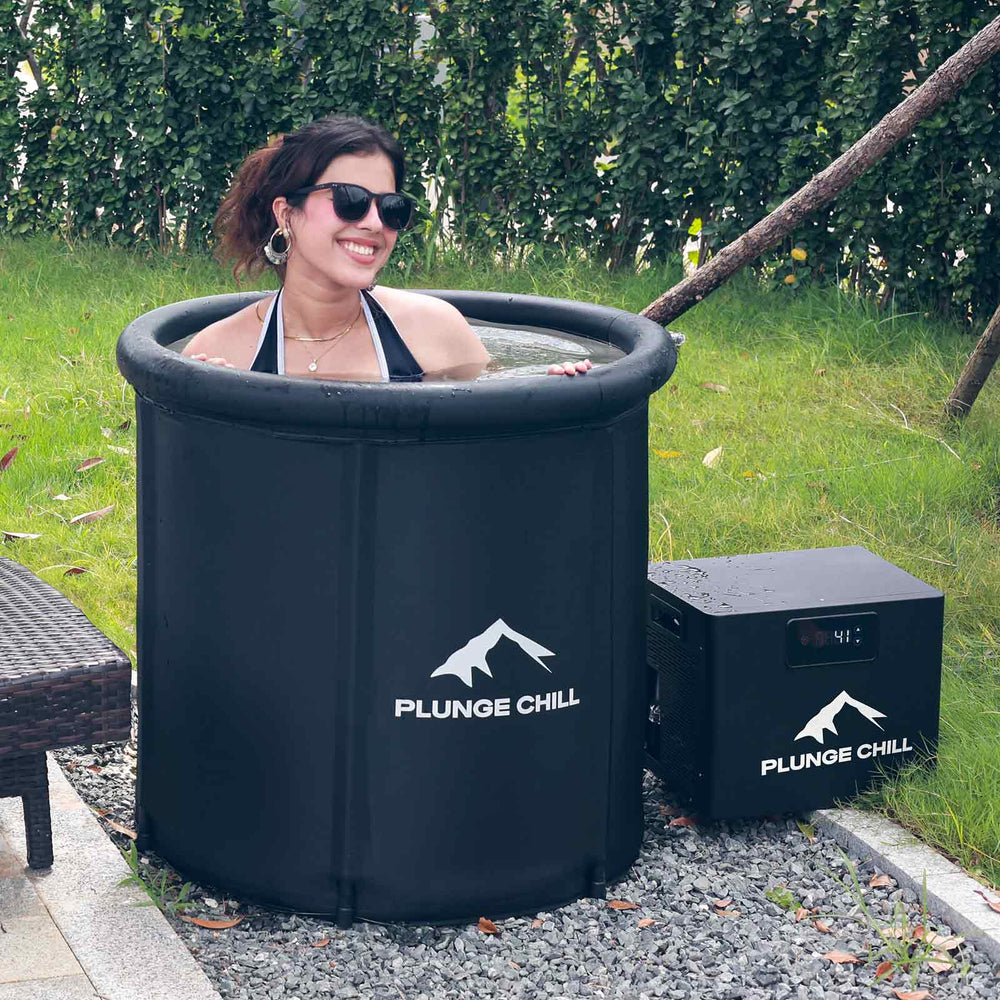
Cold plunges are usually discussed in the context of sport recovery and mental resilience, but as a strength coach who cross-trains vocalists, I have found that deliberate cold exposure can also support key elements of vocal training. The most compelling gains come not from any mystical airway effect, but from better arousal control, breath pacing, and consistent prehab habits that protect the voice during intense schedules. In this article I will explain the mechanisms that matter, map them onto a practical singer’s routine, summarize what credible sources say about benefits and limits, and close with care and buying guidance for choosing a cold plunge you can actually live with. The tone here is practical and evidence-based, drawing on my field experience and on guidance from sources such as Mayo Clinic Press, the National Institute on Deafness and Other Communication Disorders, Harvard Health, Ensemble Performing Arts, and professional voice coaches.
Why Cold Exposure Belongs in a Singer’s Toolkit
When you step into cold water, the first reaction is a jolt. Heart rate and blood pressure rise; breathing accelerates. Learning to steady that response under pressure is a transferable skill. Stage environments, recording sessions, and high-stakes auditions challenge the same autonomic pathways that the cold disrupts. In practice sessions, teaching a singer to meet the cold shock with measured nasal inhales and long, controlled exhales builds the ability to regulate arousal on demand. This turns the plunge into a live-fire drill for breath discipline, diaphragmatic control, and focus. Anecdotes from performers who practice this approach are striking. A singer who trains yodeling in an ice bath has explained the rationale simply: if you can sing in the tub while your system is spiking, normal stages feel tame by comparison. That is not a clinical outcome, but it is a credible performance principle.
Mayo Clinic Press has summarized small studies suggesting that brief cold exposure can acutely increase alertness and lower perceived distress, noting the limitations in sample sizes and practicality. For training transfer, those transient effects are enough to justify a short, well-designed cold session when the goal is to practice steady phonation under duress. Treated as a tool for state control and not a cure-all, the cold becomes a valuable accessory to serious vocal work.
How Cold Affects the Voice and Airways
The voice is produced by vibrating vocal folds inside the larynx, while the shape of the throat, nose, and mouth sculpts pitch, volume, and timbre. This basic anatomy reminder from the NIDCD matters, because it corrects a common myth: water you drink never touches the vocal folds. It goes down the esophagus, not the windpipe. Hydration that helps the folds is systemic, arriving via circulation. Practically, that means planning ahead. Community voice educators point out that hydration effects show up hours after you drink, not minutes, so pre-hydrate well before a session or show. A simple daily target such as eight cups is a useful baseline for most healthy adults, adjusted for body size, climate, and workload.
Regarding liquid temperature, the short-lived thermal effects in the mouth and throat do not literally chill or heat the folds, but they can change perceived comfort and muscle responsiveness. Many singers notice that very cold drinks make the surrounding muscles feel tighter, and that very hot drinks may be harder to recover from quickly. Ensemble Performing Arts recommends favoring room-temperature or warm fluids near performances, while using steam for direct humidification because only vapor contacts the folds. General voice-health advice also emphasizes nasal breathing to warm, humidify, and filter air. This is especially relevant around cold exposure, where mouth breathing can dry and irritate the airway at precisely the moment you are trying to keep the system calm.
Humming, Breath, and the Vagus Nerve
Humming links breath mechanics, resonance, and nervous-system state. A speech therapist writing about humming in ice baths explains that gently bringing the vocal folds together during exhalation increases resistance and lengthens the exhale, which helps shift the body toward a calmer parasympathetic state. Humming also uses the resonating spaces of the nose, mouth, and throat to produce a soothing tone and relax throat muscles, a sensation vocalists know well from semi-occluded vocal tract drills.
Another point made in that coaching literature is nitric oxide. The nose and paranasal sinuses produce nitric oxide, and humming can increase its presence in the nasal airflow. As described, nitric oxide acts as a bronchodilator and vasodilator and has antimicrobial properties. These are plausible mechanisms, but the evidence base for voice-specific outcomes remains early. Separately, researchers at the Feinstein Institutes have mapped how vagus nerve activity modulates inflammatory signaling, and how implanted vagus nerve stimulation can reduce cytokine levels in certain chronic inflammatory conditions. That is a different intervention from humming, and it should not be conflated with it. Still, the shared theme is that breathing behavior and vagal pathways influence systemic state. For singers, a low-risk takeaway is simple: pair short, cold-induced arousal spikes with deliberate nasal breathing and relaxed humming to practice regaining control.
What the Evidence Actually Says About Ice Baths
Mayo Clinic Press characterizes the cold-exposure hype as running ahead of data. A 15-day trial of a popular breathing-and-cold method in Nature Scientific Reports did not improve blood pressure, heart rate, cardiac function, or mood, and human data for fat loss or metabolic improvements remain limited. For soreness and recovery during dense training periods or tournaments, short-term cold exposure can help people feel and function better. As a season-long daily habit, it may blunt strength and muscle gains, so it should not be used indiscriminately. For home submersion at about 50–60°F, risk is generally low with brief exposures, while open water and frigid environments carry higher risk for cold shock, arrhythmias, hypothermia, and frostbite. That risk profile is manageable for a vocalist who wants a controlled, short cold stimulus to practice breath and arousal strategies.
The lesson is that cold exposure is not a miracle amplifier for the voice. It is a stimulus that can be used to rehearse composure, to nudge alertness, and to modulate perceived strain. It should be treated as garnish on a plate whose main ingredients remain technique training, conditioning, sleep, nutrition, and smart scheduling.
Protocols That Make Sense for Vocal Work
The goal is not longer, colder, or tougher. The goal is precise, brief exposures that teach control and leave you better for the session ahead, not depleted. The table below summarizes tested patterns I use with athletes and singers, harmonized with safety notes from Mayo Clinic Press and voice-care guidance from the NIDCD, Ensemble Performing Arts, and voice coaches.
Goal |
Protocol (Temp) |
Duration & Timing |
What to Monitor |
Evidence Notes |
Source Anchor |
Pre-rehearsal arousal control |
One to three minutes, followed by full re-warm; use earlier in the day, not immediately pre-warm-up |
First breath under control within 10–15 seconds; steady nasal inhales and long humming exhales |
Small studies show alertness benefits; treat as state drill, not performance enhancer |
Mayo Clinic Press; Ensemble Performing Arts |
|
Breath pacing and resonance |
50–60°F tub |
One to two minutes of humming-only cycles; gentle “mmm” with relaxed face; stop if throat tightens |
Even, low-effort tone; relaxed lips and cheeks; no breath stacking |
Humming lengthens exhale and engages resonance; nitric oxide in nasal airflow discussed in coaching literature |
Speech therapist coaching; NIDCD physiology basics |
Post-gig unwind without blunting gains |
50–60°F shower or brief tub |
Thirty to sixty seconds; prioritize sleep and nutrition after |
Calm breathing; shiver threshold not exceeded |
Short exposures reduce discomfort; avoid daily long plunges to protect adaptations |
Mayo Clinic Press |
Stage-nerves simulation |
50–60°F tub |
One to three minutes on a separate training day; sing simple on-vowel patterns only after full re-warm |
Rate of perceived exertion, pitch stability, and diction on light material |
Anecdotal transfer to performance composure; keep musical demands light |
Performer anecdote; BAST cool-down philosophy |
These are guidelines, not prescriptions. If you have cardiovascular risk, respiratory disease, or any condition that could be affected by cold shock, discuss plans with a clinician first. Always exit the water if dizziness, chest discomfort, or uncontrolled shivering escalates.

A Practical Session Blueprint
On days you will sing, begin with the basics that reliably protect the voice. Hydrate early and consistently so systemic fluids are available by the time you sing. Eat normally and avoid alcohol before you work. If you use caffeine, balance it with water since both NIDCD guidance and voice-coaching sources flag dehydration as a common cause of vocal strain. In the two hours before singing, favor room-temperature water and consider steam as your direct humidifier because vapor, not liquid, contacts the folds.
Complete a short, gentle warm-up of ten to twenty minutes. Loosen the lips and jaw. Add easy lip trills, tongue trills, and narrow-range patterns in a comfortable register. Imagine this like an athlete’s mobility circuit rather than a max-effort session; the intent is blood flow and coordination, not range-seeking.
If you are using the cold on a training day, place a one- to three-minute plunge at about 50–60°F earlier in the day, not immediately before the vocal warm-up. Step in, soften the first inhale, and get to steady nasal breathing quickly. Once you feel settled, add a relaxed hum on the exhale to lengthen the breath and cue resonance. When you step out, re-warm fully with dry clothes and light movement. Only then do you begin standard vocal work. After your session or show, perform a brief cool down of two to three minutes, mirroring some warm-up elements at lower intensity. This resets the system and reduces residual tension, a concept promoted by professional voice coaches. If you are sick or hoarse, postpone the cold and the singing and prioritize voice rest per NIDCD and Harvard Health guidance.

Pros and Cons for Vocalists
The main advantages of a cold plunge routine for singers are mental and behavioral. It develops the habit of meeting a stressor with measured breath and relaxed phonation. It adds a consistent prehab anchor around which hydration, warm-ups, and sleep become non-negotiable. Short exposures can reduce perceived soreness and help with alertness on packed days when you need a nudge, as summarized by Mayo Clinic Press. Humming during exhalation in the cold is a low-effort way to extend the breath, engage resonance, and reinforce calm tone production.
There are limitations you should treat with respect. Cold shock is real and can spike blood pressure and heart rate, particularly in open water or very low temperatures. Routine daily long plunges may interfere with training adaptations, so cold should not replace the fundamentals of conditioning and technique. Very cold beverages right before singing can make your upper airway feel stiff, and very hot beverages can be hard to recover from; neither is a magic fix. Hydration must be planned hours ahead, and steam is the only direct way to humidify the folds. Finally, no cold protocol treats laryngitis or structural voice problems; persistent hoarseness or pain demands evaluation by an otolaryngologist, and whispering is not a workaround because it strains the voice as much as normal speech, as Harvard Health and the NIDCD explain.

Safety and Red Flags
A conservative approach keeps vocalists safe while preserving the upside. Stay within about 50–60°F for home immersions and keep exposures short. Avoid head submersion and never plunge alone. If you experience chest pain, intense lightheadedness, uncontrollable shivering, or any breathing difficulty, stop and warm up immediately. If you are hoarse for more than a few weeks, have recurrent voice loss, or notice a sudden loss of high notes not explained by fatigue, seek care with an ENT. When sick with a respiratory infection, prioritize vocal rest, hydration, steam, sleep, and medical care when indicated. Return to singing only after symptoms resolve and the voice is comfortable, and add cold exposure back only when you are fully well.
Care and Buying Tips for Cold Plunge Tubs
As a reviewer, I prioritize features that deliver stable, repeatable sessions without complicating an already busy training day. A chiller that reliably holds water between about 39°F and 60°F is more useful than a system that can dip lower but fluctuates. Solid filtration with a replaceable filter, an accessible drain, and a cover that reduces debris and heat gain simplify maintenance and improve hygiene. Quiet operation matters if you live in an apartment or share a rehearsal space. Measure your space and choose a tub footprint that allows safe entry and exit; a non-slip floor and handhold are practical safety details. Portability can be a real advantage for touring performers; a soft tub with a compact chiller travels more easily than a hard shell. Warranty and service responsiveness are worth the premium because the chiller is the heart of the system, and downtime is disruptive when you are mid-tour or in a recording block. If you are new to cold exposure, start with a sturdy stock tank or an insulated soft tub before investing in a premium unit; prove the habit, then upgrade.
Maintenance and Hygiene
Water quality is part of voice care because sinus and throat irritation after poor hygiene can derail your plan. Keep the tub covered when not in use. Shower before sessions. Use the manufacturer’s recommended filtration and sanitation approach and replace filters on schedule. If several people share the tub, shorten the interval between water changes. A simple floating thermometer helps you verify actual water temperature rather than relying on a panel reading. After finishing, re-warm with dry layers and movement rather than jumping straight into scalding showers. The goal is a smooth return to baseline, not another extreme that leaves you oscillating.
Takeaway
Cold exposure is not a shortcut to vocal brilliance, but it is an effective environment for practicing the skills that make singers reliable under pressure. Use brief, well-controlled immersions at about 50–60°F to rehearse nasal breathing, long humming exhales, and calm phonation while your system is aroused. Pair that with the unglamorous fundamentals that actually protect and improve the voice: early hydration, steam for humidification, warm-ups and cool-downs tailored to your range, and enough sleep to let tissue recover. Respect the limits highlighted by Mayo Clinic Press, follow voice-care guidance from the NIDCD and clinical sources such as Harvard Health, and treat the cold as an accessory to, not a replacement for, technique and training. When you do, the unexpected improvement is not mystical resonance; it is repeatable composure and breath control that travel with you from the tub to the stage.
FAQ
Will an ice bath make me sing better?
There is no direct evidence that cold plunges improve vocal range, tone, or power by themselves. The useful effect is indirect. Brief, controlled cold exposure lets you practice steady breathing, arousal control, and relaxed phonation under stress. Those are skills that help you perform your technique reliably when the stakes are high.
What temperature and duration are appropriate for vocal training?
For home use, aim for about 50–60°F and keep exposures brief. A window of thirty seconds to three minutes is plenty when the goal is breath control and composure. This range aligns with safety guidance summarized by Mayo Clinic Press. Use earlier in the day and allow full re-warm before any serious singing.
Should I plunge right before a performance?
It is better to separate the cold from your stage time. Use the cold earlier in the day as a nervous-system drill, then re-warm completely and complete your standard warm-up. Near the show, favor room-temperature or warm fluids and steam for humidification, as suggested by Ensemble Performing Arts and the NIDCD.
Is humming in the tub actually helpful?
Humming gently during the exhale lengthens the breath and engages resonance, which can help the throat stay relaxed while you calm your breathing. Coaching sources also note increased nasal nitric oxide during humming. Treat it as a low-risk tactic to practice calm tone production, not as a medical therapy.
Are cold drinks bad for my voice?
Cold beverages do not touch the vocal folds, but they can make surrounding tissues feel tighter for a short time. Very hot drinks can also be hard to recover from quickly. Before singing, many performers do best with room-temperature or warm fluids, and with steam for direct humidification. Plan systemic hydration hours in advance, not at the last minute.
What if I am hoarse or sick?
If you are hoarse, in pain, or recovering from a respiratory infection, prioritize voice rest, hydration, steam, sleep, and appropriate medical care. Harvard Health notes that whispering strains the voice as much as normal speech, so avoid it. If hoarseness persists for more than a few weeks or occurs without a respiratory illness, see an otolaryngologist for evaluation.
References
- https://scholarsarchive.byu.edu/cgi/viewcontent.cgi?article=9943&context=etd
- https://www.clinicaltrials.gov/study/NCT01863264
- https://www.health.harvard.edu/a_to_z/laryngitis-a-to-z
- https://www.nidcd.nih.gov/health/taking-care-your-voice
- https://aimm.edu/blog/the-top-10-vocal-health-tips/
- https://feinstein.northwell.edu/news/insights/vagus-nerve-stimulation
- https://wp.stolaf.edu/musician-health/taking-care-of-your-respiratory-system/
- https://conservancy.umn.edu/bitstreams/43e9a3e6-3440-4c40-a7dc-7e054c975f3c/download
- https://open.clemson.edu/context/all_dissertations/article/2881/viewcontent/nud4hvdcq85w7yxqzx1lnvtmd1tloz2h.pdf
- https://chemistry.ucmerced.edu/sites/g/files/ufvvjh611/f/page/documents/ejm_hydrochloric_acid.pdf