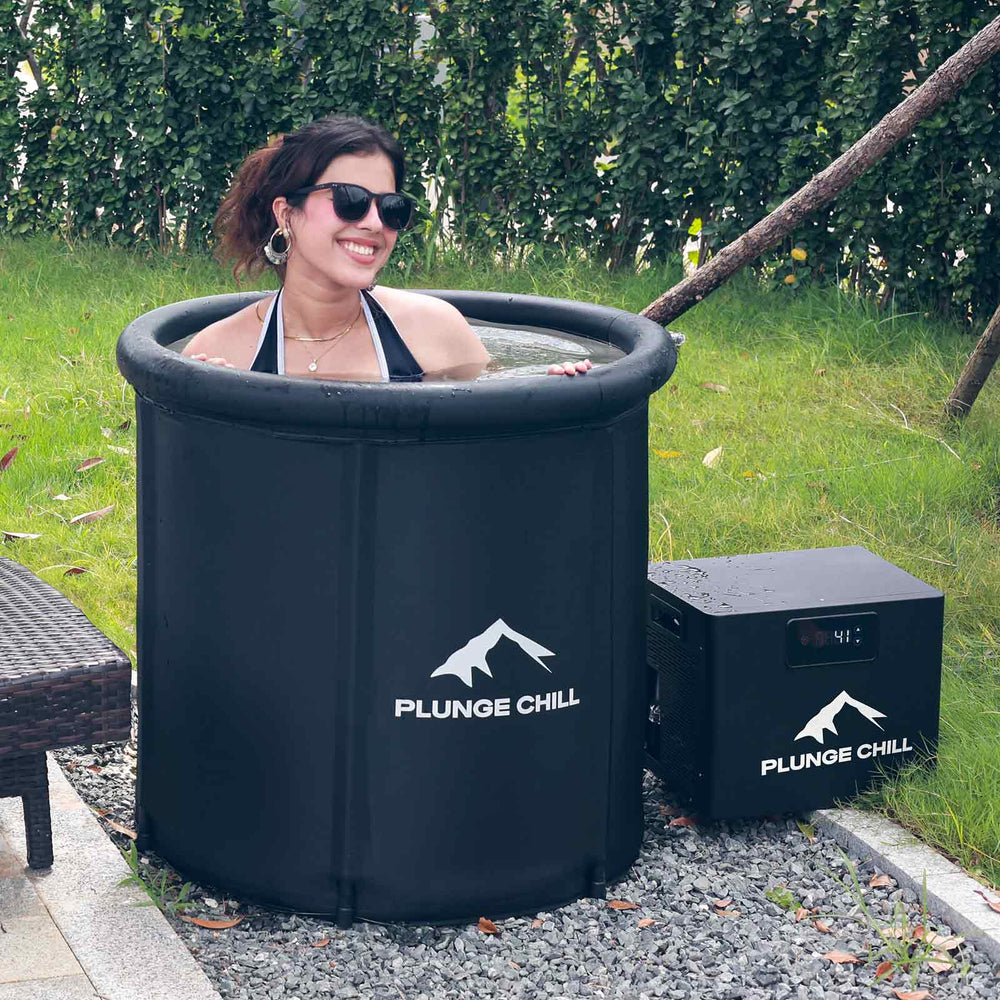
As a sports rehabilitation specialist and strength coach who also tests cold plunge products, I evaluate ice baths through two lenses: what helps athletes recover without undermining training adaptations, and what makes a tub reliable, safe, and practical in daily use. This guide consolidates current evidence on temperature, duration, and timing, then translates it into purchasing and care specifications you can apply at home, in a clinic, or inside a weight room.
What Ice Bath “Specifications” Actually Mean
When buyers ask for ice bath specs, they are really trying to optimize three interlocking domains. The first is physiological dosing: the water temperature, session duration, immersion depth, and session timing relative to training that create expected effects on soreness, neuromuscular function, and biomarkers of muscle damage. The second is hardware performance: whether a tub and its chiller can reliably reach and hold target temperatures, manage water hygiene, and operate safely in the real world. The third is user risk and tolerance: basic safety constraints, medical contraindications, and how tolerable a protocol is for daily or weekly use.
Definitions help frame the discussion. An ice bath is cold‑water immersion intended to deliver a dose of cold to the body. Delayed‑onset muscle soreness is the ache that often peaks 12 to 72 hours after unfamiliar or intense exercise. Creatine kinase is a blood enzyme that rises after muscle damage and is commonly used as a biomarker in studies. Jump height is a surrogate for neuromuscular function and has been used in performance‑oriented trials. The interaction of these measures with cold exposure is what the best research probes—and those findings should drive your spec choices.
Evidence on Temperature and Duration
The most decision‑useful data come from randomized trials and meta‑analyses that compare temperature and duration combinations. A 2024 network meta‑analysis indexed in PubMed Central compared dozens of protocols and consistently found that immersions of 10 to 15 minutes in the low 50s to high 40s are associated with meaningful changes in soreness, jump performance, and creatine kinase. Specifically, about 52–59°F for 10–15 minutes ranked best for soreness reduction, while about 41–50°F for 10–15 minutes tended to lead for jump performance and creatine kinase reductions. For context, warmer cold water around 61–68°F ranked comparatively weaker for these outcomes. These results sit alongside an earlier meta‑analysis in PubMed Central showing immediate reductions in soreness, perceived exertion, and creatine kinase at 24 hours, with mixed effects on performance thereafter.
A consumer‑facing summary from Health reports very similar practical dosing for home use, noting that 50–59°F for about 10–15 minutes is a reasonable default. Marquette University’s practice brief aligns on the same duration and highlights that two to three short bouts adding up to roughly 10–15 minutes can be used when continuous exposure is not feasible. Taking these bodies of evidence together, you can think of ice bath dosing like you think of training: the specifics matter less than matching the dose to the goal and maintaining consistency.
Goal |
Water temperature (°F) |
Duration |
Evidence notes |
Source |
Soreness relief priority |
52–59 |
10–15 minutes |
Strongest ranking for soreness reduction in network meta‑analysis; widely tolerable |
PubMed Central (network meta‑analysis), Health |
Biomarkers and neuromuscular recovery |
41–50 |
10–15 minutes |
Better ranking for creatine kinase and jump performance vs warmer cold; tolerability can limit adherence |
PubMed Central (network meta‑analysis) |
Comfort‑first acclimation |
50–59 |
5–10 minutes |
Acceptable start for new users; extend toward 10–15 minutes as tolerated |
Health, Marquette University |
Warmer cold or warm water |
61–68 or above |
10–15 minutes |
Generally weaker effects vs colder ranges; may be appropriate when comfort is a hard constraint |
PubMed Central (network meta‑analysis) |
Study limitations deserve mention. The 2024 network meta‑analysis emphasized heterogeneity across trials and a predominantly male participant pool; only one study used female‑only samples. That gender imbalance means real‑world effects in women are less certain. The older analysis also showed high variability in several outcomes. These caveats do not negate the signal; they shape how strongly we generalize. In practice, start with evidence‑supported ranges and tune to the athlete’s goal and tolerance.
Timing Relative to Training
Timing is where the field diverges and where your training goal should lead the specification. The Ohio State Wexner Medical Center cautions that cold immersion directly after resistance training may blunt long‑term adaptations in muscle size and strength, echoing findings from controlled studies reported in the Journal of Physiology and the Journal of Strength & Conditioning Research. If hypertrophy and maximal strength are your primary goals, it is prudent to delay cold immersion by about one to two days after those sessions to preserve the inflammation‑to‑adaptation signaling cascade. By contrast, Marquette University’s practice brief notes that for perceived recovery and quick turnaround needs—such as tournaments or congested match schedules—immersing within the first hour can feel better and may support short‑term readiness. The conflict between immediate relief and long‑term adaptation is more apparent than real once the goal is explicit. If a power or strength session is coming within the next day and training adaptations matter most, push the ice bath later. If a competition demands acute symptom control or fast turnaround, prioritize the immediate dose and accept the possible trade‑off.
An older narrative review in PubMed Central adds another caution: very cold immersion can acutely impair subsequent high‑power outputs, such as cycling sprints, in the short window after immersion. That argues against using an ice bath as a pre‑event strategy for power‑dependent sports.

Immersion Depth and Coverage
Depth is often misunderstood. A meta‑analysis in PubMed Central found that immersion site, whether near the shoulders or around the umbilicus, did not explain differences in several outcomes across studies. That suggests that buying the deepest tub on the market may not deliver proportionally better physiological effects for many users, as long as the water dose and duration are correct. Cold showers can be used when a plunge is unavailable, but two mechanisms are missing. The first is the uniformity of cooling; showers leave islands of warmth. The second is the hydrostatic pressure provided by being submerged, which shifts fluid intravascularly and can reduce swelling without extra energy cost, as described in the PubMed Central narrative review. Those differences help explain why showers are an acceptable stopgap but not a precise substitute for full immersion.
Overlooked insight: A deeper or extra‑wide tub is not inherently more “effective” for typical recovery targets, given that immersion site did not drive results in meta‑analysis. The likely reason is that the physiologic dose is dominated by temperature and time, not by an extra inch of water over the sternum. Source: PubMed Central (meta‑analysis).

Safety Specifications and Contraindications
Safety and tolerability are non‑negotiable specs. Health and Ohio State Wexner Medical Center both highlight risks including cold shock responses with sudden immersion, hypothermia during prolonged exposures, nerve irritation with excessive cold, and aggravation of pre‑existing cardiovascular disease, Raynaud’s phenomenon, or neuropathies. New users should have another person present, particularly outdoors, and should always have a clear rewarming plan. A thermometer is not optional. Enter gradually, monitor breathing, and step out if shivering becomes vigorous, dizziness appears, or numbness emerges. Those are real‑world thresholds I use with athletes in the clinic daily.

Product Specifications That Matter in the Real World
Hardware characteristics determine whether you can consistently deliver the physiological dose without turning your garage into a science project. After testing units across team and clinic settings, these are the specifications I scrutinize.
Specification |
What it affects |
Practical check |
Ability to hold 50–59°F or lower across repeated sessions |
Ask how the unit maintains target temperatures after back‑to‑back use and in warm rooms; verify with a calibrated thermometer |
|
Water safety, skin tolerance, and maintenance burden |
Look for clear filtration guidance; UV or ozone features can reduce chemical load; confirm replacement cycle and cleaning steps |
|
Insulation and lid fit |
Energy use and ice/chiller workload |
Inspect lid seal and tub insulation; weak insulation increases power draw and time to re‑cool |
Drain and access |
Ease of cleaning and water changes |
Check for accessible drains, hose compatibility, and whether the unit allows easy interior wipe‑downs |
Power and protection |
Household compatibility and safety |
Confirm household outlet requirements and ground‑fault protection; keep cords away from water and follow manufacturer instructions |
Portability and footprint |
Placement options and seasonal moves |
Weight when filled, handles, and whether a single person can reposition it safely when empty |
Noise |
Home and clinic suitability |
Ask for decibel ratings at typical operating loads; noisy chillers can be disruptive in small apartments or clinics |
Long‑term reliability |
Clarify what is covered and where service is provided; confirm parts availability and turnaround |
These checks are practice‑based inferences that any buyer can verify at delivery.
Water Care and Hygiene
A clean tub reduces skin irritation and keeps the experience tolerable. Marquette University emphasizes basic hygiene fundamentals: clean and disinfect the tub, rewarm gently after use, and treat prolonged exposures with caution. In my clinic we adopt simple routines that avoid guesswork: a posted cleaning schedule, a log for filter changes if present, a quick surface wipe‑down, and periodic water replacement according to the manufacturer’s sanitation plan. Some vendors or blogs suggest fixed replacement intervals such as changing water every few weeks. One consumer blog suggests replacing water about every four weeks.
Protocol Recommendations by Goal
Matching the ice bath spec to the training intent is where the research becomes actionable.
For rapid turnaround between sessions, such as a tournament weekend, prioritize a tolerable but effective cold dose. Ten to fifteen minutes around the low to mid‑50s can reduce soreness and support neuromuscular recovery without punishing adherence, based on network meta‑analysis rankings and practical summaries from Health and Marquette University. Avoid pre‑event plunges directly before power‑dependent efforts because short‑term performance decrements have been reported in controlled settings in PubMed Central.
For strength or hypertrophy blocks, defer cold immersion for a day or two after high‑effort lifting. Ohio State Wexner Medical Center cautions that immediate post‑lift immersion can blunt long‑term gains, consistent with controlled studies in the Journal of Physiology and the Journal of Strength & Conditioning Research. In practice, I delay cold for 24–48 hours after heavy resistance work and instead use gentle cooldowns, nutrition, sleep, and light mobility at the session’s end.
For general wellness or mood, the evidence is promising but preliminary. Small studies summarized by Health suggest potential improvements in alertness and mood with brief cold exposures. Given sample sizes and varied protocols, treat these benefits as a bonus rather than a primary buying criterion.
For weight management, Ohio State Wexner Medical Center notes that cold exposure can increase calorie burn during rewarming and may influence brown fat activity. These effects are plausible but should not be the primary reason to buy a cold plunge absent a broader plan involving nutrition and activity.
Overlooked insight: If your goal is soreness relief with high adherence, the mid‑50s for 10–15 minutes may outperform the very cold range in the real world because tolerability matters day to day. The network meta‑analysis favored about 52–59°F for soreness, while colder water favored certain performance and biomarker outcomes. Divergence likely reflects methodology and participant comfort rather than a single “best” temperature. Source: PubMed Central (network meta‑analysis).
Overlooked insight: Warm water immersion is being studied head‑to‑head with cold for post‑exercise soreness. A ClinicalTrials.gov record describes such a comparison but does not yet report results. Given Health’s note that heat therapy can sometimes mirror short‑term recovery benefits, do not ignore simple warm baths when cold is not tolerated.

Pros and Cons Summary
Ice baths can reduce immediate soreness and perceived fatigue, and they can lower creatine kinase at about 24 hours after hard efforts. These findings appear across trials summarized in PubMed Central and are broadly consistent with practical summaries from Health and Marquette University. On the other side of the ledger, cold immersion right after lifting can blunt strength and hypertrophy signals and may acutely depress power output. The research also shows mixed or modest effects on performance beyond immediate post‑session windows and minimal change in common systemic inflammation markers. In the real world, the most durable benefit is often subjective relief and perceived readiness when time between efforts is short. The most preventable downside is undermining strength adaptations by plunging immediately after resistance work. Safety must always bracket the decision; cold shock, hypothermia, and nerve irritation are avoidable with sensible dosing and supervision in at‑risk populations.
Buying Tips: New, Portable, or DIY
Whether you choose a purpose‑built unit, a portable tub with a chiller, or a simple tub with ice, apply the same specification logic. The tub must reliably hit and hold your temperature target under the room conditions you actually have, not the marketing brochure’s ideal. It must provide a sanitation path you can maintain weekly without guesswork. It must fit the space and noise profile of your apartment or clinic. Purpose‑built units usually make temperature control and sanitation easier but cost more. Portable setups can work well if you are comfortable verifying temperature with a thermometer and following a written cleaning plan. DIY ice‑in‑tub approaches can be effective for occasional use, but daily users usually outgrow them due to water management and temperature instability. These are practice‑based inferences that you can validate within a return window by testing a typical week of use.

Maintenance and Care
Simple habits protect your skin and your hardware. Rinse off sweat and chalk before entering. Wipe down contact surfaces after use. Follow the manufacturer’s sanitation plan for filters, UV or ozone devices if present, and water treatment; avoid improvising chemistry. Drain and clean the tub at the intervals the vendor prescribes rather than on a fixed internet rule of thumb, and confirm with test strips if the vendor supports that approach. Rewarm gradually after sessions, especially in cold rooms, to avoid prolonged vasoconstriction. These steps add minutes to a session but save hours of troubleshooting later.
Frequently Asked Questions
What is the best temperature for an ice bath? The most practical range for soreness relief is about 52–59°F for 10–15 minutes. A 2024 network meta‑analysis in PubMed Central ranked this range highest for reducing soreness, and it matches consumer‑oriented guidance from Health. If you are targeting jump performance or creatine kinase reductions specifically, colder water around 41–50°F for 10–15 minutes also performed well in the same analysis, but tolerability can drop.
How long should a session last? Ten to fifteen minutes is the most consistently studied and recommended duration across PubMed Central meta‑analyses and practice briefs from Marquette University. New users can start closer to ten minutes and step up gradually as tolerated.
Will ice baths hurt my muscle gains? They can if taken immediately after heavy resistance training. Ohio State Wexner Medical Center highlights controlled studies showing reduced long‑term gains in size and strength when cold immersion follows lifting sessions. If hypertrophy or maximum strength is your primary goal, delay cold immersion for about one to two days after those sessions.
Are cold showers a good substitute? Cold showers can help when a plunge is unavailable, but they provide less uniform cooling and lack the hydrostatic pressure of immersion that may aid fluid shifts. The older narrative review in PubMed Central explains how immersion increases cardiac preload via hydrostatic pressure, which a shower cannot replicate. Showers are a reasonable stopgap, not a complete substitute.
What are the most important safety steps? Enter gradually, monitor breathing, and step out if you feel dizziness, intense shivering, or numbness. People with cardiovascular disease, Raynaud’s, or neuropathies should consult a clinician before use. Health and Ohio State Wexner Medical Center both emphasize avoiding prolonged exposures and using a buddy system, especially outdoors or when new to cold.
How do I keep the water clean? Follow the manufacturer’s sanitation plan, including filter changes and any UV or ozone guidance if installed. Wipe surfaces after use and replace water on the schedule the vendor provides. Some consumer sources suggest fixed intervals such as replacing water every few weeks, but that advice varies by tub, usage, and sanitation method.
Takeaway
Choose your ice bath specifications by starting with the why. If the goal is soreness relief with repeatable adherence, target around the mid‑50s for 10–15 minutes and schedule sessions away from heavy lifting days. If you need sharper biomarker or neuromuscular effects and can tolerate it, a colder 41–50°F dose for 10–15 minutes is defensible based on current rankings, with the understanding that comfort drops. Do not plunge before power‑dependent efforts, and do not assume deeper tubs are automatically better; depth did not drive outcomes in a meta‑analysis when temperature and time were matched. For hardware, select a unit that can actually hold your chosen temperature, that you can keep clean, and that fits your space and noise constraints. The most important specification is not on a brochure; it is the repeatable match between your training goals, your physiology, and a rig you will use consistently and safely.
References
- https://lms-dev.api.berkeley.edu/cold-baths-benefits
- https://scholarsarchive.byu.edu/cgi/viewcontent.cgi?article=1180&context=etd
- https://case.edu/news/science-behind-ice-baths-and-polar-plunges-are-they-truly-beneficial
- https://digitalcommons.cedarville.edu/cgi/viewcontent.cgi?filename=1&article=1539&context=research_scholarship_symposium&type=additional
- https://clinicaltrials.gov/study/NCT06804564?intr=cold%20water%20immersion&aggFilters=status:not%20rec%20act&rank=7
- https://www.health.harvard.edu/staying-healthy/the-big-chill
- https://digitalcommons.pcom.edu/cgi/viewcontent.cgi?article=1556&context=pa_systematic_reviews
- https://ideaexchange.uakron.edu/cgi/viewcontent.cgi?article=3606&context=honors_research_projects
- https://www.marquette.edu/innovation/documents/arora_ice_bath_recovery.pdf
- https://sncs-prod-external.mayo.edu/hometown-health/speaking-of-health/cold-plunge-after-workouts