As a sports rehabilitation specialist and strength coach who also tests and reviews cold‑plunge products, I hear the same two pieces of feedback again and again. From the field: “It takes the edge off my legs and clears my head.” From the lab: “It helps some things, can hurt others, and depends on timing.” This article brings those two realities together so you can use ice baths confidently, protect long‑term gains, and choose equipment that fits your goals and budget.
What an Ice Bath Actually Does
Cold‑water immersion is best understood as a short, whole‑body dose of controlled stress. When you submerge, skin blood vessels constrict, nerve conduction slows, and tissue temperature drops. Those changes reduce fluid shifts into damaged tissue and temporarily blunt pain—useful when soreness is the main complaint after hard sessions. As you exit and rewarm, blood vessels dilate and circulation rises, which many athletes describe as a “flush.” Clinically, this post‑plunge vasodilation can help move metabolites while the earlier vasoconstriction keeps swelling in check. These mechanisms align with established physical therapy principles of cryotherapy and thermotherapy explained by Avid Sports Medicine.
Another piece of physiology rarely mentioned in popular guides is the role of hydrostatic pressure. Even in temperate water, immersion to the chest increases central blood volume and can raise cardiac output substantially without any extra energy cost. A case‑oriented review on PubMed Central reported head‑out immersion can roughly double cardiac output. That pressure component partly explains why full‑body immersion often “feels” more restorative than a short cold shower, which the Ohio State Wexner Medical Center also notes.
Finally, set expectations about soreness. Delayed‑onset muscle soreness (DOMS) usually rises 12 to 72 hours after an unfamiliar or intense workout. Even when cold reduces the pain signal, the underlying remodeling work—micro‑tears resolving into a stronger structure—still takes time.
Where the Evidence Stands
The scientific picture is mixed by design because outcomes differ by goal, training type, timing, and exact protocol. Here is a rigorous, practical snapshot.
Recovery and soreness
Meta‑analyses show cold‑water immersion reduces perceived soreness and perceived exertion immediately after strenuous exercise, with more modest and inconsistent effects at 24 to 48 hours. Some studies report lower creatine kinase at 24 hours and lower lactate at 24 to 48 hours, but broad inflammatory markers often do not change meaningfully in the same window. A PLOS ONE analysis of cold‑exposure trials found stress scores tended to improve about 12 hours after an immersion, not right away, and quality‑of‑life scores improved in groups using cold showers. That timing nuance matches what I see with teams: athletes often report the best “mental lift” the next morning rather than immediately after the plunge.
Strength and hypertrophy trade‑offs
High‑quality trials in resistance‑trained adults show a consistent downside when cold baths are used right after lifting. A Journal of Physiology paper and related work in the Journal of Strength & Conditioning Research found that routine post‑lift immersion blunted long‑term strength and muscle mass gains. A mechanistic trial published in PubMed Central reported reduced anabolic signaling and satellite‑cell activity when cold was used immediately after resistance sessions across a 12‑week program. In practice, if your priority is strength or size, avoid plunging right after lifting and delay cold exposure by at least a full day when possible. Ohio State Wexner’s clinical guidance echoes that approach, advising a 24 to 48‑hour buffer.
Endurance performance and general wellness
For endurance athletes, cold exposure can improve next‑day readiness in compressed schedules, especially when heat stress is a factor. Mayo Clinic Health System notes potential reductions in muscle damage and soreness with cold exposure and points out that daily plunges right after training could still compromise long‑term performance adaptations. On the mental health side, Harvard Health and a PLOS ONE review both caution that evidence for broad “immunity boosts” or durable mood enhancement is limited, though cold often reduces perceived stress and improves sleep in some groups.
Safety
Harvard Health reminds us that sudden submersion around 60°F can trigger a cold‑shock response: rapid breathing, gasping, and transient spikes in heart rate and blood pressure. Those with known cardiovascular disease, arrhythmias, or uncontrolled hypertension should avoid plunges or seek specialty guidance. Hypothermia, nerve irritation, and skin injury are real risks when sessions run long or temperatures drop toward the 40s, and the Cleveland Clinic similarly advises short exposures and thermometer‑verified water temperatures. Across clinics, two rules are universal: don’t plunge alone, and always have a safe rewarming plan.
How to Use Ice Baths Safely and Effectively
You can program cold exposure with the same discipline you use for training cycles. Temperature, time, and timing relative to your workouts do the heavy lifting; frequency supports them.
A practical starting range for many healthy adults is about 50 to 59°F for short sessions. If you are new to cold, begin warmer and shorter. Experienced users sometimes target the upper 30s to upper 40s Fahrenheit, but values near 40°F are both uncomfortable and riskier. Session time varies by source; clinical institutions often advise three to five minutes at colder temperatures for safety, while sports‑medicine centers and university programs frequently use 10 to 15 minutes when water is nearer 55°F. Keep immersion brief enough that you exit in control, breathing steadily. Rewarm with dry layers, light movement, and a warm beverage rather than an immediate hot shower.
The table below distills goal‑based programming from clinical and performance sources into a single view you can tailor.
Goal |
When to Use Relative to Training |
Water Temp (°F) |
Time per Session |
Frequency |
Notes and Sources |
Soreness relief after endurance work |
Same day after session or event |
50–59 |
5–15 minutes |
As needed; avoid long daily blocks |
Aids comfort and next‑day readiness (Mayo Clinic Health System; Ohio State Wexner). |
Strength or hypertrophy gains |
Avoid immediately post‑lift; if used, delay 24–48 hours |
50–59 |
3–10 minutes |
Occasional, not routine |
Immediate use blunts anabolic signaling and long‑term gains (Journal of Physiology; PubMed Central). |
Taper before races or back‑to‑back games |
Same day after sessions during taper week |
50–59 |
5–10 minutes |
Several times in taper week |
Prioritize turnaround and confidence; accept minor adaptation trade‑off. |
Heat stress pre‑cooling |
Before workouts in hot conditions |
50s (measured) |
2–5 minutes |
As needed in heat |
Can lower core temperature more reliably than cold drinks (European Journal of Sport Science). Verify with core‑temp pill or validated ear thermometry. |
Mental reset and stress management |
Any non‑lifting day |
High 40s to high 50s |
2–10 minutes |
A few times weekly |
Mood and stress benefits often appear hours later (PLOS ONE; Harvard Health cautious). |
Two points are worth highlighting where sources differ. First, some hospital‑based guidance caps sessions around five minutes for general safety when water is very cold, whereas athletic rooms often use longer sessions near the mid‑50s. The likely cause is different water temperatures and risk governance: the colder the water and the less supervised the setting, the shorter the recommended session. Second, frequency recommendations are intentionally soft because intended outcomes diverge. If you chase daily relief right after every workout, you may sacrifice long‑term adaptation.
Cold, Heat, and Contrast: Matching the Modality to the Moment
Cold is not the only tool that reduces soreness or improves movement quality. The question you actually need to answer each day is, “What will best support today’s goal?”
A network meta‑analysis of randomized trials found that within 48 hours after exercise, hot packs applied early performed best for pain relief, while beyond 48 hours certain cryotherapy modalities ranked higher. Avid Sports Medicine and large orthopedic practices also note that heat reduces stiffness and prepares tissue to move, while cold calms inflammatory pain. Contrast water therapy—alternating near‑hot and cold—can support circulation when timed well.
The table below translates those findings into what to do when.
Situation |
Best First Choice |
Why It Helps |
Practical Cue |
Tight, stiff muscles before activity |
Heat |
Vasodilation improves tissue extensibility and reduces perceived stiffness |
Apply warm pack for about 20 minutes; then begin a gentle warm‑up. |
Visible swelling or hot, irritated tissue soon after an intense effort |
Cold |
Vasoconstriction limits fluid shift; analgesia reduces pain |
Use short, controlled immersion in the 50s; rewarm naturally and move lightly. |
General soreness with limited swelling the evening after hard training |
Either heat or cold, based on what feels best |
Individual response varies; evidence favors early heat for pain and cold for comfort |
Start with heat for movement, add cold later if throbbing dominates. |
Second‑day soreness with guarded movement |
Contrast (warm to cool cycles) |
Alternating temperatures may augment circulation while controlling symptoms |
Use several short cycles finishing cold; keep total time reasonable. |
One mismatch that trips people up is applying ice just before activity because “that’s what helps after.” Pre‑activity ice can increase stiffness and degrade proprioception, which is counterproductive for power and skill sessions. Use heat for those situations.

Overlooked Insights You Can Put to Work
Many guides present cold as anti‑inflammatory from the first second. Several trials suggest a more nuanced pattern: immediately and within the first hour after cold exposure, some inflammatory markers can rise transiently, while stress and soreness ratings often improve later, around half a day after. PLOS ONE pooled results show this delayed benefit. The practical implication is to worry less if you do not “feel different” in the first hour; the next morning is often where athletes notice the payoff.
Another under‑discussed point is hydrostatic pressure. Full‑body immersion shifts blood to the thorax and heart, effectively mimicking aspects of active recovery without extra energy cost. A PubMed Central review reported large, depth‑dependent increases in cardiac output during immersion, which likely contributes to that refreshed feeling after shorter plunges. This helps explain why immersion beats showers for uniformity and effect, a point Ohio State Wexner also makes.
Finally, temperature, time, and training status interact more than most checklists admit. Two athletes in the same tub can get very different “doses” if one is cold‑adapted and the other is not. A plausible way to personalize exposure is to think in terms of “degree‑minutes” based on your comfort point and the actual water temperature.

Product Feedback and a Practical Buyer’s Guide
After years testing tubs and portable units, I divide buyers into three camps: ice‑and‑thermometer starters, serious home users, and recovery‑room operators. The good news is you can get legitimate recovery benefits at any budget if you match expectations to the product.
For starters and small spaces, a standard bathtub with bags of ice plus a reliable thermometer is perfectly acceptable. Most people find that two large 20‑pound bags will drop the water into the 50s, though your tap and ambient conditions matter. You will trade convenience, sanitation, and water stability for price, but this setup is enough to learn whether cold fits your routine.
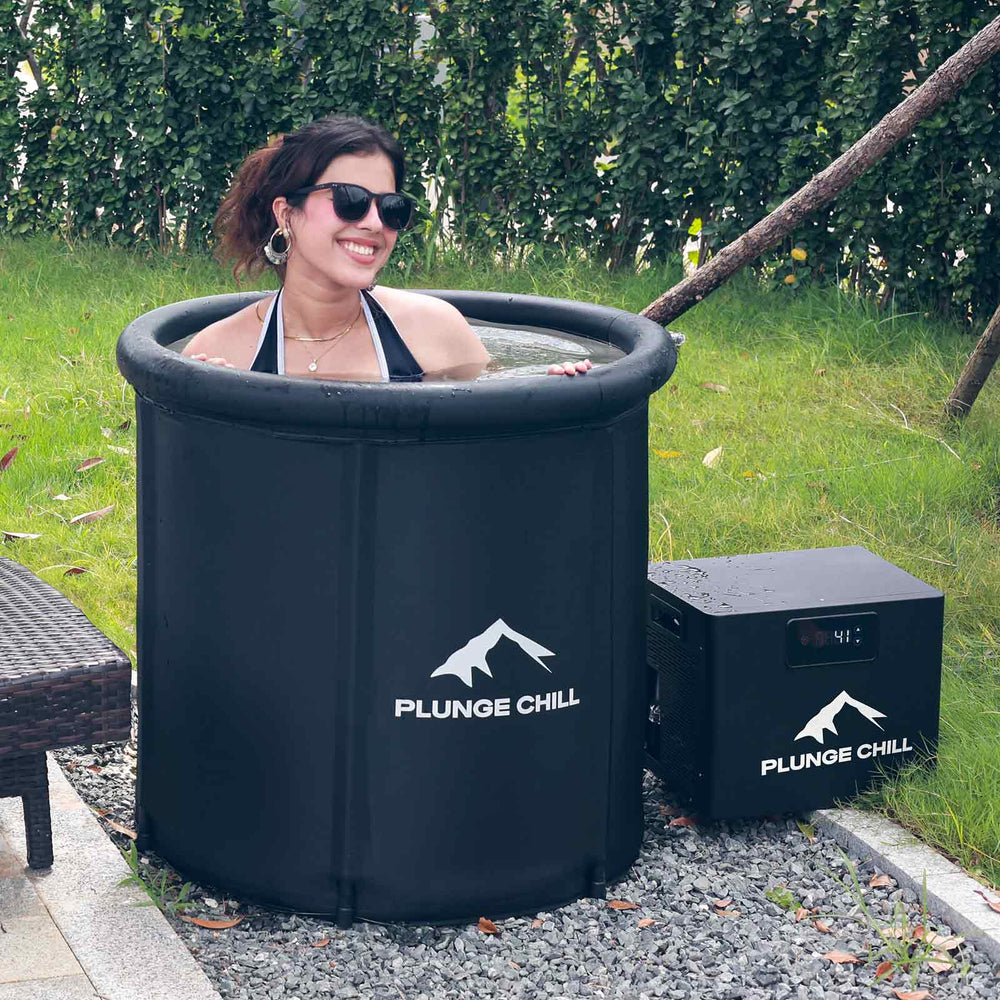
For home users committed to weekly plunges, a dedicated insulated tub with an integrated chiller offers stable temperatures in the upper 30s to upper 50s without repeated ice runs. Filtration and basic disinfection reduce water changes and keep the experience consistent. Expect a meaningful jump in cost for these features; fully featured tanks can run well into the thousands of dollars, and high‑end units can approach the cost of a small motorcycle. Mayo Clinic Health System estimates top‑end systems can reach the $20,000 range, which aligns with what I see in the field. Decide whether you value ultra‑cold capability near 39°F; many athletes are satisfied in the low‑50s.
For clinics and teams, duty cycle and hygiene dominate. Look for reliable chillers that hold temperature after back‑to‑back plunges, robust filtration, easy‑to‑drain plumbing, and surfaces that tolerate frequent cleaning. A clear maintenance protocol and posted temperature confirmation help staff run safe sessions with predictable outcomes.
Regardless of tier, prioritize a stable, measured water temperature, safe ingress and egress, and an easy path to clean, warm clothing immediately after. If you plan to plunge outdoors, consider wind protection and a dry staging area; wind chill on wet skin makes an already cold process even colder.

Care, Cleaning, and Rewarming
Sanitation and simple rewarming habits go a long way. In non‑filtered setups, drain and rinse the tub frequently, wipe surfaces with a mild detergent, and let them dry. With filtered systems, follow the manufacturer’s guidance for filtration and disinfection; the goal is to minimize biofilm and ensure water clarity. Keep a dedicated towel and a warm, dry layer within arm’s reach before you plunge. After you exit, pat dry, add layers, and walk a few minutes indoors. A warm drink helps. Most people do not need a hot shower immediately; allowing the body to rewarm gradually tends to feel better and avoids extreme swings.
Frequently Asked Questions
Q: Are cold showers a good substitute for an ice bath? Cold showers can help and are easier to adopt daily. They do not apply the same uniform cooling or hydrostatic pressure you get in immersion, which is why many athletes find a tub session more impactful when soreness is high. Clinical sources such as Ohio State Wexner suggest immersion is more uniformly effective, with showers a reasonable backup.
Q: Will ice baths help me lose weight? Cold exposure increases energy expenditure while you rewarm, and some research suggests it can activate brown fat. In everyday settings the effect is likely modest. Suggested verification step: measure resting energy expenditure before and after a period of regular cold exposure using indirect calorimetry and track body composition with a consistent method.
Q: If I’m trying to build muscle, when can I still use cold? Avoid plunging immediately after lifting days, especially in heavy hypertrophy blocks. If you value how cold makes you feel, use it after endurance or skill sessions, or wait 24 to 48 hours post‑lift. This timing preserves training signals that drive growth, a trade‑off supported by Journal of Physiology trials and a mechanistic PubMed Central study.
Q: How should I warm up afterward? Dry off, layer up, and walk indoors until you feel comfortable. A warm beverage is more than a comfort; it adds heat from the inside. Many clinicians suggest avoiding an immediate hot shower since aggressive heat right away can be uncomfortable and may blunt the hormetic experience some people value.
Q: Who should avoid plunges or get medical clearance first? Anyone with cardiovascular disease, arrhythmias, poorly controlled blood pressure, Raynaud’s phenomenon, peripheral neuropathy, or difficulty sensing skin temperature should speak with a clinician. Harvard Health and the Cleveland Clinic stress that cold shock can be dangerous in these groups. After surgery or with open wounds, immersion is also not appropriate.
Q: Are five‑minute plunges enough? For very cold water in the low‑50s, three to five minutes is plenty for most healthy adults. In warmer water around the upper‑50s, some programs use 10 to 15 minutes. Focus less on the clock and more on a steady breath, a safe exit, and how you feel the next day. When in doubt, do less and evaluate.
Takeaway
Ice baths are a tool, not a cure‑all. They are excellent for dialing down soreness and perceived fatigue after endurance‑type efforts and can provide a reliable psychological reset, particularly by the next day. They are ill‑timed immediately after lifting when strength or size is the priority because they can blunt the very signals you are training to build. If you decide to buy, measure what matters: stable temperature, safe setup, and a cleaning plan. If you decide to plunge, start warmer and shorter than you think, never go alone, and program your cold the way you program your training—on purpose, with clear goals, and with respect for how the body adapts.
Brief citations: Avid Sports Medicine for cryotherapy and thermotherapy fundamentals; Ohio State Wexner and Cleveland Clinic for practical protocols; Mayo Clinic Health System and Harvard Health for safety and population guidance; Journal of Physiology, Journal of Strength & Conditioning Research, and a PubMed Central mechanistic trial for adaptation trade‑offs; PLOS ONE and a network meta‑analysis on PubMed Central for stress timing and hot‑versus‑cold pain relief rankings.
If you want help customizing a protocol for your training block or choosing a tub for your space and budget, I’m happy to share what’s worked across teams, clinics, and home gyms.
References
- https://lms-dev.api.berkeley.edu/ice-baths
- https://case.edu/news/science-behind-ice-baths-and-polar-plunges-are-they-truly-beneficial
- https://clinicaltrials.gov/study/NCT02104375
- https://www.health.harvard.edu/staying-healthy/can-ice-baths-improve-your-health
- https://news.hss.edu/do-ice-baths-work-why-most-people-can-skip-the-cold-post-workout-soak-according-to-athletic-trainers/
- https://www.mcphs.edu/news/physical-therapist-explains-why-you-should-chill-out-on-ice-baths
- https://lifestylemedicine.stanford.edu/jumping-into-the-ice-bath-trend-mental-health-benefits-of-cold-water-immersion/
- https://www.marquette.edu/innovation/documents/arora_ice_bath_recovery.pdf
- https://sncs-prod-external.mayo.edu/hometown-health/speaking-of-health/cold-plunge-after-workouts
- https://pmc.ncbi.nlm.nih.gov/articles/PMC2465319/