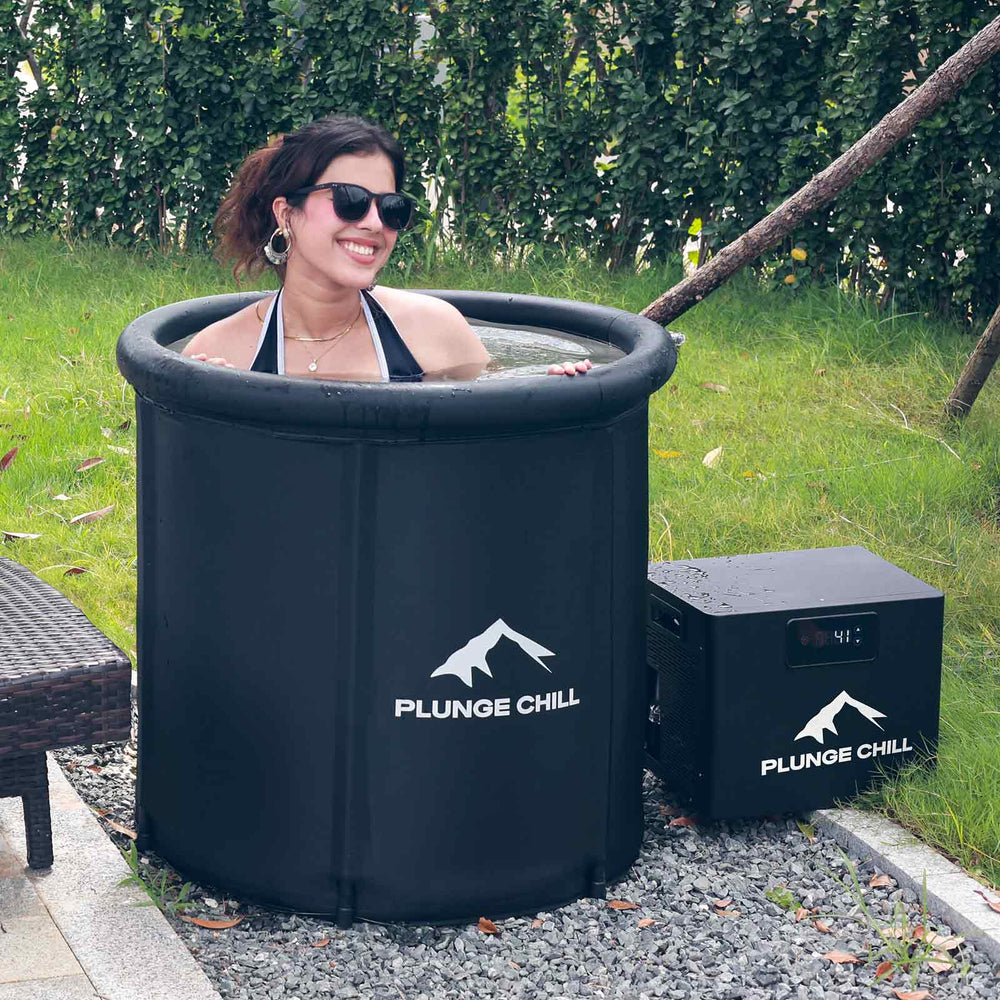
Cold plunges are a powerful tool in sports rehabilitation when they are programmed and practiced with respect for physiology. The first minute in cold water can flip breathing into overdrive, spike heart rate, and make even trained athletes feel out of control. The skill that determines whether you settle or spiral is breathwork. As a strength coach and sports rehab specialist who reviews cold plunge products and integrates immersion into return‑to‑play plans, I have seen consistent results when athletes adopt deliberate breathing patterns that downshift arousal and restore control. The Wim Hof method gets attention, but it is not the only option. This article breaks down five evidence‑informed breathing techniques beyond Wim Hof, explains how and when to use them in a tub, and adds practical safety, care, and buying guidance drawn from clinical and coaching practice as well as sources such as Cleveland Clinic, Mayo Clinic, Harvard Health, Stanford Lifestyle Medicine, the American Lung Association, and leading cold‑plunge brands.
Why Breathwork Matters During the First Minute
Cold water exposure reliably triggers a “cold shock” response, characterized by an involuntary gasp and rapid, shallow breathing. This is normal physiology, not pathology, and it is driven by sympathetic activation with a measurable spike in arousal signals. Reports from Chill Tubs and Chilly Goat Tubs describe hyperventilation at entry, slowed heart rate as core temperature drops, and vagus‑nerve involvement that can produce breath‑holding or irregular patterns. The mammalian diving reflex also plays a role. As summarized by Chief Ice Officer and Stanford Lifestyle Medicine, immersion shunts blood centrally and slows heart rate, while facial immersion in particular can enhance parasympathetic activity via trigeminal and vagus pathways. In practice, that means your first job is to control the initial gasp and stabilize your respiratory rhythm so the nervous system can accept the cold. When athletes I coach lead with structured, slow breathing patterns for even 30 to 60 seconds, the subjective intensity falls and technique work—posture, relaxation, and gaze stability—becomes much easier.
Safety Ground Rules Before You Breathe
Cold plunges stress the cardiovascular and respiratory systems. Cleveland Clinic notes that cold exposure can produce hyperventilation, dizziness, and spikes in breathing, heart rate, and blood pressure; risks include hypothermia, nerve or skin injury, and loss of motor control. Mayo Clinic and Ohio State University also highlight that evidence for some benefits is mixed and context‑dependent, and warn that cold can blunt training adaptations if misused right after strength work. People with heart disease, high blood pressure, diabetes, peripheral neuropathy, poor circulation, venous stasis, cold agglutinin disease, chronic lung disease, or those who are pregnant should get medical clearance first, as echoed by Cleveland Clinic, the American Lung Association, and Mayo Clinic. Two guardrails matter at all times. Never practice aggressive breathwork or breath‑holds in or near water, a point reinforced by Medical News Today and multiple breathing guides. And do not plunge alone; have someone present and a rewarming plan.
As for the environment, beginners can work around 68°F and progress toward the common 50–59°F range described by Cleveland Clinic. Advanced users sometimes use temperatures from about 39–50°F, but Cleveland Clinic advises avoiding water below roughly 40°F. A thermometer is non‑negotiable. Early sessions of one to two minutes are sensible. Cleveland Clinic caps sessions at about five minutes. Some sports centers, such as Ohio State University, describe protocols up to ten to twenty minutes at 50–59°F; if you choose that route, do it in a supervised setting and default to the shorter, safer end until you gain specific tolerance.
Five Effective Techniques Beyond Wim Hof
Diaphragmatic (Belly) Breathing
Diaphragmatic breathing is the foundation I teach first, and it is well described by Chief Ice Officer, Chilly Goat Tubs, and Ice Barrel. The cue is simple: inhale through the nose so the abdomen rises, then exhale slowly so the abdomen falls, keeping the chest quiet. I often have athletes place one hand on the chest and one on the belly in the tub to provide biofeedback and reduce upper‑chest breathing. The physiologic goal is to recruit the diaphragm, increase tidal volume without strain, and stimulate parasympathetic tone. In the cold, this pattern blunts the tendency to gasp and restores a sense of control. It is useful before entry for a few minutes to lower anticipatory arousal, and during the first minute to anchor attention. The primary advantage is safety and accessibility. The limitation is that it can feel too subtle for highly anxious athletes until they learn the cadence; pairing it with a counted rhythm solves that.
Box Breathing
Box breathing, also called square breathing, is a structured pattern used in high‑stress settings and is recommended by Ice Barrel and Brass Monkey Health for cold immersion. The method uses four equal‑length phases: an inhale, a hold with lungs full, an exhale, and a hold with lungs empty. Many people prefer counts of about four for each phase, though counts can be adjusted to capacity. The structure is the point. By giving the brain a simple mathematical loop, you reduce rumination and nudge respiratory rate down. In my teams, box breathing works well during the first thirty seconds in the tub when the gasp reflex tries to take over. The advantage is cognitive traction and fast stabilization. The trade‑off is that rigid holds can feel challenging for novices; if a hold drives air hunger or panic, shorten it or drop the holds entirely until steadier.
Extended Exhale (Two‑to‑One)
Extending the exhale relative to the inhale is one of the fastest ways to shift toward parasympathetic dominance. Chilly Goat Tubs recommends an approach where you inhale for a shorter count and exhale for a count roughly double, which can start as a two‑count in and a four‑count out and progress slowly as tolerated. My experience mirrors that guidance. In a tub, I coach athletes to soften the inhale through the nose and let the exhale lengthen through gently pursed lips, as if fogging a mirror quietly. The physiologic rationale is straightforward. Longer exhales modulate vagal activity and reduce heart rate, which is exactly the direction you want in the first minute. The upside is rapid calming. The downside is that if you force the exhale too long too soon, you may feel air hunger; keep it comfortable and progressive.
Alternate‑Nostril Breathing (Nadi Shodhana)
Alternate‑nostril breathing appears in yoga traditions and is highlighted by Chief Ice Officer and Zen‑influenced cold‑plunge guides as a balancing practice. Seated on land before entry, gently close one nostril, inhale through the open side, switch, and exhale, then continue alternating sides with even, unhurried counts. I use this in two scenarios. The first is for anxious beginners who benefit from a tactile, ritualized rhythm before stepping in. The second is for athletes who tend to catastrophize during colder sessions; the act of switching sides becomes a metronome that displaces worry. The advantage is clear cognitive focus and a calming cadence. A limitation is that it is not ideal when your nose is submerged or if congestion makes nasal breathing uncomfortable. When in the water, switch to diaphragmatic or extended exhale once a steady state is established.
The Physiological Sigh
The physiological sigh is popularized in performance settings and described by Ice Barrel as two inhales—one long and one short—followed by a slow, complete exhale. I treat it as a reset button. When someone enters the water and cannot break the cycle of short, choppy breaths, two to three sequences of a physiological sigh can restore normal lung inflation and carbon dioxide balance. I avoid repeated use for minutes on end; instead, once rhythm returns, I transition athletes into diaphragmatic or extended exhale breathing. The major benefit is the rapid reduction of perceived stress. The limitation is that it is an interrupt, not a full session pattern; think of it as a tool to get you back to the baseline techniques.

Choosing the Right Technique for the Right Moment
Each technique has a sweet spot in the cold‑plunge timeline. Diaphragmatic breathing is the platform—practice it seated on land for several minutes before entry to reduce anticipatory stress and use it during the first minute to settle. Box breathing is a good bridge across the gasp reflex because the holds and counts pull attention away from the shock. Extended exhale is ideal once you can feel the abdomen move, because longer exhales tilt the system toward calm. Alternate‑nostril breathing is excellent before entry or immediately after exit if pre‑plunge anxiety or post‑plunge rumination dominates your mental state. The physiological sigh belongs right at the panic edge as a short reset.
A practical way to blend them is to use diaphragmatic breathing with an extended exhale pattern as your default, add short runs of box breathing if you slip into racing breaths, and reserve the physiological sigh for moments when you cannot regain control. On training days when emotions run hot, alternate‑nostril breathing before entry can prime focus.
Technique Comparison at a Glance
Technique |
Core Pattern |
Primary Effect |
Best Phase |
Key Pros |
Key Cautions |
Diaphragmatic (belly) |
Nasal inhale with abdominal rise, slow controlled exhale |
Restores baseline rhythm and parasympathetic tone |
Pre‑entry and first minute |
Safe, accessible, strong biofeedback |
Requires practice to feel the diaphragm under stress |
Box breathing |
Equal inhale, hold, exhale, hold with even counts |
Structured focus and breathing rate stabilization |
First thirty to sixty seconds |
Cognitive anchor, rapid control |
Holds can feel hard; shorten or remove if panicky |
Extended exhale (two‑to‑one) |
Inhale shorter than exhale, often two in and four out |
Lowers heart rate and arousal via vagal pathway |
First minute and mid‑plunge |
Fast calming, easy to scale |
Forcing long exhales can trigger air hunger |
Alternate‑nostril |
Switch nostrils each breath cycle with even counts |
Balances attention and calms pre‑plunge anxiety |
Pre‑entry and post‑plunge |
Strong ritual, reduces rumination |
Not ideal with nasal congestion or in full submersion |
Physiological sigh |
One long inhale plus a quick top‑up, then long exhale |
Rapid stress reduction and rhythm reset |
At entry or during spikes |
Quick interrupt for panic loops |
Use as a reset, not as the full session cadence |

Where Does Ujjayi Fit, and What About Faster Yogic Patterns?
Chief Ice Officer describes Ujjayi as a deep nasal pattern with a gentle throat constriction that creates an audible hiss. Practiced for several minutes on land, it can warm the throat and build focus. For healthy athletes, I sometimes use it as a pre‑entry ritual on colder days. The caution is important. Chief Ice Officer advises avoiding Ujjayi in people with high blood pressure, heart problems, or asthma. Rapid forceful techniques such as Kapalabhati and Bhastrika can also raise internal warmth before a plunge, but they carry stronger contraindications, including pregnancy and cardiovascular or respiratory conditions. These advanced patterns belong on land under instruction and should never include breath‑holds in water.

How to Program Breathing With Cold Exposure in Training
A session flows best when breathwork primes the system, guides the first minute, and supports recovery. On the front end, Ice Barrel, Chilly Goat Tubs, and Chill Tubs all emphasize deliberate, steady breathing before entering the tub to blunt the initial spike. I usually have athletes spend several minutes on diaphragmatic breathing with extended exhales, then add a brief run of box breathing to cement focus.
In the tub, the sequence is predictable. Counter the initial gasp with diaphragmatic breaths. If you slip into shallow chest breathing, layer in box breathing for a handful of cycles and then return to extended exhales. If panic rises, use two to three rounds of the physiological sigh to reset, then settle back into your default pattern. Keep shoulder tension low and the jaw soft, cues that Brass Monkey Health highlights for calming the panic response. This is also where safety rules apply most strongly. Avoid rapid breathing drills or any breath‑holds in the water. Maintain a steady visual target at or above eye level to reduce sympathetic surge.
Post‑plunge, recovery breathing accelerates the return to baseline. Many athletes continue diaphragmatic breathing with slightly longer exhales while they towel off. If mental chatter spikes, a minute of alternate‑nostril breathing is centering. Cleveland Clinic notes that contrast with sauna after about fifteen to thirty minutes can help normalize body temperature; the American Lung Association reminds us that saunas can strain those with lung or heart disease, so moderate durations and hydration matter.
Training Adaptations and Timing Nuance
Cold exposure is a tool, not a cure‑all. Ohio State University summarizes that cold immersion can ease post‑endurance soreness and swelling but may blunt hypertrophy and strength adaptations when used indiscriminately after lifting. Mayo Clinic echoes that cold therapy can reduce soreness in the short term but risks slowing longer‑term performance gains if used daily across a season. For strength and size blocks, I ask athletes to delay cold plunges by twenty‑four to forty‑eight hours after heavy resistance sessions. For back‑to‑back aerobic days, a short controlled plunge can be helpful between sessions. Harvard Health also points out that the overall evidence is mixed and that many claims remain inconclusive, so err on the side of conservative programming and diligent monitoring.
Buying and Care Tips From a Coach and Reviewer
You do not need to overspend to get started, but a few details matter for safety and consistency. Cleveland Clinic’s simple setup—fill a tub halfway with cold water and add three large bags of ice—works at home, and collapsible tubs can reduce cost and footprint. A reliable thermometer is essential. For athletes who want precise repeatability, XPT Life suggests a target range of about 38–42°F for many goals; that often means a chiller unit or frequent ice additions, and in a roughly 100‑gallon tub, about 100–150 lb of ice can pull water into that range depending on starting temperature. Commercial plunge tanks can climb to premium price points up to about $20,000 according to Mayo Clinic, usually adding integrated chilling, filtration, and insulation. Regardless of budget, prioritize stability and safety: non‑slip footing, a stable step for entry and exit, space for a coach or training partner within arm’s reach, and warm clothes and towels staged for exit.
Care is mostly about hygiene and temperature control. Even basic tubs need frequent draining and cleaning, and the cold does not sterilize the water. If you review or buy a unit with a chiller, understand the maintenance schedule, cleaning agents, and filter replacement cadence. The quieter the chiller and the better the insulation, the easier it will be to keep a consistent practice without disturbing housemates. If you use open water, remember Mayo Clinic’s warning that environmental conditions can make temperatures far colder than expected; measure first and avoid currents or ice‑covered entry points.

A Practical Session Template That Respects the Evidence
A conservative template aligning with Cleveland Clinic’s safety emphasis and the sports‑science nuance from Ohio State University is straightforward. On non‑lifting days, breathe diaphragmatically for a few minutes with gentle extended exhales before entry. Enter the tub at about 50–59°F for one to three minutes, keeping attention on abdominal motion and exhale length. If you panic, use a brief set of box breathing or a physiological sigh to reset, then return to your default pattern. Exit with control, towel off, and continue slow breathing as you rewarm. Consider sauna later to finish normalization if you tolerate heat well, but mind the American Lung Association’s cautions for those with lung or heart disease. On heavy lifting days, delay the plunge until the next day or later to protect adaptation, consistent with Ohio State University and Mayo Clinic guidance.

Takeaway
The cold shock is real, but it is also trainable. Five techniques beyond Wim Hof—diaphragmatic breathing, box breathing, extended exhale, alternate‑nostril breathing, and the physiological sigh—give you a full toolkit to settle the first minute, manage arousal, and make plunges both safer and more productive. Anchor your practice in diaphragmatic breathing, add structure or a reset only when needed, and respect safety rules: no breath‑holds in or near water, never plunge alone, and adjust temperature and time conservatively. Lean on guidance from reputable sources such as Cleveland Clinic, Mayo Clinic, Harvard Health, Stanford Lifestyle Medicine, the American Lung Association, and sport‑specific briefings from Ohio State University to calibrate duration and timing around training. The result is the same pattern I see in the clinic and the field: better control, less fear, and a recovery tool that actually fits your goals.
FAQ
What is the safest breathing pattern to use in an ice bath if I am new?
Diaphragmatic breathing with a slightly longer exhale is the safest, most accessible pattern for beginners. Inhale gently through the nose so the belly rises, and let the exhale be slow and unforced so the belly falls. This approach is supported by Chief Ice Officer, Chilly Goat Tubs, and Ice Barrel, and it aligns with the goal of activating the parasympathetic nervous system to counter the cold shock response.
Can I use 4‑7‑8 breathing for cold plunges?
Yes, but place it carefully. Ice Barrel describes 4‑7‑8 as a relaxation‑forward technique. It works well before entry to downshift stress or after the initial shock has passed. If you feel air hunger in the tub, shorten the holds and focus first on steady diaphragmatic breaths; long holds are not the priority when panic is high.
Should I ever practice breath‑holds in the tub?
No. Never combine breath‑holds with submersion. Chief Ice Officer and Medical News Today both caution that aggressive breathing and retention drills belong on land with solid footing, away from water, because they can cause dizziness or fainting. In a tub, keep breathing continuous and calm.
How cold and how long should I go?
Cleveland Clinic recommends starting conservatively, such as one to two minutes, building toward about three minutes, and capping near five minutes for most users, while keeping water in the general 50–59°F range and avoiding temperatures below about 40°F. Some athletic programs described by Ohio State University use ten to twenty minutes at 50–59°F in controlled settings. If you are not in a supervised environment, choose the shorter, safer option and progress slowly with a thermometer and a partner present.
Will cold plunges after lifting hurt my gains?
They might if used immediately and frequently. Ohio State University and Mayo Clinic report that post‑exercise cold immersion can blunt molecular signals for strength and hypertrophy and may reduce long‑term strength and muscle growth when used daily across a training cycle. If building size or strength is your priority, delay cold plunges by a day or two after heavy resistance sessions.
Is sauna after a plunge a good idea?
It can be, with caveats. Cleveland Clinic notes that using a sauna for about fifteen to thirty minutes after a plunge may help normalize temperature. The American Lung Association reminds us that saunas can stress people with lung or heart conditions and that dehydration is a risk, so keep durations modest, hydrate, and get medical guidance if you have underlying conditions.
References
Cleveland Clinic; Mayo Clinic; Harvard Health; Stanford Lifestyle Medicine; American Lung Association; Ohio State University; Medical News Today; Chief Ice Officer; Chill Tubs; Chilly Goat Tubs; Ice Barrel; Brass Monkey Health; XPT Life.
- https://www.health.harvard.edu/staying-healthy/can-ice-baths-improve-your-health
- https://digitalcommons.liberty.edu/cgi/viewcontent.cgi?article=8439&context=doctoral
- https://lifestylemedicine.stanford.edu/jumping-into-the-ice-bath-trend-mental-health-benefits-of-cold-water-immersion/
- https://health.osu.edu/wellness/exercise-and-nutrition/do-ice-baths-help-workout-recovery
- https://health.clevelandclinic.org/what-to-know-about-cold-plunges
- https://www.lung.org/blog/sauna-cold-plunges-health-impacts
- https://mcpress.mayoclinic.org/healthy-aging/the-science-behind-ice-baths-for-recovery/
- https://www.mayoclinichealthsystem.org/hometown-health/speaking-of-health/cold-plunge-after-workouts
- https://www.wimhofmethod.com/regular-ice-baths
- https://www.xptlife.com/a-comprehensive-guide-to-maximizing-your-cold-exposure