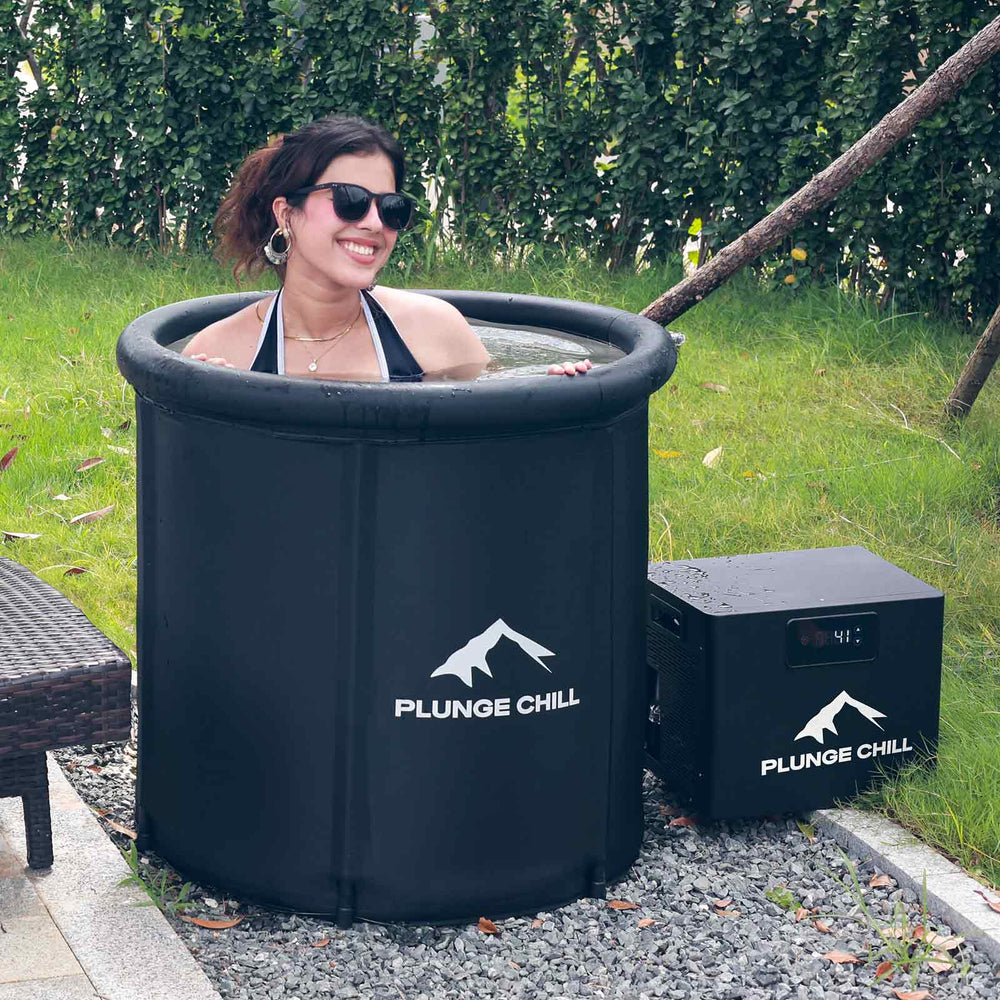
As a sports rehabilitation specialist and strength coach who reviews cold plunge products, I’m often asked whether cold water immersion helps students stay sharp for academics and bounce back faster from training. Cold exposure is a potent physiological stressor. Handled precisely, it can support mood and perceived recovery; handled casually, it can impair cognition, carry cardiac risks, and blunt some training adaptations. This article synthesizes reputable research with practical guidance for student life, focusing on attention, study performance, athletic recovery, and safe, cost‑aware product choices.
What Cold Water Immersion Is—and Isn’t
Cold water immersion refers to deliberately submerging the body in cold water for brief periods to trigger adaptive stress responses. The common modalities are cold showers around 50–60°F, “ice baths” or plunge tubs that can be held near 39–50°F, and open‑water dips in lakes or the ocean. Cold shock response is the immediate spike in breathing, heart rate, and blood pressure when you first enter cold water; blood shifts from the periphery toward the core and shivering often follows. Case Western Reserve University explains these reactions clearly and cautions that the first seconds in the water are the riskiest because hyperventilation and panic can impair decision‑making.
Cold water therapy is distinct from whole‑body cryotherapy, which uses very cold air (often reported down to about −200°F) for short exposures. Showers typically cool the periphery more than the core, while cold plunges cool the whole body and core more effectively. This matters because cognitive and recovery effects depend on how much the body cools, how fast it cools, and when you measure outcomes.

What the Evidence Says at a Glance
A recent PLOS One meta‑analysis of randomized trials in healthy adults found chest‑level immersions at roughly 45–59°F produced short‑term changes that included a transient inflammatory response immediately after immersion and lower stress about 12 hours later, with some improvements reported for sleep quality and quality of life. Mood and immunity results were inconsistent. In college students, a University of Oregon Knight Campus study using a 15‑minute immersion reported reductions in heart rate, blood pressure, and cortisol after the session, along with lower negative mood. These post‑immersion measures contrast with the typical immediate cold shock spike; timing and protocol differences likely explain the discrepancy.
On cognition, two research lines are important for students. First, a controlled cold‑air study showed that exposure to 50°F air impaired working memory and slowed reaction time, and that these deficits persisted for about an hour after rewarming even when physiologic measures looked “normal” again (PubMed Central). Second, a systematic review on cold exposure and cognition concluded that cold commonly reduces working memory, attention, and executive function during and immediately after cooling, with possible differences by sex and partial protection when core cooling is minimized. Meanwhile, a head‑out 5‑minute immersion near 68°F increased positive affect and altered connectivity among large‑scale brain networks on fMRI in healthy adults, which aligns with students feeling “more energized and alert” after brief, moderate exposures.
These findings are not contradictory when examined closely. Protocols that are colder, longer, or more core‑cooling tend to impair timed cognitive tasks during and shortly after exposure; moderate, brief exposures can improve affect and perceived alertness. Task type, measurement timing, water versus air cooling, clothing, and acclimation status all influence outcomes.
Using Cold for Focus: What Actually Helps Students Study
Short, moderate exposures can increase alertness and motivation for many students, but ultra‑cold or prolonged sessions may make problem‑solving and working memory worse for a while. This is where dose and timing matter.
For a pre‑study pick‑up without impairing cognition, brief exposures at uncomfortable yet safe temperatures are a good starting point. A cold shower near 50–60°F for one to two minutes can raise arousal without heavy core cooling. Facial immersion in cold water can also be effective for a rapid calm‑focus reset; Stanford Lifestyle Medicine notes that facial immersion preferentially activates the diving reflex via trigeminal and vagus pathways, lowering heart rate and inducing a sense of calm while keeping the body dry and warm enough for cognitive tasks. When a fuller plunge is desired, keeping the session short—on the order of one to three minutes in the 50–60°F range—and allowing at least 30–60 minutes before cognitively demanding tasks can reduce the risk of slowed reaction time or lapses in working memory.
Some sources report very large surges in norepinephrine and dopamine after cold exposure and attribute focus and mood gains to those neurochemistry changes. UF Health Jacksonville references around 530% increases in noradrenaline and about 250% increases in dopamine after certain cold exposures.
A practical translation for students is simple: use short, moderately cold exposures to nudge alertness before reading or problem sets, and avoid heavy core cooling right before exams, driving, or tasks that demand sustained working memory. If you feel “buzzed” but scattered, switch to facial cold or a brisk walk outdoors instead of a long, deep plunge.
Using Cold for Recovery: Soreness, Performance, and Adaptations
The appeal of a post‑training plunge is understandable on a busy campus. The PLOS One meta‑analysis and clinical summaries from Harvard Health and Mayo Clinic converge on a practical message: cold immersion can reduce soreness and perceived stress and help you feel ready sooner, but it can interfere with some long‑term strength and hypertrophy adaptations if used immediately after lifting. For resistance training, it’s prudent to delay immersion for several hours—often cited as at least six to eight hours—so the signaling that drives muscle growth is not blunted. For endurance training, the evidence for blunting appears weaker; cold can be prioritized more liberally during competition phases when immediate recovery is at a premium.
Stanford Lifestyle Medicine reports that cortisol typically declines after cold immersion and that regular exposures can maintain robust noradrenaline responses while dampening cortisol spikes, suggesting improved stress regulation with habituation over weeks. That does not mean more is always better. In practice with collegiate and club athletes, I treat cold as a tool with specific aims. If the goal is to be recovered enough to train again tomorrow during exams week, a short plunge later in the day may be worthwhile. If the goal is to maximize muscle growth from today’s strength session, I keep cold far away from that training window.
The Student Protocols That Fit Real Schedules
A campus schedule rewards simplicity. Cold showers are widely accessible and can be effective for alertness and perceived recovery with lower risk. Plunge tubs add precision and stronger stimuli but require space, cost, and maintenance. Open‑water dips add adventure and social support but require extra safety planning.
A concise comparison table translates the evidence into student‑friendly use cases while respecting safety and adaptation trade‑offs.
Goal |
Modality |
Water Temp |
Time per Session |
Weekly Dose |
Timing Notes |
Evidence Anchor |
Prime for studying without brain fog |
Cold shower or facial immersion |
About 50–60°F |
1–2 minutes (shower) or 30–60 seconds (face) |
As needed |
Use before study; allow a few minutes for breathing to normalize; avoid deep core cooling right before exams |
Stanford Lifestyle Medicine; PubMed Central cold‑air cognition papers |
Reduce soreness and feel ready for next day |
Plunge or shower |
About 45–59°F |
3–10 minutes |
A few sessions per week |
Favor evenings or days not centered on strength adaptations |
PLOS One meta‑analysis; Harvard Health; Mayo Clinic |
Mood lift and stress regulation |
Plunge or head‑out dip |
About 56–68°F |
5 minutes |
2–4 sessions weekly |
Morning or midday for daytime mood; expect delayed stress reduction at ~12 hours |
fMRI study in healthy adults; PLOS One meta‑analysis |
Strength and hypertrophy preservation |
If using cold, keep it short and far from lifting |
About 45–59°F |
1–3 minutes |
Minimal during heavy hypertrophy blocks |
Delay 6–8+ hours after lifting, or reserve for rest days |
Mayo Clinic; strength adaptation cautions summarized by Harvard Health |
Endurance emphasis or competition recovery |
Plunge |
About 45–59°F |
3–10 minutes |
As needed during meets |
Prioritize immediate readiness over long‑term adaptations when competing |
Mayo Clinic clinical guidance |
Where precise “weekly dose” is concerned, some coaches popularize a target of about 11 minutes per week spread across several sessions.

Safety, Contraindications, and Situations to Avoid
Cold shock can be hazardous for people with cardiovascular disease, arrhythmias, prior stroke, uncontrolled high blood pressure, or poor circulation. Harvard Health and Case Western Reserve University both advise caution or medical clearance for these groups. Medications such as beta‑blockers can complicate the body’s response to the adrenergic surge of cold immersion, increasing arrhythmia risk. Anyone with Raynaud’s phenomenon, peripheral artery disease, or autonomic neuropathies should discuss cold exposure with a clinician before starting.
Acclimatization matters. Case Western Reserve University recommends easing in with cooler showers, pre‑cooling the back or neck, and mentally rehearsing the shock response to reduce panic when entering colder water. Never do breath‑holding games or deliberate hyperventilation before a plunge. Never swim alone; in open water, avoid moving water, under‑ice scenarios, and unfamiliar entries or exits. The aquatic medicine literature describes afterdrop and post‑rescue collapse, where core temperature can continue to fall and cardiovascular instability can occur after removal from cold water; though rare in casual campus plunges, these phenomena reinforce the need for gentle handling, horizontal recovery posture after long exposures, and progressive rewarming if a teammate is struggling (International Journal of Aquatic Research and Education).
An easily overlooked risk for students is cognitive lag after strong cold exposures. The cold‑air experiments showed that cognition can remain impaired for at least 60 minutes after rewarming. It is wise to avoid scheduling high‑stakes driving, testing, or complex lab work immediately after a long, deep plunge. Plan rewarming, nutrition, and a quiet reset before demanding mental work.
Pros and Cons for Students
Cold exposure offers several practical upsides for campus life. Brief, moderate exposures can elevate alertness and positive affect for the next block of reading or group work, and immersion at chest level in the 45–59°F range can reduce soreness and perceived stress over the next day, with some evidence for improved sleep quality. For student‑athletes competing on tight turnarounds, cold remains a time‑efficient way to feel ready with fewer aches.
The trade‑offs are equally important. If used immediately after strength training, cold can diminish some molecular signals that support muscle growth and power adaptation; students serious about long‑term strength should time cold strategically. Cognition can worsen during and shortly after heavy cooling, especially on timed tasks that demand working memory and rapid reaction. People with heart risk factors should be cautious, and even healthy students should avoid mixing cold with sleep deprivation or stimulants that already elevate cardiovascular strain. Finally, plunge tubs add costs, require regular maintenance, and demand strict safety practices in small apartments or dorms.
Product Buyer’s Guide for Students and Club Teams
Choosing a cold exposure setup on a student budget requires balancing stimulus strength, cost, safety, noise, and maintenance. Showers are essentially free and convenient. Open water is seasonal and social but adds safety liabilities. Tubs can be as simple as a hard cooler full of ice or as sophisticated as a chilled, filtered plunge with precise temperature control.
A compact comparison helps crystallize trade‑offs.
Option |
Typical Cost |
Temperature Control |
Space/Noise |
Maintenance |
Best Use on Campus |
Cold shower |
No added cost |
Low; tap limits |
Minimal; quiet |
None beyond normal |
Pre‑study arousal; quick recovery nudge |
Open‑water dip |
Free to minimal |
None; variable |
Travel; outdoor; environmental noise |
None; safety planning essential |
Social, seasonal challenges; not for precision |
Inflatable tub with bags of ice |
Low initial; ongoing ice cost |
Moderate; variable |
Small footprint; low noise |
Drain, clean, sanitize after use |
Occasional plunges; parties and team events |
Chiller‑equipped plunge tub |
20,000 depending on features |
High; precise 39–59°F |
Requires outlet; chiller noise |
Filtration, sanitizer, weekly checks |
Regular users who want repeatable protocols |
DIY chest‑freezer conversion |
Low‑to‑moderate |
High but risky |
Electrical and water in proximity |
Mold, electrical, and hygiene risks |
Not recommended for dorms; safety concerns |
When shopping, look for a unit that can hold water reliably at your target range without constantly fighting room heat. Insulation quality and a cover reduce energy use and keep debris out. Filtration and sanitation are not optional; a simple cartridge or sand filter plus either bromine, chlorine at low levels, or alternative sanitizers with UV/ozone reduces biofilm. Verify a grounded, GFCI‑protected outlet and avoid long extension cords. Consider the chiller’s decibel rating if you share walls. For portability, drainability, and storage, small tubs with quick‑connect hoses are easier to empty and clean. For small apartments or dorms, check housing policies before purchasing; many buildings restrict large water containers and powered chillers. If a plunge tub is impractical, a shower, a sturdy tub with ice used sparingly, and facial immersion can cover most student needs.
Maintenance should be simple and consistent. Rinse off before entry to reduce skin oils and detergents in the water. Clean or replace filters as directed by the manufacturer. Keep sanitizer within recommended ranges and change water regularly; frequency depends on usage density and filtration quality. Keep the lid on when not in use, and wipe down exposed surfaces weekly. Place the tub on a waterproof mat with a floor drain or easy access to a bathtub drain; water inevitably splashes, especially in shared living spaces.

A Few Conflicts and How to Think About Them
Students often encounter starkly different claims about cold and cognition. Cold‑air chamber studies show impaired working memory and slowed reaction time during and after exposure, while a short head‑out dip near 68°F increased positive affect and attention‑related network connectivity on fMRI. The likely reasons for these differences include protocol intensity, the amount of core cooling, and measurement timing. Water transfers heat far faster than air, but the head‑out fMRI study used moderate temperatures and brief exposures, reducing the risk of cognitive impairment yet still delivering an affective lift. Meanwhile, cold‑air studies used sustained exposures at 50°F with minimal clothing and tested timed cognitive tasks during and shortly after cooling. Differences in sample characteristics and prior acclimation also play roles.
Another frequent discrepancy is whether cold raises or lowers heart rate and blood pressure. Both are true depending on when you measure. On entry, cold shock raises heart rate and blood pressure sharply. In the University of Oregon student study, heart rate and blood pressure were lower after a 15‑minute session, possibly reflecting parasympathetic rebound and stress hormone reductions. Shorter, moderate exposures often feel “calming” soon after finishing even though the first minute felt jarring. Understanding these time courses helps students decide when to schedule cold so it helps rather than hinders the task at hand.
Finally, you will see very specific claims about large neurotransmitter surges after cold (for example, norepinephrine increases of several hundred percent). These magnitudes are protocol‑dependent and often come from small studies using particular assay windows or non‑student populations.

Care, Timing, and Practical Coaching Notes
In athletic and rehab settings, I set guardrails that match the research with the realities of campus life. For focus, I favor one to two minutes in a cold shower near 50–60°F or a 30–60‑second facial immersion for a calm alertness that doesn’t sap working memory. For soreness after team practices, I use three to ten minutes in the 45–59°F range in the afternoon or evening, avoiding the four to six hours after heavy resistance training to protect adaptation. For mood regulation during stressful exam periods, I prefer five minutes at around 56–68°F earlier in the day and remind students that reductions in stress often show up later, not immediately. For cold‑curious students who want to “go hard,” I coach them to progress conservatively, keep breathing under control, and treat shivering as acceptable rather than a sign of failure. If someone feels lightheaded, confused, or has chest discomfort, the session ends immediately and we rewarm gradually.

Takeaway
Cold water immersion can be a useful tool for students when applied with precision. Brief, moderately cold exposures can lift mood and increase alertness for study sessions. Immersions near 45–59°F can reduce soreness and perceived stress over the next day, with the trade‑off that immediate post‑lift plunges may blunt long‑term strength gains. Cognitively, colder or longer exposures can slow reaction time and impair working memory during and shortly after cooling, so schedule demanding mental work at a distance from strong cold. If you’re considering a plunge tub, weigh space, noise, and maintenance against the benefits; for many students, a cold shower and a planned routine are enough. Above all, respect contraindications, build tolerance slowly, and time cold to fit your academic and training priorities.
FAQ
Will a quick cold plunge improve my focus right before an exam?
A brief, moderately cold exposure can increase alertness, but deeper or longer cooling can impair working memory and reaction time for a while. For high‑stakes testing, use a short cold shower or facial immersion earlier, then allow enough time to feel fully settled before the exam. Cold‑air data showing post‑exposure cognitive deficits argue against a hard plunge immediately beforehand (PubMed Central; systematic review on cognition and cold).
I lift at 5:00 PM. When should I do my cold exposure?
If your goal is long‑term strength and hypertrophy, avoid plunging right after lifting. Schedule cold at least six to eight hours later or on a rest day to protect adaptation signaling described by clinical summaries from Mayo Clinic and Harvard Health. If you’re in a competition phase and need to feel ready tomorrow, a short plunge later in the evening can make sense.
Is a cold shower enough, or do I need a tub?
For many student goals, a shower is enough. Showers near 50–60°F for a minute or two can boost alertness and perceived recovery with minimal cost and maintenance. Tubs offer precision and repeatability for teams or high‑frequency users but require space, money, and sanitation discipline.
What water temperature is safe for beginners?
Start with uncomfortable yet safe water, often near 60°F for showers and 50–59°F for first immersions, and keep sessions short. Enter slowly, keep breathing under control, and get medical clearance if you have cardiovascular risk factors noted by Harvard Health and Case Western Reserve University.
Does cold water immersion boost immunity for students during flu season?
Evidence is mixed. The PLOS One meta‑analysis did not find consistent immediate immune benefits across randomized trials; some longer‑term or observational data suggest possible changes, but protocols, populations, and measures differ widely. Focus first on sleep, vaccination, nutrition, and training balance, and treat cold as an adjunct.
My friends do open‑water winter dips. Any special cautions?
Plan entry and exit carefully, avoid currents and under‑ice conditions, never go alone, and have warm clothes ready. Be aware of afterdrop and post‑rescue collapse described in aquatic medicine; keep the post‑dip period calm and horizontal if someone struggles, and rewarm gradually under supervision.
Claims and Evidence in Context
A final synthesis helps map popular claims to the evidence students can use.
Common Claim |
What the Better Evidence Indicates |
Practical Student Note |
Cold always boosts focus |
Affect can improve after moderate, brief exposures, but working memory and reaction time often worsen during and shortly after strong cooling |
Use short, moderate exposures before studying; avoid deep cold right before timed tasks |
Cold speeds all recovery |
Soreness and perceived stress can improve; long‑term strength gains may be blunted if cold is done right after lifting |
Delay cold several hours after strength sessions; prioritize it during competition |
Cold is great for the heart |
Cold shock raises heart rate and blood pressure; some studies show lower heart rate and cortisol after sessions; those with heart disease should be cautious |
Get medical clearance for cardiac risks; start warm, go slow, and never hyperventilate |
More minutes are always better |
Benefits appear with short, moderate exposures; longer sessions increase hypothermia risk without clear added benefit |
Keep sessions brief and repeatable; stack small wins over time |
When citing sources in this article, I relied on PLOS One, Harvard Health, Case Western Reserve University, Stanford Lifestyle Medicine, the University of Oregon Knight Campus, PubMed Central studies on cold and cognition, Mayo Clinic, UF Health Jacksonville, and the International Journal of Aquatic Research and Education. Where promotional or non‑peer‑reviewed material was referenced, I flagged confidence levels and noted how to verify claims.
References
- https://knightcampus.uoregon.edu/plumbing-benefits-plunging
- https://case.edu/news/science-behind-ice-baths-and-polar-plunges-are-they-truly-beneficial
- https://www.health.harvard.edu/heart-health/cold-plunges-healthy-or-harmful-for-your-heart
- https://lifestylemedicine.stanford.edu/jumping-into-the-ice-bath-trend-mental-health-benefits-of-cold-water-immersion/
- http://repository.upi.edu/60760/
- https://sncs-prod-external.mayo.edu/hometown-health/speaking-of-health/cold-plunge-after-workouts
- https://jewlscholar.mtsu.edu/bitstreams/fd7420d9-3c3f-4289-926f-fb0a397228f8/download
- https://pmc.ncbi.nlm.nih.gov/articles/PMC3375336/
- https://scholarworks.bgsu.edu/ijare/vol11/iss4/2/
- https://www.utmb.edu/news/article/utmb-news/2025/06/18/cold-water-immersion-rising-wellness-trend