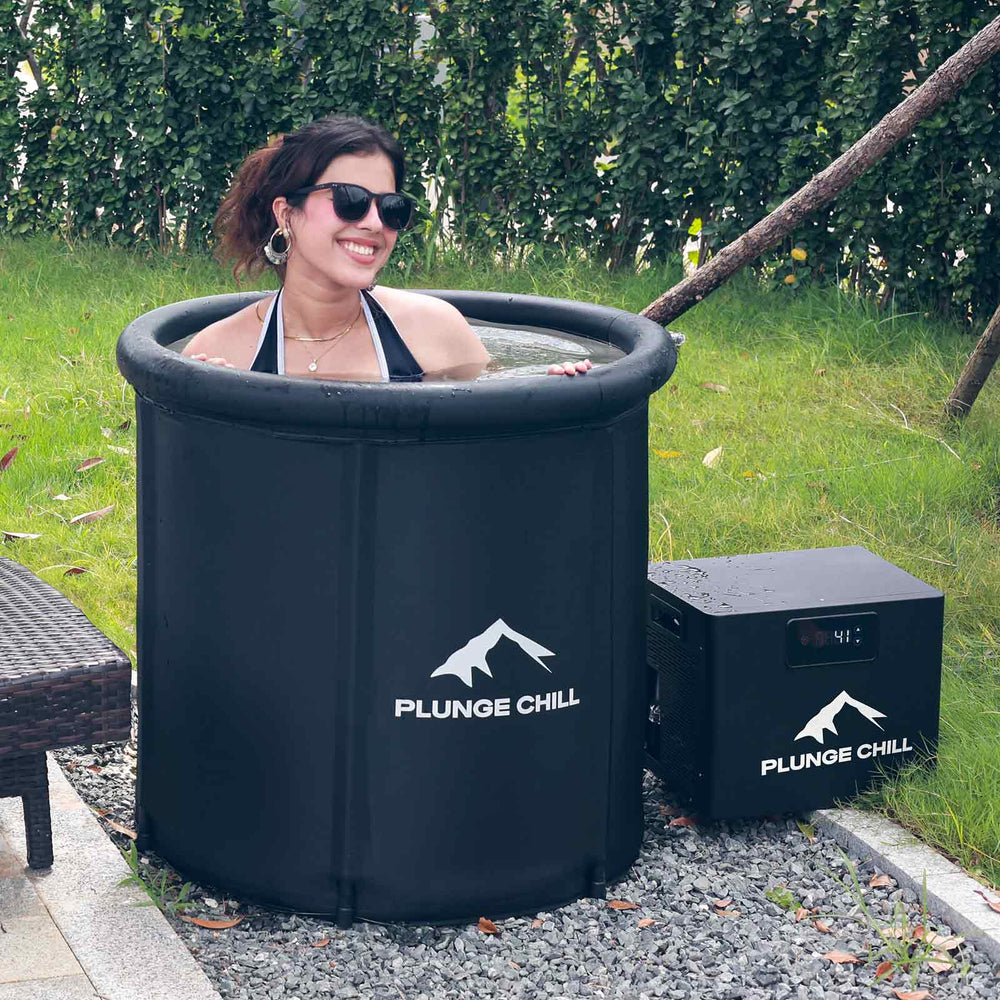
As a sports rehabilitation specialist and strength coach who also tests cold plunge products in real training environments, I’ve supervised hundreds of ice baths for distance runners, sprinters, and multi‑sport athletes. Cold‑water immersion can be a powerful tool when used with intention, but it is not a cure‑all. The best results come from matching temperature, timing, and frequency to the training goal, and from understanding exactly what cold does—and does not do—inside a runner’s body.
What Cold‑Water Immersion Is—and What It Isn’t
Cold‑water immersion, often called an ice bath or cold plunge, is a brief, deliberate submersion in cold water after exercise to reduce soreness and help athletes feel ready for the next session. It differs from cold showers in that immersion cools the body more uniformly and adds hydrostatic pressure, while whole‑body cryotherapy uses extremely cold air rather than water. Medical institutions like Cleveland Clinic and Mayo Clinic describe its core purposes as short‑term symptom relief, faster cooling after exertion in heat, and possible mood and stress benefits. It is not a substitute for proper training, nutrition, or sleep, and it will not repair structural injuries.

How an Ice Bath Works After a Run
Cold triggers the body’s cold shock response. Heart rate, breathing, and blood pressure rise sharply, and blood vessels in the limbs constrict, shunting blood toward vital organs. This response is well described by physiology experts interviewed by Case Western Reserve University. As you exit the bath and rewarm, blood vessels dilate, creating a pumping effect that can help circulate oxygen and nutrients back into the legs. Immersion also introduces hydrostatic pressure—akin to a gentle, uniform compression—that can limit fluid accumulation and shift fluids back into circulation without metabolic cost, a mechanism discussed in peer‑reviewed summaries hosted by the National Institutes of Health.
Beyond circulation, brief cold exposure can influence the autonomic nervous system and stress hormones. A University of Oregon group reported acute reductions in heart rate, blood pressure, and cortisol after a single controlled cold plunge in healthy adults, alongside improved negative mood scores. Stanford Lifestyle Medicine summarizes that short immersions can raise norepinephrine and endorphins, which many athletes experience as sharper focus and an elevated mood post‑session.
What the Evidence Actually Says
The evidence base is mixed and depends on the question being asked. For post‑run soreness and next‑day readiness, Cleveland Clinic notes a pragmatic benefit for some athletes despite small or mixed controlled trials. A 2021 collegiate soccer study cited by Cleveland Clinic found that cold‑water immersion supported basic post‑sport recovery. Mayo Clinic Health System similarly points to reduced exercise‑induced muscle damage and soreness with short, post‑workout immersion, with the practical caveat that daily plunging after training may blunt long‑term performance adaptations.
At the same time, strength and hypertrophy research shows a potential trade‑off. Reviews summarized by Ohio State and Mayo Clinic indicate that frequent post‑lift immersion can dampen anabolic signaling, slowing strength and muscle‑growth adaptations over time. For runners, this matters most if you are in a block emphasizing hill sprints, heavy resistance training, or power development.
An analysis highlighted by Harvard Health (published January 29, 2025) synthesized 11 studies and reported several useful nuances. Stress levels decreased after ice baths, but the effect appeared roughly 12 hours later rather than immediately. Sleep quality improved in men but not in women within the analyzed samples. Cold showers were associated with higher self‑reported quality of life versus warm showers, while consistent improvements in mood and immunity were not confirmed across the board. Protocol heterogeneity—temperatures from about 45°F to 59°F and exposures from 30 seconds to 15 minutes—limits single, universal prescriptions and likely explains why coaches and clinicians report different “best practices.”
A physiology perspective from Case Western Reserve University adds another nuance: reduced blood flow from cold could, in theory, slow protein synthesis and dampen some of the inflammatory signaling that helps muscles remodel. That view helps reconcile conflicting findings. If your goal is long‑term strength adaptation, frequent post‑session cold may work against you; if your goal is feeling fresher for a long run tomorrow or recovering after a hot race, brief cold immersion can help.
Two overlooked insights matter for runners. First, the delayed stress‑reduction effect observed by Harvard Health means that a nighttime bath taken with the hope of immediate calm may not “kick in” until the following morning, which can influence how you pair cold exposure with sleep hygiene. Second, the intervention surface area matters: cold showers are largely peripheral and may not change core temperature much, while torso‑level immersion or whole‑body methods drive a more systemic response, as emphasized by Case Western Reserve University. These details explain why a brisk shower can be refreshing yet less potent than a chest‑deep bath for the same purpose.
Regarding metabolic effects and brown fat activation, human benefits for weight loss remain unproven according to Mayo Clinic. Short‑term calorie burn rises during and shortly after cold exposure, but durable body‑composition changes attributable to plunging alone are uncertain.

When Runners Should Consider an Ice Bath
Context is everything. After long runs, high‑volume intervals, hill repeats, or races run in heat, a short ice bath can reduce perceived soreness and help you feel ready sooner. During back‑to‑back training days or a dense competition schedule, cold immersion can buy you function when you need to turn the legs over again within 24–48 hours. In peaking phases close to a key race, prioritizing freshness is often worth it. Coaches who periodize recovery, such as those profiled by McMillan Running, recommend limiting routine ice baths early in a build when inflammation is a driver of adaptation and then increasing use as race day approaches.
On the other hand, skip the ice bath after heavy lower‑body lifting sessions if your strategic goal is strength or power gains. The same caution applies if you just completed an easy shakeout, when proper food, fluids, and light mobility are enough. Never use cold exposure to mask pain from suspected injury; it can numb symptoms and delay appropriate medical assessment.
Temperature, Duration, Timing, and Frequency
Recommendations vary because goals and risk tolerance differ. Cleveland Clinic advises conservative dosing with beginners entering at about 50–59°F for only a few minutes and experienced users staying above roughly 39–40°F to avoid excess risk. Many endurance protocols target 50–59°F for up to about 10 minutes, with some extending toward 15 minutes when well‑acclimated. From a safety and adaptation standpoint in runners, I recommend a tiered approach that errs on brief and repeatable rather than coldest and longest.
Here is a concise, goal‑based summary you can tailor with your clinician or coach.
Goal |
Water Temperature (°F) |
Duration |
Timing After Run |
Frequency |
Practical Note |
Next‑day readiness after hard endurance |
50–59 |
5–10 minutes |
Within 30–120 minutes |
1–3 times per week in heavy blocks |
Favor shorter bouts first; rewarm gradually. |
Rapid cooling after hot conditions |
50–59 |
5–8 minutes |
Immediately post‑finish |
As needed in heat |
Combine with fluids and shade; monitor for shivering and dizziness. |
Peaking freshness in race month |
50–55 |
5–10 minutes |
After key sessions |
Up to several times per week, then taper |
Prioritize how your legs feel the next day. |
Post‑lift soreness management |
50–59 |
3–5 minutes |
If used at all, separate by 24–48 hours from lifting |
Occasional only |
Avoid routine use after strength sessions to protect adaptation. |
Longer exposures and much colder water are not necessary for runners to obtain recovery benefits and increase risk without clear reward. If you are brand‑new to cold exposure, start at the warmer end for 2–3 minutes, step out, and reassess how you feel as you rewarm.
Risks, Contraindications, and Safety
Cold immersion is not for everyone. People with heart disease, high blood pressure, diabetes, peripheral neuropathy, poor circulation, venous stasis, cold agglutinin disease, or Raynaud’s phenomenon should seek medical clearance first; this is emphasized by Cleveland Clinic and Mayo Clinic. Sudden immersion carries cold shock risks including gasping, hyperventilation, blood pressure spikes, arrhythmia, and panic. Open‑water plunges add hazards such as currents, ice entrapment, and uncontrolled temperatures; avoid them for recovery purposes.
Set up so the first 30–60 seconds are calm and deliberate. Get your breathing under control before you fully submerge your torso. Enter with a spotter nearby if possible. Keep a towel, dry layers, and a warm beverage ready. Rewarm gradually rather than jumping directly into very hot water to avoid dizziness. Limit total time to what you can comfortably tolerate while maintaining controlled breathing and stable cognition. If you feel lightheaded, lose sensation, or begin uncontrolled shivering, exit immediately.
An overlooked safety angle is acclimation. Case Western Reserve University suggests that practicing cooler showers, splashing cold water on the back or neck, and exercising in cold air can reduce the initial shock. Stanford Lifestyle Medicine notes that even short, moderate‑cold exposures, practiced consistently, can build stress resilience and make sessions feel more manageable over time.

Ice Bath vs Cold Shower vs Cryotherapy vs Contrast
Choosing the method should reflect what you need that day. Immersion delivers uniform cooling and hydrostatic pressure, making it my preferred option after demanding runs. Cold showers are easier to access but affect the core less because much of the exposure is peripheral. Whole‑body cryotherapy uses extremely cold air, which produces a strong surface cooling sensation but does not add water pressure; research on long‑term outcomes remains limited. Alternating hot and cold, often called contrast therapy, aims to amplify a pumping effect with vasodilation and vasoconstriction cycles; the evidence is promising but not definitive in terms of superior outcomes.
Method |
Typical Temperature (°F) |
Body Area |
Main Advantages |
Main Limitations |
Best Use Case |
Ice bath / cold plunge |
45–59 |
Torso to chest |
Uniform cooling plus hydrostatic pressure; strong cooling efficiency |
Setup time; water hygiene needed |
After hard runs, races, or heat exposure |
Cold shower |
About 50–60 (tap cold varies) |
Mostly peripheral |
Fast, accessible, low risk |
Less core cooling; dose is inconsistent |
Travel days, light recovery, acclimation |
Whole‑body cryotherapy |
As low as about −200 (air) |
Full body surface |
Very brief sessions; clean and controlled environment |
Cost; limited endurance‑specific evidence |
Occasional adjunct for mood or quick refresh |
Contrast therapy |
Hot about 100–110 and cold about 45–59 |
Torso or limbs |
Subjectively energizing; potential circulation boost |
Protocol heterogeneity; time commitment |
Late‑day recovery when you want a gentle reset |
If you are deciding between two options, consider whether you need core cooling and compression together. For that combination, immersion wins most days.
Integrating Ice Baths Into a Training Cycle
Periodization applies to recovery just as it does to workouts. Early in a training cycle, modest soreness is part of the adaptation signal. Save ice baths for days when your legs feel genuinely beaten up or the quality of multiple upcoming sessions would suffer. As you approach race day, shift the priority toward feeling fresh. Runners and coaches interviewed by McMillan Running often increase cold exposure after key workouts in the final month to maximize readiness and confidence. On weeks with heavy lifting, separate immersion from strength work by a day or two to protect gains.
A debated idea is that cooling after endurance sessions might enhance mitochondrial signaling. Some sports performance writers cite preliminary human and animal work here, but the clinical significance for trained runners is unclear.
Care, Hygiene, and At‑Home Setup
Water quality and maintenance determine whether an at‑home plunge is enjoyable or a hassle. Before every session, quickly skim the surface and confirm temperature with a thermometer. For bathtubs and basic barrels, drain and refresh water frequently, and clean the tub walls to prevent biofilm. If you opt for a dedicated unit, look for multi‑stage filtration and an easy sanitation protocol. Systems with built‑in filtration simplify consistent use, and manufacturers commonly recommend weekly filter rinses and periodic replacement depending on usage. Showering before cold exposure, even a quick rinse, reduces contaminants and helps keep water clean.
Practical setup choices matter. A barrel‑style tub around 100 gallons can comfortably immerse the lower body; Ice Barrel cites about 105 gallons for one popular model. Place the unit on a level surface with drainage and use a ground‑fault circuit interrupter outlet for powered chillers. Keep a stable step stool or platform nearby to enter and exit safely. Store towels and warm layers within arm’s reach. In cold climates, insulate hoses and monitor ambient temperatures to protect equipment.

Buying Tips: What Runners Should Evaluate
A runner‑centric cold plunge purchase should be judged less by marketing claims and more by day‑to‑day reliability. Temperature control under load is a top priority. In warm garages or patios, a chiller that holds setpoints during repeated sessions is far more valuable than a unit that overshoots when the lid is opened. Filtration and sanitation ease determine whether you will use it three times a week or give up after two months. Quiet operation and energy efficiency matter for indoor setups.
Depth and ergonomics should match your use. If you mostly need lower‑body immersion, a shorter, insulated tub might suffice. For race‑week recovery where torso‑level immersion feels best, choose a deeper unit with a stable seat. Drainage speed, hose connections, and caster options affect whether you can reposition the unit easily. App‑based controls can be useful, but reliable manual controls are non‑negotiable. I have tested units that advertise wide temperature ranges yet struggle to hold 50–55°F during back‑to‑back users; I would take a narrower honest range with tight stability every time.
Dedicated units from companies that outfit athletic programs—like the models highlighted in a Benedictine University partnership announcement—tend to include precise temperature control, built‑in safety, and filtration. That said, a simple tub with ice and a thermometer remains effective when used thoughtfully. Budget accordingly: Mayo Clinic Health System notes that feature‑rich home tanks can reach about $20,000. Many runners start with a bathtub or a barrel and only upgrade once they prove the habit will stick.
Common Mistakes and How to Avoid Them
The most common error is chasing extremes. Going too cold or staying in too long increases risk without improving outcomes. The second mistake is using an ice bath after every run, which can dull training signals and becomes a crutch rather than a strategy. Another misstep is jumping straight into a scorching shower afterward, which can induce dizziness. Finally, many athletes forget hygiene and temperature checks; a $10 thermometer and a 30‑second pre‑rinse solve most consistency issues.
Frequently Asked Questions
Should I take an ice bath after every run?
No. Use it strategically after long runs, hard intervals, races in heat, or on weeks with back‑to‑back sessions when next‑day readiness is the priority. Early in a training cycle, allow some soreness to drive adaptation. This perspective aligns with guidance from Mayo Clinic Health System and coaching practices discussed by McMillan Running.
How cold should the water be, and how long should I stay?
For most runners, a practical range is about 50–59°F for 5–10 minutes once you are acclimated. If you are new to cold, start warmer within that range for only a few minutes and build gradually as Cleveland Clinic recommends. There is little reason to go below about 40°F for runners, and the risks rise quickly as temperatures drop.
Will ice baths hurt my strength gains?
Frequent post‑lift immersion can blunt anabolic signaling and slow strength or muscle‑growth adaptations according to summaries from Ohio State and Mayo Clinic. If strength development is a priority, separate cold exposure from resistance training by 24–48 hours or use it sparingly.
Do ice baths improve sleep or mood?
Reports are mixed. Harvard Health points to improved sleep in men but not women in analyzed studies and notes that stress reduction appears roughly 12 hours later rather than immediately. Stanford Lifestyle Medicine summarizes plausible neurochemical mechanisms for improved mood and stress regulation after sessions. Individual responses vary, so track your own sleep and mood across several weeks.
Are cold showers a good substitute?
They are a practical alternative when immersion is not available. Showers primarily cool the periphery and may not change core temperature as much as a chest‑deep bath, per Case Western Reserve University. For light recovery days or travel, showers work well; for heavy days or heat stress, immersion is the more powerful tool.
Is contrast therapy better than a straight ice bath?
It depends on your goal. Alternating hot and cold may feel energizing and could enhance circulatory “pumping,” but head‑to‑head superiority is not well established.
Takeaway
Ice baths can be a smart, adaptable tool for runners when the goal is feeling better, sooner. They reduce perceived soreness, help with cooling after hot efforts, and may aid stress regulation. They can also work against the long‑term adaptations you want if overused, especially after strength training. Start with conservative doses around 50–59°F for a few minutes, use them most when training density demands quick turnarounds, and keep them out of routine sessions that are meant to spark growth. Choose equipment and protocols you can maintain, protect safety with a thoughtful setup, and evaluate your own response the same way you would a new running shoe or workout. Evidence from Cleveland Clinic, Mayo Clinic, Case Western Reserve University, Harvard Health, the University of Oregon, and Stanford Lifestyle Medicine supports a balanced, context‑first approach. When you treat cold immersion as one tool among sleep, nutrition, and well‑designed training, it delivers exactly what runners need: the right kind of freshness at the right time.
References
- https://knightcampus.uoregon.edu/plumbing-benefits-plunging
- https://ben.edu/game-ready-ice-cold-how-plunge-chill-is-helping-redhawks-recover-smarter/
- https://case.edu/news/science-behind-ice-baths-and-polar-plunges-are-they-truly-beneficial
- https://www.health.harvard.edu/staying-healthy/research-highlights-health-benefits-from-cold-water-immersions
- https://lifestylemedicine.stanford.edu/jumping-into-the-ice-bath-trend-mental-health-benefits-of-cold-water-immersion/
- https://www.marquette.edu/innovation/documents/arora_ice_bath_recovery.pdf
- https://sncs-prod-external.mayo.edu/hometown-health/speaking-of-health/cold-plunge-after-workouts
- https://pmc.ncbi.nlm.nih.gov/articles/PMC2938508/
- https://health.osu.edu/wellness/exercise-and-nutrition/do-ice-baths-help-workout-recovery
- https://health.clevelandclinic.org/what-to-know-about-cold-plunges