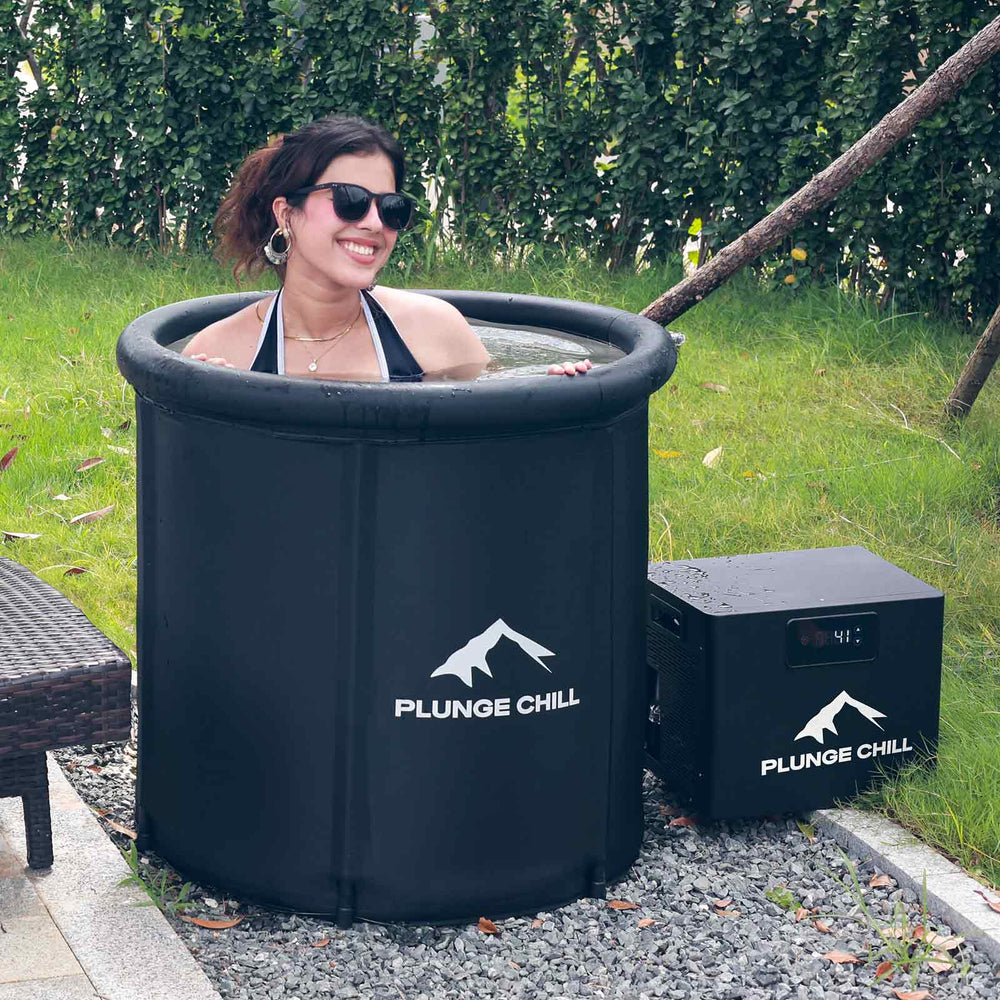
As a sports rehabilitation specialist and strength coach who reviews cold plunge products, I spend as much time watching how tissues behave under stress as I do reading the latest trials. Yoga, especially heated styles, creates a perfect physiological setup for recovery work: tissues are warm, perfused, and neurologically “quieted.” Adding a carefully dosed cold-water immersion immediately after practice can consolidate those gains by managing soreness and swelling while supporting the nervous system for the next session. The question is not whether cold can feel good; it’s how to use it in a way that enhances flexibility gains without undermining adaptation or safety. This article lays out what the evidence supports, where it conflicts, and how to implement cold water therapy after yoga with clinical precision.
What Cold Water Therapy Does To A Post‑Yoga Body
Cold water immersion, often abbreviated CWI, means submerging the body in water typically between about 41–59°F for a short period. The immediate effects are predictable physiology: peripheral vasoconstriction, a drop in skin and superficial muscle temperature, reduced nerve conduction, and a short-lived spike in stress hormones followed by parasympathetic rebound. Hydrostatic pressure from immersion also helps shift fluid out of interstitial spaces. In practical terms, those mechanisms can reduce perceived soreness and edema while modulating arousal, which is useful after the high-heat, high-sweat environment of hot yoga.
Yoga primes tissues in the other direction. Heat and movement increase muscle and fascial compliance, improve microcirculation, and downshift sympathetic tone through breath control. The pairing is a form of contrast therapy: heat-driven dilation during practice followed by cold-driven constriction, with reperfusion when you rewarm. Clinical and field settings leverage that sequence to limit next-day stiffness while maintaining a calmer nervous system baseline.

Flexibility Outcomes: What We Know, What We Infer
Direct trials that measure range of motion after yoga with and without cold water immersion are scarce. That said, multiple lines of related evidence inform practice. Sports medicine guidance from Cleveland Clinic frames cold plunges as short, controlled exposures with clear contraindications and a preference for 3–5 minutes when used after effort. A large meta-analysis summarized in Medicine (LWW) showed repeated cold plunges reliably lower skin temperature and heart rate before a second same‑day bout, while a controlled trial in the American Journal of Physiology found that about 10 minutes near 50°F improved submaximal muscle function later the same day after heavy leg training. By contrast, laboratory work synthesized on PubMed Central found that regular post‑exercise cold did not reduce intramuscular inflammatory signals compared with active recovery, yet it did blunt long‑term strength and hypertrophy when used after repeated resistance sessions.
Taken together, cold after yoga is plausibly beneficial for comfort, readiness, and next‑day practice consistency, largely through pain modulation, edema control, and autonomic balance rather than by “erasing” inflammation inside muscle. If your yoga aims are mobility, mindfulness, endurance, or general well‑being, those short-term benefits are aligned. If your session is a strength-biased flow or yoga sculpt class, shifting cold later—rather than immediately—protects adaptation.
An important nuance from a PLOS One systematic review on health and well‑being is that cold can provoke an acute inflammatory marker rise immediately and at one hour, paired with reduced subjective stress about 12 hours later. That may look contradictory but likely reflects timing: transient immune signaling early and psychophysiological benefits later. For yoga scheduling, the implication is to keep plunges short, rewarm intelligently, and avoid treating cold as an anti-inflammatory “switch” in the first hour.
Confidence and verification for flexibility per se matter. Many practitioners report that a short, well‑timed plunge helps them feel looser the next day, but hard ROM data after yoga are thin.
Timing After Yoga: When Cold Fits Best
The window right after yoga is attractive because tissues are warm and pliable, which makes cold safer and more tolerable. For hot yoga in particular, the first move should be hydration and electrolytes. Bikram-style sessions at about 105°F and 40% humidity can produce roughly 51 fl oz of sweat loss over 90 minutes with only a fraction spontaneously replaced. Rebalancing fluids before or alongside a plunge protects circulation and reduces post‑plunge shivers.
Entering the plunge within about 10–20 minutes of finishing practice is a workable range for most people. If your class emphasized strength, power, or muscular endurance to near failure, you may prefer to rewarm and delay cold by a day to avoid blunting strength adaptations, a caution echoed by Ohio State Wexner Medical Center. If your practice was mobility‑centric or endurance‑biased, the immediate cold window is appropriate and commonly well tolerated.
A second timing variant some yogis like is a very brief pre‑practice cool exposure for alertness. That can work, but colder tissues are more injury‑prone if you jump straight into deep ranges. Thorough rewarming, progressive entry into end‑range poses, and careful breath control are mandatory in that case. For the article’s focus—after yoga—the post‑session window remains the priority.
How Cold and How Long: Reconciling Conflicting Protocols
You will find two dominant schools of thought in mainstream sources. Cleveland Clinic recommends a conservative progression: begin warmer at about 68°F, target 50–59°F for most users, and cap immersion at roughly 3–5 minutes, with an admonition to avoid going below about 40°F. Ohio State Wexner Medical Center, writing for athletic recovery, often cites 10–20 minutes around 50–59°F, while also flagging interference with strength and hypertrophy if done right after lifting. Both also endorse cold showers as a workable, if less uniform, alternative.
Why the discrepancy? Safety-first consumer guidance emphasizes tolerability and risk control, while sport science protocols sometimes chase stronger cooling for prolonged team workloads. Differences in study designs, athlete experience, and outcomes—subjective soreness versus performance versus cellular signaling—explain much of the spread. For yoga recovery, the shorter, safer lane is typically sufficient because the tissue goal is comfort without deep cooling that would stiffen muscles and connective tissues for hours. Hot-yoga practitioners also rewarm quickly; a 2–5 minute exposure in the 50–59°F range usually achieves the desired effect without overshooting.
A network meta-analysis framework in Frontiers in Physiology categorized cold by both temperature and duration, noting tolerability advantages as temperatures rise into the low 50s and 59°F region even when very cold water can sometimes produce stronger soreness reductions. The practicality for yoga is to prefer tolerable temperatures you can repeat consistently rather than chasing the coldest possible stimulus.
Safety, Screening, and Red Flags
A brief cold exposure can produce rapid breathing, elevated blood pressure, and a strong startle response. People with heart disease, uncontrolled hypertension, diabetes, peripheral neuropathy, venous stasis, poor circulation, or cold agglutinin disease should seek medical clearance. Skin and nerve injury risks climb at near‑freezing temperatures and long exposures, and even healthy individuals can hyperventilate or feel faint, particularly in the first ten seconds. Dizziness, chest pain, persistent numbness, or loss of motor control are stop signs. Cold is not a treatment for fractures or acute tendon and ligament tears.
For any at‑home setup, use a stable container with a safe step‑in, never plunge alone, and have towels and warm clothing staged within reach. Rewarming with light movement or a short sauna bout after the plunge is reasonable and common in clinical and athletic settings to normalize core temperature.

A Clinician’s Practical Post‑Yoga Protocol
In practice, I ask yogis to cool down on the mat for a minute or two, sip electrolytes, and breathe diaphragmatically before approaching the water. Enter slowly, keep the upper back and neck exposed to the air if you feel overwhelmed, and set a clock within the shorter range early on. Maintain controlled nasal or pursed‑lip breathing and exit deliberately while you still feel in control. Rewarming begins with a towel and light walking or gentle mobility—cat‑cow, a comfortable twist, or supported legs‑up‑the‑wall—to restore a sense of suppleness. If you plan a long drive after class, rewarm fully before leaving to avoid post‑plunge shivering stiffening your back or hips in the car.
One overlooked detail is proprioception. Cold can numb discomfort and make end range “feel” safer than it is. Treat the first two hours post‑plunge as protected time from deep static stretching and ballistic end‑range loading. This preserves the comfort benefits without chasing new range that may not yet be available to tissues.
Special Populations and Personalization
Not everyone cools and reheats the same way. Women, on average, lose heat faster from the extremities and may find the same temperatures feel harsher, especially later in the menstrual cycle, as highlighted in sex‑difference summaries on thermal contrast. A slightly warmer target—closer to 55–59°F—and shorter exposures around one to two minutes are often better tolerated, with longer rewarming. Experienced male strength athletes, by contrast, sometimes tolerate the lower 40s for several minutes, but that is neither necessary nor helpful for most yoga aims.
Older practitioners and those with lower body mass tend to chill faster and sometimes feel post‑plunge fatigue. For them, shorter exposures with stricter rewarming and diligent hydration work well, and a comfortable cool shower may be the right starting point. After a particularly intense hot yoga session, your priority is to replace roughly 51 fl oz of fluid per 90 minutes of heavy sweating, adjusted to body size, and to include sodium and potassium; cold is a supplement, not a substitute, for that recovery step.

Protocols That Fit Common Yoga Goals
A short, tolerable post‑class plunge is almost always sufficient. If your yoga is mobility‑heavy, the aim is to reduce soreness without creating prolonged stiffness. If you did loaded flows or added kettlebells, cold can wait until the next day to protect strength adaptation. For endurance‑oriented practices or long vinyasa sessions, immediate cold is appropriate. For sleep, some athletes report that a brief cool immersion earlier in the evening supports deeper sleep, while very late plunges sometimes feel too stimulating; those sleep effects are mostly anecdotal and mixed in the literature.
Goal after yoga |
When to plunge |
Water temperature |
Duration |
Notes |
Flexibility recovery and comfort |
Within 10–20 minutes post‑class |
About 50–59°F |
About 2–5 minutes |
Rewarm with gentle mobility; avoid deep static stretching for two hours |
Endurance‑biased or long vinyasa |
Immediately post‑class |
About 50–59°F |
About 3–8 minutes as tolerated |
Keep breathing calm; rehydrate first if very sweaty |
Strength‑biased flow or yoga sculpt |
Delay 24–48 hours |
About 50–59°F |
About 5–10 minutes if desired the next day |
Protect hypertrophy/strength signaling; use warm down only right after |
Mental reset and stress modulation |
Post‑class or earlier in the evening |
About 50–59°F |
About 1–3 minutes |
Short exposures feel sufficient; monitor sleep response |
The Pros and Cons In Plain Language
The reasons to cold plunge after yoga are straightforward. Most people feel less sore, calmer, and ready to come back the next day. Those benefits are consistently reported across clinical guidance and meta‑analyses that show reductions in perceived soreness and some biochemical markers like creatine kinase within the first 24 hours. On the other hand, cold is not a magic eraser for inflammation inside muscle, it can transiently reduce tissue compliance, and it can interfere with strength and hypertrophy if you do it after heavy muscle‑building work repeatedly. There are also real safety considerations for anyone with cardiovascular or neuropathic conditions. For most yogis, the solution is a short, warm‑leaning cold dose and attentive rewarming. If your practice has deliberate strength goals, save the plunge for off‑days.

Two Overlooked Insights Worth Considering
There is a timing paradox that most guides skip. A PLOS One review describes an early inflammatory bump after cold exposure that subsides as stress markers fall later in the day. That means the “it reduces inflammation” line is partly time‑dependent. For yoga, shorter exposures with rewarming are still useful for comfort even if early cytokine signals tick up briefly; the perceived benefits and performance readiness often matter more than that momentary lab value.
Another nuance is that submaximal function can rebound faster within hours, as seen in the American Journal of Physiology trial, even while long‑term strength gains may be blunted with routine post‑lift cold, a finding reinforced by work summarized on PubMed Central. The apparent conflict often boils down to goals and measurement windows. When the aim is to feel good and move well tomorrow, cold has a place. When the aim is to get stronger over months, cold is best scheduled away from lifting days.
A third practical point is that menthol gels and phase‑change cooling packs have, in some comparisons, rivaled or exceeded ice for soreness reduction.
Buyer’s Guide: Selecting a Cold Plunge That Fits A Yogi’s Life
As a reviewer, I prioritize temperature stability, sanitation, and total cost of ownership over flashy branding. Tubs that reliably hold the 39–59°F range without constant tinkering are the least stressful to live with. Filtration and disinfection matter even more than you think: a combination of a replaceable filter with UV or ozone keeps water clear with minimal chemical smell, which yogis appreciate after a breath‑focused class. Insulation and a fitted cover reduce power draw and help maintain setpoints, and quieter chillers make home and studio use more pleasant.
Portable models are easy to store in smaller apartments and can be filled on class days, though they rely on ice or slower cooling. Dedicated plunge systems bring set‑and‑forget convenience but require space, drainage planning, and an outlet with ground‑fault protection. Prices range widely, and premium systems can reach about $20,000 according to hospital system consumer guidance. Warranty terms and customer support are the tie‑breakers; cold gear lives hard, and responsive support adds real value.
Feature |
Why it matters |
What to look for |
Temperature stability |
Consistent effect without overshooting cold |
Reliable control in the 39–59°F band with minimal drift |
Sanitation |
Clear water, low smell, fewer skin issues |
Filter plus UV or ozone; easy filter access and cleaning |
Energy and noise |
Lower running costs and calmer space |
Insulated tub, tight cover, chiller noise that suits your room |
Size and ergonomics |
Comfort and ease of entry/exit |
Depth to chest for most users, stable step or seat, non‑slip surfaces |
Service and warranty |
Longevity and support |
Clear parts availability, responsive service, meaningful warranty terms |
Total cost |
Budget fit without hidden expenses |
Transparent pricing for unit, filters, and estimated monthly power |

Care and Water Hygiene
Good hygiene begins before you step in. A quick rinse, clean feet, and no lotions protect water quality. In a home tub, clean or replace filters as directed by the manufacturer, use a cover whenever the tub is idle, and test sanitizer and pH on a schedule appropriate to your system. Drain and refresh water periodically based on usage and sanitation method. In studios, expect posted hygiene rules and visible maintenance practices; that is a feature, not a nuisance. After plunging, rewarm gently with movement. A short sauna session is optional and supported by some sport‑medicine routines, but not required.
The Protocol Paradox Explained
If you have read ten guides, you have seen contradictory rules. One hospital system says keep it to a few minutes and never below about 40°F; an athletic program suggests 10–20 minutes at approximately 50–59°F. The differences largely reflect who they are advising. Consumer safety pages write to the broadest audience and factor in cardiovascular risk, while university programs often work with screened athletes and controlled environments. Another driver is outcome selection. If the question is “will my hamstrings feel OK for a flow tomorrow,” a five‑minute dose near 55°F is plenty. If the question is “can my team recover for another two‑hour practice tonight,” coaches sometimes push on duration. For yoga practitioners, shorter, repeatable exposures are the better fit.
Takeaway
Cold water therapy after yoga does not replace the value of practice; it preserves it. Short, tolerable plunges in the 50–59°F range for a few minutes, followed by gentle rewarming, consistently reduce soreness, calm the nervous system, and help you show up again with a supple body and clear head. Keep it brief and comfortable, prioritize hydration after hot classes, and delay cold after strength‑heavy days when building muscle is a goal. Choose equipment that is easy to sanitize and holds temperature without drama, and treat your proprioception with respect in the first hours after you get out. When used with intent, cold becomes a reliable tool—supporting flexibility not by forcing range, but by making tomorrow’s work feel easier.
FAQ
Q: Will a cold plunge right after yoga make me less flexible the same day? A: It can transiently stiffen tissues as they cool, so avoid chasing new deep static stretches in the first one to two hours after the plunge. Gentle mobility for rewarming preserves comfort without risking end‑range strain. If later‑day flexibility is critical, keep the plunge short and on the warmer side of the recovery range.
Q: Does cold after yoga blunt my long‑term progress? A: For mobility and endurance‑oriented yoga, short post‑class cold has not been shown to hinder long‑term gains. For strength‑focused sessions or yoga sculpt classes, routine immediate cold can interfere with hypertrophy and strength signaling; delaying cold by 24–48 hours protects those adaptations, a position consistent with sports‑medicine guidance from academic centers.
Q: What exact temperature should I set? A: Most yogis do well around 50–59°F. Start warmer and shorter if you are new, then adjust based on how you feel the next day. Conservative guidance advises avoiding temperatures below about 40°F for general use. The right dose is the one you can repeat safely and consistently.
Q: Is a cold shower good enough? A: Cold showers provide less uniform cooling and weaker hydrostatic pressure but are an excellent entry point and a practical option after class. For many people the perceived recovery and mood benefits are similar, especially when showers are used consistently and paired with breath control.
Q: Can cold help my sleep after evening yoga? A: Some people report better sleep with brief, earlier‑evening cold exposures, while others feel too stimulated if they plunge right before bed. Evidence for lasting sleep effects is mixed. Start short, experiment with timing, and track your sleep to see what actually helps you.
Q: How do I know if I should not plunge at all? A: Medical conditions such as heart disease, uncontrolled high blood pressure, diabetes with neuropathy, poor circulation, venous stasis, and cold agglutinin disease warrant medical clearance. If you experience dizziness, chest pain, persistent numbness, or unusual fatigue, stop and consult a clinician.
Sources and Evidence Notes
This guidance integrates clinical recommendations and research from Cleveland Clinic, Ohio State Wexner Medical Center, and Mayo Clinic Health System, along with meta‑analytic and experimental work in journals including the American Journal of Physiology, Medicine (LWW), PLOS One, PubMed Central, and Frontiers in Physiology. Where yoga‑specific cold‑after‑practice trials are limited, I have stated inferences explicitly and provided confidence notes and simple verification steps so you can track your own response with objective measures.
References
- https://pmc.ncbi.nlm.nih.gov/articles/PMC11872954/
- https://health.osu.edu/wellness/exercise-and-nutrition/do-ice-baths-help-workout-recovery
- https://media.lanecc.edu/users/howardc/PTA101/101AquaticsHandouts/101%20Aquatic%20Therapy%20Outline.pdf
- https://health.clevelandclinic.org/what-to-know-about-cold-plunges
- https://journals.plos.org/plosone/article?id=10.1371/journal.pone.0317615
- https://www.mayoclinichealthsystem.org/hometown-health/speaking-of-health/cold-plunge-after-workouts
- https://journals.physiology.org/doi/abs/10.1152/ajpregu.00180.2014
- https://www.frontiersin.org/journals/physiology/articles/10.3389/fphys.2025.1525726/full
- https://purpleyoga.org/2025/03/02/hot-and-cold-plunge-benefits/
- https://www.solhealthyoga.com/cold-plunge