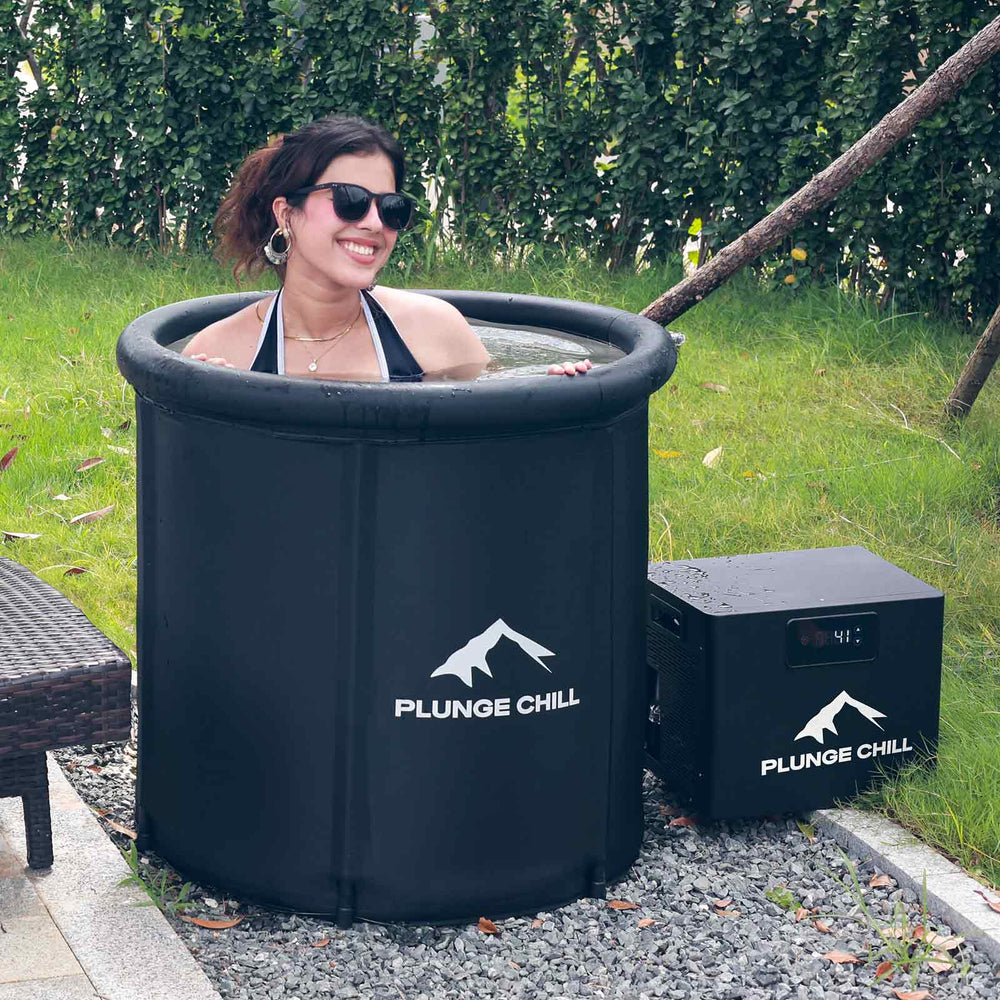
As a sports rehabilitation specialist, strength coach, and long-time reviewer of cold plunge systems, I’m often asked how ice baths can be used responsibly in yoga settings. Cold exposure has real, measurable effects on soreness, perceived recovery, and autonomic tone, yet the evidence base is mixed and protocols matter. This article translates the latest research and field practice into clear guidance for yoga instructors and studio owners, with an emphasis on safety, dosing, sanitary operations, and smart purchasing.
What an Ice Bath Is—and How It Works
An ice bath, sometimes called cold‑water immersion, is deliberate submersion in cold water for brief periods to create a controlled physiological stress. During immersion, vasoconstriction limits local blood flow and slows tissue metabolism; upon rewarming, vasodilation increases perfusion, which helps move fluid and metabolites. Hydrostatic pressure from immersion also shifts fluid centrally and can augment cardiac preload without adding muscular work, a mechanism that mirrors aspects of active recovery and may help explain why some people feel “lighter” or fresher after a plunge (PMC, NIH).
For yoga specifically, this stress‑recovery cycle can dampen post‑class soreness after vigorous vinyasa work, assist thermoregulation in hot environments, and train breath control under arousal. Cleveland Clinic emphasizes that the most robust short‑term effects are on soreness, swelling, and cooling after hard efforts, especially when water falls in the cold range and exposure is brief.
Evidence Snapshot: Where Cold Fits in a Yoga Program
Across reputable sources, three patterns repeat. First, short‑term benefits are plausible and frequently reported: less soreness after strenuous days, a quicker return to baseline after heat exposure, and a transient lift in alertness (Cleveland Clinic; Mayo Clinic Health System; Pliability). Second, for long‑term training adaptations the picture is nuanced: routine daily plunges immediately after strength work can blunt the cellular signaling that drives muscle growth and strength gains (Mayo Clinic Press; Mayo Clinic Health System), whereas endurance adaptations appear less affected. Third, the literature on mental health and immunity remains preliminary; a PLOS One analysis highlights small, heterogeneous trials with signals for reduced stress and, in men, better sleep, but inconsistent findings for mood or immune markers (Harvard Health summarizing PLOS One).
The divergence among sources is explained by protocol differences and study design. Definitions vary from cool showers to chest‑level immersion; temperatures span from upper‑50s°F to near‑freezing; durations range from seconds to fifteen minutes; and participant groups range from untrained adults to competitive athletes. These methodological differences, along with small sample sizes and short timeframes, account for much of the inconsistency.
A single‑session study in college students reported reduced heart rate and blood pressure and lower cortisol several hours after a 15‑minute immersion, plus improved mood the same day (Journal of Thermal Biology, University of Oregon). That suggests plausible autonomic effects, but generalizability beyond that population and protocol requires caution.

Effective Protocols for Yogis and Yoga Teachers
For most yoga contexts, the best outcomes come from conservative temperatures, brief exposures, and strategic timing. When the goal is to reduce soreness after high‑tension sequences, cold after class makes sense. When the goal is to prime focus before a class, short pre‑class exposures can work, but enter warm and mobilized to avoid stiffness. If you or your students also lift weights, avoid plunging directly after heavy strength days to protect hypertrophy signaling; schedule cold for rest days, low‑intensity mobility days, or several hours after lifting (Mayo Clinic Press; Pliability).
A quick-reference view of practical dosing and timing appears below.
Goal |
When to Plunge |
Water Temperature |
Time in Water |
Notes |
Reduce soreness after vigorous yoga or hot yoga |
Post‑class or later the same day |
50–59°F |
Start at 1–3 minutes; build toward 3–5 minutes (rarely beyond 10) |
Favor shorter exposures; rewarm gradually with light movement. |
Prime focus before a mindful but non‑maximal session |
Pre‑class after a thorough warm‑up |
50–59°F |
30–90 seconds for newcomers; up to 2–3 minutes |
Keep muscles warm; use breath control; avoid shivering going into class. |
Restore after back‑to‑back teaching days or events |
Evening sessions or non‑teaching windows |
50–59°F |
3–5 minutes total |
Pair with sleep hygiene and nutrition for best results. |
Pair with strength training in mixed programs |
Not immediately after heavy lifting |
50–59°F |
2–5 minutes as desired |
Wait several hours after strength work to protect adaptations. |
These ranges align with guidance from Cleveland Clinic, Healthline, and Mayo Clinic Health System. New practitioners should “start low and go slow,” favoring the upper end of the cold range and shorter exposures, progressing only as tolerance improves.
Safety and Screening for Studio Settings
Cold shock can trigger a gasp, hyperventilation, and a rapid rise in breathing, heart rate, and blood pressure. People with heart rhythm disorders, significant cardiovascular disease, peripheral artery disease, Raynaud’s, neuropathy, or poorly controlled hypertension should seek medical clearance before using cold exposure (Harvard Health; Cleveland Clinic). Do not plunge after alcohol or sedatives. Keep the airway above water; never do open‑water immersions near currents; and always have a safety rewarming plan ready, especially outdoors in winter (Mayo Clinic Health System).
From a coaching standpoint, supervise first experiences, emphasize controlled nasal‑dominant or slow diaphragmatic breathing, and end sessions at the first signs of dizziness, confusion, or numbness. Rewarming should be gradual with layers and light movement rather than an immediate scalding shower, which may provoke blood‑pressure swings (Cleveland Clinic; Mayo Clinic Health System).
Integrating Cold with Yoga Breathwork, Heat, and Contrast
Cold pairs naturally with pranayama skills. The first 20–30 seconds of immersion is often the hardest; cue steady exhalations, soft jaw and shoulders, and a deliberate reduction in respiratory rate. For hot yoga or sauna pairings, use heat and cold as complementary tools. Heat enhances circulation and tissue pliability; cold manages post‑session swelling and perceived soreness. Daily contrast cycling is rarely necessary; reserve for compressed schedules or tournament‑like events, and keep the cold portion brief (Sports Medicine of the Rockies; Mayo Clinic Press).
One caveat is postural hypotension in endurance events or sweltering studios. In students who have just come off a long, hot practice, standing abruptly, immersion, and re‑standing can combine to drop blood pressure. Staged transitions, adequate hydration with electrolytes when appropriate, and calm pacing reduce those episodes (University of Utah Health).
Overlooked but Important: Water Hygiene and Operations
In studio environments, water quality is non‑negotiable. Vendor technical briefs converge on simple, verifiable practices. Maintain pH in the 7.2–7.8 range, alkalinity between 80–120 ppm, and calcium hardness roughly 180–220 ppm; test at least weekly with strips or a photometer, and more often with heavy use (Coldture; Icebound Essentials). Keep a fitted lid on the tub whenever it’s idle and ask clients to shower before entry; skim debris; and run circulation and filtration daily. Replace water every two to four weeks for typical studio volumes, sooner for outdoor tubs or high traffic; UV or ozone can extend intervals when balanced correctly (Coldture; Icebound Essentials).
Some operators now use food‑grade hydrogen peroxide as a non‑chlorine sanitizer in the 30–50 ppm range when paired with ozone.

Buying Guide for Teachers and Studio Owners
Before you buy, anchor choices to your space, use‑case, and maintenance capacity. Three tub formats dominate the yoga and boutique studio world: upright barrels, horizontal plug‑and‑play tubs, and portable inflatables. Filtering, sanitation, and the chiller’s ability to hold target temperatures through multiple plunges matter more than brand slogans. Reviews from BarBend, Garage Gym Reviews, Men’s Health, and Science for Sport consistently rate tubs on size, ergonomics, temperature range, filtration and sanitation, setup, and cost.
Tub Type |
Best Fit |
Standout Advantages |
Watch‑Outs |
Typical Budget Band |
Upright barrel (e.g., Ice Barrel style) |
Tight indoor spaces; aesthetic front‑of‑house |
Small footprint; easy to cover; simple to operate |
No built‑in chiller on some models; taller step‑in requires care; water changes more frequent without advanced filtration |
Often around 1,500 for tub only; chiller adds significantly |
Steady daily use; precise temperature demands |
Holds low temperatures consistently; integrated filtration; easy to sanitize; reclined comfort for breathwork |
Larger footprint; heavier; higher upfront price; confirm circuit capacity (GFCI) |
Roughly mid‑ to high‑four figures; premium units can exceed $10,000 |
|
Portable inflatable + external chiller |
Multi‑purpose rooms; events; seasonal setups |
Folds away; easier delivery; good capacity for cost |
Less insulation; more heat gain outdoors; puncture risk; filtration must be planned |
Wide range, frequently mid‑four figures with chiller |
In every case, verify three items before purchase. First, confirm that filtration is at least 20‑micron and that sanitation is handled with ozone and/or UV alongside your chosen chemical program for longer water life (Science for Sport; manufacturer guides). Second, ensure indoor placement uses a GFCI‑protected outlet on a dedicated circuit, and that you have drainage and spill protection that complies with building norms. Third, match tub dimensions to the tallest likely user and the room’s circulation paths; reclined tubs often need five and a half to six and a half feet of length, whereas upright barrels trade posture for smaller footprint (BarBend; Garage Gym Reviews; Men’s Health).
Care and Maintenance Workflow You Can Live With
Daily operations come down to simplicity and consistency. Keep the cover on when the tub is idle, skim the surface as needed, and run circulation and filtration for a few hours each day to keep sanitizer moving (Icebound Essentials). Power down before servicing, and leave the cover open briefly during chemical additions so gases can off‑gas rather than accumulating under the lid. For deeper cleans every few weeks, power off, remove and rinse the filter, drain fully, scrub with a mild non‑abrasive cleaner, rinse thoroughly, sanitize, rinse again, and refill; rebalance chemistry before returning the tub to service (Coldture). In my own studio audits, the programs that last are the ones written down and owned by a named staff member per shift, with a simple log of test readings and filter changes.
First‑Hand Observations from the Field
Instructors who adopt a conservative cold protocol report two consistent benefits. First, there’s less next‑day soreness after peak‑volume or heat‑intense days. A three‑minute immersion at about 55°F in the late afternoon reliably calms “buzzy” legs without leaving people chilled in the evening, provided they rewarm by walking and layering. Second, breath control under cold transfers well to breath control in demanding poses; students who spend time extending exhales in the tub tend to do the same when confronted with effort on the mat. On the equipment side, the highest value per dollar isn’t always the brand with the coldest claimed low; it’s the unit that holds steady temperatures during back‑to‑back sessions, filters water without drama, drains cleanly, and fits your room without tripping breakers.
Three Subtle Insights to Consider
The first is timing cold around resistance training. Many yoga teachers now cross‑train with weights to support joint health; immersing immediately after heavy lifting dials down the molecular signals for hypertrophy. It’s better to wait several hours or place cold on a different day so your tissues reap the larger strength benefits (Mayo Clinic Press; Mayo Clinic Health System; Pliability).
The second concerns calorie burn. Cold exposure is often marketed as a metabolism hack via brown fat activation. Rutgers notes that realistic sessions probably expend on the order of 20–50 calories, which is immaterial for weight loss compared with training and nutrition.
The third is operational rather than physiological: water chemistry is an injury‑prevention tool. Skin and eye irritation, rashes, and respiratory complaints in tubs almost always track to lapses in pH and sanitizer, not the cold itself. Instructors can reduce these issues dramatically by testing and logging pH and sanitizer at least weekly, skimming debris, and keeping a proper lid on the tub (Coldture; Icebound Essentials).
Heat vs. Cold for Pain and Mobility in Yoga
Heat and cold both have a place in yoga recovery. Cold is best early to moderate swelling and discomfort after a tissue‑irritating effort, while heat shines for circulation, muscle relaxation, and preparing tissues for motion once swelling subsides (Harvard Health). Practically, that means a warm shower, light movement, or a short sauna before mobility work, then cold later if soreness rises. Instructors who program both should build routines that respect this sequence instead of piling tools into the same hour because they’re available.
Quick Product Features Worth Verifying
A reliable chiller with sufficient power to maintain low temperatures through a busy evening is essential; premium home units often use a one‑horsepower compressor. A 20‑micron filter is a useful spec to look for in vendor literature because it captures hair and skin cells effectively. UV and ozone reduce chemical load and odor. Lids that genuinely insulate, steps that don’t rock, and drains you can reach without contortion are not luxuries; they are the things you will touch daily when you’re tired. Most well‑reviewed tubs in the independent roundups referenced above pass on style; the real test is whether they save you time and keep your clients safe.
Takeaway
For yoga instructors and studio leaders, ice baths work best as an optional recovery tool, not a cure‑all. Brief exposures in the 50–59°F range, applied strategically after hard or hot sessions, can reduce soreness and reset focus. Cold is not a weight‑loss program, and it is not the right move immediately after strength training if you want long‑term muscle gains. Safety screening, supervision of first‑time users, and a robust water‑care routine matter as much as the tub you buy. When you anchor your decisions to goals, protocols, and operations—not trends—you’ll deliver meaningful recovery without creating new problems.
FAQ
What’s the safest starting protocol for new cold‑plunge users in a yoga studio?
A conservative approach is to begin at about 55°F for 30 to 90 seconds and assess how the person feels. Keep the head above water, cue slow breathing, and rewarm gradually with light movement and layers. Most people will settle into two to five minutes over time if they choose to continue (Cleveland Clinic; Healthline).
Should I let students plunge right after a strength‑focused class?
If the class included substantial strength work, it’s better to avoid immediate immersion to protect muscle growth and strength adaptations. Use cold on rest days, after endurance‑style training, or several hours later instead (Mayo Clinic Press; Pliability).
How does cold exposure interact with hot yoga or sauna?
Heat is ideal pre‑movement to improve circulation and pliability; cold is a tool for perceived soreness after effort and heat exposure. If you use contrast, keep cold brief and finish cold only when swelling and heat load are the targets. Daily contrast is rarely necessary in yoga settings (Sports Medicine of the Rockies; Mayo Clinic Health System).
What are the main medical cautions?
People with heart rhythm disorders or cardiovascular disease, cold‑sensitive circulatory conditions like Raynaud’s, neuropathy, uncontrolled hypertension, or who are pregnant should get medical clearance before use. Do not plunge after alcohol or sedatives. If dizziness, chest pain, confusion, or persistent numbness occurs, stop and seek medical evaluation (Harvard Health; Cleveland Clinic).
How should studios keep plunge water clean and comfortable?
Keep pH near 7.2–7.8, alkalinity in the 80–120 ppm range, and calcium hardness roughly 180–220 ppm. Cover the tub when not in use, ask people to shower first, skim debris, run filtration daily, and change water every two to four weeks depending on traffic. UV or ozone plus appropriate chemical dosing can extend water life; log readings and filter changes (Coldture; Icebound Essentials).
Are inflatables a good choice for multipurpose yoga rooms?
Portable inflatables pair well with shared spaces because they pack away, but they gain heat more quickly, need careful placement to avoid puncture, and require a thought‑out filtration plan. If you want consistent daily plunging and minimal water changes, a plug‑and‑play chiller system with integrated filtration is usually the simpler long‑term choice (Science for Sport; independent reviews).
References
- https://www.health.harvard.edu/pain/cold-versus-heat-for-pain-relief-how-to-use-them-safely-and-effectively
- https://sncs-prod-external.mayo.edu/hometown-health/speaking-of-health/cold-plunge-after-workouts
- https://pmc.ncbi.nlm.nih.gov/articles/PMC11872954/
- https://healthcare.utah.edu/healthfeed/2024/08/why-runners-sometimes-collapse-post-race-and-how-recover-safely
- https://cardiacrehab.ucsf.edu/sites/g/files/tkssra13261/files/wysiwyg/a-road-map-to-effective-muscle-recovery.pdf
- https://today.wayne.edu/news/2021/03/22/is-cold-water-swimming-good-for-you-41963
- https://health.clevelandclinic.org/what-to-know-about-cold-plunges
- https://mcpress.mayoclinic.org/healthy-aging/the-science-behind-ice-baths-for-recovery/
- https://purpleyoga.org/2025/02/16/ice-bath-benefits-for-athletes-enhancing-recovery-and-performance/
- https://www.aetherhaus.ca/blog/athletes-cold-plunge-and-sauna-benefits