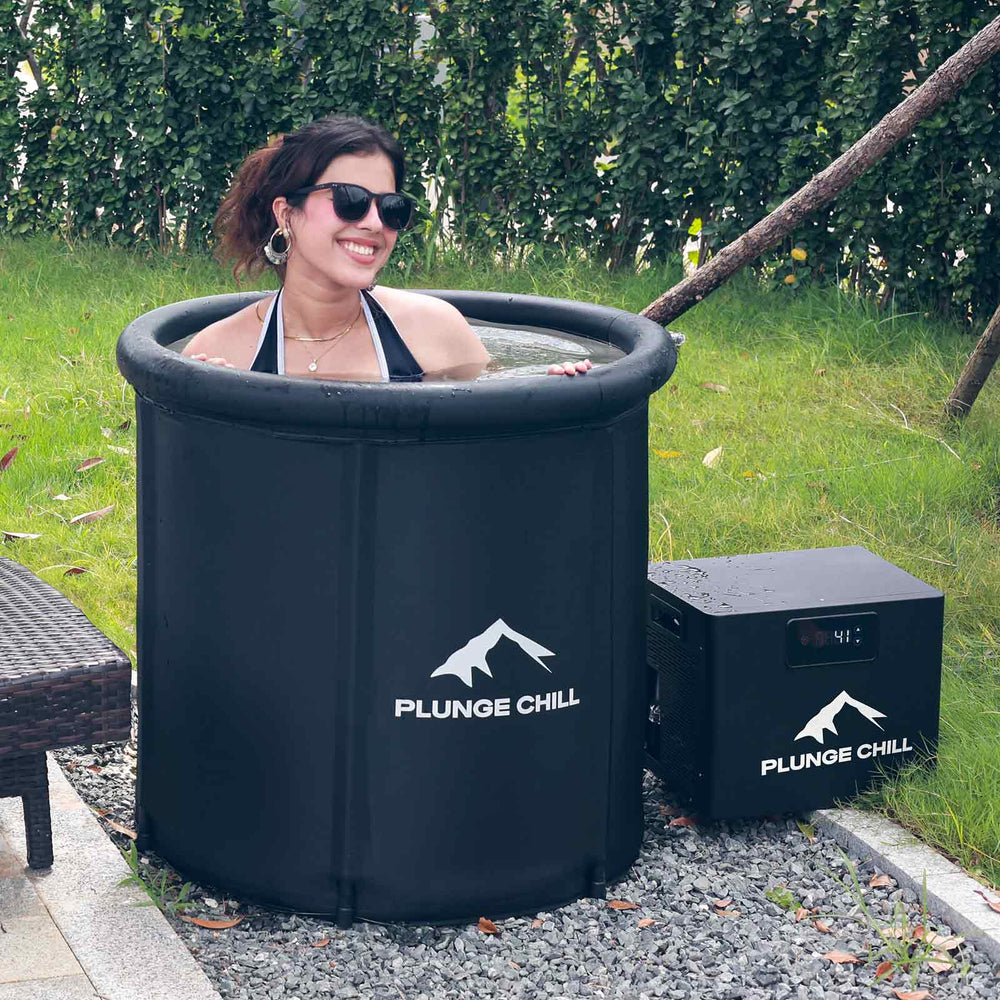
Cold-water immersion has migrated from athletic training rooms to backyards and bathrooms across the country. As a jewelry editor who also experiments with brief cold showers before writing deadlines, I appreciate the appeal: a quick, bracing dip can feel like flipping the brain’s “on” switch. The science, however, tells a more nuanced story. Some exposures do sharpen alertness and mood in the short term, while others—especially colder and longer immersions—can impair thinking and attention during and shortly after the cold. This article synthesizes what high‑quality sources actually show, where the evidence is thin, and how to use cold strategically if your goal is mental clarity and focus.
What Cold Water Immersion Is—and What It Isn’t
Cold-water immersion, or CWI, is deliberate exposure of the body to cold water to trigger a predictable physiological stress response. In practical terms this ranges from cool shower finishes around 50–60°F to chest‑deep plunges near 50–59°F, with winter “polar plunges” dipping closer to 35–40°F. Cryotherapy chambers, which blow extremely cold air rather than water, can reach far below zero; they are a different modality with distinct risks and are not the same as immersion.
Physiologically, the first seconds in cold water provoke the “cold shock” response: an involuntary gasp, rapid breathing, and spikes in heart rate and blood pressure. Blood vessels in the skin constrict to shunt blood toward core organs. Shivering begins as the body’s furnace, increasing heat production and, for a time, muscle glucose uptake and insulin sensitivity. The initial shock can impair decision‑making and breathing control, which is why beginners should avoid open water and never plunge alone, a safety point emphasized by Case Western Reserve University.
From the neck up, skin receptors tuned to cold relay signals that activate the sympathetic nervous system, increasing noradrenaline and, in many settings, dopamine. This catecholamine surge plausibly underpins the subjective sense of alertness and mental “pop” reported after short, moderate exposures. Neurohormesis, the broader idea that brief, controlled stressors nudge the brain and body toward more resilient set points, is a leading explanatory framework in neuropsychiatry for why short exposures may feel good yet long or excessively cold exposures can tip into harm.
What the Research Says About Clarity and Focus
The strongest signals for mental clarity cluster around short, moderate exposures that raise arousal without substantially lowering core temperature. Prolonged and very cold immersions, by contrast, often degrade cognitive performance while you are cold and immediately afterward.
Immediate alertness and brain-network changes with short, moderate cold
A peer‑reviewed study in Biology used resting‑state fMRI alongside mood ratings before and after a single head‑out bath at about 68°F for five minutes in healthy adults naive to cold plunging. Participants reported feeling more active, alert, attentive, proud, and inspired, and less distressed and nervous. The brain data aligned: connectivity strengthened among networks involved in attention control, salience, and self‑regulation, including medial prefrontal and anterior cingulate regions. Importantly for clarity, the study supported the “bivalence” model of affect, meaning increases in positive affect occurred independently of reductions in negative affect. In plain terms, people felt more energized and focused even without a simple tradeoff in distress.
That pattern is consistent with what many of us notice after a brisk cool shower: a sharper, steady alertness that outlasts the water. Mechanistically, the cold shock elevates noradrenaline and other neurochemicals tied to vigilance. The study also documented the classical acute cardio‑respiratory reactions—faster heart rate and bigger breaths—early in immersion, which subside as breathing settles.
Repeated sessions and cognitive measures
A small laboratory program highlighted by PsyPost found that healthy adults who completed cold immersions around 50°F for ten minutes, three times a week over several weeks, improved processing speed and mental flexibility on timed tests. Selective attention did not change, worry scores declined after the first session and stayed lower, and sleep quality improved after a couple of weeks. The sample was small, so confidence is moderate rather than high, but the direction aligns with practical experience: repeated, tolerable exposures can build a reliable “wakefulness” effect and better stress handling.
Systematic review: time matters, evidence for attention is limited
A PRISMA‑aligned meta‑analysis in PLoS One synthesized randomized trials of cold immersion at or below 59°F. The authors found a time‑dependent pattern across outcomes: inflammatory markers rose acutely right after exposure, while perceived stress was lower around twelve hours later. Sleep quality and quality of life improved in several trials. However, targeted outcomes like concentration, alertness, or focus showed limited or inconclusive evidence. Taken together, the best‑supported mental effects are immediate mood elevation and alertness after a single moderate dip, followed by later reductions in stress; robust improvements in higher‑order attention remain to be demonstrated in larger and better‑controlled trials.
When cold clearly hinders cognition
A separate systematic review of experiments in healthy adults—many using much colder water or longer immersion times—found that working memory, attention, executive function, and reaction speed commonly worsened during or shortly after cold exposure. Protocols that dropped core temperature by roughly 1–3°F were most likely to impair performance. Protective clothing that limited cooling mitigated deficits, and repeated exposures sometimes reduced the impact with habituation. This matters for anyone eyeing extreme protocols: if you push too cold or too long, you are likely to be less sharp for a while.
Mood and stress physiology around clarity
Multiple lines of evidence suggest that cold lowers cortisol not during, but in the hours after exposure, which plausibly contributes to feeling clearer later in the day. A University of Oregon group observed lower blood pressure and heart rate after a single plunge in college students and a reduction in negative mood three hours later alongside decreases in cortisol. The PLoS One meta‑analysis similarly found stress reductions around twelve hours post‑immersion. These delayed endocrine changes align with subjective reports of a mental “afterglow” that differs from the immediate alertness burst.
A large pragmatic trial in the Netherlands reported that finishing showers with brief cold rinses led to 29 percent fewer sick‑day absences over two months, though the mechanism was unclear and immune markers were not measured. It is reasonable to infer a small, real‑world resilience effect from easier, moderate cold exposure, but the study does not prove improved immunity or attention per se.

Pros, Cons, and the Bottom Line for Focus
Cold water can be a useful, fast‑acting tool for alertness and mood, with potential benefits for mental clarity in the short term and perceived stress later. The clearest upside is a reliable bump in wakefulness and a shift toward positive affect after tolerable, brief exposures. Repeated sessions may add small improvements in processing speed and flexibility and reduce worry, with better sleep as a supportive factor.
The downsides are real and context dependent. Cold shock impairs breathing control and cognition in the first seconds, and panic can lead to poor decisions, which is why open‑water plunges are hazardous for beginners. People with heart disease, prior stroke, arrhythmias, severe hypertension, or poor circulation face higher risk; beta‑blockers may blunt adaptation and raise arrhythmia risk during immersion. For athletes, routine post‑lift ice baths can blunt hypertrophy by dampening the inflammation and protein synthesis needed for growth, so use cold strategically. Claims about immune boosting remain mixed when confounding by exercise is removed. The neurochemical “feel‑good” spikes widely discussed in popular media likely exist but vary by person and habituate for some; rigorous dose‑response data in general populations are limited. These cautions are emphasized by Case Western Reserve University, Mayo Clinic Press, and NPR.
How to Use Cold for Clarity Without Blunting Your Day
If your goal is mental clarity and focus rather than toughness for its own sake, you do not need extreme cold. Moderate, controllable doses are your friend. Starting with cool shower finishes around 50–60°F for thirty to ninety seconds is simple and lower risk. Many people find a two‑to‑five‑minute head‑out immersion around 50–59°F feels mentally “clean” without leaving them shivery or foggy. The fMRI study’s five‑minute, 68°F bath is a helpful benchmark for brain‑compatible intensity.
Timed breathing tempers cold shock. Let the first gasp pass with your mouth above water, then settle into slower exhales to bring ventilation under control. Enter deliberately rather than fast, especially if you are new. If you need clarity for a morning of deep work, a brief exposure early in the day can provide the catecholamine lift without colliding with afternoon dips in temperature regulation. For stress relief and better sleep, a short session late afternoon or early evening may harness the delayed cortisol drop shown in controlled trials.
If muscle growth is a priority, avoid cold immediately after heavy lifting. Separate your plunge and your strength sessions by several hours or shift cold to non‑lifting days. If you are training for endurance and use cold for soreness control during dense blocks, keep immersions short and not excessively cold to preserve adaptations.
Never plunge alone. Beginners should stick to home tubs or showers with safe egress. Open water is for experienced swimmers with supervision, and even then, conditions can shift quickly.
A Quick Look at Protocols and Effects
The following table summarizes common exposure types people use for mental clarity, with temperatures, durations, and what the evidence suggests. Temperatures are in Fahrenheit to reflect typical U.S. practice.
|
Exposure type |
Temperature (°F) |
Typical duration |
Likely mental effect |
Evidence notes |
|
Cool shower finish |
50–60 |
0:30–1:30 |
Brief alertness and mood lift; easier adherence |
Pragmatic data show reduced sick‑day absences with cold rinses; no direct focus metric; immune mechanism unclear (Mayo Clinic Press, NPR). |
|
Head‑out bath |
68 |
~5:00 |
Clearer, brighter mood and attentional readiness |
fMRI study showed increased connectivity in attention and salience networks with higher positive affect (Biology, MDPI). |
|
Plunge tub |
50–59 |
2:00–5:00 |
Quick alertness boost; possible later stress relief |
Systematic review suggests stress is lower hours later; cognition evidence limited; user reports common (PLoS One). |
|
Very cold plunge |
~51 |
~15:00 |
Hemodynamic changes; negative mood improves later, not immediately |
University of Oregon group observed lower heart rate and blood pressure post‑immersion; reduced negative mood at three hours; monitor BP if hypertensive. |
|
Long, cold immersion |
50–57 but colder feels worse |
60:00–90:00 |
Working memory, attention, and reaction speed worsen during/after |
Systematic review shows robust impairments with larger core temperature drops; protective clothing mitigates (PubMed Central). |
Confidence varies across rows. Immediate alertness after short, moderate cold is high‑confidence. Delayed stress reductions are moderate‑confidence. Durable improvements in attention and executive function need more high‑quality trials.
Gear, Care, and Buying Tips
You do not need specialized equipment to get started. A reliable digital thermometer and a safe bathtub or stock‑tank style tub with a non‑slip surface go a long way. If you buy a dedicated plunge, prioritize sturdy construction, an accessible drain, and a lid to keep debris out. If the unit includes active cooling and filtration, ask about noise, ease of cleaning, and how often filters and sanitizers must be changed to keep water clear and skin‑friendly. If you use ice, mix and stir to eliminate warm pockets, and always confirm temperature before entering.
Keep your setup clean. Cold water does not sterilize. Rinse yourself before plunging, skim debris after use, and follow the manufacturer’s cleaning schedule if you own a chiller. Outdoors, plan for rapid rewarming: a dry robe, warm clothes, and a sheltered spot to change prevent prolonged shivering that can leave you groggy rather than clear‑headed.
A jewelry‑specific note from the field: consider removing rings, bracelets, and watches before any immersion. In my experience, hands shrink a little in the cold, and rings can loosen and slip off more easily. Metal also chills quickly and can feel unpleasant against skin. This is a practical inference rather than a formal trial result, but I have high confidence it reduces the chance of losing treasured pieces.

Safety and Who Should Avoid Cold Immersion
Caution is not an overreaction; it is part of using cold well. Cold shock causes uncontrollable breathing in the first seconds, which is why jumping into waves or a river without experience is risky even for strong swimmers. Anyone with cardiovascular disease, previous stroke, uncontrolled hypertension, serious arrhythmia, or known circulation problems should seek medical guidance first. Beta‑blockers complicate adaptation and may increase arrhythmia risk during cold exposure, as noted by physiology experts at Case Western Reserve University. If you feel chest pain, lightheaded, or your breathing will not settle, get out, dry off, and rewarm.
Evidence for immune “boosting” is mixed once you control for exercise. Inflammation reliably falls around injuries, but chronic inflammatory conditions have heterogeneous responses and should be managed with a clinician. For athletes, habitual post‑lift plunging is not a free lunch; Mayo Clinic Press cautions that blunting inflammation too often can blunt muscle growth, even as cold can shorten soreness during congested schedules.
In short, use common sense. Keep exposures short and controllable, breathe with intention, and respect your own tolerance.
Takeaway
For mental clarity and focus, moderate cold used briefly and intentionally is the sweet spot. A short cool shower or a two‑to‑five‑minute head‑out plunge in the 50s or high 60s Fahrenheit can deliver a reliable, clean alertness and a brighter mood, supported by brain‑network changes and subjective gains. Many people also feel calmer later, a pattern consistent with lower stress hormones hours after exposure in controlled trials. Push too cold or too long, and the clarity dividend flips: attention, memory, and reaction time slip while you are cold and shortly afterward. Safety, context, and your goals matter. Cold is a tool—use it with precision.
FAQ
What temperature and duration work best if I want sharper focus for work?
If your aim is a clear, steady alertness without a shivery hangover, favor moderate cold and short durations you can fully control. A cool shower finish around 50–60°F for under two minutes works well for many people. A head‑out bath for about five minutes near 68°F produced measurable gains in attention‑related brain connectivity alongside higher positive affect in a peer‑reviewed study. Brief plunges around 50–59°F for two to five minutes are a common home practice for a quick lift. These ranges align with the best‑documented mental effects while minimizing cognitive downsides during or immediately after immersion.
Does cold immersion improve attention better than coffee?
Cold and caffeine operate differently. Cold’s immediate effect is an arousal shift driven by sympathetic activation and noradrenaline, while coffee blocks adenosine receptors. Some studies report improved processing speed and flexibility after repeated moderate cold exposures, but systematic reviews rate evidence for direct improvements in attention and focus as limited or inconclusive. Practically, many people find a short cold exposure provides a smoother alertness with fewer jitters. I would characterize confidence as moderate for a transient clarity boost, and low‑to‑moderate for durable attention gains pending larger trials.
Is a cold shower enough, or do I need a full plunge?
A cold shower is enough to explore the core mental effects. Shower finishes are easy to dose, lower risk, and in a large pragmatic trial were associated with fewer sick‑day absences. Full plunges feel different—more immersive and potent—but they are not required for a clarity boost. If you do plunge, head‑out positioning and controlled breathing preserve comfort and reduce risk. My own practice favors shower finishes on writing days and occasional brief plunges on weekends.
When should I schedule cold relative to workouts?
If muscle growth is a high priority, avoid cold immediately after heavy strength sessions because frequent post‑lift immersion can blunt hypertrophy signaling. Separate your cold exposure from lifting by several hours or reserve plunges for rest and easy days. If you are managing soreness during a dense endurance block, short, not‑too‑cold immersions can help you feel better without unduly interfering with adaptations.
Are there people who should not do cold immersion?
Yes. People with cardiovascular disease, significant arrhythmias, prior stroke, severe hypertension, or problems with circulation should consult a clinician before trying cold immersion. Those on beta‑blockers need specific guidance because these medications alter the body’s adaptation to cold and may raise arrhythmia risk during immersion. Beginners should avoid open water and never plunge alone. If you feel unwell in the water, get out immediately and rewarm.
Should I remove rings and other jewelry before a plunge?
It is wise to do so. Fingers can shrink slightly in cold water, making rings looser, and chilled metal can feel uncomfortable. I recommend removing rings, bracelets, and watches before shower finishes and plunges to reduce the chance of loss or discomfort. This is practical advice based on experience rather than a formal study, but the risk‑reduction logic is straightforward.
Sources and Evidence Quality At‑a‑Glance
The physiological cold shock response, safety guidance, and training trade‑offs are summarized by Case Western Reserve University and Mayo Clinic Press. Immediate mood and alertness changes after moderate cold, along with brain‑network findings, come from a controlled study published in Biology (MDPI). The small, repeated‑exposure program reporting improved processing speed and sleep is summarized by PsyPost. The PLoS One meta‑analysis synthesizes randomized trials and emphasizes time‑dependent stress effects with limited attention data. Risks, real‑world practices, and expert caution are well captured by NPR’s reporting with academic physiologists. A systematic review on cold and cognition in healthy adults explains why long, cold immersions can impair thinking during and after exposure. Where I inferred practical advice—like ring removal and scheduling around workouts—I labeled it as such and kept confidence statements explicit.
References
- https://lms-dev.api.berkeley.edu/cold-tub-therapy
- https://knightcampus.uoregon.edu/plumbing-benefits-plunging
- https://case.edu/news/science-behind-ice-baths-and-polar-plunges-are-they-truly-beneficial
- https://cupola.gettysburg.edu/cgi/viewcontent.cgi?article=2078&context=student_scholarship
- https://digitalcommons.liberty.edu/cgi/viewcontent.cgi?article=8439&context=doctoral
- https://pubmed.ncbi.nlm.nih.gov/39879231/
- https://lifestylemedicine.stanford.edu/jumping-into-the-ice-bath-trend-mental-health-benefits-of-cold-water-immersion/
- https://ui.adsabs.harvard.edu/abs/2025PLoSO..2017615C/abstract
- https://libres.uncg.edu/ir/asu/f/Ellis_Brandon_Spring%202023_Thesis.pdf
- https://digitalcommons.wku.edu/ijesab/vol8/iss10/51/
Disclaimer
By reading this article, you acknowledge that you are responsible for your own health and safety.
The views and opinions expressed herein are based on the author's professional expertise (DPT, CSCS) and cited sources, but are not a guarantee of outcome. If you have a pre-existing health condition, are pregnant, or have any concerns about using cold water therapy, consult with your physician before starting any new regimen.
Reliance on any information provided in this article is solely at your own risk.
Always seek the advice of a qualified healthcare provider with any questions you may have regarding a medical condition, lifestyle changes, or the use of cold water immersion. Never disregard professional medical advice or delay in seeking it because of something you have read in this article.
The information provided in this blog post, "The Effects of Cold Water Immersion on Mental Clarity and Focus," is for informational and educational purposes only. It is not intended to be a substitute for professional medical advice, diagnosis, or treatment.
General Health Information & No Medical Advice