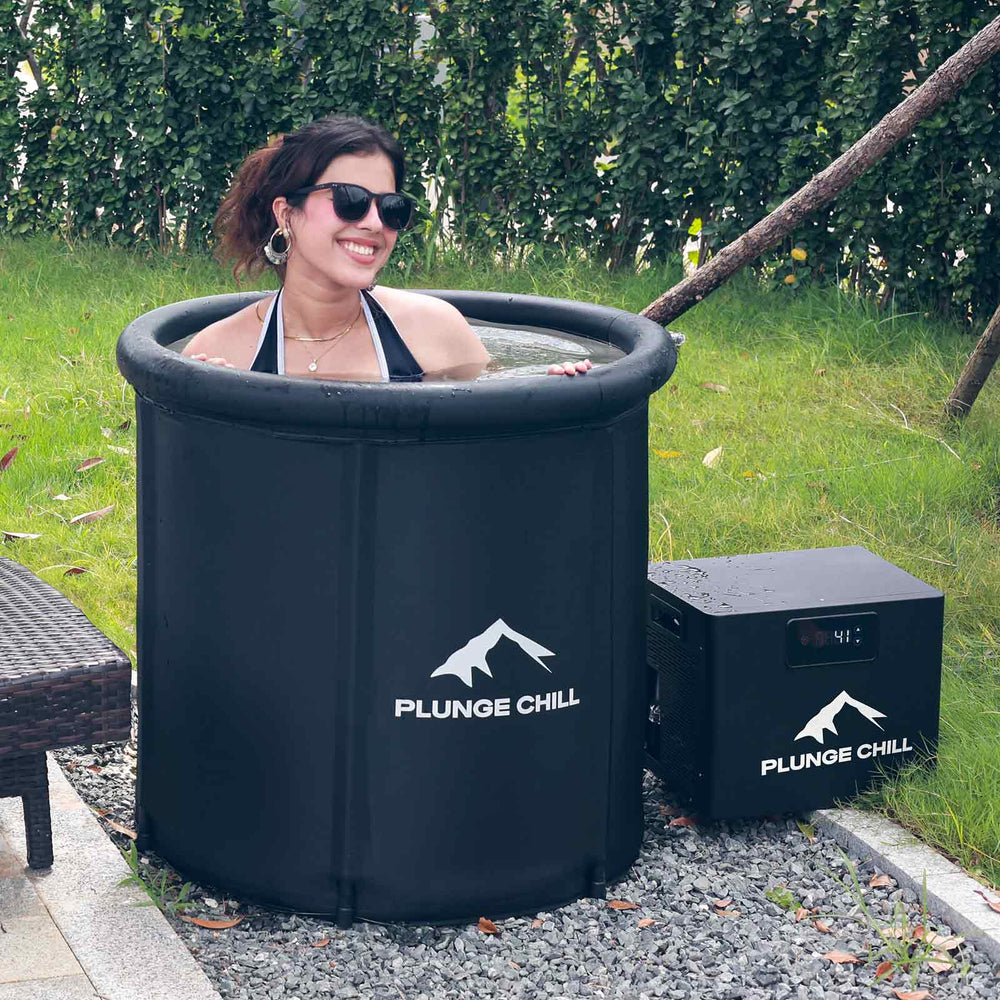
As a sports rehabilitation specialist, strength coach, and cold‑plunge product reviewer, I work with athletes who train hard during the week and can commit more focused recovery time only on weekends. This guide translates the research on cold‑water immersion into a practical, weekend‑friendly routine that supports soreness relief, resilience, and training continuity without undermining long‑term performance goals. I will define the benefits and limits, show how to dose your plunges, flag key risks, and share clinician‑level buying and care tips for home tanks.
What Cold Plunging Does—and What It Doesn’t
Cold‑water immersion, often called a cold plunge or ice bath, is brief submersion in cold water to induce rapid vasoconstriction, reduce perceived soreness, and modulate fatigue. In the clinic and weight room, I see it help athletes feel ready for the next bout, especially after endurance or mixed‑modal training blocks. Mechanistically, cold narrows blood vessels, slows nerve conduction, and reduces tissue temperature; upon rewarming, blood flow rebounds and many athletes report relief and mental clarity. This basic picture—cold followed by rewarm—aligns with sports medicine explanations from Cleveland Clinic and Mayo Clinic Health System.
The most comprehensive look at outcomes comes from a recent meta‑analysis of randomized trials on PubMed Central. In that analysis, cold immersion reliably reduced immediate post‑exercise soreness and perceived fatigue, and lowered creatine kinase at 24 hours, but it did not produce consistent performance gains beyond the acute window. Some jump performance findings improved at 24 hours in certain conditions, but effects were heterogeneous and not uniformly significant. In practice, that means plunging can make you feel better and may reduce muscle damage markers a day later, but don’t expect it to guarantee objective power or speed improvements once the initial window closes.
There is also a meaningful training caveat. Multiple reviews and clinical sources, including Sports Medicine meta‑analyses summarized by Ohio State University and One Peloton’s research explainer, note that frequent cold immersion immediately after resistance training can blunt the cellular signaling that drives muscle growth and strength over time. For lifters prioritizing hypertrophy or maximal strength, it’s best to schedule cold immersion away from lifting sessions or delay it by a day when possible. For endurance athletes or mixed‑sport competitors juggling back‑to‑back efforts, the trade‑off can be different; short‑term readiness sometimes matters more than long‑term hypertrophy, and cold can be helpful between sessions.

A Weekend‑Only Recovery Plan That Works
The goal is to place short, strategic plunges where they reduce soreness and maintain training continuity while minimizing interference with strength adaptations. Here is a simple template I use with recreational and competitive athletes who do most of their recovery work Friday through Sunday. Times are suggestions; you can adjust based on your training schedule and tolerance.
Friday Evening: Reset Without Blunting Lifting Gains
If Friday is a lift day and hypertrophy matters, avoid plunging immediately after. Opt for mobility, light cycling, and quality sleep. If Friday is a conditioning or endurance day, a quick plunge in the early evening at moderate cold can reduce soreness and help you feel fresher Saturday morning. Cleveland Clinic guidance favors brief exposures and cautions against going too cold at the outset; beginners often do well with just a few minutes around the low‑50s°F.
Saturday Late Morning: Post‑Session Relief After Your Long Run or Metcon
For many, Saturday hosts the longest session of the week. When soreness management and next‑day functionality are the priorities, cold immersion immediately after training is where research shows the clearest benefit for perceived soreness and fatigue. In the clinic, I keep the dose modest: a few minutes in the 50–59°F range, then an unhurried rewarm with movement, layers, and a warm beverage. If you plan to perform again within a few hours, consider the short section below on how very near‑term performance might respond better to hot water immersion in some settings.
Saturday Evening: Gentle Rewarm and Sleep
Cold exposure close to bedtime can be too stimulating for some. If you plunge on Saturday, finish at least a few hours before sleep and prioritize a gradual rewarm. Several athletes report better sleep when cold plunging earlier in the day, a pattern noted by Cleveland Clinic, likely because cold acutely elevates sympathetic drive before the parasympathetic rebound.
Sunday Midday: Contrast or Moderate Cold to Close the Weekend
If Sunday is for recovery, a moderate dose of cold followed by a sauna or a warm bath brings a satisfying sense of closure without overdoing it. Contrast can shift fluids and ease perceived stiffness. In my experience, a shorter cold bout at moderate temperatures, followed by heat exposure and a light walk, lands well and sets up Monday readiness. Breakthrough physical therapy guidance emphasizes progressive exposure, clean rewarming, and hygiene—sensible guardrails to keep in mind as you close the weekend.
Weekly Frequency and Placement
Two to four sessions per week is a common starting point cited in clinical sources. On a weekend‑only schedule, that can mean a short plunge Friday and Saturday, with optional Sunday contrast, or just Saturday and Sunday if you prefer less exposure. Lifters seeking muscle gain should keep cold away from post‑lift windows and instead place plunges after conditioning or on rest days. Endurance athletes with back‑to‑back efforts may prefer an immediate post‑session plunge to temper soreness and maintain output.
Dosing Guide for Part‑Time Users
Clinical and research recommendations vary because protocols differ across studies and athlete populations. Cleveland Clinic emphasizes conservative, brief exposure for novices, typically a few minutes, with caution below 40°F. Mayo Clinic Health System suggests building from 30–60 seconds up to several minutes while warning that daily post‑training plunges may compromise long‑term performance adaptations. Ohio State University highlights longer immersions in the 50–59°F range in some endurance contexts. To reconcile these for weekend users, I bias dosing toward the lower end on time and the moderate end on temperature, especially when recovery, safety, and long‑term training quality are the goals.
Experience Level |
Water Temperature (°F) |
Time per Bout |
Bouts per Session |
Practical Notes and Anchors |
New to cold |
53–59 |
1–3 minutes |
1 |
Keep it brief and tolerable; Cleveland Clinic and Temple Health favor short exposures and gradual progression. |
Comfortable and consistent |
50–55 |
3–5 minutes |
1–2 |
Effective for soreness relief on weekends without excessive sympathetic load; aligns with Cleveland Clinic’s upper time bound. |
Advanced and well‑screened |
45–50 |
Up to 10 minutes |
1 |
Longer exposures are not always better; Mayo Clinic Health System cautions against daily post‑training use if adaptations matter. |
Overlooked insight from University of Delaware research summaries is that moderate cold can outperform very cold for functional recovery. In a controlled study, around 59°F supported faster rebound in jump performance and quicker normalization of creatine kinase compared to about 41°F, suggesting “colder” is not automatically “better” when the target is next‑day function rather than immediate numbing. That is consistent with what I observe in athletes who respond well to the low‑50s°F on weekends while avoiding the stress of near‑freezing water.
Customizing by Goal
Cold immersion is a tool. Your ideal protocol depends on what you need most from it.
If Muscle Growth and Strength Are Your Priority
Avoid plunging in the hours immediately after lifting, especially after high‑effort sets close to failure. Sports Medicine meta‑analyses summarized by Ohio State University and One Peloton’s research explainer report modest but meaningful reductions in long‑term strength and muscle mass when cold immersion is habitually paired with resistance training. Schedule cold on rest days or after low‑intensity conditioning, or separate it from lifting by at least a day. If you must use cold post‑lift during congested schedules, keep exposures short and moderately cold rather than extreme.
If You Need To Be Ready Again Tomorrow
The PubMed Central meta‑analysis shows the strongest evidence for immediate reductions in soreness and perceived fatigue, with some biochemical markers improved at 24 hours. For tournament play, weekend doubles, or long runs followed by Sunday speed work, a well‑dosed cold plunge right after the Saturday session is a pragmatic move. When the turnaround is only a few hours, consider a surprising nuance: a recent report from the American Physiological Society suggests hot‑water immersion may preserve short‑term muscle power better than cold, while cold remains preferable for inflammation and fatigue.
If You Train in Heat
Pre‑cooling before a hot session can lower core temperature and improve tolerance. Evidence collated by performance writers citing BMC Medicine and the European Journal of Sport Science indicates cold immersion before exercise in heat can outperform ice slushie ingestion. In real‑world terms, a short pre‑cool around the mid‑50s°F can make summer long runs or hot‑yoga‑adjacent conditioning more manageable without the same blunting risk to strength adaptations that arises post‑lift.
If You Want the “Recovery Feel” Without Harsh Cold
Hydrostatic pressure from immersion shifts fluid centrally, increases cardiac preload, and may aid metabolite clearance even when the water is not extremely cold, as described in sports science reviews and summarized by Science for Sport. Very cold water can reduce heart rate and cardiac output, potentially counteracting some hydrostatic benefits; in those cases, cool‑to‑thermoneutral immersion may suffice for a general recovery feel on Sunday without provoking cold stress.
Safety, Contraindications, and Rewarming Protocol
Cold shock is real. Screen your health status, progress gradually, and build a thoughtful rewarming plan. Cleveland Clinic and Mayo Clinic Health System warn that cold immersion can spike blood pressure and breathing, and may be risky for people with cardiovascular disease, uncontrolled hypertension, diabetes, peripheral neuropathy, Raynaud’s, poor circulation, or similar conditions. Breakthrough physical therapy guidance adds pregnancy to the list of scenarios where medical clearance is appropriate. Enter sober, keep your head above water unless supervised, and never plunge alone in natural bodies of water with currents. Measure the water temperature, set a time cap before you start, and exit if pain, numbness, or dizziness escalates. After exiting, dry off, dress in layers, and rewarm with easy movement rather than scalding hot water immediately.
If you combine cold with sauna, allow a few minutes between exposures, keep hydration steady, and avoid racing through extremes. Many athletes find sauna for 15–30 minutes after a brief plunge to be both comfortable and stabilizing, a pattern noted by Cleveland Clinic.

A Weekend Template You Can Put On the Calendar
The following schedule puts best‑evidence dosing into a part‑time rhythm that respects strength adaptation windows and emphasizes safety. Adjust the times and doses to your sport and level.
Day and Time |
Goal |
Dose |
Notes and Rationale |
Friday early evening |
Reset without blunting post‑lift adaptations |
Skip cold after heavy lifting; use mobility and light flush |
Strength and hypertrophy priorities benefit from avoiding post‑lift cold; use cold only if Friday was endurance. |
Saturday late morning, post‑session |
Soreness relief and next‑day readiness |
50–55°F for 3–5 minutes; single bout |
Aligns with evidence for immediate soreness relief and CK reduction at 24 hours; moderate cold balances efficacy and tolerance. |
Saturday afternoon or evening |
Rewarm and stabilize |
Gentle rewarm, optional sauna 15–30 minutes |
Avoid plunging close to bedtime if it disrupts sleep; Cleveland Clinic notes some sleep benefits when plunging earlier. |
Sunday midday |
Contrast or moderate cold before the week |
53–59°F for 1–3 minutes, then heat; single pass |
A lighter dose plus heat provides recovery feel without overdoing cold before Monday training. |
Pros, Cons, and Where Sources Disagree
Across clinical and coaching contexts, the most dependable benefit of cold immersion is acute relief of soreness and perceived fatigue. Many athletes also report a mental lift and increased alertness, phenomena which may relate to catecholamine spikes described by Cleveland Clinic and general neurohormonal discussions in wellness literature. These outcomes help sustain training frequency and adherence, particularly on busy weeks.
The trade‑offs center on timing and dosage. Frequent cold exposure immediately after strength training can dampen long‑term strength and hypertrophy. Objective performance effects are inconsistent beyond the acute window, as reflected in the mixed findings of meta‑analyses. Disagreement in the literature often traces back to different control conditions, athlete populations, and dosing parameters. Studies comparing direct performance soon after immersion sometimes show colder conditions impair near‑term power relative to hot water or passive control, whereas biomarkers and soreness measures favor cold over the next day. Short‑term analgesia can therefore coexist with neutral or even negative effects on immediate power, which is why tailoring to your goal is indispensable.
An overlooked nuance that many guides miss is temperature selection. A University of Delaware summary noted that moderate cold around the upper‑40s to upper‑50s°F may deliver better next‑day functional outcomes than near‑freezing water. In my practice, that translates to athletes feeling and performing better with tolerable cold and controlled exposures rather than chasing the coldest possible plunge. Another under‑appreciated point is that some recovery benefits come from immersion itself via hydrostatic pressure; this means that on a rest‑oriented Sunday you may not need the coldest water to feel recovered.
Product Buying Advice for Weekend Users
As a product reviewer, I evaluate tanks and chillers on how well they fit real life. For weekend use, look for efficient chilling, sanitation that you can maintain, and a footprint and noise profile that fit your home.
Feature |
Why It Matters |
Weekend‑Focused Target |
Chiller capacity |
Faster pull‑down from room temp to mid‑50s°F |
A unit capable of maintaining about 50–55°F reliably without constant ice runs |
Filtration and sanitation |
Clear water and low pathogen load |
Integrated filter plus UV or ozone reduces manual care burden |
Insulation and cover |
Temperature stability and safety |
Insulated tub with tight cover to hold temperature between sessions |
Drainage and cleaning access |
Quick water changes |
Bottom drain with hose connection and easy interior wipe‑down surfaces |
Noise and footprint |
Apartment and household fit |
Low‑noise chiller under typical conversation level and footprint that suits your space |
Controls and scheduling |
Convenience on Fridays and weekends |
Digital thermostat and optional timer to pre‑chill before sessions |
Cost |
Value for use frequency |
Options range widely; fully featured tanks can cost up to $20,000.00 according to Mayo Clinic Health System, but many weekend users do well with mid‑range chillers or sturdy portable tubs plus ice initially |
Care basics are straightforward but non‑negotiable. Keep the tub clean, manage sanitizer levels if your system uses them, and rinse off before entry to reduce contamination. Replace filters on the manufacturer’s schedule and wipe surfaces dry after deeper cleans to limit biofilm. If you share the tub, keep a visible maintenance log. Inferences on exact cleaning intervals vary by model and use.
Practical Setup and Use Tips From the Clinic
I coach every new plunger through the same sequence. Get a reliable thermometer and confirm the water temperature before you step in. Decide your maximum time before you begin and set a timer you can hear. Enter with a long exhale, maintain slow nasal or pursed‑lip breathing, and keep your shoulders and upper back under if your goal includes systemic recovery; if you are anxious, start with legs only and progress over sessions. If your hands and feet are your limiting factor, consider neoprene booties or gloves while you build tolerance. On exit, towel briskly, layer up, and move gently for several minutes; standing still wrapped in a blanket can actually make you feel colder.
I advise against cold plunging alone outdoors, after alcohol, or immediately following a large meal. Natural waterways introduce additional hazards, including currents and unpredictable temperatures. When in doubt, bring a training partner and keep a warm room and dry clothes within steps of the tub.
Frequently Asked Questions
How cold is “cold enough” for a weekend plunge?
For most weekend users, the low‑to‑mid‑50s°F is cold enough to deliver perceived soreness relief and a satisfying mental lift. Cleveland Clinic favors starting near the upper‑50s°F and working down carefully. The University of Delaware summary suggests functional recovery can be better at about 59°F than at near‑freezing temperatures, and my coaching practice mirrors that. You can go colder later, but colder is not automatically better.
How many plunges should I do per weekend?
Two short sessions—one on Saturday after your key workout and another light dose with contrast on Sunday—fit most schedules. Clinical sources commonly recommend two to four sessions per week when starting out. If hypertrophy is a priority, avoid plunging right after lifting and place your cold exposure on non‑lifting days instead.
Will cold plunging make me stronger or faster?
Cold plunging reliably reduces immediate soreness and perceived fatigue and can improve certain damage markers at 24 hours, which helps you keep training on schedule. It does not consistently boost objective performance beyond that acute window, and frequent post‑lift cold can blunt strength and hypertrophy over time according to Sports Medicine meta‑analyses summarized by Ohio State University. Use cold strategically to support consistency rather than as a primary performance enhancer.
Is a cold shower good enough?
Cold showers can help with alertness and offer a gentle on‑ramp, and Cleveland Clinic and Breakthrough physical therapy resources list them as practical alternatives. Immersion provides more uniform cooling and hydrostatic effects, which is why athletes often prefer tubs for recovery. If you only have access to a shower, finish cool and monitor how you feel the next day.
Does cold exposure burn fat?
There is interest in cold activating brown fat and increasing caloric burn during rewarming, as noted by Ohio State University. The effect size in real‑world training remains uncertain and should not be a primary reason to plunge.
Should I use hot water instead of cold between same‑day events?
Some conference data reported by the American Physiological Society suggest hot‑water immersion preserved short‑term power better than cold in a small athletic sample, though next‑morning capacity did not differ and muscle‑damage markers were similar. Use hot if power within a few hours is your priority and cold if soreness and inflammation are the main concerns.
Takeaway
A cold plunge can be a powerful weekend tool when your aim is to feel less sore, restore readiness, and keep training on track. The evidence is strongest for immediate relief of soreness and perceived fatigue, with limited and mixed effects on objective performance beyond the acute window. The most important decisions are about timing and dose. Keep exposures short and tolerable, favor moderate cold over near‑freezing, and schedule plunges away from heavy lifting sessions if muscle growth is a key goal. Respect cold shock, know your contraindications, and rewarm intelligently. On the buying front, prioritize reliable chilling to the low‑50s°F, straightforward sanitation, insulation, and a footprint that fits your home. Done this way, a part‑time weekend routine can deliver most of the practical benefits of cold immersion without paying a performance tax when Monday training begins.
Conflicts and gaps in the literature are not bugs; they reflect different definitions, athlete populations, control conditions, and dosing. Cleveland Clinic and Mayo Clinic Health System emphasize safety and moderation, PubMed Central meta‑analysis outlines short‑term benefits and limits, Ohio State University highlights the hypertrophy trade‑off, and Science for Sport reminds us that hydrostatic pressure and tolerability matter as much as temperature. Use those anchors to tailor your weekend routine, and you will get the best of what cold plunging offers with the fewest downsides.
References
- https://digitalcommons.cedarville.edu/cgi/viewcontent.cgi?filename=1&article=1539&context=research_scholarship_symposium&type=additional
- https://www.clinicaltrials.gov/study/NCT06630637?term=APPLE%20FRUIT%20OIL&rank=7
- https://www.mcphs.edu/news/physical-therapist-explains-why-you-should-chill-out-on-ice-baths
- https://digitalcommons.pcom.edu/cgi/viewcontent.cgi?article=1556&context=pa_systematic_reviews
- https://ideaexchange.uakron.edu/cgi/viewcontent.cgi?article=3606&context=honors_research_projects
- https://digitalrepository.unm.edu/cgi/viewcontent.cgi?article=1169&context=educ_hess_etds
- https://sncs-prod-external.mayo.edu/hometown-health/speaking-of-health/cold-plunge-after-workouts
- https://pmc.ncbi.nlm.nih.gov/articles/PMC2938508/
- https://health.osu.edu/wellness/exercise-and-nutrition/do-ice-baths-help-workout-recovery
- https://ww2.jacksonms.gov/browse/Lz55em/1OK023/cold_therapy_for-neck_pain.pdf