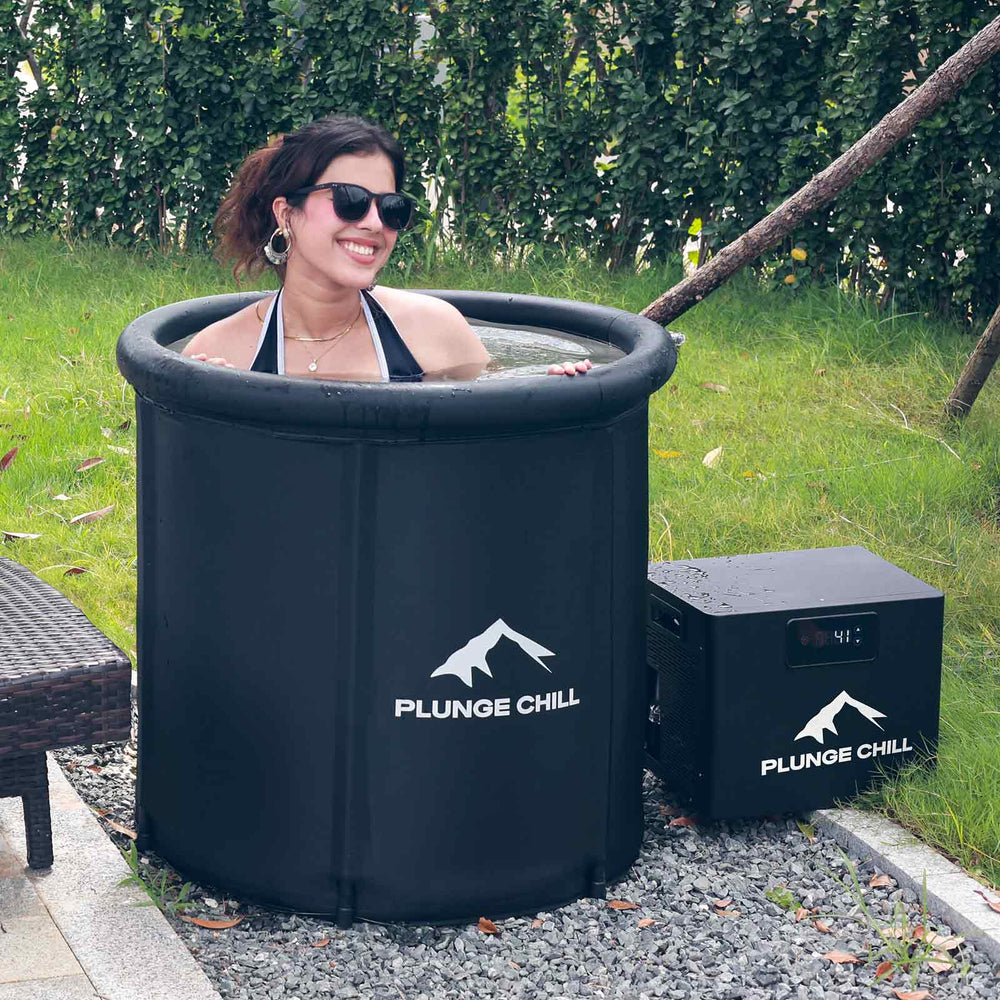
As a sports rehabilitation specialist and strength coach who also reviews cold-plunge hardware for teams and home users, I lean on two pillars when guiding athletes and everyday clients through cold exposure: physiology and proof. Cold feels powerful because it is. It clamps down peripheral blood flow within seconds, quiets pain signals, and creates a surge of stress hormones that can focus the mind. Those same effects can be healing in one context and counterproductive in another. The art is using cold to reduce swelling and discomfort without sabotaging the very adaptation that makes you stronger.
This guide distills what the best available evidence shows about cold plunges for inflammation and swelling, where the data are thin or mixed, and how to set up a safe, effective routine. I will also translate that science into concrete, real-world protocols and buying advice so you can make smart decisions whether you rely on a bathtub, an insulated tank with a chiller, or simply a cold shower.
What “Inflammation” and “Swelling” Actually Mean
Inflammation is the orchestrated immune response that repairs tissues after stress or injury. Swelling is edema, the fluid accumulation you see and feel. These are related but distinct. Cold water is very good at reducing swelling because it causes vasoconstriction that lowers perfusion and hydrostatic filtration into tissues. It is less clear that cold directly suppresses the intracellular inflammatory signaling inside muscle after exercise. Two human trials published on PubMed Central compared cold water immersion after resistance training to low-intensity active recovery and found no meaningful reduction in muscle inflammatory markers with cold compared with active recovery. Those studies reported increased inflammatory cells and cytokine mRNA after exercise regardless of condition, suggesting the analgesic relief many people feel from cold is primarily temperature and nociception driven rather than a shutdown of muscle cytokine signaling.
This distinction matters in practice. If you twist an ankle and need to take the edge off pain and limit rapid fluid accumulation, targeted cooling can help you function while you begin gentle movement and compression. If you just lifted heavy and your long-term goal is more muscle and strength, routinely plunging immediately after training may reduce the anabolic signaling you want, even if you feel less sore in the short term. That trade-off has been observed across controlled studies summarized by Ohio State University Health and Mayo Clinic Press.
How Cold Plunges Work
The moment cold water hits your skin, the cold shock response spikes breathing and heart rate and tightens peripheral vessels, shunting blood centrally. Case Western Reserve University describes this well and notes that hyperventilation can last minutes in unacclimated users. The immediate vascular changes limit edema and can dampen pain transmission, which is why cold has long been used as an analgesic. As you rewarm, vasodilation returns blood flow, and many users report a flush of well-being, likely driven by catecholamines and dopamine, as described by Cleveland Clinic and Harvard Health.
Metabolically, shivering is “accidental exercise.” It raises energy expenditure and improves transient glucose uptake into muscle. Laboratory and review papers cited by University of Utah Health and Case Western discuss brown adipose tissue activation and short-term increases in metabolic rate, but sustained weight or fat-mass changes are not consistent across human studies. That makes cold a promising adjunct for glycemic control and calorie burn in the moment, not a fat-loss plan by itself.

What the Evidence Says Right Now
Short-term relief and objective markers
A recent PLOS One meta-analysis of randomized trials in healthy adults concluded that cold exposure’s effects are time dependent. It found reductions in stress felt by participants around 12 hours after immersion, not immediately, and highlighted considerable heterogeneity in protocols. A separate synthesis on PubMed Central focusing on post-exercise outcomes reported that cold water immersion often reduces delayed-onset muscle soreness right away, lowers perceived exertion immediately, and can reduce creatine kinase at 24 hours and lactate later in recovery windows. At the same time, those analyses often found no consistent changes in C‑reactive protein or interleukin-6. The take-home is straightforward: expect less soreness and a subjective sense of recovery soon after a plunge, along with some biochemical hints of reduced muscle disruption, but do not expect broad anti-inflammatory effects at the whole-body marker level in the hours after a typical session.
An overlooked nuance is immersion depth. In pooled analyses, outcomes like soreness and jump performance did not differ meaningfully when cold water was taken to different body landmarks once the overall dose was matched. That suggests dose and timing matter more than exact depth for many recovery outcomes. This finding comes from meta-analytic subgroup work on PubMed Central and is easy to miss when protocols are described by “shoulder-deep” or “navel-deep” rather than temperature, duration, and scheduling.
Long-term training adaptations
Across studies summarized by Ohio State University Health and Mayo Clinic Press, the consistent signal is that frequent, immediate post-lift plunges can blunt hypertrophy and strength over weeks to months. Mechanistic research published on PubMed Central indicates this is unlikely to be driven by decreased intramuscular inflammatory signaling; rather, it may relate to dampened mTORC1-dependent protein synthesis and ribosome biogenesis, processes that are sensitive to tissue temperature and perfusion. For lifters, a simple rule protects adaptation while preserving the perceived recovery benefit: separate cold from lifting by at least 24 to 48 hours, or reserve it for competition blocks and congested schedules when performance tomorrow matters more than adaptation next month. Endurance training appears less affected by post-session cold, which aligns with the different drivers of endurance adaptation.
Mood, sleep, and immunity
Harvard Health and Mayo Clinic Press both note a scattershot evidence base for mental health and immunity. An often-cited pragmatic trial of cold showers found fewer sick days without tracking immune markers, while the PLOS One synthesis reported delayed reductions in perceived stress and mixed results for mood, with some sex-specific differences in sleep. The most likely explanation is that sympathetic arousal and repeated, tolerable stress exposures enhance perception of resilience and energy more reliably than they move core immune biology in measurable ways across the general population. For planning, that means enjoy the mental lift and better sleep some users report, but treat those benefits as icing rather than a given.
Cardiovascular safety and medication considerations
Cold is a cardiovascular stressor. It raises blood pressure acutely, can trigger arrhythmias in susceptible people, and creates an involuntary gasp and breathing disorganization that increase drowning risk in the first seconds of immersion. Cleveland Clinic, Harvard Health, and Case Western all emphasize caution for those with heart disease, uncontrolled hypertension, prior stroke, or poor circulation. Beta blockers and other medications that modify catecholamine responses may blunt acclimation to the cold shock and complicate safety, a point highlighted by Case Western. In my clinics and team settings, we always screen for cardiovascular risk, keep sessions supervised, and ensure a simple airway-first entry routine that avoids submerging the face on the first breath.
Using Cold to Reduce Swelling Without Sacrificing Gains
When the priority is de-puffing an ankle, knee, or forearm after acute strain, think locally, briefly, and in combination with movement and compression rather than relying on cold to “drive out inflammation.” Parker University’s clinical commentary on icing underscores that prolonged icing can impede the normal phases of tissue healing and that the lymphatic system clears swelling best when muscles contract. In practice, a few minutes of targeted cooling to manage pain, followed by gentle, pain-free muscle pumping and compression, is often superior to long blocks of numbing cold.
For whole-body soreness after high-volume training, a short plunge can reduce perceived discomfort and help you move more easily through the day, which itself supports recovery. If your training goal is hypertrophy, delay that plunge until the next morning or your off day. If you are peaking for a tournament or stacked races, using cold between events can help you feel and function better with minimal downside.
Practical protocols that map to goals
The cleanest results in both labs and locker rooms occur when you define water temperature, time, timing relative to training, and the number of sessions per week. The ranges below synthesize guidance from Cleveland Clinic, Ohio State University Health, Mayo Clinic Health System, and the trial synthesis noted earlier. Differences between institutions often reflect different water temperatures, populations, and goals, which explains why a five-minute cap from one clinic can coexist with ten to twenty minutes in another when the water is warmer and the objective is cooling rather than analgesia.
Goal |
Water temperature (°F) |
Single-session time |
When to use |
Weekly frequency |
Limit swelling and pain after a minor acute flare |
50–59 |
3–8 minutes total, broken into short bouts if needed |
Soon after onset, then transition to gentle movement and compression |
As needed for pain control in first 24–48 hours |
Ease whole-body soreness without blunting muscle gains |
50–59 |
3–5 minutes |
Morning after lifting or on rest days |
One to three sessions |
Turnaround between events in heat or tournaments |
50–59 if available; cooler only if you are acclimated |
5–10 minutes |
Immediately post-event to normalize core temperature and soreness |
Event-dependent |
General mood and stress management |
Typical home cold tap around 55 depending on region |
30–90 seconds to finish a shower |
Non-training days or mornings |
Three to five finishes |
These doses assume you are generally healthy. If you are experienced with very cold water, you can use 39–50 with shorter exposures and more conservative entry. If you are new to cold, start warmer and shorter, and progress consistency before intensity.
A small but practical insight that rarely makes it into consumer guides is how you rewarm. University of Utah Health discusses letting your body rewarm naturally to allow shivering and post-immersion thermogenesis to play out, which could modestly increase calorie burn compared with jumping immediately into high heat. A reasonable way to verify for yourself is to track core temperature with a skin thermistor and heart rate over a few sessions while comparing natural rewarming with immediate sauna use.
Another overlooked nuance is that plunges colder than 50 are not obviously better for swelling control if your goal is simply to vasoconstrict and reduce perceived pain for a few minutes. At typical home cold tap temperatures around 55, you can achieve those effects safely and consistently, which is why many clinics begin there. To verify, compare perceived pain relief and circumference change across matched-duration exposures at 55 and 45 using a flexible tape and a 0–10 pain scale at entry, exit, and 15 minutes later.

Cold Showers, Plunges, or Cryotherapy: Which Fits Inflammation Goals?
Cold showers are accessible and safer while still delivering a robust peripheral stimulus. Cleveland Clinic recommends beginners start with one to three minutes and cap total exposure at five minutes, and many people find finishing a warm shower with 30 to 90 seconds of cold a manageable daily practice. Cold plunges deliver stronger hydrostatic pressure and more uniform cooling, which is helpful when whole-body soreness is the target. Whole-body cryotherapy uses extremely cold air, often around minus 200, for very short bouts. It cools skin rapidly but is not the same as conductive cooling in water and requires strict safety protocols. The general recovery literature suggests cold water immersion is the more studied option for soreness and swelling control.
Modality |
Typical temperature (°F) |
What it does best |
What to watch |
Cold shower finish |
Around 55 for many home systems |
Accessible sympathetic stimulus, perceived energy, light analgesia |
Less uniform tissue cooling, easier to overbreathe if you rush |
Cold plunge immersion |
50–59 for most users, 39–50 for experienced |
Stronger edema control and analgesia, reliable cooling after heat stress |
Greater cold shock, higher cardiovascular load, respect time and entry |
Whole-body cryotherapy |
Approximately minus 200 air exposure |
Rapid skin cooling and arousal, minimal setup at a facility |
Limited evidence for edema, facility quality and screening are critical |
Safety First: Who Should and Should Not Plunge
If you have heart disease, a history of arrhythmia, uncontrolled high blood pressure, peripheral artery disease, Raynaud’s, significant neuropathy, or you are pregnant, speak with your physician before attempting cold exposure. Harvard Health and Cleveland Clinic both underline the risk of arrhythmias and the cold shock gasp response in unacclimated users. Never plunge alone or under the influence. Enter slowly with your mouth above water to avoid an involuntary gasp underwater. Keep a towel and warm clothing nearby, and rewarm with light movement and layers rather than immediately sprinting into scalding heat if you feel lightheaded. If you take beta blockers or medications that alter adrenergic response, extra caution and medical guidance are essential because those drugs can blunt normal cold-acclimation patterns described by Case Western Reserve University.
Product Selection and Water Care: Practical Buying Tips
As a reviewer, I evaluate plunge hardware the same way I judge a training tool: by reliability, controllability, and hygiene. You can achieve excellent results with a standard tub and ice, but a dedicated unit makes adherence easier and water quality far better if you use it often.
Start by clarifying where the unit will live. Indoor placement prioritizes noise and drip management; outdoor placement adds insulation and cover needs. A reliable chiller should hold a steady setpoint in your climate without constant cycling. Insulation and a well-fitted lid reduce temperature drift and electricity use. A simple, serviceable filtration loop with a filter you can change without spilling water will make weekly upkeep realistic. For sanitation, basic filtration with either ozone or UV support plus periodic manual shock keeps water clear; I prefer designs that let you drain and refill quickly if you skip a week of maintenance. Hose bibbs or low drains matter more than you think when the weather turns. Unit size and ergonomics should fit your body so you can sit with knees slightly bent without floating excessively. Cover fit matters for safety and cleanliness.
Cleveland Clinic and Mayo Clinic Health System both note that high-end plunge tanks with integrated chillers and sanitation can run into the thousands of dollars, with premium units reported up to $20,000. Budget options that combine an inflatable tub with ice or a small portable chiller can work if you are willing to manage ice and water turnover. For many users, the consistency and hygiene of a midrange insulated tank with a reliable chiller and basic filtration is the sweet spot.
In cold months, remember that most residential cold taps will already deliver water around the mid-50s, as Case Western Reserve University notes for typical systems, which means you can get started without any hardware at all. That fact alone should steer you away from overbuying on day one.

Real-World Scheduling That Preserves Gains
For lifters in a muscle-building block, the winning pattern is to keep cold away from the immediate post-lift window. If you train in the afternoon, consider a three-minute plunge the next morning at 50–59 for general soreness relief, then shower and rewarm naturally with a light walk. On weekends off, a five-minute plunge can serve as a stress-management tool without interfering with training signals. If you are an endurance athlete peaking for a hot race weekend, use a five to ten minute plunge at moderate cold immediately after your session to normalize core temperature and reduce perceived soreness. On tournament days with multiple games, reserve brief plunges for the tightest turnarounds and keep rewarming simple with towels and easy movement.
Overlooked Insights and How to Reconcile Conflicting Advice
You will see conflicting prescriptions. Cleveland Clinic suggests beginners cap total time at about five minutes, while Ohio State University Health references ten to twenty minutes in 50–59 water. These are not mutually exclusive. One protocol prioritizes conservative dosing and minimizes cold shock in new users, while the other references longer exposures at warmer cold temperatures that focus on cooling and comfort. Population differences also matter because many studies recruited young, healthy men, which limits generalization.
Another gap is the assumption that cold always “reduces inflammation.” PubMed Central trials show intramuscular inflammatory markers after resistance exercise do not differ meaningfully between cold and active recovery. That discrepancy is likely driven by different definitions. Many consumer articles use “inflammation” as shorthand for soreness and swelling, whereas the trials measured cellular signaling and mRNA. When we separate edema control from intracellular repair signals, the field’s mixed messages make more sense and day-to-day decisions become clearer.
Finally, University of Utah Health notes that natural rewarming may increase post-immersion calorie burn by allowing shivering and thermogenesis to proceed. The likely effect size is modest and heavily influenced by ambient conditions. If this matters to you, use a wearable thermistor and a heart-rate log for a few weeks to see whether you notice a consistent difference in energy expenditure or comfort with different rewarming strategies.

Takeaway
Cold plunges are a useful tool for reducing swelling and perceived soreness and for turning down pain in the short term. The strongest evidence supports acute analgesia and subjective recovery rather than wholesale suppression of inflammatory signaling. If your goal is to preserve muscle and strength gains, avoid frequent immediate post-lift plunges and instead use cold on rest days or the morning after. If you are managing back-to-back efforts, cold can help you function better tomorrow. Keep temperatures in the 50–59 range unless you are experienced, favor short, consistent exposures, and prioritize safety and water hygiene. Most importantly, use cold to complement, not replace, fundamentals like sleep, nutrition, progressive training, and smart rehab.
FAQ
Is a colder plunge always better for swelling?
Not necessarily. For edema control and analgesia, moderate cold around 50–59 provides strong vasoconstriction without excessive shock in most users, and you can achieve reliable results there. Extremely cold water demands shorter exposures and greater caution without a clear advantage for routine swelling control. This view aligns with clinical guidance from Cleveland Clinic and Mayo Clinic Health System and with the practical ranges used across university programs.
Will a cold plunge after lifting kill my gains?
Frequent immediate post-lift plunges can dampen hypertrophy and strength over time, as summarized by Ohio State University Health and Mayo Clinic Press and supported by longitudinal data discussed on PubMed Central. The safer approach is to separate heavy resistance sessions from cold by at least 24 to 48 hours or save plunges for rest days.
Do cold showers help, or do I need a plunge tank?
Cold showers are a legitimate on-ramp. Finishing your normal shower with 30 to 90 seconds of cold delivers a meaningful sympathetic stimulus and some analgesia at an accessible dose. For more uniform and stronger cooling, especially after heat or when whole-body soreness is high, immersion is superior. Cleveland Clinic and Harvard Health both acknowledge benefits with showers in mixed evidence landscapes.
Can cold exposure boost my immune system?
Evidence for fewer sick days exists in pragmatic cold-shower programs, but immune markers were not tracked and causation is uncertain, as noted by Mayo Clinic Press and PLOS One. Treat immune benefits as possible but unproven and continue to prioritize sleep, nutrition, and vaccinations rather than relying on cold immersion for immune resilience.
Is whole-body cryotherapy interchangeable with cold water?
They are different stimuli. Cryotherapy uses extremely cold air for very brief exposures and cools skin rapidly without the conductive load of water. Cold water immersion is better studied for soreness and swelling and delivers more uniform, deeper tissue cooling via conduction and hydrostatic pressure. Choose based on your goals, access, and medical screening.
How much should I spend on a cold-plunge setup?
Start with what you will actually use. A bathtub and cold tap can reach the mid-50s in many homes and cost nothing beyond water. Midrange insulated tanks with reliable chillers and basic filtration make regular practice easy. High-end units can exceed $20,000, according to Mayo Clinic Health System, but price does not substitute for adherence, sanitation, and safe protocols.
References
- https://case.edu/news/science-behind-ice-baths-and-polar-plunges-are-they-truly-beneficial
- https://cupola.gettysburg.edu/cgi/viewcontent.cgi?article=2078&context=student_scholarship
- https://www.health.harvard.edu/heart-health/cold-plunges-healthy-or-harmful-for-your-heart
- https://journal.parker.edu/article/120141-the-efficacy-of-icing-for-injuries-and-recovery-a-clinical-commentary
- https://sncs-prod-external.mayo.edu/hometown-health/speaking-of-health/cold-plunge-after-workouts
- https://pmc.ncbi.nlm.nih.gov/articles/PMC11872954/
- https://health.osu.edu/wellness/exercise-and-nutrition/do-ice-baths-help-workout-recovery
- https://healthcare.utah.edu/the-scope/mens-health/all/2024/04/171-cold-hard-facts-about-cold-plunging
- https://health.clevelandclinic.org/what-to-know-about-cold-plunges
- https://www.cedars-sinai.org/blog/cold-exposure-therapy.html