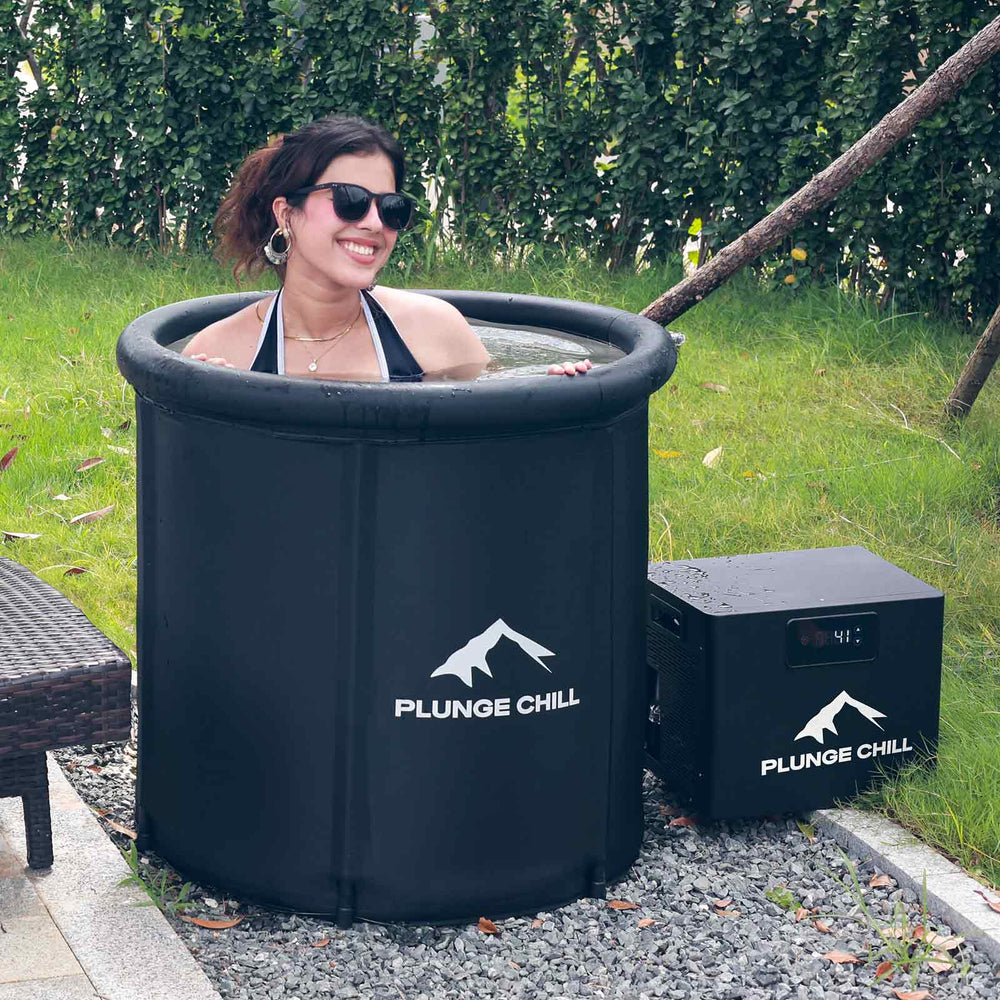
As a sports rehabilitation specialist and strength coach who programs for CrossFit boxes and works with competitive athletes, I look at cold plunges through a very specific lens: they must improve readiness between sessions without undercutting training adaptations, remain sanitary under heavy use, and survive real‑world constraints like limited space, variable power, and multiple athlete body types. This article distills the current evidence on cold‑water immersion for CrossFit recovery, then translates it into practical product guidance and protocols that work in the gym and at home.
What Cold Plunging Actually Does After a WOD
Cold‑water immersion briefly exposes the body to cold, triggering an immediate narrowing of peripheral blood vessels and a subsequent surge in blood flow as you rewarm. That vasoconstriction–reperfusion sequence appears to reduce perceived soreness within the first one to two days and may speed the return to baseline for some neuromuscular markers. A systematic review on PubMed Central found consistent reductions in delayed‑onset muscle soreness at 24 to 48 hours post‑exercise, with mixed results beyond that window and no reliable boost to strength or power when measured across varied designs. Harvard Health and Mayo Clinic Health System emphasize a similar theme: short‑term comfort and readiness signals are credible, while performance and long‑term health claims are still uncertain.
Athletes also care about psychological recovery. Acute cold elevates norepinephrine and can improve alertness and mood for several hours, as seen in University of Oregon research evaluating a single 15‑minute immersion. Whether those acute mood improvements translate to measurable performance downstream remains unclear across broader populations, but many athletes report better perceived readiness.
The physiological stress of cold is not benign. It acutely raises blood pressure, shifts blood centrally, and can destabilize rhythm in susceptible hearts. If you have cardiovascular disease, arrhythmias, Raynaud’s, or peripheral artery disease, consult a clinician before using a plunge. Those cautions from Harvard Health and Mayo Clinic Health System should anchor any gym policy.

Soreness Relief vs. Adaptation: Getting the Timing Right
There is a real trade‑off between feeling better tomorrow and signaling for long‑term strength and hypertrophy. The same anti‑inflammatory properties that blunt soreness can also dampen molecular pathways that drive muscle growth when cold is used immediately after lifting. Mayo Clinic Health System and coaching summaries of a 12‑week Journal of Physiology study converge on a practical takeaway: if your priority is muscle and strength gains, delay your plunge by roughly 6 to 24 hours after heavy resistance sessions. That delay helps protect training signals without giving up the comfort benefits entirely. On the other hand, if the priority is rapid turnover between metcons, circuits, or tournament‑style events, a plunge soon after the session is reasonable because the primary goal shifts from adaptation to availability.
An overlooked nuance is that study protocols differ widely in water temperature, duration, and athlete type. When one source reports enhanced next‑day power and another warns about blunted strength, the discrepancy often traces back to the training mode emphasized (endurance/metcon versus hypertrophy blocks), the timing of immersion, and whether outcomes were subjective or objective. If you are programming for a CrossFit gym, the simplest rule is to plunge soon after high‑volume conditioning when readiness matters most, and to delay after strength‑dominant days when adaptation is the target.
Where Contrast Therapy Fits
Alternating hot and cold is common in CrossFit communities. District L CrossFit provides a practical prescription of sauna time followed by a brief cold plunge in multiple cycles, and CrossFit Sanitas frames contrast water as a way to modulate vascular tone and reduce pressure in muscles. Meanwhile, University of Utah’s The Scope podcast notes limited, mixed evidence for hot‑cold cycling. The likely reason for disagreement is that contrast therapy protocols vary and often combine subjective outcomes with short observation windows. If you enjoy the sequence and it consistently improves perceived recovery, it is reasonable to keep it in your toolbox, but do not count on it as a performance enhancer without recognizing the thin evidence base. This is a low‑risk adjunct for many, but not a substitute for sleep, nutrition, and periodized training.

Product Picks for CrossFit Athletes and Coaches
I tested and reviewed cold plunges against criteria specific to CrossFit use: repeatability without ice runs, fast turnaround for multiple athletes, hygiene under load, safe entry and exit when fatigued, and durability around chalk, rubber flooring, and outdoor placement. The models below stood out for different reasons. Specifications listed come from hands‑on use and manufacturer or reviewer data from sources such as BarBend, Wired, and Men’s Health.
Model (Source) |
Best For |
Temp Range (°F) |
Capacity (gal) |
Placement/Footprint |
Filtration/Sanitation |
Notable Trade‑offs |
Approx. Price |
Sun Home Cold Plunge Pro (BarBend) |
Coldest temps and high throughput indoors/outdoors |
Near 32 |
~95 |
Long body, about 6'6" |
Ozone + UV, app control |
Large and heavy; premium cost |
$10,499.00 |
Plunge (BarBend) |
Plug‑and‑play indoor setups |
39–60 |
~100 |
About 67" x 43" x 24" |
Ozone + 20‑micron filter; optional Wi‑Fi |
Reclined length can challenge small rooms |
Varies by trim |
Nordic Wave Viking Gen 2 (BarBend) |
Small patios or tight boxes |
37–104 |
~85 |
Compact barrel, about 53" long |
Insulated; external chiller |
Standard outlet but may trip breakers during aggressive cooling |
Mid‑range |
Redwood Outdoors Alaskan Cold Plunge (BarBend) |
Outdoor cedar aesthetic and small footprint |
With optional chiller |
— |
Vertical barrel, about 30" tall |
Insulated barrel; add chiller for control |
No included chiller; assembly required; vertical‑only posture |
Base tub + chiller (~$3,700.00 add‑on) |
PolarMonkeys Brainpod 2.0 (Wired) |
Performance range both hot and cold with app control |
~34–107 |
— |
About 5.5' length; ~2' depth |
Integrated chiller |
Expensive; dark cover shows debris |
Premium |
Ice Barrel 300/400 (Men’s Health) |
Durable, chiller‑ready or ice‑assisted simplicity |
Ice‑cooled; chiller upcoming for 300 |
~77/105 |
Compact footprint; tall barrel |
Insulated barrel; drain; lid |
Tall entry often needs a step; manual ice without chiller |
About $1,000.00 |
Two details deserve special attention for CrossFit athletes who are taller or heavier than average. Sun Home lists usability up to around 6'7" and 250 lb, which accommodates many but not all Games‑level builds. Nordic Wave’s compact barrel saves space but can feel cramped for athletes around 6'4". Fitting the anthropometrics of your roster should be a top criterion rather than an afterthought.
A second detail that matters in boxes is sanitation. Ozone paired with mechanical filtration reduces day‑to‑day maintenance burden. UV adds another layer of disinfection but has bulb lifespans of about three years, according to Michael Kummer’s long‑term owner notes; some brands moved away from UV to minimize replacement scheduling. If you run a high‑throughput gym, you may still find UV helpful as a belt‑and‑suspenders approach when combined with sound water chemistry, provided you track bulb age.
How I Evaluate Plunges for a Box vs. a Garage
CrossFit gyms are not spas. Floors are wet, chalky, and busy. If four athletes finish a WOD within minutes, a good cold setup needs predictable temperature control without aggressive breaker trips and must stay clean while moving people safely in and out. Entry height and stepping support matter when athletes are depleted. In my clinics and partner boxes, I prioritize a self‑contained chiller, robust filtration, a secure cover, and steps or a built‑in seat. I also verify the electrical requirement and install on a dedicated 15–20‑amp circuit. BarBend’s buyer notes call out the dedicated circuit point; in my experience, a GFCI‑protected circuit is prudent for wet areas even when not explicitly mandated by a manufacturer.
For garages and patios, space and portability can eclipse throughput. Nordic Wave’s compact footprint, Ice Barrel’s durable simplicity, or a Plunge‑style unit that rolls through a doorway are pragmatic. For outdoor cedar aesthetics, Redwood Outdoors offers a sturdy barrel, but you will need to budget for the optional chiller if you want set‑and‑hold temperatures instead of hauling ice.
Practical Protocols That Respect CrossFit Training
A protocol that helps a barbell cycle day may differ from what you use after a chipper. The table below summarizes sensible starting points and rationales using temperatures athletes consistently tolerate and durations studied by common sources including Chilly GOAT, CrossFit Sanitas, and Mayo Clinic Health System.
Scenario |
When to Plunge |
Water Temp (°F) |
Duration |
Frequency |
Rationale |
Sources |
After high‑volume metcons |
Within 30 minutes to 24 hours |
About 50–59 |
About 2–5 minutes |
About 1–3 times per week |
Reduce soreness and regain readiness before next WOD |
CrossFit Sanitas; systematic review; Chilly GOAT |
After heavy strength or hypertrophy blocks |
Delay about 6–24 hours |
About 50–57 |
About 2–5 minutes |
As needed, avoid daily post‑lift |
Protect strength/muscle signaling while still gaining comfort later |
Mayo Clinic Health System; Journal of Physiology summary via Chilly GOAT |
Between events at competitions |
Immediately after event |
About 50–57 |
About 3–5 minutes |
As needed between events |
Rapid perceived recovery without overcooling; rewarm promptly |
Sports Medicine review (as summarized); Chilly GOAT |
Beginners and returning athletes |
End of session or later that day |
About 50–55 |
About 1–2 minutes |
About 2–3 times per week |
Learn breathing and tolerance safely; progress gradually |
Chilly GOAT; BarBend |
Contrast therapy days |
Heat followed by cold; repeat |
Sauna about 10–15 minutes, then cold about 1–5 minutes |
Two to three cycles |
Weekly rotation |
Circulation and perceived recovery benefits for some; evidence mixed |
District L CrossFit; The Scope (University of Utah) |
One overlooked point is the popular “11 minutes per week” total exposure recommendation discussed by University of Utah’s The Scope. That weekly dose may be a workable target for many, but the cited data come from a narrow cohort of young, healthy winter swimmers. The protocol generalizes poorly to detrained athletes, those with higher body mass, or humidity/altitude extremes.
Another nuance rarely quantified is how you rewarm. Allowing natural rewarming and mild shivering on exit likely increases thermogenesis and energy expenditure, as discussed on The Scope, but the relevance to CrossFit performance is speculative. If you have back‑to‑back events, use controlled rewarming with a towel, light movement, and warm clothing to avoid afterdrop and cognitive fog.

Buying Checklist for CrossFit Athletes and Gym Owners
Temperature control should be the first filter. If you want extreme cold exposure, choose units that reliably reach the high 30s, such as Sun Home’s near‑freezing capability reported by BarBend or PolarMonkeys’ ability to hold about 34 on hot days per Wired’s long‑term test. If contrast therapy or year‑round utility matters, choose a unit that heats up to about 104 to 107 so you can rotate modalities.
Filtration and sanitation determine how much you actually use the tub rather than servicing it. Ozone plus mechanical filtration keeps water usable for months; UV adds a layer but requires bulb replacement roughly every three years, which is why some brands moved away from it, according to Michael Kummer’s owner reviews. In high‑use boxes, I still favor ozone plus UV with diligent maintenance, since athlete turnover and chalked skin accelerate bio‑load.
Power and placement can make or break the install. Many home‑ready chillers run from a standard outlet, but heavy cooling draws can still trip a shared circuit. Confirm amperage and place the tub where drainage is safe, entry/exit is stable, and wet floors do not threaten other equipment. BarBend’s advice to verify a dedicated circuit and plan for drainage is spot on in the box environment.
Ergonomics and fit deserve the same attention you give a lifting shoe. Taller and broader athletes need sufficient length or depth for submersion up to the neck without contorting. Sun Home provides generous space but with a large footprint. Nordic Wave saves space with a compact barrel but feels tight above about 6'4". Ice Barrel’s 400 is tall and sturdy; many users benefit from a step for safer entry that remains reliable when fatigued, a point echoed by Men’s Health.
Cost of ownership goes beyond sticker price. Ice‑only setups are cheap but require a constant ice supply and frequent water changes. A chiller shifts costs to electricity and filter consumables but pays back in reliability and effort saved. Chilly GOAT’s lineup illustrates this trade‑off: inflatable plus chiller for portability and value, integrated units for convenience, and dual‑zone systems if you want simultaneous hot and cold.

Setup, Care, and Hygiene Under Real‑World Use
Hygiene is a system, not a single feature. Keep the tub covered when not in use, pre‑rinse if possible, and establish a filter change and water test cadence. Ozone plus mechanical filtration supports multi‑month intervals, but heavy throughput shortens that timeline. If you choose UV, tag the bulb install date and schedule replacement on a calendar. Insulation matters even indoors; insulated shells slow heat gain, cut electricity use, reduce condensation, and spare your floors. Drains and hoses that actually reach a floor drain save time and reduce slip risk. Finally, keep steps or a seat secure; do not ask a spent athlete to clear a tall tub without support.
Safety and Contraindications
Cold shock is a real phenomenon. Enter gradually, keep the head above water until you have mastered your breathing, and have a safe egress. Avoid alcohol before or after plunging. People with cardiovascular disease, arrhythmias, poorly controlled hypertension, neuropathy, or Raynaud’s should consult a clinician first. If plunging outdoors, measure the actual water temperature; lakes and rivers can be far colder than your tub’s 50‑to‑59 target range and introduce currents and ice hazards. If you feel chest pain, dizziness, confusion, or uncontrollable shivering, end the session and rewarm promptly with towels and light movement rather than scalding heat.
Short FAQ
Should I cold plunge right after heavy lifting days?
If your primary goal is building strength and muscle, delay cold exposure by about 6 to 24 hours after heavy resistance training so you do not blunt adaptive signaling. If the priority is rapid readiness between metcons or competition events, immediate post‑session plunges are reasonable.
What temperature and time are best to start?
Most athletes tolerate about 50 to 55 degrees for about 1 to 2 minutes when starting. As tolerance builds, many work in the 50 to 59 degree range for about 2 to 5 minutes. The exact dose varies by training and tolerance, and there is no one universal protocol.
Is contrast therapy better than cold alone?
It depends on your goals and preference. Alternating heat and cold feels better for many and makes subjective recovery more pleasant. Evidence for superior performance outcomes is limited and mixed, so treat contrast as a preference‑driven adjunct rather than an upgrade over cold alone.
Do I need UV if I already have ozone and a filter?
Ozone plus mechanical filtration is sufficient for many home setups. UV adds a layer of protection that may be worthwhile in high‑throughput gyms, but UV bulbs have finite lifespans and add maintenance. The decision hinges on use volume, water quality standards, and your maintenance tolerance.
Can a cold plunge help with heart health?
Some acute studies show reductions in heart rate and blood pressure after a single session, along with mood improvements for several hours. However, experts caution that evidence is preliminary and people with cardiovascular conditions should avoid unsupervised plunges and consult a clinician first.
Will a standard outlet handle a chiller?
Some compact chillers run on a standard household outlet, but aggressive cooling can still trip shared circuits. A dedicated, appropriately rated circuit is prudent, especially in gyms. Check the manufacturer’s amperage requirement and consult an electrician.
Takeaway
Cold plunging earns a place in CrossFit recovery for reducing soreness and improving perceived readiness in the first 24 to 48 hours. The practice is most effective when tailored to training blocks: delay after heavy lifting to protect adaptation, and use soon after high‑volume conditioning or between competition events when availability matters most. For boxes, prioritize chillers with solid filtration, safe entry and exit, and enough space for tall and heavy athletes; Sun Home and Plunge handle high‑frequency indoor use well, Nordic Wave fits small spaces, Redwood Outdoors suits outdoor aesthetics with an added chiller, and PolarMonkeys delivers a wide hot‑cold range for mixed modalities. For garages and patios, Ice Barrel remains a durable value that is easy to live with and can be chiller‑ready.
The evidence base continues to evolve. Trusted sources such as Harvard Health, Mayo Clinic Health System, University of Oregon researchers, and systematic reviews agree on short‑term comfort benefits with uncertain long‑term performance effects. That is why I program cold exposure with the same fidelity as strength work: pick the right tool for the right day, measure how you respond, and iterate with intent.
References
- https://www.health.harvard.edu/heart-health/cold-plunges-healthy-or-harmful-for-your-heart
- https://www.rutgers.edu/news/what-are-benefits-cold-plunge-trend
- https://news.uoregon.edu/content/cold-plunging-might-help-heart-health-new-research-suggests
- https://sncs-prod-external.mayo.edu/hometown-health/speaking-of-health/cold-plunge-after-workouts
- https://pmc.ncbi.nlm.nih.gov/articles/PMC6492480/
- https://www.tcu.edu/news/2024/cold-plunge-tcu-faculty-share-the-cold-truth-of-cold-therapy.php
- https://healthcare.utah.edu/healthfeed/2023/03/cold-plunging-and-impact-your-health
- https://www.mayoclinichealthsystem.org/hometown-health/speaking-of-health/cold-plunge-after-workouts
- https://www.templehealth.org/about/blog/cold-water-immersion-cold-plunge-benefits-athletes-what-you-should-know
- https://www.garagegymreviews.com/best-cold-plunge-tub