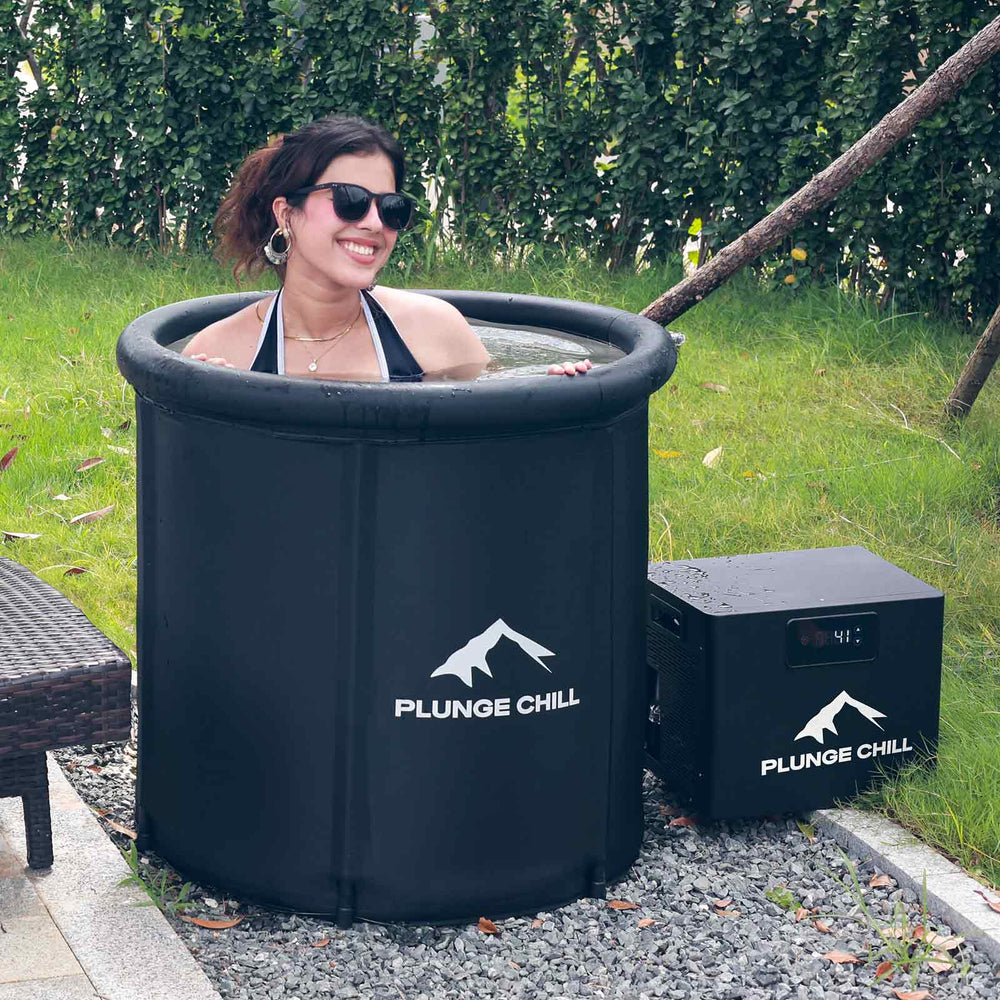
As a sports rehabilitation specialist and strength coach who also reviews plunge products, I care about two things above all: outcomes and compliance. Natural wood cold plunge tubs deliver on both when they are selected and maintained correctly. They bring a rustic, calming presence to a home gym or deck, and—more importantly—offer cold-water immersion that athletes and everyday users actually stick with over time. This guide lays out what wood tubs do well, how to run safe and effective sessions, what the science really supports, how to place and care for a wooden unit, and how to buy with confidence.
What a Natural Wood Cold Plunge Tub Is
A cold plunge is brief immersion in cold water intended to stimulate recovery and resilience. In practice for home users, that typically means sitting chest-deep in water near 50–59°F for a few minutes. A natural wood plunge tub is a vessel made primarily from solid wood—most often cedar or redwood—or a wood-clad structure wrapped around a liner or stainless-steel basin. Wood’s cellular structure slows heat flow from the water into ambient air and the bather’s body, which helps keep water colder with fewer top-ups of ice or fewer chiller cycles compared to bare metal. Some designs combine a stainless-steel basin with western red cedar siding for durability, weather resistance, and the classic cabin character that makes a plunge zone feel inviting rather than clinical. Field reports describe single-user models around 125 gallons, about 15 square feet of footprint, and compatibility with standard 120V outlets for accessory chillers or pumps (Field Mag).
Why Choose Wood: Performance and Feel That Support Consistency
Cold therapy only works if it becomes a consistent habit. In my work with field sports and strength athletes, wood’s tactile warmth and natural surface reduce the “fight-or-flight” urge to exit early, especially during the first 30 to 60 seconds. Users often describe the wood rim and sides as friendlier against the skin than steel or plastic, making it easier to settle the breath and complete a target session without white-knuckling it. This subjective comfort dovetails with wood’s temperature stability. Manufacturers note that wood slows warming, reducing ice use in passive tubs and limiting chiller runtime in active systems (Anyi Health; ColdChiller). The net effect is pragmatic: the water stays in the protocol zone more of the day, and the session feels less punishing, so people show up tomorrow and next week.
Temperature and Time: Practical Ranges Backed by Sports Medicine
In controlled settings, safe and effective ranges are relatively clear, even if individual tolerance varies. Cleveland Clinic advises beginners to start warmer and short, for example around 68°F initially, then progressing to 50–59°F with exposures near three to five minutes while avoiding water below 40°F. OSU Wexner Medical Center outlines a more extended window of 10–20 minutes at 50–59°F for recovery in some contexts. These recommendations can seem at odds, but they largely reflect differing end points and risk tolerance. Clinical guidance tends to prioritize safety and beginner adherence, whereas performance protocols sometimes target stronger physiological cooling and compression in well-screened users. For most healthy adults at home, I suggest a conservative approach drawn from these sources: keep the bulk of routine sessions between 50 and 59°F, begin at one to three minutes, and progress only as comfort and breath control improve. A separate thermometer is essential, because perceived cold is not a reliable proxy.
There is also a legitimate scientific rationale for cold’s metabolic effects. A PubMed Central review cites a controlled immersion near 57°F for one hour that increased basal metabolic rate by approximately 350% in young men while modestly lowering blood pressure. Those findings describe acute responses in a lab, not a daily prescription, but they explain why even shorter plunges can feel immediately stimulating.

Strength Versus Endurance: When to Plunge Around Training
Cold immersion is not a neutral stressor with respect to training adaptation. OSU Wexner Medical Center and Mayo Clinic Press both describe the risk that frequent cold immersion immediately after lifting can blunt molecular signals important for strength and hypertrophy over time. In practice, I build cold exposure around the training goal. For lifters prioritizing size or maximum strength, I avoid plunging right after heavy sessions and instead schedule short afternoon or evening immersions on rest days, or at least 24 to 48 hours after key lifts. For endurance-focused athletes, the interference signal appears less pronounced. They often benefit from a plunge on hot training days to control next-day soreness and maintain quality. Everyone—regardless of discipline—should stop a session early if breathing becomes panicked, numbness spreads, or shivering becomes uncontrolled.
Rustic Appeal Meets Real Engineering
The magic of a natural wood plunge is that it looks like it belongs outdoors. Cedar, redwood, or charred finishes integrate into decks and patios, and they weather attractively. Under the surface, you still need a plan. Wood tubs can be passive (filled with hose water and cooled with ice) or active with a recirculating pump and chiller. Modern single-user units in the 100–130 gallon range can run off a standard 120V outlet for the pump and control gear (Field Mag). There are also wood-fired soaking tubs designed for off-grid use. Skipping the fire turns the same vessel into a cold plunge, which can be a compelling two-in-one option at cabins or rural properties (Almost Heaven).
Placement and Structural Loads
Water is heavy. At 8.34 pounds per gallon, a 125-gallon fill weighs roughly 1,040 pounds before counting the tub or the person. Traditional wood barrels can weigh in the range of a couple hundred pounds empty, and they usually remain in one location once placed (Chief Ice Officer). On a deck, that load can exceed what older joists or weathered ledgers like to see. For indoor slabs, a compact plunge can still concentrate more than half a ton over about 15 square feet. For safety and longevity, I verify that a deck or floor system can support at least 75–100 pounds per square foot at the chosen footprint, add blocking or posts if needed, and ensure that drainage paths do not soak the structure. Dedicated GFCI-protected outlets, non-slip mats, and lighting to mark steps in low light reduce fall risks when bodies are cold and dexterity is lower.
Care and Water Quality Without Damaging Wood
The trick with wood is supporting clean water while preserving the material. ColdChiller recommends changing water every 10 to 15 uses, wiping the liner with a soft cloth and mild soapy water, rinsing thoroughly, and fully draining residual water before refilling. Filtration benefits everyone; even simple cartridge filters reduce particulate load. Aggressive chemicals damage wood and seals, so avoid chlorine bleach and strong acids or alkalis. Keep exterior wood dry and wipe promptly after splash-outs, because standing water in end grain accelerates swelling and finish degradation. In passive tubs, I rely on a tight cover and cold temperatures to slow microbial growth between short cycles of use, and I clean the filter whenever water clarity fades. A disciplined rinse before every plunge—treat it like a small pool—keeps maintenance down and water appealing.
Pros and Cons Versus Plastic and Metal
Real-world tradeoffs come down to insulation, feel, durability, and upkeep. Wood’s insulation slows warming on hot days and slows heat loss if you are using the vessel for contrast therapy on cool evenings. The rim and sidewalls feel warmer to the touch, which matters in the first minute as breathing settles. Metal basins are exceptionally durable and easy to sanitize, but bare steel conducts heat rapidly and feels colder on contact, so many manufacturers clad them in wood. Plastic barrels are inexpensive and light, and they tolerate the elements well, but they insulate less effectively than a thick wood wall and lack the tactile calm that keeps users in the water for the intended time. From a sustainability perspective, well-maintained cedar or redwood ages gracefully and avoids microplastic concerns (Anyi Health).
To make the tradeoffs concrete, the table below summarizes the key differences.
Material |
Temperature Hold |
Touch Comfort |
Durability/Weight |
Upkeep and Care |
Aesthetic and Notes |
Solid wood (cedar/redwood) |
Strong |
High |
Durable; heavy when assembled |
Avoid harsh chemicals; keep exterior wood dry |
Rustic, calming; natural insulation |
Stainless basin with cedar siding |
Strong |
High at rim |
Very durable; moderate weight |
Easy interior cleaning; maintain cedar cladding |
Modern + rustic; 120V accessory-ready |
Plastic (PE/PP) |
Moderate |
Moderate |
Durable; light |
Easy cleaning; lower insulation |
Budget-friendly; utilitarian feel |
Bare metal (unclad stainless) |
Weak without lid |
Low |
Very durable; moderate weight |
Easiest interior sanitation |
Clinical feel; often clad for comfort |

Buying Guide: Size, Features, and Fit
Sizing should start with volume and user height. For a single adult, a practical minimum capacity is around 50 gallons, with many home tubs working best in the 80–130 gallon range. Heights around 28–40 inches allow a comfortable squat and full shoulder immersion, and a diameter of roughly 28–32 inches accommodates most users without feeling cramped (adapted from Chief Ice Officer guidance). If you expect users up to 6 ft 4 in, look for designs explicitly rated for that stature (Field Mag). The footprint matters for placement; about 15 square feet is common for single-user tubs. Wood species and finish affect both longevity and appearance, with thicker staves, quality hoops, and well-sealed joints indicating better builds.
Filtration and covers are the next essentials. Even passive setups benefit from a recirculating pump and filter sized to the tub capacity. A tight, insulated lid cuts evaporation, keeps contaminants out, and preserves temperature. If you’ll use a chiller, select one with a capacity matched to your volume, climate, and desired cooldown. For example, chilling roughly 100–130 gallons into the mid-40s°F within a few hours is a reasonable target in shaded outdoor settings, with additional capacity needed in direct sun. Many single-user systems run on 120V and use less power than large appliances during steady state (Field Mag). Finally, budget realistically. Passive wood tubs sit at the lower end, but premium plunge systems with integrated chillers and advanced filtration can run from about $2,000.00 to well over $10,000.00 depending on materials, insulation, and controls (Roberts Hot Tubs).

Safety and Contraindications
Cold shock can spike breathing and heart rate, and water immersion multiplies heat loss compared with air. Cleveland Clinic advises keeping sessions short when starting and not going below about 40°F; three to five minutes is a common ceiling for home users who are not under supervision. OSU and Mayo add that daily plunging is possible but should be adapted to training goals, because frequent post-lift plunges may compromise strength and mass gains. People with heart disease, uncontrolled high blood pressure, poor circulation or venous stasis, diabetes with neuropathy, or cold agglutinin disease should consult a clinician first (Cleveland Clinic; Mayo Clinic). Never plunge alone outdoors, keep towels and warm clothing nearby, and ensure ladders and steps are stable. Wood barrels often require a stool or step for entry; plan secure rails and anti-slip surfaces around the tub (Chief Ice Officer).
Maintenance You’ll Actually Do
Maintenance rhythms determine whether a wood tub remains a pleasure rather than a chore. ColdChiller’s practical cadence—water changes every 10 to 15 uses and gentle cleanser on the liner—keeps the workload predictable. Filters should be cleaned or replaced as pressure rises or flow drops. Exterior wood prefers to stay dry; wipe spills before they soak into end grain. An insulated cover reduces dust, pollen, and leaves, and also limits heat gain from sun exposure. The quick-reference table below aligns tasks with frequency and cautions.
Task |
Typical Frequency |
Key Notes and Cautions |
Water change |
Every 10–15 uses |
More often in warm weather or high bather load |
Interior wipe/rinse |
After drain cycles |
Mild soapy water; avoid bleach, strong acids/alkalis (ColdChiller) |
Filter clean/replace |
Inspect weekly; service as needed |
Follow filter manufacturer guidance |
Exterior wood dry/wipe |
After each use if splashed |
Prevent swelling and finish damage |
Cover on when idle |
After every session |
Limits debris and heat gain |
Overlooked or Debated Points to Weigh
Aesthetic comfort may improve adherence. In my practice, wood rims appear to reduce early exits during the first minute of cold shock compared with bare metal. The result is more complete sessions and more frequent use over a month. To verify, a small crossover trial could compare time-to-exit and perceived discomfort between wood-rimmed and metal-rimmed tubs at identical temperatures in the same users.
Wood-fired soak tubs can serve double duty. Brands that make wood-fired hot soak tubs note that the same vessel can be used for cold plunging when unheated, which is useful off-grid and for rustic venues (Almost Heaven). This two-in-one flexibility is rarely mentioned in buying guides focused on electric chillers.
Evidence on dosing is inconsistent by design. Cleveland Clinic emphasizes short, conservative exposures, while OSU outlines longer immersions at moderate cold for some training contexts. The discrepancy likely reflects different outcomes of interest—safety-first versus performance recovery—and variation in water temperature control, acclimation level, and the ambient environment. Pair recommendations to your health status and why you are plunging, not to a single number.
Catecholamine surges are probably overquoted. Media reports sometimes claim norepinephrine rises over 500% and dopamine about 250% after cold exposure (Wired). Those figures depend heavily on the protocol and the tissue sampled. A reasonable verification step would be to review controlled human trials that measured circulating catecholamines during submerged immersions at known temperatures and durations.
A Compact Case Example
On a shaded deck, a cedar-sided, stainless-basin cold tub rated to 125 gallons offers shoulder-depth immersion for users up to about 6 ft 4 in (Field Mag). The footprint is roughly 15 square feet, and with water alone weighing over 1,000 pounds, we confirm the deck can handle at least 75 pounds per square foot and add blocking under joists due to age. A dedicated 120V GFCI outlet serves a small recirculating pump and in-line filter; there is no chiller. In summer, we add ice to reach 53–57°F and maintain with a tight insulated cover. Sessions are three to five minutes, twice weekly for healthy users in general wellness phases; for lifters in hypertrophy blocks, we shift plunges to non-lifting days. Water is changed every 10 to 12 uses, the filter is rinsed weekly, and exterior drips are wiped at the end of each session. After one season, compliance is higher than with a previous plastic barrel, and water stays within target temperature longer on warm days, which reduces ice use.
Takeaway
Natural wood cold plunge tubs earn their reputation because they support both the physiology and the psychology of cold-water immersion. Wood’s insulation and tactility help keep water within the target range and keep users in the tub long enough to matter. Safe programming draws on clinical guidance—generally near 50–59°F for a few minutes, with a gradual ramp—and respects training goals to avoid blunting strength adaptations. Buying well means sizing for your body, verifying structural loads, prioritizing covers and filtration, and choosing a wood build you will enjoy maintaining. When care is simple and the space feels welcoming, the habit sticks, and the benefits follow.
FAQ
What temperature and time should a beginner use in a wood plunge?
For most healthy beginners, a conservative start is best. Aim for water around the upper 50s°F and keep the immersion to one to three minutes while you learn to control breathing. Over a few weeks, many progress to three to five minutes near 50–59°F. Clinical guidance cautions against going below about 40°F at home and emphasizes exiting early if breathing becomes difficult or shivering becomes vigorous (Cleveland Clinic).
Will a wood plunge tub interfere with my muscle gains?
Cold immersion can blunt some of the cellular signals involved in strength and hypertrophy when used immediately after lifting. If your priority is size or maximal strength, keep plunges away from key sessions by at least a day, or use them on rest days. Endurance athletes can generally incorporate post-session plunges more freely, especially in heat, but should still monitor how their legs feel and perform in subsequent workouts (OSU Wexner; Mayo Clinic Press).
How often should I change the water and clean a wood tub?
A practical rhythm is to change water every 10 to 15 uses, wipe the interior with a soft cloth and mild soapy water during drain cycles, rinse thoroughly, and keep the exterior wood dry. Filters should be cleaned or replaced as flow declines, and a tight cover should be on whenever the tub is idle. Avoid chlorine bleach and harsh chemicals, which can damage wood and seals (ColdChiller).
Can I place a wood plunge on my deck without reinforcement?
It depends on the deck’s age, span, and condition. A filled single-user tub around 125 gallons weighs over half a ton, and concentrated loads can exceed what older or weathered decks were designed for. Before placement, verify the structure can support at least 75–100 pounds per square foot at the tub footprint and add posts or blocking as recommended by a qualified contractor. Indoors, ensure the slab or framed floor is rated for the load and that drainage cannot soak the structure.
Are wooden tubs better than plastic or metal?
“Better” depends on your priorities. Wood offers superior sensory comfort and strong temperature stability, which encourages adherence. Plastic is light and budget-friendly but insulates less and lacks the natural feel. Bare metal is extremely durable but feels cold on contact and is often clad in wood for comfort. A stainless basin with cedar siding is a popular middle ground that marries easy sanitation inside with rustic warmth outside.
Is there solid science behind cold plunging, or is it mostly hype?
There is real evidence for benefits like reduced muscle soreness and improved next-day performance in some contexts, especially in heat, and for acute metabolic and hormonal responses to cold immersion. A PLOS One analysis summarized mixed outcomes across studies and highlighted heterogeneity in methods, with some delayed stress reduction and sex-specific differences in sleep (Harvard Health). Overall, cold water immersion is promising, but protocols vary, and higher-quality trials are still needed to define optimal dosing. The safest path is to start conservatively and pair plunges with, not instead of, training, sleep, and nutrition.
Sources Mentioned
Cleveland Clinic; OSU Wexner Medical Center; Mayo Clinic Press; Harvard Health; PubMed Central; Field Mag; ColdChiller; Anyi Health; Chief Ice Officer; Roberts Hot Tubs; Almost Heaven.
References
- https://www.health.harvard.edu/staying-healthy/research-highlights-health-benefits-from-cold-water-immersions
- https://digitalcommons.liberty.edu/cgi/viewcontent.cgi?article=8439&context=doctoral
- https://sncs-prod-external.mayo.edu/hometown-health/speaking-of-health/cold-plunge-after-workouts
- https://pmc.ncbi.nlm.nih.gov/articles/PMC11872954/
- https://health.osu.edu/wellness/exercise-and-nutrition/do-ice-baths-help-workout-recovery
- https://health.clevelandclinic.org/what-to-know-about-cold-plunges
- https://mcpress.mayoclinic.org/healthy-aging/the-science-behind-ice-baths-for-recovery/
- https://www.mayoclinichealthsystem.org/hometown-health/speaking-of-health/cold-plunge-after-workouts
- https://www.npr.org/sections/health-shots/2023/10/08/1204411415/cold-plunge-health-benefits-how-to
- https://www.backyardboss.net/cold-plunge-tubs/