Meditation and cold-water immersion might seem like an unlikely pairing, but together they form a simple, evidence‑informed routine that can sharpen attention, lift mood, and build day‑to‑day stress resilience. Meditation builds self‑regulation and calm. Brief cold exposure trains the nervous system through hormesis—short, controlled stress that prompts adaptive benefits—while mobilizing neurochemicals linked to alertness and positive affect. Reputable sources including the Mayo Clinic, NCCIH, UC Davis Health, Cleveland Clinic, and peer‑reviewed journals hosted on PubMed Central describe meaningful but measured benefits for meditation and cautious, short‑duration cold exposure when used as adjuncts to standard care. What follows is a practical guide to understanding the synergy, applying it safely, and getting the most from a combined practice.
Why These Two Practices Belong Together
Meditation cultivates present‑moment awareness and emotional regulation. It helps people notice thoughts and sensations without getting pulled into them, which is why it’s widely used for stress management and mood support. Organizations such as the Mayo Clinic, UC Davis Health, and Cleveland Clinic describe benefits that include improved sleep quality, lower resting blood pressure, enhanced attention, and more balanced emotional responses. A large body of research summarized by NCCIH notes that while results vary across styles and study designs, meditation is accessible, inexpensive, and generally safe as a complement to conventional care.
Cold exposure offers a different but complementary pathway. Short immersions around 50–59°F can increase norepinephrine and endorphins, sharpen attention, and—when practiced progressively—raise stress tolerance. Overviews in PsychiatryOnline describe neurohormesis, where mild environmental stress such as cold activates protective neural and endocrine pathways. Clinical summaries from the Mental Health Center of America also link brief cold exposure to calm and improved well‑being, especially when paired with other therapies. Put together, meditation steadies the mind while cold exposure provides a wakeful, “resetting” stimulus that can be channeled into focus rather than reactivity.

What the Research Suggests About Benefits and Limits
A growing, if still developing, evidence base supports parts of this combination. Multiple lines of research are relevant, including randomized trials, neuroimaging, and large reviews on meditation.
- A 14‑day randomized trial tested morning breathwork, cold showers near 50–57°F, a combined protocol, and a control condition. The combined group showed the largest reductions in perceived stress—about 21–24% versus control after two weeks—suggesting an additive benefit of pairing cold exposure with structured breathing and mindfulness. The trial also reported good tolerability and only minor adverse events.
- A functional MRI study measured mood and brain network interactions before and after a single five‑minute, head‑out immersion at about 68°F. Participants reported feeling more active, alert, attentive, proud, and inspired, with reduced distress and nervousness. Imaging indicated greater interaction among large‑scale networks involved in attention control and emotion regulation, consistent with the subjective increase in positive affect.
- Reviews of meditation on PubMed Central report improvements in stress, mood, and sleep, plus signals of benefit for blood pressure and pain. There is also early evidence for immune and genetic markers, though the clinical significance of these biomarker changes is still being clarified. NCCIH emphasizes that results across meditation styles are heterogeneous and sometimes preliminary, so claims should stay measured.
- A short, two‑week Wim Hof–style program in healthy adults did not change cardiac autonomic measures or arterial stiffness compared with controls, even though perceived stress decreased over time in both groups. This underscores a common pattern: psychological benefits may arrive earlier than objective cardiovascular changes, and not every marker will shift within brief timelines.
- Health systems such as UW Medicine Right as Rain frame cold plunging as potentially mood‑boosting and accessible when done safely, advising beginners to start around 50°F with modest durations and to avoid extreme cold or prolonged exposures that increase hypothermia or cardiac risk.
Taken together, the literature supports the notion that meditation and short cold exposure can be combined to reduce perceived stress, brighten mood, and enhance attentional control for many people. At the same time, the evidence base is mixed in places, dosage remains a moving target, and these practices should complement—not replace—medical care.

Safety First: Who Should Be Cautious and How to Proceed
Cold exposure deserves respect. Short, progressive immersions are key, and some people should avoid or modify practice altogether. Health organizations such as the Mayo Clinic, NCCIH, and UW Medicine advise consulting a clinician if you have heart disease, uncontrolled high blood pressure, autonomic or peripheral neuropathies, significant asthma, thyroid disease, or are pregnant. People with cold sensitivity or Raynaud’s may use protective gloves and booties and emphasize shorter, warmer exposures.
A conservative starting point for immersion is about 50°F. First‑time sessions should be brief and closely monitored. Expect a brisk sympathetic surge on entry—breath quickens and the urge to gasp can appear—so get your breathing under control before stepping in. Avoid intense hyperventilation practices in or near water. Several wellness and safety sources, including ZenWave Wellness, emphasize that controlled, rhythmic breathing such as box breathing is appropriate during entry, but breath‑hold techniques are safest away from water and only after you have rewarmed.
Finally, rewarming should be gradual. Dry off, add warm layers, walk around, sip something warm, and allow your body to return to baseline before assessing how you feel.
A Simple Combined Routine You Can Try
Begin with the goal of feeling calmer and clearer afterward rather than “chasing cold.” The safest early exposures are short, with comfortable adaptation over days and weeks. One accessible morning flow is to practice a few minutes of steady breathing or mindfulness first, then step into a controlled cold exposure, and finally sit for a brief, focused meditation while alertness is high.
During the breathing prelude, choose a style that steadies rather than agitates. A classic box‑breathing pattern—inhale, gentle hold, exhale, gentle hold in even counts—can settle the nervous system. Five slow, deep breaths that pull air down toward the lower belly also help counter shallow, chest‑dominant breathing triggered by the cold. This prepares you to maintain composure during the first 20–30 seconds in cold water, which is almost always the hardest.
For the immersion, target water around 50–59°F and keep duration modest. Research and clinical commentary suggest typical sessions of about two to five minutes are sufficient for many benefits. If you are starting from room‑temperature showers, end with a cool‑to‑cold finish for 20–30 seconds and add time gradually across sessions. Some clinicians suggest that a practical weekly volume for many people is about 11 minutes divided into several short dips; treat this as a flexible guideline rather than a rule, and adjust based on your response. If dizziness, chest pain, or numbness occur, step out, dry off, and rewarm.
When you transition to meditation, sit while your mind is alert but your breathing is stable. A short, five‑ to ten‑minute mindfulness session—observing breath sensation, posture, and thoughts without judgment—is often enough to “bank” the calm, focused state the cold helped set up. Many people identify this transition window as the sweet spot for clarity and steady attention.

Techniques That Pair Well With Cold
Mindfulness is the anchor for many cold‑pairing routines. In practice, this means paying attention to body sensations, acknowledging the bite of cold without labeling it as “bad,” and returning attention to the breath when the mind wanders. Guided visualization can also help, especially for newcomers; a brief track that cues slow breathing and calm images may ease the transition from cold to stillness.
Breathing patterns matter. Box breathing is simple and fast to learn. The popular Wim Hof breathing method, which uses repeated deep cycles and breath holds, is best practiced away from water and only after rewarming, due to fainting risks around immersion. Breath‑hold challenges do not belong in a tub. Instead, think of the in‑water goal as a slow, diaphragmatic rhythm—steady in through the nose and out through a relaxed mouth—that you can sustain comfortably.
There is also a quick nervous‑system trick for spikes of anxiety: briefly immersing the face in cold water can trigger the mammalian dive reflex, helping to slow heart rate and shift toward parasympathetic tone. Mental health practitioners and wellness writers sometimes suggest this highly targeted technique during panic episodes. As always, safety and context matter; keep exposures brief and avoid if you have relevant medical conditions.
What to Expect: Pros, Cons, and Real‑World Trade‑Offs
The most common upside people report in the first weeks is an immediate mood lift and a steadier morning focus. Neurochemical changes documented in clinical summaries—particularly norepinephrine and endorphins—align with those experiences. Neuroimaging adds a plausible brain‑based mechanism: brief cold can increase interaction among networks involved in attention and emotion regulation, which may support the calmer focus many notice during the subsequent meditation.
Meditation’s benefits often accumulate more quietly but are no less meaningful. Consistent daily practice appears to improve sleep, lower perceived stress, and enhance emotional balance. These two practices reinforce each other; the cold primes alertness and resilience, while meditation channels that alertness into steady attention and less reactivity.
There are trade‑offs. Cold exposure is uncomfortable by design and may aggravate anxiety for some people, especially if rushed or performed at extremes. It can transiently raise blood pressure and heart rate, and hypothermia is a risk with overexposure. Meditation can occasionally surface difficult emotions; clinical sources advise that it should complement—not replace—therapy or medication when those are indicated. NCCIH and major health systems consistently recommend seeing these approaches as adjuncts within a broader care plan.

A Quick Look at Key Evidence and Practical Parameters
|
Source or Publisher |
Modality and Dose |
Main Outcome |
Practical Notes |
|
PubMed Central, randomized trial |
Combined morning breathwork plus cold showers about 50–57°F for two weeks |
About 21–24% reduction in perceived stress versus control |
Short, progressive exposures; best results came from the combined protocol |
|
PubMed Central, neuroimaging study |
Single five‑minute, head‑out immersion at about 68°F |
Increased positive affect; greater interaction among attention and emotion‑regulation networks |
Participants reported feeling more alert and less distressed afterward |
|
UC Davis Health; Mayo Clinic; Cleveland Clinic |
Meditation, daily minutes‑to‑tens of minutes |
Better stress management, sleep quality, mood, and attention; potential BP improvements |
Low cost, adaptable anywhere; strongest results with consistency |
|
NCCIH overview |
Meditation and mindfulness across conditions |
Promising but heterogeneous evidence; some studies preliminary |
Treat as adjuncts; match method to goal; avoid over‑promising |
|
PsychiatryOnline review |
Whole‑body cold around 50–59°F; neurohormesis |
Increased alertness and perceived stress reduction; mechanisms involve catecholamines and cold‑sensing pathways |
Screen for contraindications; rewarm gradually; dose remains individualized |
|
UW Medicine Right as Rain |
Beginner cold‑plunge framing |
Start around 50°F, keep exposures short; shivering is expected |
Avoid extreme cold; use non‑slip safety; consult a clinician if unsure |

Choosing Gear and Caring for Your Setup
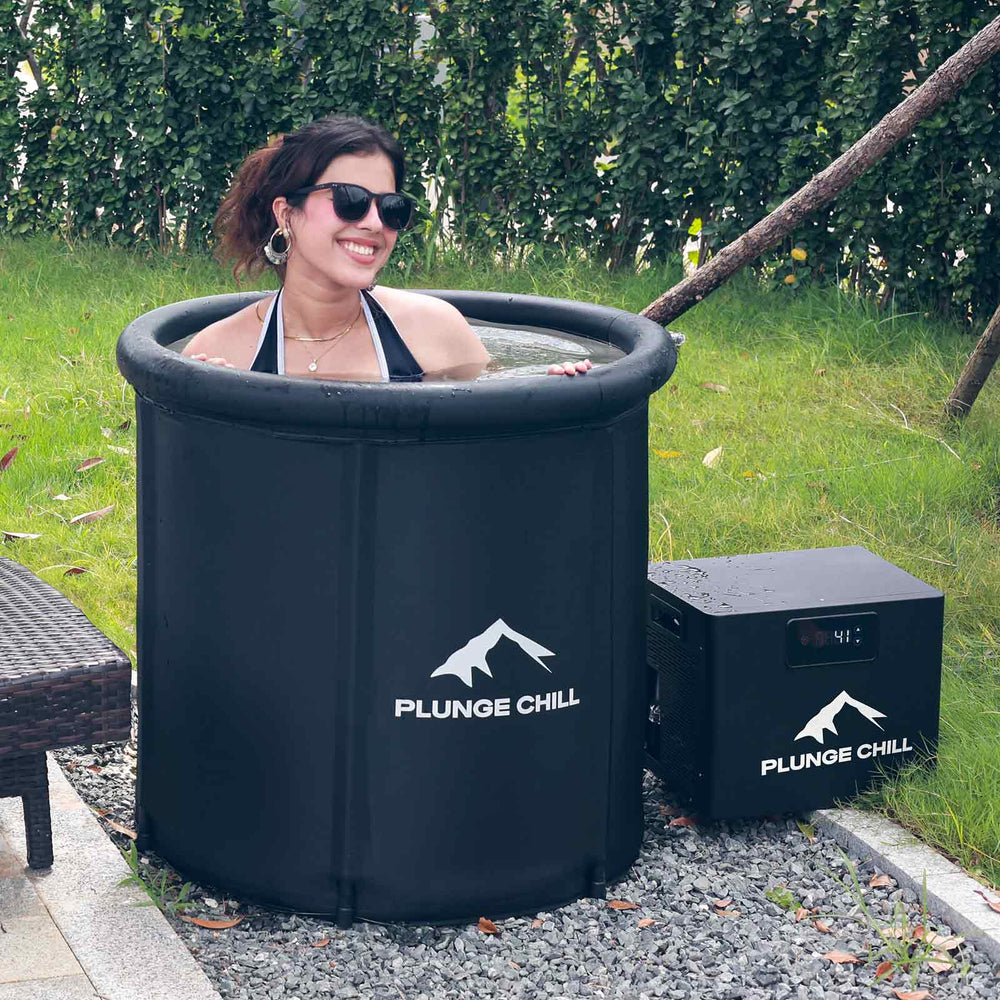
Your most accessible option is the cold finish on a standard shower. It’s simple, low cost, and enough to build tolerance and rhythm. If you prefer immersion, an at‑home tub or stock tank filled with water and bags of ice works, though temperature control varies. Purpose‑built inflatable pods add insulation and ease of setup; one commonly marketed option is around 116 gallons and uses multiple layers to help hold temperature and ease cleaning. At the higher end, a dedicated chiller keeps water near a set temperature but adds expense and maintenance.
Regardless of setup, a floating thermometer, a stable, non‑slip surface, and warm layers for rewarming improve safety and consistency. Cold‑sensitive hands and feet may benefit from waterproof gloves and booties. Keep water clean per the manufacturer’s guidance if you use a pod, and replace it as needed. Above all, prioritize a controlled, repeatable practice over extreme temperatures or long durations.
|
Option |
Typical Setup |
Advantages |
Trade‑Offs |
|
Cold‑finish shower |
End a warm shower with 20–60 seconds cold |
Lowest cost; easy to scale; good for daily consistency |
Less full‑body immersion; temperature varies by season |
|
Home bathtub with ice |
Standard tub plus ice and thermometer |
Full‑body immersion; flexible |
Ice logistics; temperature fluctuates; cleanup |
|
Inflatable cold pod |
Insulated, portable tub near 116 gallons |
Better temperature hold; simple to drain and clean |
Upfront cost; periodic water care |
|
Sauna plus plunge |
Heat followed by brief cold immersion |
Strong contrast effect; relaxing then alert |
Access and cost; careful sequencing and safety needed |

How to Sequence Breathing, Cold, and Meditation Safely
A sensible sequence is to begin with calm breathing, complete a short cold exposure, re‑establish steady breathing, and then sit for a brief meditation. Many stress‑reduction researchers recommend morning sessions on an empty stomach for consistency, though time of day is largely a matter of preference. Pairing with a sauna is common in spas; if you combine heat and cold, keep cold bouts short, warm up safely between rounds, and listen closely to your energy and mood afterward. The principle is consistent across setups: favor short, repeatable exposures that leave you feeling better, not drained.
Buying Tips That Keep You On Track
Choose equipment that reduces friction. If a daily shower is reliable, the cold‑finish approach may be your most sustainable option. For immersion, look for a tub that accommodates your height without cramped posture, has a simple drain, and allows quick cleaning. A clear, easy‑to‑read thermometer helps you titrate intensity accurately as you progress. For those with cold‑sensitive fingers and toes, plan for protective gear and rewarming clothes next to your station so transitions are smooth. None of these details need to be expensive; the goal is reliable routine, not gadgetry.

Frequently Asked Questions
How cold should the water be for beginners?
A conservative starting point is around 50°F, with very short exposures to learn breath control. Many protocols land in the 50–59°F range. As you adapt, you can lengthen sessions toward a few minutes. The aim is to feel alert and composed when you step out rather than exhausted.
How long should each cold session last, and how often?
Two to five minutes per session is a common range in clinical and wellness summaries for immersion, while cold‑finish showers often start at 20–30 seconds and build gradually. A practical weekly total for many people is about 11 minutes divided into several short bouts, though this guidance is based on emerging evidence and expert opinion rather than definitive trials.
Should I meditate before or after the cold?
Both orders can work. Meditating briefly before exposure helps steady your breathing and mind, making the first seconds in cold much easier. Sitting for a short meditation after the plunge leverages heightened alertness to deepen focus. Many find a short pre‑breathing period, the cold, then a five‑ to ten‑minute sit to be a productive sequence.
Is this a replacement for therapy or medication?
No. Leading sources such as NCCIH and the Mayo Clinic emphasize that meditation and cold exposure should complement, not replace, evidence‑based treatments. If you live with a medical or mental health condition, coordinate with your clinician before changing your care plan.
Are there people who should avoid cold plunges?
Yes. Cold exposure can be risky for people with heart disease, uncontrolled high blood pressure, certain neurologic or autonomic conditions, or during pregnancy. Cold‑sensitive individuals, including those with Raynaud’s, should modify or avoid immersion. When in doubt, check with your clinician first.
Is it safe to do breath holds or intense breathing in the tub?
No. Never perform intense hyperventilation or breath‑hold practices in or near water due to fainting and drowning risk. Keep in‑water breathing slow and steady. If you practice more vigorous breathing techniques, do so only on dry land and after warming up.
Takeaway
Meditation and short, well‑planned cold exposure complement each other. Meditation builds the skill of noticing and letting go, while cold exposure trains the nervous system to meet a controlled stressor without panic, then settle into calm. Research points to meaningful reductions in perceived stress when breathing and cold are paired, immediate mood and attentional benefits after brief immersions, and broader health signals associated with regular meditation. The most reliable gains come from conservative dosing, steady breathing, and consistent practice. Start warm and simple, keep the cold brief and around 50–59°F, sit for a few quiet minutes afterward, and treat both practices as supportive layers in your broader well‑being plan. If you have medical conditions or questions, partner with your clinician; when safety leads, clarity and calm tend to follow.
References
- https://www.academia.edu/43844148/Effect_of_Meditation_on_Psychological_Well_being
- https://www.health.harvard.edu/mind-and-mood/how-meditation-helps-with-depression
- https://www.nccih.nih.gov/health/meditation-and-mindfulness-effectiveness-and-safety
- https://health.ucdavis.edu/blog/cultivating-health/10-health-benefits-of-meditation-and-how-to-focus-on-mindfulness-and-compassion/2022/12
- https://www.ptsduk.org/ice-baths-wim-hof-and-ptsd/
- https://rightasrain.uwmedicine.org/leisure/cold-plunge-health-benefits
- https://my.clevelandclinic.org/health/articles/17906-meditation
- https://psychiatryonline.org/doi/full/10.1176/appi.neuropsych.20240053
- https://www.weliahealth.org/2022/07/meditation-and-benefits-for-our-mental-health/
- https://www.christianhealthnj.org/news/2024/august/types-of-meditation-and-benefits-for-mental-heal/
Disclaimer
By reading this article, you acknowledge that you are responsible for your own health and safety.
The views and opinions expressed herein are based on the author's professional expertise (DPT, CSCS) and cited sources, but are not a guarantee of outcome. If you have a pre-existing health condition, are pregnant, or have any concerns about using cold water therapy, consult with your physician before starting any new regimen.
Reliance on any information provided in this article is solely at your own risk.
Always seek the advice of a qualified healthcare provider with any questions you may have regarding a medical condition, lifestyle changes, or the use of cold water immersion. Never disregard professional medical advice or delay in seeking it because of something you have read in this article.
The information provided in this blog post, "Combining Meditation and Cold Baths for Enhanced Wellbeing," is for informational and educational purposes only. It is not intended to be a substitute for professional medical advice, diagnosis, or treatment.
General Health Information & No Medical Advice