From Pro Locker Rooms to School Hallways
As a sports rehabilitation specialist and strength coach, I have watched cold-water immersion move from professional locker rooms into college training centers, boutique wellness studios, and now into conversations about mental health and academic performance. Some schools are exploring “ice bath rooms” or cold-plunge access as part of exam-season wellness offerings, hoping to boost focus, resilience, and recovery from stress.
Before any school drills a drain in a spare classroom and orders a commercial plunge tub, it is worth asking three hard questions.
First, what does cold-water immersion actually do to the body and brain, based on controlled studies rather than social media? Second, is there evidence that those effects translate to better concentration, emotional regulation, or performance on cognitively demanding tasks like exams? Third, how do the risks and operational challenges look when you move from screened, supervised athletes to a broad student population under academic pressure?
The research base is growing fast, but it is uneven. The strongest data comes from endurance athletes and healthy adults, not teenagers cramming for chemistry. However, we can still draw useful lessons for schools that are considering cold exposure as part of an exam-period recovery toolkit.

What Cold Water Immersion Actually Does
Physiological effects most people feel immediately
Cold-water immersion (CWI) typically means sitting or standing in water around 50–59°F for several minutes. The American College of Sports Medicine describes it as the most studied recovery modality in sport, used widely after training or competition. At these temperatures the body shows a rapid “cold shock” response: sharp increases in heart rate, breathing, and blood pressure, along with intense skin vasoconstriction that shunts blood toward vital organs. Case Western Reserve University authors note that this response is particularly unstable in people with cardiovascular disease or uncontrolled high blood pressure.
Once the first minute passes, breathing usually settles. Over the next several minutes, cold exposure:
- Narrows blood vessels in muscle and skin, reducing swelling and fluid accumulation.
- Lowers local tissue temperature and metabolism, slowing many biochemical reactions.
- Decreases nerve conduction velocity, which dampens pain signals.
Ohio State University clinicians point out that a full-body immersion around 50–59°F for 10–20 minutes can reduce swelling and tissue breakdown and may assist in moving metabolic byproducts away from muscle. When the athlete rewars afterward, blood vessels dilate and circulation rebounds, which likely contributes to a sense of relaxation and less stiffness.
In sport-specific research, immersion at about 50°F for roughly 10 minutes has improved markers of recovery for up to 24–72 hours after hard exercise in endurance athletes. A 2025 meta-analysis in PLoS One, and other reviews summarized by Science for Sport, report consistent reductions in delayed onset muscle soreness and perceived fatigue at 24 to 96 hours, although objective markers such as inflammatory proteins and performance tests show more mixed results.
A practical example from the field helps. If a volleyball team plays two matches in 24 hours, a 10–15 minute immersion around 52–59°F between matches can reduce soreness and help players maintain jump height the next day. That makes sense in a congested competition schedule. By contrast, exam stress is primarily cognitive and emotional, not driven by eccentric muscle damage. The muscular benefits that matter to athletes after tournaments simply do not apply directly to students sitting for written exams.
Long-term training trade-offs
Cold exposure is not an unqualified win for performance. ACSM and Mayo Clinic authors emphasize that using ice baths immediately after strength training can blunt the very adaptations you are trying to build. A 12‑week study in physically active men found that regular immediate post-exercise immersion reduced strength and muscle hypertrophy compared with a low-intensity active recovery group. Other work shows that chronic use across a season can dampen vascular and muscular adaptations.
That is one reason I rarely recommend routine post-lift ice baths for developing athletes. If a school is considering an ice bath room that students might also use around sports practice, planners must recognize that “more cold” is not always better; timing relative to training matters.
Brain, hormones, and mood
Exam periods are driven more by stress, sleep disruption, and cognitive overload than by muscle trauma, so the brain effects of cold exposure matter more than the muscular ones.
Several lines of evidence are relevant here.
Stanford Lifestyle Medicine researchers describe how short cold-water sessions activate dense cold receptors in the skin, driving a surge in noradrenaline and other neurotransmitters via the autonomic nervous system. In controlled experiments, immersions in water between about 50 and 68°F have:
- Decreased cortisol for hours after cold exposure.
- Increased plasma noradrenaline by several hundred percent and dopamine by around 250 percent in some protocols.
- Led healthy adults to report being more active, alert, attentive, proud, and inspired, while feeling less distressed and nervous.
A neuroimaging study in healthy adults, reported in a neuroscience journal, used a five-minute full-body immersion around 68°F and found improved positive affect along with increased interaction between large-scale brain networks involved in attention, self-regulation, and emotion. Participants endorsed feeling more energized and less nervous after the bath.
The PLoS One systematic review of cold-water immersion in non-athletic adults adds another important dimension: time course. Across 11 randomized trials, cold exposure:
- Triggered an acute rise in inflammatory markers immediately and at one hour, reflecting a stress response.
- Produced a significant reduction in perceived stress at about 12 hours after immersion.
- Did not show consistent immediate mood changes but did show narrative evidence of better sleep quality and quality of life.
- Was associated with a 29 percent reduction in sick-leave days in office workers who added a brief cold blast at the end of daily showers for 60 days.
In other words, short, controlled cold exposure can function as a hormetic stressor: it stresses the system acutely, but the recovery from that stress can enhance resilience and reduce stress perception hours later. Reviews in neuropsychiatry journals describe this as “neurohormesis,” with cold exposure mobilizing neurotransmitters and neurotrophic factors that might support brain health if dosing remains moderate.
A simple example in an exam context might be a student who finishes a day of revision, takes a two-minute cold shower at about 55–60°F before bed, and experiences a calmer, more restful night with lower perceived stress the next morning. The PLoS One and Mayo Clinic data suggest that kind of protocol could plausibly support sleep and stress management, although this has not been tested directly in exam takers.

Could Ice Baths Improve Exam Performance?
Potential advantages for focus and stress
The key question for educators is not whether ice baths help post-match soreness, but whether they meaningfully support study quality, focus, or exam performance.
Direct research on exam outcomes is not available in the current literature. However, several findings touch the edges of that question:
- Mood and alertness: Studies summarized by Stanford, as well as standalone trials of single cold immersions or sea swims around 56–68°F, show reliable improvements in vigor, self-esteem, and positive mood immediately after exposure, with reductions in tension, anger, fatigue, and confusion.
- Cognitive state: The neuroimaging study noted earlier linked increased positive affect after a five-minute cold bath to stronger connectivity in networks that underpin attention control and self-regulation. Although this is not a direct test of exam performance, it suggests that the brain is in a more task-ready state after properly dosed cold exposure.
- Stress and sickness: The PLoS One review and large cold-shower trial in office workers reported lower perceived stress and fewer sick days with daily brief cold exposure. For students, fewer minor illnesses and better stress regulation during exam season would be welcome.
If you combine these strands, a conservative interpretation is that short, moderate cold exposure can be one tool for improving momentary alertness and supporting stress resilience over hours, provided it is not taken to extremes. A student who uses a two- or three-minute immersion at about 55–60°F in the morning several days per week during exam season is likely to feel more awake and may experience a reduction in background stress over the day.
Now the caveat: most of these studies involve healthy adults, not adolescents with varying health profiles and in some cases anxiety disorders. There are also no randomized trials tying cold exposure protocols to grades, test accuracy, or long-term academic outcomes. It would be a mistake to sell ice bath rooms as a proven cognitive performance enhancer.
Where the evidence is weak or absent
Case Western experts reviewing polar plunges and ice baths stress that long-term muscle health and overall health benefits are not strongly supported in the general population, and that many claims are based on anecdote rather than large randomized trials. The Mayo Clinic and Harvard Health teams make a similar point: cold plunges appear to be safe for many healthy people and may confer modest benefits, but they sit in the “it might help, but it is optional” category behind sleep, exercise, nutrition, and psychological skills.
There are additional uncertainties that matter in an exam context:
- Cognitive impairment at extremes: In neurophysiology reviews, prolonged exposure or water that is too cold can lower brain temperature, impair memory and attention, slow reaction time, and degrade decision-making. While exam protocols would never approach arctic swim conditions, a poorly supervised program could allow some students to stay too long in very cold water chasing a stronger “buzz.”
- Dose and timing: Studies that show mood and stress benefits use a wide range of temperatures and durations, from brief 30–90 second cold showers to twenty-minute sea swims. Some show peak stress reductions many hours later. We do not yet know the optimal combination of water temperature, immersion duration, and timing relative to exams for maximum benefit and minimal risk.
- Adolescent physiology and mental health: Nearly all cited studies focus on adults, often with exclusion of people with depression, anxiety, or cardiovascular conditions. Schools serve populations with asthma, heart murmurs, eating disorders, panic disorders, and more. Extrapolating adult findings to those groups must be done cautiously.
Given these gaps, cold exposure around exams should be framed as an optional adjunct to well-established supports like sleep hygiene, tutoring, counseling, and physical activity, not a primary mental performance solution.
Risk Profile of Ice Bath Rooms in a School Setting
Medical and safety concerns
When I design recovery facilities for athletes, my first decision is not which tub to buy; it is who should never use the tub at all.
Across clinical and sports medicine sources, cold-water immersion is contraindicated or requires medical clearance in people with:
- Cardiovascular disease such as coronary artery disease, stage III–IV heart failure, or unstable angina.
- Uncontrolled hypertension.
- Significant arrhythmia, prior stroke, or a history of fainting.
- Raynaud’s disease or other serious vascular conditions affecting extremities.
- Prior cold injury, cryoglobulinemia, severe hypothyroidism, and certain autonomic or sensory neuropathies.
The reason is the cold shock response. On sudden immersion, skin temperature drops, the body gasps, ventilation spikes, and heart rate and blood pressure jump. Case Western and Mayo Clinic authors highlight that this window is the most dangerous: people may hyperventilate, panic, aspirate water, or provoke an arrhythmia. In open water, drowning risk is obvious. Even in a school setting with tubs, a syncopal event in shoulder-deep water is unacceptable.
Hypothermia and frostbite are less likely in the moderate temperatures and short durations recommended for wellness, but they are not impossible. Reviews in sports and general medicine note that prolonged exposure or water closer to freezing can drop core temperature, impair cognition, and damage tissue. Adolescents who treat the ice bath room as a dare or competition could push themselves into that territory unless monitoring is strict.
A simple risk scenario illustrates the concern. Imagine a student with an undiagnosed cardiac conduction abnormality who decides to “psych up” before an exam by jumping into 45°F water for as long as classmates can bear it. The catecholamine surge and blood pressure spike from cold shock could be enough to trigger an arrhythmia in that individual. Without medical screening, supervision, and rapid response capability, the school has unintentionally created an avoidable hazard.
Operational challenges: supervision, hygiene, liability
Safety is not just about who uses the bath; it is also about how the facility is run.
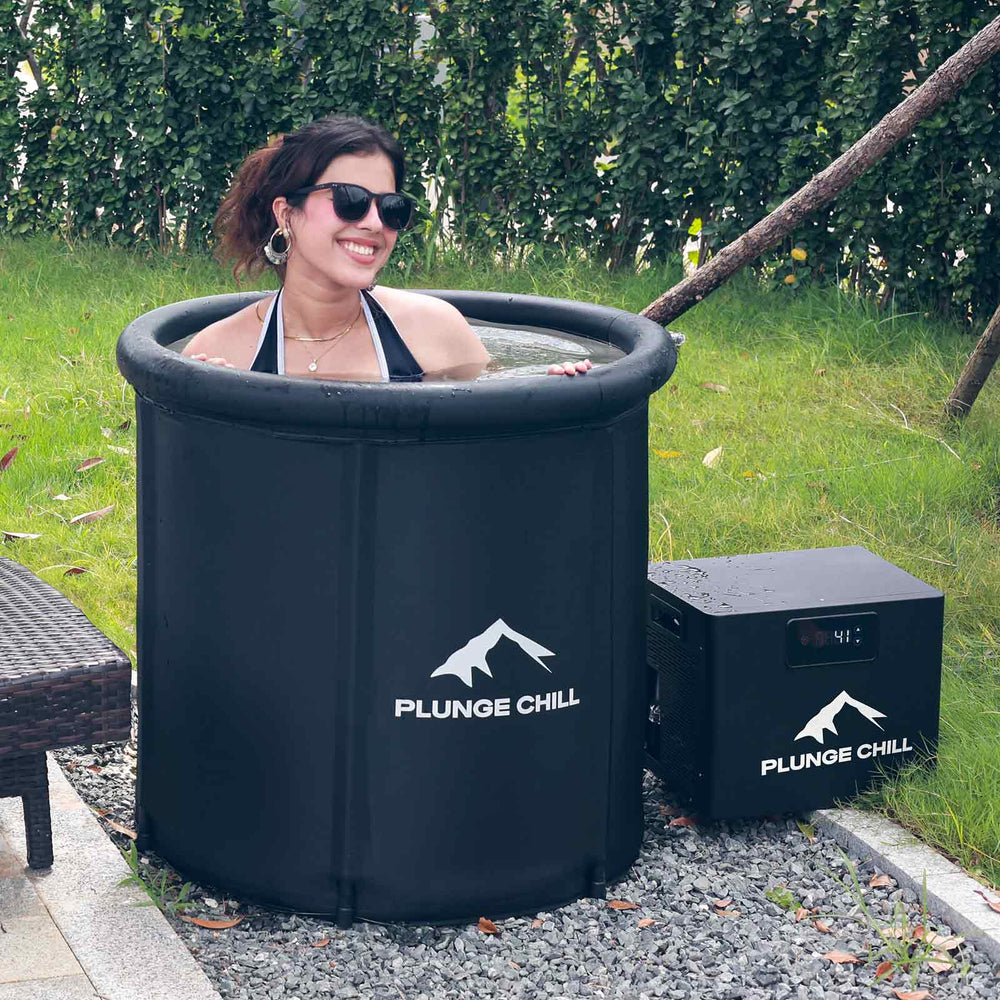
Athletic programs such as Benedictine University Mesa, which partnered with a professional cold-plunge manufacturer, emphasize precise temperature control, filtration, and safety features. Commercial systems offer clean water, robust filtration, digital controls, and non-slip surfaces, reducing infection risk and slips. Lifestyle brands like Kula Recovery make similar points about hygiene and reliability.
For a school, an unsupervised room with plastic tubs, melting ice, and wet tiles is a liability nightmare. Issues include:
- Water sanitation and infection control, particularly for shared tubs.
- Slip and fall hazards around wet flooring.
- Privacy and safeguarding around students in swimwear.
- Screening for medical contraindications and obtaining consent.
- Staff training in recognizing cold injury, near-syncope, and cold shock panic.
- Clear limits on water temperature and immersion time, enforced consistently.
Commercial plunge tanks can cost up to about $20,000 according to Mayo Clinic sources, and they still require trained staff and protocols. Cheaper solutions such as improvised tubs with bagged ice reduce purchase costs but magnify hygiene and supervision problems. Any school budgeting for an ice bath room also needs to budget for staffing, training, maintenance, and insurance review.
To highlight the trade-offs, consider the following simplified comparison.
Option |
Primary goal |
Main advantages |
Core limitations in schools |
Full ice bath room with tubs |
Intense cold immersion |
Strongest cold stimulus; attractive “experience” |
High medical risk, heavy supervision and hygiene needs, high cost |
Commercial cold plunge system |
Controlled immersion |
Set temperature, filtration, safer surfaces |
High capital cost; still needs screening and staff |
Cool shower stations or face dips |
Mild–moderate cold exposure |
Lower risk, uses existing plumbing, easier oversight |
Less dramatic; may feel less “special” to students |
For most schools, the last option is far more defensible from a risk–benefit perspective.

If You Proceed: Using Cold Exposure Safely and Ethically Around Exams
Start with a clear purpose and conservative protocol
If a school chooses to include cold exposure in its exam-season wellness strategy, the first step is to define success realistically. The most evidence-based goals are modest: slightly improved alertness and mood, a small reduction in perceived stress, and possibly better sleep and fewer minor illnesses over time.
For those outcomes, extreme temperatures and long immersions are unnecessary. Across ACSM, Ohio State, Mayo Clinic, and other sources, moderate protocols that balance feasibility and safety look like this:
Water temperature generally in the range of 50–60°F, on the warmer side for novices. Exposure durations starting around 30–60 seconds and building gradually to perhaps three to five minutes, with a weekly total in the neighborhood of 10–12 minutes. Some cold-exposure researchers have suggested around 11 minutes per week of cold as a rough minimum effective dose, which could be achieved by four three-minute sessions.
Exam planners might schedule optional morning or midday cold sessions on selected days during exam periods, avoiding late-night immersions because catecholamine surges can disrupt sleep if used too close to bedtime. It is also prudent to avoid cold exposure immediately after hard strength workouts to protect training adaptations.
Prefer lower-risk modalities for the general student body
High-risk, full-body ice baths should be reserved, if they are used at all, for screened populations under direct supervision. For the broader student body, lower-intensity cold exposure often provides much of the psychological benefit with far less risk.
Several clinician groups, including Stanford Lifestyle Medicine and dialectical behavior therapy practitioners, use brief cold-water face immersions or cool showers as part of emotion-regulation strategies. A few key advantages of these approaches in schools include:
- Shallower water and partial-body exposure, which greatly reduce drowning and hypothermia risk.
- Easier on students with lower body mass or less cold tolerance.
- Simpler to implement in existing locker rooms or nurse’s offices.
A practical exam-season design might be a “cool corner” with basins of cold water for short face immersions and access to showers that can be turned down to comfortably cold, rather than an entire room of deep plunge tubs. Students could be educated about choosing a temperature that feels uncomfortably cold but safe, starting with very short exposures, and focusing on controlled breathing during the first 30–60 seconds when the shock is greatest.
Integrate cold exposure into a broader recovery culture
Every major review, from Mayo Clinic to Harvard Health, emphasizes that cold plunges are an optional garnish, not the foundation, of health and performance. The basics that move exam outcomes are still sleep, physical activity, nutrition, and psychological support.
In applied terms, a high-quality exam-season recovery program might prioritize consistent bedtimes, scheduled active breaks away from screens, short daily walks or light aerobic sessions, access to counselors, and structured study skills workshops. Cold exposure would then sit alongside other optional, student-chosen strategies such as guided breathing, stretching, or mindfulness exercises.
From a coaching standpoint, I encourage schools to present cold exposure to students as one of several tools to experiment with, emphasizing self-monitoring. If a student reports feeling calmer, sleeping better, and studying more effectively after brief cool showers, that is a win. If another student feels more anxious or experiences intense discomfort, they should be empowered to stop without stigma.
My Professional View as a Rehab Specialist and Strength Coach
In elite sport, I use cold-water immersion selectively. It is valuable between back-to-back competitions for endurance and field athletes when the primary goal is to show up tomorrow with less soreness, not to maximize long-term strength gains. I insist on medical screening, tight time and temperature control, and continuous supervision.
Translating that experience into the school and exam context, I do not see a strong case for dedicated ice bath rooms as a centerpiece of academic performance strategy. The physiological benefits most robustly supported by the literature are not the limiting factors in exam performance. The mental health and alertness benefits are promising but modest, and they can be captured to a large degree with cheaper, safer cold modalities such as brief cool showers or facial immersions.
If a school has already invested in high-quality cold-plunge systems for its athletic department, it may be reasonable to explore carefully designed protocols for small, screened groups of students during exam periods, with sports medicine or school health professionals supervising and tracking responses. For general implementation, my recommendation is to focus on robust education around sleep, physical activity, nutrition, and evidence-based stress management, and to treat cold exposure as one optional, tightly controlled adjunct rather than a trend to chase.

Brief FAQ
Are cold showers enough compared with full ice baths?
For exam-related goals like waking up, feeling more alert, and taking the edge off stress, cold showers or short cold-water face immersions are usually sufficient. Ohio State clinicians note that full-body immersion gives a more uniform cooling effect, but cold showers still deliver many of the same physiological and psychological responses with lower risk and simpler logistics. In a school environment, showers are easier to supervise and sanitize than deep tubs.
What water temperature is actually needed?
Most of the recovery and wellness literature clusters between about 50 and 60°F. ACSM, Mayo Clinic, and other sources rarely see a need to go colder than roughly 50°F for the general population. Going substantially below that raises discomfort and risk without clear added benefit for mood or recovery, particularly in non-athletes. For students, it is prudent to start on the warmer end and to let individuals adjust within a safe range rather than chasing extremes.
Who should avoid school-based cold exposure altogether?
Anyone with known cardiovascular disease, uncontrolled high blood pressure, serious arrhythmia, prior stroke, Raynaud’s disease, significant peripheral vascular disease, a history of cold injury, serious autonomic or sensory neuropathy, or complex mental health conditions should obtain medical clearance before participating. Students who panic easily in water, have a history of fainting, or are recovering from illness should also be steered toward other stress-management strategies.

Closing Thoughts
Ice bath rooms in schools during exams make for compelling headlines, but the science paints a more nuanced picture. Cold-water immersion is a potent physiological and psychological stimulus with credible short-term benefits and real risks, not a harmless novelty. For most schools, the wisest approach is to borrow the principles, not the hardware, of elite recovery programs: use brief, moderate cold exposure as an optional tool within a broader, evidence-based culture of sleep, movement, and psychological support, and reserve true ice baths for settings where the risk–benefit balance and supervision are up to professional athletic standards.
References
- https://ben.edu/game-ready-ice-cold-how-plunge-chill-is-helping-redhawks-recover-smarter/
- https://case.edu/news/science-behind-ice-baths-and-polar-plunges-are-they-truly-beneficial
- https://www.health.harvard.edu/staying-healthy/the-big-chill
- https://thewell.northwell.edu/healthy-living-fitness/ice-bath-benefits
- https://lifestylemedicine.stanford.edu/jumping-into-the-ice-bath-trend-mental-health-benefits-of-cold-water-immersion/
- https://sncs-prod-external.mayo.edu/hometown-health/speaking-of-health/cold-plunge-after-workouts
- https://pmc.ncbi.nlm.nih.gov/articles/PMC2938508/
- https://health.osu.edu/wellness/exercise-and-nutrition/do-ice-baths-help-workout-recovery
- https://medicine.tufts.edu/news-events/news/are-you-using-heat-and-ice-properly
- https://acsm.org/cold-water-immersion-friend-froze/