Summary: Brief, well-planned ice baths can train your stress system to stay calmer under pressure, and pairing them with simple journaling turns each plunge into a repeatable mental resilience workout rather than a random act of suffering.
How Cold Plunges Train the Stress System
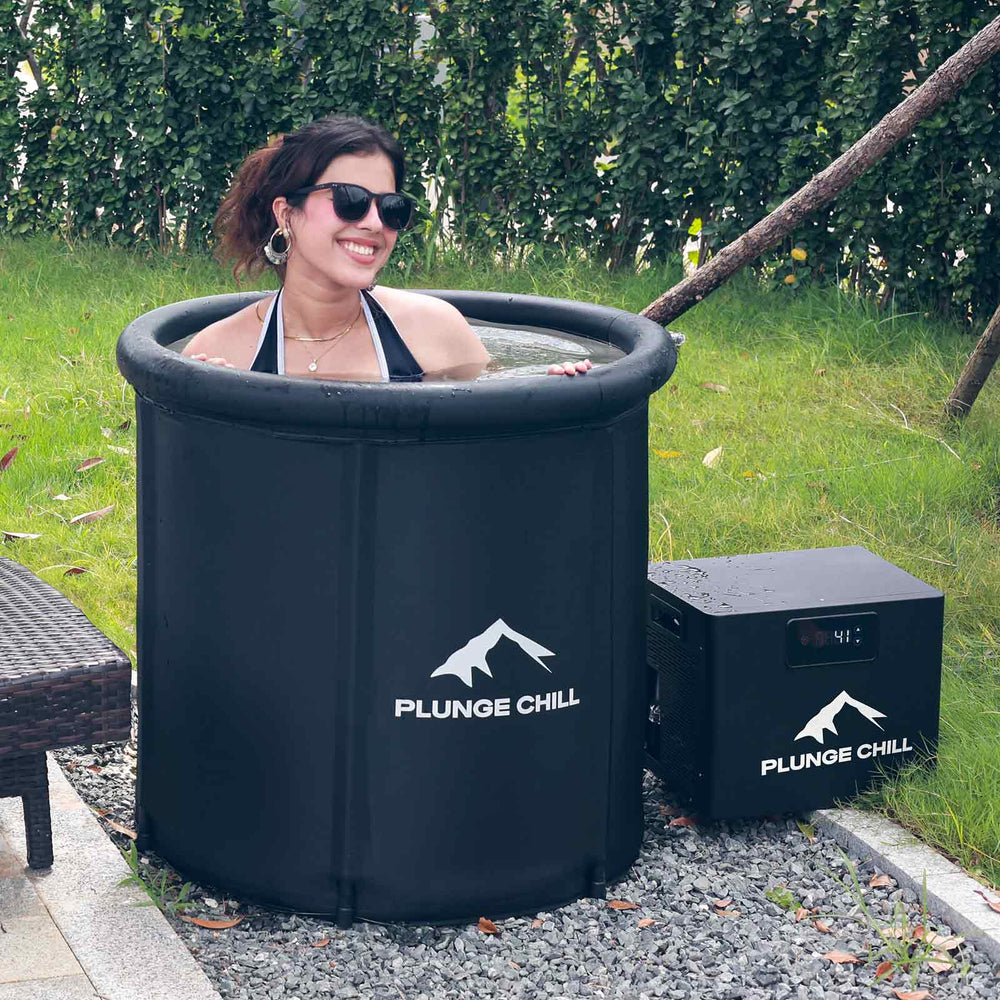
In sports rehab, I treat cold plunges as a deliberate stress drill, not a magic hack. Practically, that means short, controlled immersions in uncomfortably cold water, often around 50–59°F, for a few minutes at a time.
When you step into cold water, skin thermoreceptors fire, your sympathetic nervous system surges, and heart rate and blood pressure jump. Harvard Health and Mayo Clinic both emphasize this “cold shock” is a real cardiovascular load, especially for people with heart disease, arrhythmias, or Raynaud’s.
With repeated, sensible exposure, the body adapts. Stanford Lifestyle Medicine reports protocols where winter swimmers and cryotherapy users show progressively lower cortisol after sessions while still mounting robust norepinephrine responses. In plain terms: your stress system learns to hit the brakes faster, which is the physiological core of resilience.

Neurochemistry, Mood, and Mental Grit
Multiple labs and reviews (including work summarized by Stanford Lifestyle Medicine, Mayo Clinic, and Andrew Huberman) show that cold immersion reliably boosts norepinephrine and, in some studies, dopamine by two to three times baseline for one to two hours. Endorphins rise as well.
Small human studies in moderate cold water (roughly mid‑50s to high‑60s°F) report increased vigor, alertness, and self‑esteem and lower tension, anger, and fatigue shortly after immersion. fMRI work has linked these mood shifts to changes in connectivity between the default mode, salience, and frontoparietal networks—regions involved in emotion regulation and attention.
From a coaching standpoint, the most important piece is “top‑down control.” Brass Monkey and Huberman both describe how staying in the tub when every impulse says “get out” recruits prefrontal circuits that override reflexive fear. Repeating that process session after session is how athletes learn to execute under pressure instead of flinching.

Why Pair Cold Plunges With Journaling?
Cold exposure alone gives you a physiological hit; journaling converts that into a mental skill. In both rehab and high‑performance settings, we use written reflection the same way exposure therapists do: to capture what happened, what you told yourself, and what you want to do differently next time.
A simple cold‑plunge journaling template:
- Pre‑plunge: “Stress level 1–10, what I’m worried about, why I’m doing this today.”
- During (immediately after): “What I noticed in my body, my breathing, and my self‑talk.”
- Post‑plunge (15–30 minutes later): “Mood, clarity, and one situation in life where I can use the same breathing and mindset.”
- Weekly: Review entries, noting patterns in stress tolerance, sleep, and decision‑making.
Many modern cold plunge setups include precise temperature control and companion apps. From a product‑reviewer lens, that matters: the more consistent your water temperature, depth, and session duration, the easier it is to pair those objective numbers with your subjective notes and see what actually improves your resilience versus what’s just hype.

A Practical, Evidence‑Informed Protocol (Plus Safety)
Across sources like Stanford Lifestyle Medicine, Sun Home Saunas, Huberman Lab, and Mayo Clinic, several themes are consistent: start modest, progress gradually, and avoid extremes.
For most healthy people, a reasonable mental‑resilience protocol is:
- 2–4 sessions per week.
- About 1–3 minutes per session at roughly 50–59°F.
- Total weekly cold time around 10–12 minutes, done earlier in the day.
As a strength coach, I strongly advise against routine ice baths immediately after heavy lifting; data from Mayo Clinic and sports science trials show that post‑workout immersion can blunt muscle hypertrophy, even if it reduces soreness. Do your plunge on rest days, on lighter training days, or at least 6–8 hours away from key strength sessions.
Safety comes first: anyone with cardiovascular, respiratory, or serious psychiatric conditions should clear cold exposure with a clinician. Stop immediately for chest pain, marked shortness of breath, confusion, or persistent shivering. Use your journal not just for wins, but also to log adverse reactions and adjust.
Important nuance: reviews from Mayo Clinic, Harvard Health, and psychiatric researchers agree that mental health and resilience benefits are promising but still based on small, heterogeneous studies and strong expectancy effects. Cold plunges plus journaling should be viewed as a structured, low‑cost adjunct—training your stress response and self‑awareness—not a substitute for sleep, exercise, psychotherapy, or medical care.

References
- https://www.health.harvard.edu/heart-health/cold-plunges-healthy-or-harmful-for-your-heart
- https://digitalcommons.liberty.edu/cgi/viewcontent.cgi?article=8439&context=doctoral
- https://www.rutgers.edu/news/what-are-benefits-cold-plunge-trend
- https://lifestylemedicine.stanford.edu/jumping-into-the-ice-bath-trend-mental-health-benefits-of-cold-water-immersion/
- https://sncs-prod-external.mayo.edu/hometown-health/speaking-of-health/cold-plunge-after-workouts