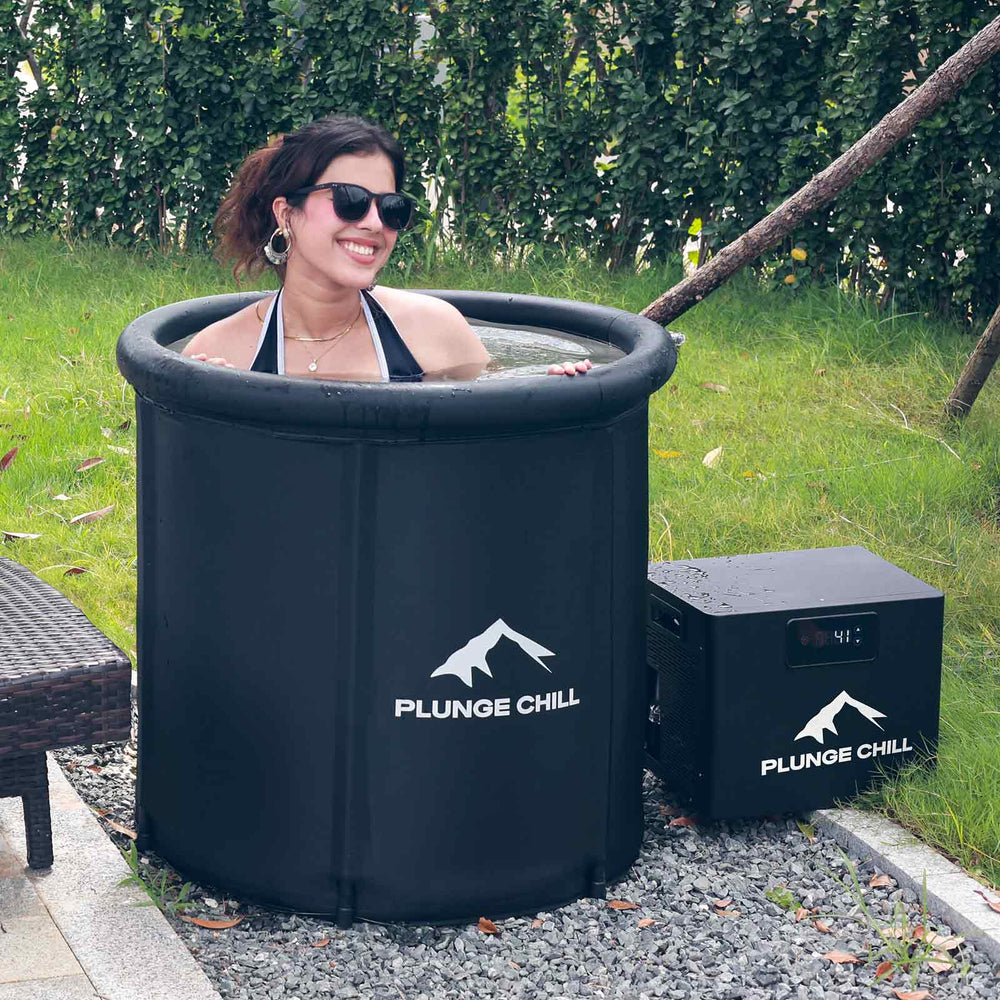
The short answer is yes, you can—just don’t do it right away. Most experts in sports recovery suggest waiting a good 30 to 60 minutes after an ice bath before you step into a hot shower. If you go straight from freezing cold to intense heat, your blood vessels have to open and close too fast, which can leave you dizzy and put a lot of unnecessary strain on your heart and circulatory system. It may also reduce some of the recovery benefits that cold-water immersion provides.
As a sports rehabilitation specialist and strength coach who regularly reviews cold plunge systems for home recovery, I see this mistake all the time. An athlete finishes a hard training session, spends 5–10 minutes in a 50–59°F cold plunge, and then heads straight to a steaming shower. It feels logical—warming up quickly sounds comfortable—but physiologically it’s not ideal. Your body remains in a cold-adapted state for a period after leaving the water, a lingering response sometimes described in coaching terms as a vascular “memory” effect.

PLUNGE CHILL MAX
During this window, your blood vessels are still constricted and your nervous system is adjusting, making sudden heat exposure less safe. In this guide, we’ll explain what happens to your blood vessels during and after an ice bath, why experts recommend avoiding immediate hot showers, and how to warm up safely without canceling the recovery benefits of cold therapy.
What Cold Plunges Do to Blood Vessels and Muscles
Cold water immersion at about 50–59°F is widely used after training to reduce perceived soreness and cool tissues. Ohio State Health notes that cold exposure lowers metabolism in the cooled tissues, limits swelling and tissue breakdown, and nudges metabolites away from the worked area. When you rewarm later, circulation increases and muscles relax. Ivy Rehab and the Mayo Clinic Health System define cold water immersion in the practical range most athletes use: a few minutes to 10–15 minutes at 50–59°F, with full‑body immersion providing more uniform cooling than a shower.
Typical Cold Plunge Protocol
- Temperature: 50–59°F
- Duration: 5–15 minutes
- Immersion: full-body (neck down)
Physiologically, cold water triggers vasoconstriction, reducing blood flow to the skin and superficial tissues. Nerve conduction slows, which can blunt pain signals and reduce the burning sensation after heavy sessions. A less appreciated but important piece is hydrostatic pressure from immersion itself. As summarized in a peer‑reviewed review on cold‑water recovery, head‑out immersion shifts fluid centrally and can increase cardiac preload and stroke volume; it is part of why immersion can feel oddly invigorating and draining at the same time. Together, these mechanisms explain why ice baths can reduce perceived soreness and help some athletes feel ready for the next day, even though the long‑term effects on adaptation are mixed.

Why Do You Feel Cold and Dizzy After an Ice Bath? (Vascular “Memory” Explained)
When you get out of cold water, the body does not instantly revert to baseline. Vessels that constricted during the plunge remain relatively constricted for a while, and sympathetic tone remains elevated. Your skin and peripheral tissues are still cold even after you dry off. If you abruptly apply strong heat—like a very hot shower—the vessels dilate quickly. That drives relatively cold blood from the periphery back to the core, which can drop core temperature further for a short period. This paradoxical cooling after you leave the cold is called afterdrop and it is a well‑recognized phenomenon in cold exposure. The MCPHS physical therapy guidance explicitly cautions against jumping into very hot water after a plunge because it can worsen afterdrop and provoke dizziness; instead, they recommend gradual rewarming through layers and light movement.
The same caution appears in clinical and sports therapy guidance from Ivy Rehab, which advises warming up gradually after a plunge rather than using abrupt temperature shifts. These recommendations line up with common rescue and cold‑exposure safety practices: aggressive external heat on cold skin can destabilize the system when blood vessels and autonomic responses are still in a cold‑biased state. In a team setting, I see the difference. Athletes who rewarm gradually through clothing, a warm beverage, and easy walking stabilize faster and report fewer head rushes than those who sprint to a hot shower.

Why a Hot Shower Too Soon Is a Bad Idea
A very hot shower within the first hour post‑plunge can create a rapid vasodilation surge at the skin while peripheral tissues are still cold. That surge moves cool blood centrally and can magnify afterdrop. For some people, this leads to lightheadedness or orthostatic symptoms when stepping out of the shower. For those with cardiovascular risk factors, the rapid shift in vascular tone adds unnecessary stress at a time when heart rate and blood pressure have already been perturbed by cold shock and immersion.
Mayo Clinic Press describes cold shock as a spike in breathing rate and cardiovascular load, particularly in very cold conditions, and recommends beginning with brief exposures and progressing to only 5–10 minutes in cool water rather than extreme cold. The Mayo Clinic Health System and Kaiser Permanente both advise that individuals with heart disease, uncontrolled high blood pressure, Raynaud’s phenomenon, diabetes, or other vascular/thermoregulatory issues should seek medical guidance before using cold plunges. If you fall into those categories, avoid abrupt hot showers afterward as well and stick to conservative rewarming.
There’s also a simple recovery logic at play. Much of the perceived benefit of a plunge comes from dampening excessive post‑exercise heat and inflammation in the short term. Slamming hot water onto your tissues immediately after a plunge undoes the vascular and temperature state you established. Rewarming matters—but it should be progressive.
A Practical Timeline: How to Rewarm Safely and Effectively
There is no single published minute‑by‑minute standard for post‑plunge rewarming. However, multiple reputable sources converge on the same idea: warm up gradually with clothing, movement, and a warm non‑caffeinated drink, and avoid abrupt temperature shifts. In my practice, a one‑hour buffer before any hot shower or sauna is a conservative, athlete‑friendly rule that aligns with the physiology and the safety guidance summarized by MCPHS and Ivy Rehab. It allows vascular tone and skin temperature to normalize before adding external heat.
The rewarming flow below integrates that guidance with on‑the‑ground coaching practice.
| Time From Exit | What To Do | Why It Works |
|---|---|---|
| 0–10 minutes | Dry thoroughly, put on warm layers (including a beanie and socks), and sip a warm non‑caffeinated beverage like herbal tea or broth. | Layers trap heat and rewarm evenly from the outside without sudden vasodilation; warm fluids support comfort without overdriving skin blood flow. |
| 10–45 minutes | Take a gentle walk or easy spin and keep layers on. If you’re shivering, add another layer rather than external heat. | Light movement increases muscle heat production, restores circulation gradually, and reduces afterdrop risk. |
| 45–60 minutes | Assess how you feel; skin no longer cold to the touch, no shivering, steady energy. | This window allows the vascular “memory” of cold to resolve so tissues handle heat better. |
| After ~60 minutes | If you want a warm shower, keep it moderate rather than scalding. End lukewarm or cool if you plan another training session soon. | Moderate heat completes rewarming without undoing the recovery state or provoking dizziness. |
If you prefer contrast water therapy on a different day, there is research and clinical practice around alternating warm and cold immersions in short cycles and finishing on cold. The evidence is mixed, protocols vary, and it’s a distinct modality from the topic here. The common denominator across both is that extremes and abrupt changes are where problems arise.
Protocol Fundamentals: Dose the Cold, Respect the Heat
Most mainstream clinical and sports performance sources converge on a safe, effective cold‑dose range for post‑exercise recovery. Ohio State Health, Ivy Rehab, Sports Medicine–oriented clinics, and the Mayo Clinic Health System highlight immersion of about 50–59°F for 10–15 minutes, with beginners starting on the warmer and shorter end. If you choose colder water closer to 41–50°F—a range often used in research—reduce the total time and build tolerance slowly. Mayo Clinic Press emphasizes beginning with 30–60 seconds and progressing to only 5–10 minutes in cool water, not ice‑cold extremes, to keep cardiovascular risks low. Across these sources, the message is consistent: dose the cold thoughtfully, and rewarm gradually.

Who Should Be Most Careful
People with cardiovascular disease, uncontrolled hypertension, Raynaud’s phenomenon, neuropathies, or diabetes should consult a clinician before cold plunging, according to Kaiser Permanente, Mayo Clinic Press, and the Mayo Clinic Health System. The same caution applies to pregnancy and to older adults or individuals with very low body fat, where thermoregulation is less forgiving. If you fall into any of these groups, the case for avoiding hot showers in the first hour is even stronger. Keep your rewarming strategy to clothing, a warm drink, and light movement, and have someone nearby if you’re new to cold exposure.
Training Goals Change the Cold Strategy
Cold plunges are a tool, not a cure‑all. For strength and hypertrophy phases, a number of sources, including Ohio State Health, the Mayo Clinic Health System, and sports medicine clinicians, caution that immediate post‑lift plunging can blunt molecular signaling for muscle growth and strength. Ohio State Health suggests delaying cold exposure 24–48 hours after strength sessions if your goal is muscle gain. Kaiser Permanente suggests a shorter but still meaningful delay of 4–6 hours after heavy lifting before you get into cold water. For endurance, tournament blocks, or hot‑weather competition, immediate post‑session plunges tend to be more defensible, as the goal is next‑day readiness rather than long‑term hypertrophy.
The rewarming principle does not change with your goal. Even during dense competition weeks when an ice bath is justified right after the session, avoid a hot shower for about an hour. Rewarm using layers, movement, and warm fluids, then bathe at a moderate temperature later.

PLUNGE CHILL PRO
Benefits, Limitations, and The State of the Evidence
Cold plunges can reduce perceived soreness and markers of exercise‑induced muscle damage and may improve next‑day performance in some settings, as summarized by Ohio State Health, the Mayo Clinic Health System, and clinical sports therapy outlets. A Sports Medicine meta‑analysis reported benefits of cold water immersion for soreness versus passive recovery, while other work summarized by Healthline shows that active recovery can sometimes match or exceed cold in small samples. Mayo Clinic Press characterizes cryotherapy as an optional “garnish” for a solid program built on training, nutrition, sleep, and stress management.
There are tradeoffs. Regular immediate post‑lift plunging may dampen strength and hypertrophy adaptations, with evidence cited by Ohio State Health from peer‑reviewed journals such as the Journal of Physiology and the Journal of Strength & Conditioning Research. Performance studies also show that very cold or prolonged immersion can transiently depress power output in the short term. The practical takeaway is to use cold selectively rather than reflexively.
On protocols, a body of research is comparing different temperature and duration combinations, including ranges from about 41–59°F and short, medium, and longer immersion times. Researchers are still working toward standardized guidelines, and there is no definitive ranking of “best” dose across all sports and goals. That uncertainty does not change the safety principle relevant here: across clinical and sports therapy sources, gradual rewarming and avoidance of abrupt heat immediately after cold are consistent, conservative practices.
What To Do Instead of a Hot Shower
The simplest alternative is to stage a rewarming kit before your plunge. Put a thick towel, a warm hat, socks, a hoodie, and sweatpants within arm’s reach of your tub. Keep a thermos with herbal tea or broth ready. When you get out, dry thoroughly, dress in layers, sip something warm, and walk for five to ten minutes. If you are still shivering, add a layer rather than turning on the shower. After forty‑five minutes to an hour, you will feel fully normalized and can bathe at a comfortable, moderate temperature. In practice, this approach produces fewer head rushes and better next‑day readiness than the “cold plunge then hot blast” routine.

Cold Plunge Chiller + Tub (MAX)
Product Considerations From a Cold Plunge Reviewer
At‑home cold plunge systems have matured quickly. Insulated tubs with chillers hold water reliably at 50–59°F, a sweet spot for most recovery use. Some premium tanks can cost as much as $20,000, as noted by the Mayo Clinic Health System, but there are more affordable options that pair a portable tub with a dedicated chiller and filtration. Whichever route you choose, the same rewarming advice applies. Resist the urge to pair a plunge with a built‑in hot tub or a scalding shower on the same day. Instead, look for practical features that support safe rewarming: a sturdy step for calm entry and exit, a nearby bench to sit and towel off, hooks for pre‑staged warm layers, and a reliable thermometer so you can dose cold consistently. If the system includes a heater, reserve that for a separate session rather than a post‑plunge blast.
If you regularly practice cold plunging, using a temperature-controlled cold plunge system can make recovery easier, safer, and more consistent.
Unlike traditional ice baths that require constant ice purchases and temperature guesswork, a dedicated cold plunge chiller maintains your desired water temperature automatically. This means you can enjoy the same recovery experience every session without the hassle of adding ice or monitoring water conditions throughout the day.
For most users, a water temperature between 50°F and 59°F provides an effective balance between recovery benefits and comfort. A quality cold plunge chiller helps maintain that range while also supporting cleaner water through built-in filtration and circulation.
What to Look for in a Cold Plunge Chiller
When choosing a cold plunge chiller, consider the following features:
- Precise temperature control for consistent recovery sessions
- Integrated filtration to keep water cleaner for longer
- Energy-efficient operation for daily use
- Easy connectivity with inflatable or hard-shell cold plunge tubs
- Durable construction suitable for indoor or outdoor setups
- Optional heating function for separate warm-water sessions when desired
Recommended: Plunge Chill Cold Plunge Chiller
For athletes, fitness enthusiasts, and anyone committed to regular cold therapy, the Plunge Chill Cold Plunge Chiller offers an easy way to maintain ideal plunge temperatures without relying on ice.
Key benefits include:
- ✔ Consistent cooling performance for daily recovery
- ✔ Built-in water circulation and filtration support
- ✔ Compatible with inflatable cold plunge tubs and other chiller-ready systems
- ✔ Simple temperature adjustment to match your preferred recovery protocol
- ✔ Designed for home use with minimal maintenance
Whether you're starting your cold plunge journey or upgrading from an ice-based setup, a dedicated cold plunge chiller can help create a more convenient and reliable recovery routine.

COLD PLUNGE CHILLER
Explore our Cold Plunge Chiller collection to find the right setup for your space, budget, and recovery goals.
Heat Still Has a Role—Just Not Immediately After Cold
Heat therapy has its place. Carrell Clinic’s review of heat versus cold suggests that heat can relax muscles and increase circulation, sometimes supporting immediate post‑exercise comfort, while cold tends to be superior for pain relief at 24 hours. In practice I often use heat on lighter training or mobility days, or later in the evening once recovery from earlier cold exposure is complete. If you enjoy contrast modalities, schedule them on separate days or use carefully controlled short cycles under guidance, not as an impulsive hot shower right after an ice bath.
Frequently Asked Questions
Is contrast water therapy the same as taking a hot shower after an ice bath?
No. Contrast water therapy is a structured protocol that alternates warm and cold immersions in controlled short cycles and typically finishes on cold. It is not the same as jumping straight into a hot shower after a cold plunge. Evidence for contrast is mixed, and it should be used intentionally, not as an abrupt heat application when your skin is still very cold.
How cold should the water be, and for how long?
Most reputable sources recommend 50–59°F for 5–15 minutes depending on your tolerance and experience. Beginners should start warmer and shorter. Extremely cold water or prolonged exposures increase risk without adding benefit for routine recovery. Calibrate to the minimum effective dose, not the bravest plunge.
When is it safe to shower hot?
In my clinical and coaching practice, once you have dried thoroughly, layered up, moved gently, and feel fully normalized—no shivering, skin no longer cold to the touch, and steady energy—it is typically safe to take a moderately warm shower. A one‑hour gap is a conservative, athlete‑friendly target that aligns with gradual rewarming recommendations summarized by Ivy Rehab and MCPHS.
Who should avoid cold plunges or get medical clearance first?
Anyone with cardiovascular disease, uncontrolled blood pressure, Raynaud’s phenomenon, significant neuropathy, or diabetes, as well as those who are pregnant, should speak with a clinician before using cold plunges. This group should be especially careful to avoid abrupt hot showers afterward.
Bottom Line
Cold plunges can be useful for short‑term soreness relief and next‑day readiness, but they demand respect for basic physiology. Because blood vessels and the autonomic system carry a cold bias for a while after you exit, a very hot shower in that first hour raises afterdrop and dizziness risks and can undo what you aimed to accomplish. Rewarm gradually with layers, light movement, and a warm drink, then bathe moderately once you feel fully normalized. As always, match the tool to the goal, protect long‑term adaptations during strength phases, and keep your recovery fundamentals—training load, nutrition, sleep, and stress—front and center.
References
- https://www.health.harvard.edu/pain/cold-versus-heat-for-pain-relief-how-to-use-them-safely-and-effectively
- https://www.mcphs.edu/news/physical-therapist-explains-why-you-should-chill-out-on-ice-baths
- https://www.marquette.edu/innovation/documents/arora_ice_bath_recovery.pdf
- https://sncs-prod-external.mayo.edu/hometown-health/speaking-of-health/cold-plunge-after-workouts
- https://pmc.ncbi.nlm.nih.gov/articles/PMC11872954/
- https://health.osu.edu/wellness/exercise-and-nutrition/do-ice-baths-help-workout-recovery
- https://mydoctor.kaiserpermanente.org/mas/news/health-benefits-of-cold-water-plunging-2781939
- https://mcpress.mayoclinic.org/healthy-aging/the-science-behind-ice-baths-for-recovery/
- https://www.mayoclinichealthsystem.org/hometown-health/speaking-of-health/cold-plunge-after-workouts
- https://www.frontiersin.org/journals/physiology/articles/10.3389/fphys.2025.1525726/full