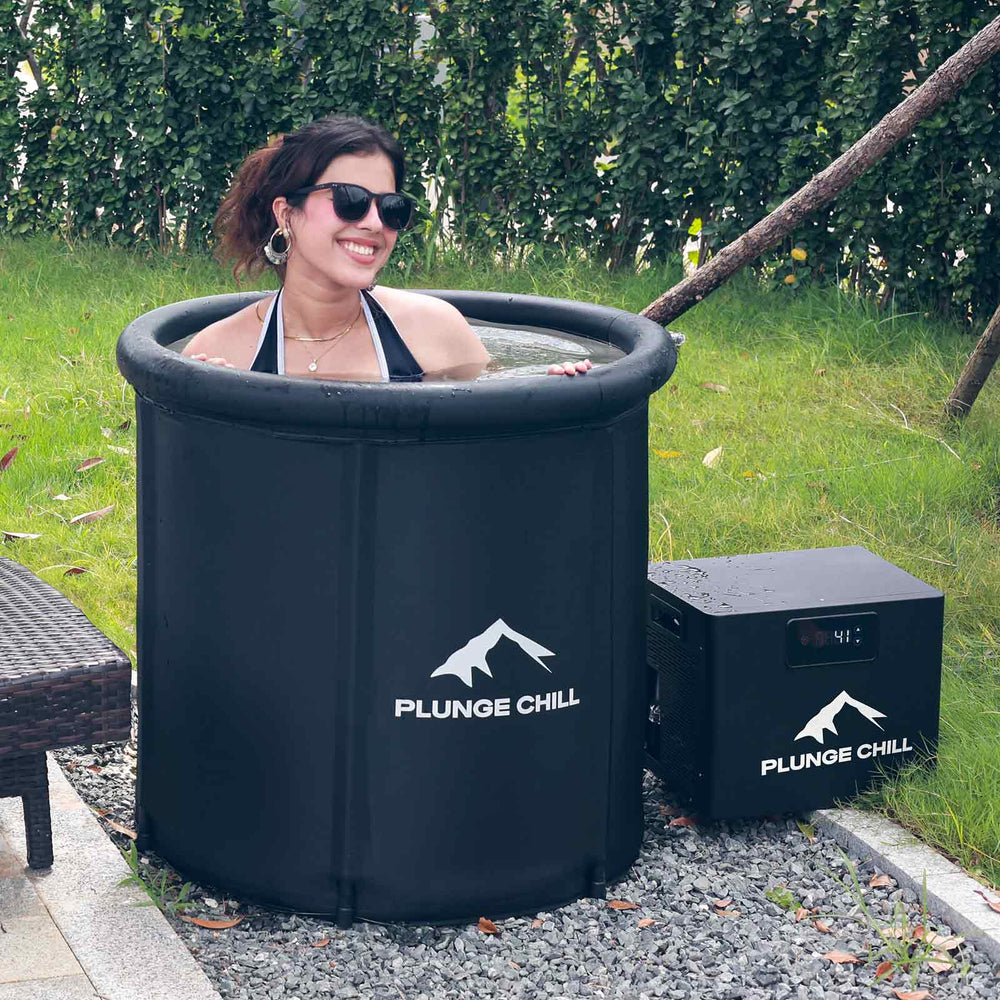
As a sports rehabilitation specialist and strength coach who also spends a lot of time testing cold-plunge setups in real gyms and home garages, I see more athletes and high performers stacking two trends: intermittent fasting and ice baths. Done well, this combination can sharpen focus, improve metabolic health, and support recovery. Done poorly, it can blunt adaptations, wreck sleep, and leave you chilled, ravenous, and overtrained.
This article walks through how fasting changes your physiology, what ice baths actually do at the tissue and nervous-system level, and how to combine them strategically based on your goals. The emphasis is on evidence from human studies with practical, field-tested application for lifters, endurance athletes, and serious recreational trainees.
What Fasting Does To Your Training Engine
Intermittent fasting is not a diet in the traditional sense; it is an eating pattern that structures when you eat. Common patterns like 14 hours fasting with a 10‑hour eating window or 16 hours fasting with an 8‑hour window compress food intake into a defined block each day. Work published in The New England Journal of Medicine and summarized in modern fasting guides shows that, after several hours without food, your body shifts from primarily burning circulating glucose to drawing more heavily on stored fat and ketones for fuel. This “metabolic switch” is one reason people often report steadier daytime energy once they adapt.
Across clinical and translational research, fasting has been associated with improved insulin sensitivity, reduced systemic inflammation, and better cardiovascular markers. Reviews citing work by de Cabo and Mattson highlight that fasting also triggers cellular repair pathways, including autophagy, a process where cells break down and recycle damaged components. This is especially relevant for athletes because more efficient cellular cleanup supports muscle performance, neuroprotection, and immune function.
Cognitively, intermittent fasting may increase brain‑derived neurotrophic factor (BDNF), a protein that supports neuronal health, memory, and learning. Early human and animal data suggest potential benefits for focus and possibly reduced risk of neurodegenerative conditions, although long‑term human data remain incomplete and inconsistent.
In practice, most athletes I coach who adopt a moderate fasting schedule report that it simplifies their day and helps them avoid constant grazing, as long as they maintain high‑quality nutrition in the eating window and adequate protein, hydration, and electrolytes. Problems arise when people assume fasting alone guarantees fat loss or ignore how it interacts with training volume and recovery demands.

What Ice Baths Really Do: Metabolism, Muscle, and Brain
Cold water immersion (CWI) or ice bathing usually means submerging most or all of the body in water around 50–60°F for a few minutes. Stanford Lifestyle Medicine and Mayo Clinic authors describe it as a brief, controlled stressor that triggers a powerful autonomic and endocrine response. Cold receptors in the skin fire rapidly, producing a sympathetic “fight‑or‑flight” burst: heart rate rises, blood vessels in the skin constrict, and catecholamines like noradrenaline surge. Many people experience this as a mix of shock, alertness, and, after they regain control of their breathing, a surprising sense of calm.
Experimental work summarized by Stanford shows that even relatively short cold exposures can acutely improve mood and energy. In one study, a cold sea dip around the mid‑50s Fahrenheit reduced tension and depressive symptoms and increased vigor. Another trial using slightly warmer cold water around the high 60s found that just five minutes increased feelings of activity and inspiration. Cortisol responses are nuanced: across sessions up to an hour, cortisol often falls after immersion and can stay below baseline for hours, especially with repeated exposure over weeks.
On the metabolic side, a detailed review in the Journal of Applied Physiology examined how cold exposure increases energy expenditure. Even mild cold that raises metabolic rate by around 10–20 percent recruits a large fraction of skeletal muscle as a heat source. With more intense cold stress or cold‑water immersion, total energy expenditure can reach roughly three to five times resting levels, driven largely by shivering and non‑shivering thermogenesis. However, studies on intermittent cold exposure in humans show that body weight usually does not change much, because people tend to compensate by eating more when they are hungrier after being cold.
Cold water immersion is also widely used for recovery. Mayo Clinic and sports‑medicine reviews report that post‑exercise plunges can reduce soreness and exercise‑induced muscle damage, restoring performance by the next day in heavy competition periods or tournaments. At the same time, work in the Journal of Physiology and Journal of Strength & Conditioning Research indicates that making cold immersion a daily habit immediately after lifting can blunt long‑term strength and hypertrophy gains. For strength athletes, the timing of cold becomes more important than the absolute dose.
From a brain perspective, the noradrenaline surge induced by cold is robust and tends to remain strong even after weeks of practice. Endorphin responses are more variable, but many users experience an improved mood and clearer head after a plunge. In my own testing across different tubs and temperatures, the combination of high noradrenaline, a post‑plunge drop in cortisol, and the psychological “win” of doing something hard makes ice baths one of the most reliable non‑pharmacologic tools to reset a stressed nervous system between high‑output days.

Metabolic Interactions: Cold Exposure Inside A Fasted Body
The key question for athletes and high performers is not whether fasting or cold exposure can be helpful individually, but how they interact when combined.
A comprehensive review of human cold‑exposure studies in the Journal of Applied Physiology sheds light on what happens when the body is fasted in the cold. In the fasted state, all three macronutrients—carbohydrate, fat, and protein—contribute to cold‑induced thermogenesis. Interestingly, despite representing only a tiny fraction of total stored energy, carbohydrates can provide up to about eighty percent of heat production during maximal shivering. Fatty acid oxidation increases as cold intensity rises but tends to plateau at a fixed rate regardless of shivering intensity or carbohydrate intake.
When glycogen stores are severely depleted and blood sugar is driven very low with high insulin, cold‑induced thermogenesis can be suppressed or even abolished. To keep producing heat, the body then increases protein breakdown. This is exactly what we do not want if the goal is to maintain or gain lean mass. In other words, deep into a prolonged fast with low glycogen and low blood sugar, the body becomes a poor candidate for hard, prolonged cold exposure.
On the other hand, the same review shows that feeding during mild cold markedly enhances glucose disposal. A standard meal or carbohydrate drink given during cold exposure can boost carbohydrate utilization three to more than six times, while fatty acid oxidation also rises modestly. Because endogenous glucose production is suppressed, whole‑body glucose uptake increases dramatically with little or no change in blood glucose. These findings are aligned with other work on brown adipose tissue and skeletal muscle as major sinks for glucose and lipids during compensable cold.
Taken together, the metabolic interaction looks like this. Short, moderate cold exposure in a reasonably fed state can be a powerful way to increase glucose uptake and insulin sensitivity, which is particularly useful in people with metabolic syndrome, obesity, or early type 2 diabetes. Fasting alters fuel availability, so if you add cold on top of a long fast, the body may struggle to maintain heat without cutting into protein. That does not mean you cannot do fasted plunges. It means you need to be strategic about timing, duration, and how aggressive your fasting protocol is.
A simple example illustrates the magnitude of the effect. In one Physiology & Behavior study summarized in weight‑loss discussions, thirty minutes in water around 61°F increased energy expenditure by roughly twenty extra calories compared with warm water. That is a real increase, but if participants then ate more than two hundred additional calories at a subsequent meal, the net effect was weight gain, not loss. Scaling that out, a five‑minute plunge might add only a few extra calories of burn; the real leverage comes from how cold changes your appetite, glucose handling, and training tolerance, not from the plunge itself.
Fasting Plus Ice Baths For Weight Loss: Powerful Synergy Or Overhyped Stack?
The modern narrative around “biohacking” often suggests that stacking fasting with cold plunges will supercharge fat loss and autophagy. Articles from performance clinics argue that fasting improves metabolic health, autophagy, and BDNF, while cold exposure raises metabolic rate and supports fat burning. Conceptually, combining two hormetic stressors makes sense. The challenge is that energy balance and behavior do not always cooperate.
A review on intermittent cold exposure in humans and animals found that cold reliably increases brown fat activity and energy expenditure, and often remodels white adipose tissue toward a more thermogenic profile. Yet across studies, changes in body weight and total fat mass are inconsistent. In rodents, weight can increase, decrease, or stay similar. In humans, weight generally stays the same, although some protocols reduce waist circumference in men, suggesting better fat distribution rather than dramatic fat loss. The authors emphasize that many animals simply eat more in response to cold, offsetting the extra calories burned.
A coaching‑oriented analysis comparing ice baths to intermittent fasting for weight loss drew similar conclusions. Cold‑suit studies burning roughly 250 calories over three hours of mild cold and water immersion protocols adding about twenty calories over half an hour illustrate how modest the cold‑induced burn is in isolation. In one case, participants ate about ten times more extra calories than they burned after the cold session. Meanwhile, intermittent fasting tends to work for weight loss when it helps people naturally reduce daily calorie intake without feeling deprived and fails when long fasts drive overeating once the eating window opens.
Fasting stacked with cold exposure therefore operates under the same basic rule: energy in versus energy out. If a fasted morning plunge gives you better appetite control and mental clarity so that you stick to a sensible eating window and food quality, it can indirectly support fat loss. If the plunge leaves you depleted and you respond by overeating once you break the fast, the stack backfires.
In my own programming for clients who want to lean out, I treat cold exposure as a garnish, not the main course. The priority remains a sustainable calorie deficit with enough protein and resistance training to preserve muscle. Brief cold exposures in the low‑to‑mid‑50s Fahrenheit, two to four times per week, are layered on top once nutrition, training, and sleep are dialed in. We also deliberately plan high‑protein, high‑fiber meals around plunges to blunt rebound hunger.
Timing Your Plunge Within A Fasting Day
The next strategic question is when to place ice baths relative to your fasting window, eating window, and training.
A common intermittent‑fasting schedule for active people is a 14‑ or 16‑hour fast that begins after dinner. Many start the day with water, black coffee, or tea and train mid‑morning or at lunchtime. Cold exposure can be inserted before, after, or away from training, and each option has trade‑offs.
A fasted morning plunge shortly after waking is a popular choice among high performers and is consistent with how Silicon Valley and endurance athletes often use cold. Cold‑water immersion elevates noradrenaline and dopamine, similar to what fasting itself does more gently. A brief plunge, especially combined with focused breathing, can produce a sharp rise in alertness and perceived focus for several hours. For someone on a 14/10 schedule, a two‑to‑five‑minute plunge at 50–60°F before work, followed by a late‑morning first meal, is often sufficient to boost energy without overwhelming thermoregulatory demands.
From a metabolic perspective, moderate fasted cold exposure appears safe for most healthy people, as long as glycogen stores are not severely depleted and you are not hypoglycemic. The Journal of Applied Physiology review only observed suppression of thermogenesis when blood sugar was driven dangerously low in an experimental clamp; this is very different from normal intermittent fasting under ad libitum eating. Still, individuals with diabetes or other blood‑sugar regulation issues should be cautious, as both fasting and cold can influence glucose dynamics. Plunge’s own intermittent fasting article echoes this, recommending extra caution for people with diabetes who consider fasted cold exposure.
Placing the plunge toward the end of the fast, close to your first meal, has some benefits. Because cold plus feeding enhances glucose disposal and fatty acid oxidation, breaking the fast with a balanced meal soon after a plunge may amplify the insulin‑sensitizing effect while shortening the window during which you are cold and fasted. For someone on a 16/8 schedule, that might look like training late morning, finishing with a brief cold shower or plunge, then eating the first meal within an hour.
Using cold after the final meal of the day is another option, although here sleep becomes the limiting factor. Some people find that an evening plunge followed by a slow rewarm and dim light helps them feel calm and sleep better; others feel too wired from the catecholamine surge. This is where personal tracking and experimentation trump one‑size‑fits‑all rules.

Cold, Fasting, and Strength Versus Endurance Training
When you add serious training into the mix, the timing of cold exposure relative to both your workout and your fast becomes critical.
For resistance training and hypertrophy, multiple studies and clinical reviews show that performing cold‑water immersion immediately after lifting can blunt long‑term gains in muscle size and strength. The mechanisms appear to involve interference with anabolic signaling and protein synthesis rather than a simple reduction in inflammation. Mayo Clinic sports specialists and other reviewers therefore recommend avoiding routine post‑lift plunges during strength or muscle‑building phases.
In a practical sense, that means if you are lifting heavy and fasting, you want to keep cold exposure well separated from your lifting sessions. For example, if you train in a partially fasted state mid‑morning, break your fast with a solid meal afterward, and are chasing strength gains, it is wiser to schedule your plunge on a different day or many hours later, once muscle protein synthesis has had time to run. Some athletes place cold on off‑days or after low‑intensity movement such as walking or easy cycling.
Endurance training behaves differently. Studies highlight that cold immersion after hard endurance work can reduce soreness and help restore performance the next day without clearly impairing long‑term aerobic adaptations. For runners or cyclists using intermittent fasting, a typical setup might be a morning endurance session near the end of the fast, followed by a brief plunge and then the first meal. Here, the combination of enhanced glucose disposal in cold and the need to replenish glycogen can align well, especially for athletes managing weight and metabolic health.
From a rehab perspective, cold can be helpful for short‑term symptom control when an athlete is coming back from injury, but the same adaptation rules apply. If regaining muscle size and tendon strength is the primary goal, I avoid plunges immediately after heavy eccentric or resistance work, especially in already fasted athletes whose recovery resources are limited.

Comparing Common Pairings
The table below summarizes typical combinations of fasting and ice baths and how I frame their pros and cons based on current evidence.
Scenario |
Fasting Context |
Cold Timing |
Main Upside |
Main Risk |
Fasted morning plunge on 14/10 schedule |
Overnight fast, first meal late morning |
Brief plunge after waking |
Strong alertness boost, may support appetite control and stress resilience; convenient routine |
In novices, can feel overwhelming; in very lean or overtrained athletes, may add stress if sleep and food are marginal |
Post‑endurance plunge before first meal |
Time‑restricted eating, moderate glycogen depletion |
Short plunge after run/ride, then meal |
Supports next‑day performance and may enhance glucose uptake into muscle and brown fat |
Excess cold plus long fast without adequate re‑feeding can impair recovery in high‑volume training weeks |
Evening plunge deep into long fast (24 hours plus) |
Prolonged fasting, lower glycogen |
Longer or very cold plunge before bed, no re‑feed |
Theoretical autophagy “stack,” subjective mental challenge |
Elevated risk of shivering‑driven protein breakdown, sleep disruption, and over‑stress of cardiovascular and endocrine systems |
In all cases, the stack works best when overall training load, nutrition, and life stress are accounted for. Controlled stress only becomes beneficial hormesis when the total load is recoverable.
Mental Health, Focus, and The “Positive Stress” Model
Beyond body composition and performance metrics, many people combine fasting and cold exposure primarily for mental health and stress resilience. Stanford Lifestyle Medicine, narrative reviews on cold water therapy, and popular coverage in business media all point toward a similar concept: brief, intentional exposure to discomfort can train the nervous system to handle everyday stressors more effectively.
Cold‑water immersion acutely spikes noradrenaline, can reduce cortisol in the hours afterward, and may increase endorphins. Fasting, particularly time‑restricted eating, removes constant decision‑making about snacking and can reduce inflammatory signaling that affects the brain. Together, they form a “positive stress” toolkit. In Silicon Valley and other high‑demand environments, executives and founders routinely report that an early run, cold shower or plunge, and a defined fasting window helps them tolerate long, cognitively intense days.
Clinical tools like dialectical behavior therapy even incorporate brief facial cold‑water exposure as part of TIPP skills to rapidly shift physiology during acute emotional distress. That does not mean everyone should start their morning with a full‑body ice bath on an empty stomach, but it reinforces that cold can be a legitimate, evidence‑supported lever for shifting state, not just a macho challenge.
In the athletes and professionals I work with, the most robust mental‑health benefits come when cold and fasting are integrated into a larger routine that includes movement, social support, and adequate sleep. A two‑minute plunge in a dialed‑in home tub can be the keystone habit that anchors the rest of that routine.
Safety And Who Should Be Cautious With The Stack
Both fasting and ice baths are physiological stressors. When combined, they amplify each other’s demands, which is exactly why they must be used with respect.
Cold‑water immersion carries risks of cold shock, acute blood‑pressure spikes, arrhythmias, and hypothermia, especially in very cold or open water. Mayo Clinic and other clinical sources advise that people with known cardiovascular disease, uncontrolled hypertension, significant peripheral vascular disease, serious respiratory compromise, or conditions like Raynaud’s should get medical clearance before cold plunging. Safety basics include starting with very short exposures, entering water gradually rather than diving, avoiding strong currents or ice‑covered rivers, and having warm clothes ready for rewarming.
Fasting on its own requires caution in people with diabetes, advanced kidney disease, a history of eating disorders, or those on medications that strongly affect blood sugar or blood pressure. Education‑focused fasting resources consistently recommend medical supervision in these populations and emphasize that fasting should supplement, not replace, a balanced diet and regular exercise.
When the two are combined, specific scenarios raise concern. Prolonged fasts beyond a day layered with heavy training and long, cold immersions stack multiple stresses on the heart, immune system, and endocrine system. The Journal of Applied Physiology review shows that severe hypoglycemia can abolish thermogenesis; while normal intermittent fasting does not typically produce such extreme lows, people on glucose‑lowering drugs or with brittle diabetes are closer to that threshold. For them, fasted cold exposure is not an appropriate self‑experiment.
For most healthy, trained adults, however, a moderate fasting schedule and brief, controlled cold exposures are well tolerated when introduced gradually. The guiding principle is simple: if either the fasting or the cold plunge starts to worsen sleep, recovery, or training performance, the stack is too aggressive.
Putting It Together: A Practical Integration Blueprint
While everyone’s needs differ, a structured approach helps athletes and high performers integrate fasting and cold safely.
In the early weeks, I generally have people establish a consistent, moderate fasting pattern first, often a 14‑hour overnight fast that begins a couple of hours after dinner. Once that feels easy and weight, training, and mood are stable, we layer in cold exposure two to three days per week, beginning with water around the high 50s or near 60°F for a minute or two at the end of a shower. This aligns with starter recommendations from Stanford and other clinical sources.
As tolerance grows, many transition to a dedicated plunge tub or colder showers in the low‑to‑mid‑50s, accumulating around ten to twelve minutes of total cold exposure per week, spread across several short sessions. This target is consistent with practice recommendations from clinicians who focus on metabolic benefits of cold. Strength athletes keep these plunges away from heavy lifting sessions, while endurance athletes may place them after harder cardiovascular days.
On the fasting side, some move toward a 16/8 schedule if it fits their training and work. Others stay at 14/10 but tighten food quality and evening snacking. In both cases, the focus remains on sufficient protein, micronutrients, and hydration during eating windows. Supplements sometimes promoted in fasting‑plus‑biohacking programs, such as mineral solutions or plant extracts, can play a role but are secondary to core nutrition. All of this is adjusted downward or paused during illness, peak competition blocks, or periods of high life stress.
From a product standpoint, consistency beats heroics. In my own and my athletes’ experience, a plunge system that holds temperature reliably in the 50–59°F range, has good sanitation, and is convenient to step into on a busy morning or after a session will be used far more often than a hard‑to‑maintain setup that can technically reach near‑freezing. The best protocol is the one you can execute three hundred days per year, not just on social‑media‑worthy weekends.
FAQ: Common Questions About Fasting And Ice Baths
Is a fasted ice bath better than a fed one for fat loss?
Studies on cold exposure show that while energy expenditure rises in the cold, the absolute calorie burn from a typical short plunge is modest, and appetite compensation can easily erase it. Research also shows that feeding during cold can greatly increase glucose uptake and improve insulin sensitivity. For fat loss, the more important factor is whether your overall routine supports a sustainable calorie deficit. If a fasted plunge helps you control cravings and stay within your eating window, it may indirectly support fat loss. If it leaves you excessively hungry and drives overeating later, a fed or post‑meal plunge may be a better choice.
Can combining fasting and ice baths boost autophagy and longevity?
Fasting clearly activates autophagy and various cellular repair processes in animal models and appears to do so in humans, especially as fasts extend beyond a day. Cold exposure is also a hormetic stressor that can enhance metabolic health, brown fat activity, and possibly brain resilience through cold‑shock proteins. It is reasonable to suspect synergy, and wellness clinics often frame the combination this way, but direct human data on the specific pairing are limited. The safest interpretation is that stacking modest fasting with modest cold is likely beneficial for metabolic and stress resilience when you are sleeping well, moving regularly, and eating a nutrient‑dense diet.
Should beginners try fasting and ice baths at the same time?
Most people do better learning one stressor at a time. Educational resources from both fasting and cold‑therapy clinicians emphasize gradual adoption. If you are new to fasting, establish an eating pattern you can sustain for several weeks first. Once that feels normal, introduce gentle cold exposure. If you are already an experienced faster or already comfortable with cold showers or plunges, layering the second intervention is more reasonable, but still start conservatively and watch how your sleep, mood, and performance respond.
Closing this from the perspective of a coach and rehab specialist, I see fasting and ice baths as powerful tools when treated as such: tools, not magic. The athletes who benefit most are those who respect the physiology, adjust for their training phase and health status, and invest in a cold‑plunge setup that makes consistent, sensible use easy. Combine that with a smart strength program, movement you enjoy, and solid nutrition, and the cold‑plus‑fasting stack can become a durable part of a high‑performance lifestyle rather than a short‑lived experiment.
References
- https://www.mcphs.edu/news/physical-therapist-explains-why-you-should-chill-out-on-ice-baths
- https://lifestylemedicine.stanford.edu/jumping-into-the-ice-bath-trend-mental-health-benefits-of-cold-water-immersion/
- https://sncs-prod-external.mayo.edu/hometown-health/speaking-of-health/cold-plunge-after-workouts
- https://pmc.ncbi.nlm.nih.gov/articles/PMC10778965/
- https://kb.osu.edu/bitstreams/fcf3f896-0446-4b9a-a3d4-e084bd4e6fd5/download
- https://www.mayoclinichealthsystem.org/hometown-health/speaking-of-health/cold-plunge-after-workouts
- https://journals.physiology.org/doi/full/10.1152/japplphysiol.00934.2020
- https://www.exercisinghealth.net/blog/ice-baths-for-athletes-the-benefits-and-side-effects
- https://www.businessinsider.com/silicon-valley-tech-elites-ice-baths-cold-showers-fasting-2018-3
- https://www.finalkickafc.com/ray-cronise-on-cold-thermogenesis/