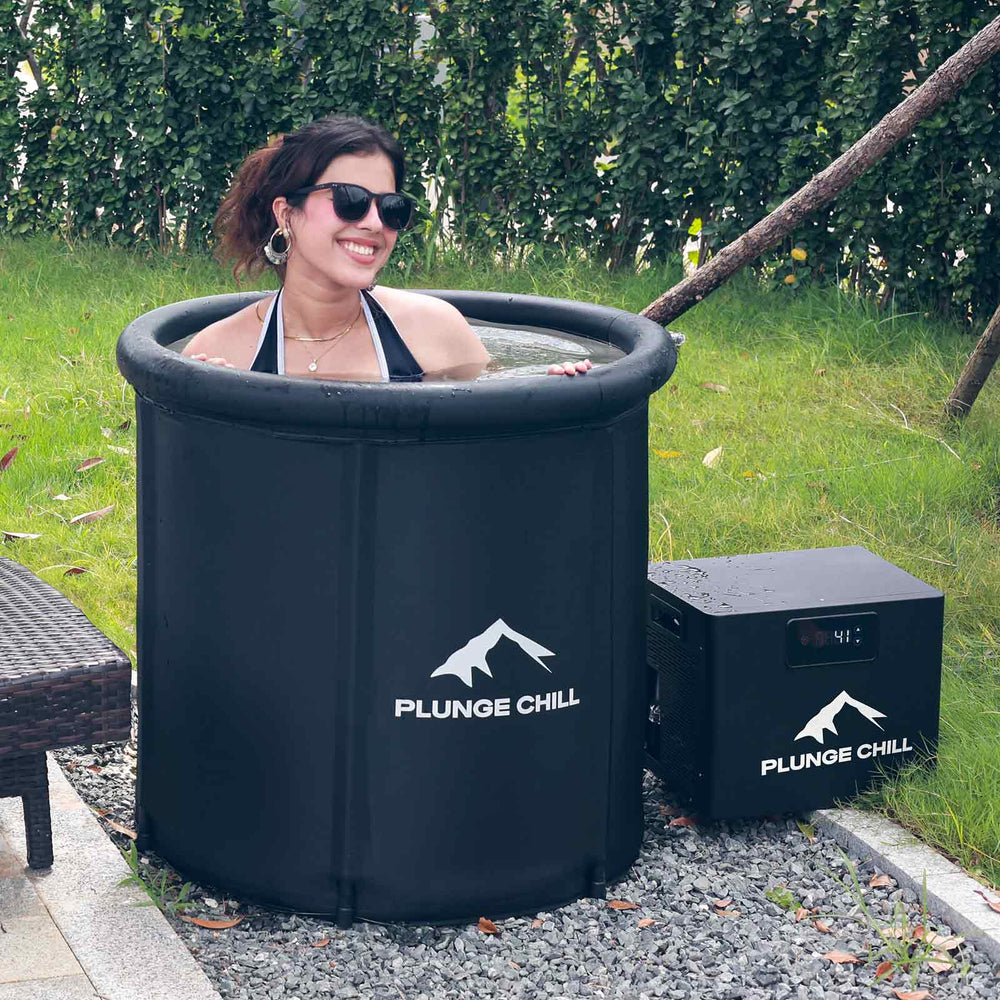
As a sports rehabilitation specialist and strength coach who reviews cold plunge systems for daily use in gyms and clinics, I see the same pattern with clients and coaches: cold water therapy can be a sharp tool for recovery and stress management, but only when protocols respect physiology, training goals, and safety. This guide offers an evidence‑based framework you can bring directly into client programming, with definitions, practical protocols, product guidance, and clear guardrails.
What Cold Water Therapy Is (and Is Not)
Cold water immersion refers to chest‑level immersion in cold water that is typically 59°F or colder for at least 30 seconds, whether in an ice bath, a dedicated plunge, or a natural setting. Cold showers and whole‑body cryotherapy are related but distinct modalities, and they do not stress the body in identical ways. Cryotherapy uses very cold air for brief exposures and can drive different inflammatory responses than water immersion, while cold showers are usually shorter, easier to tolerate, and less physiologically intense than a full plunge. Definitions and temperature ranges come from peer‑reviewed syntheses and health‑system guidance, including PLOS ONE, Cleveland Clinic, and Harvard Health.
How It Works: The Physiology Coaches Need to Know
The moment skin hits cold water, vasoconstriction reduces peripheral blood flow to conserve heat, and the sympathetic nervous system surges with norepinephrine and adrenaline. Heart rate and blood pressure rise, breathing quickens, and shivering thermogenesis ramps up. After you exit, the parasympathetic system rebounds; vessels dilate, heart‑rate variability can move favorably, and many people report a calm, focused afterglow. Multiple sources converge on these mechanisms, including Atria Institute, PubMed Central reviews, and Psychiatry & Psychotherapy Podcast coverage of neurochemical changes.
The time course matters. A recent PLOS ONE meta‑analysis of 11 trials including 3,177 participants reported an acute rise in inflammatory markers immediately and one hour after immersion, with perceived stress reductions not appearing until roughly 12 hours later. That pattern helps explain why some clients feel “amped” right after a plunge and “clear” later the same day. It also highlights why coaches should match timing to the goal, rather than treating cold as a universally relaxing wind‑down.
Benefits and Limits: What the Evidence Supports
The literature is heterogenous, with mixed temperatures and durations and small samples in many studies. Still, a few signals are consistent enough to guide practice.
For soreness and short‑interval recovery, cold immersion is reliably associated with reduced delayed onset muscle soreness and a perception of improved readiness between demanding sessions. Some studies show small preservation of power in the near term. For chronic inflammation and pain conditions, benefits appear transient and symptom‑oriented rather than disease‑modifying, per summaries from Atria Institute and Mayo Clinic. Stress can drop meaningfully later the same day rather than immediately, which aligns with the PLOS ONE findings. Sleep outcomes are mixed; some evidence suggests improvements that may skew male‑dominant, as reported by Harvard Health reviewing the same meta‑analysis. Immune claims are limited, but short cold shower finishes are associated with fewer sick‑leave days, a finding repeatedly discussed by PLOS ONE, Atria Institute, and UCLA Health.
Cardiovascular or neurological outcomes should not be assumed. Reviews from Harvard Health emphasize there is no consensus on heart‑protective benefits, and mechanistic markers like heart‑rate variability do not guarantee clinical outcomes. In short, cold immersion is a potent stressor you can deploy to reduce soreness, modulate stress across the day, and sharpen arousal, but it is not a cure‑all and should not replace training, nutrition, sleep, and progressive programming.
Safety First: Screen, Brief, and Supervise
The fastest way to turn a wellness tool into a liability is to ignore who should not plunge or to skip supervision. Cleveland Clinic, Dartmouth Health, Harvard Health, and Mayo Clinic all recommend clinical clearance for cardiovascular disease, hypertension, arrhythmias like atrial fibrillation, Raynaud’s phenomenon, diabetes with neuropathy or poor circulation, venous stasis issues, cold agglutinin disease, and pregnancy. Never plunge alone, avoid alcohol, keep the head above water, and treat open‑water scenarios with the same respect you give rip currents and cold shock hazards.
Condition or Risk |
Recommended Action |
Key Sources |
Cardiovascular disease, arrhythmias, uncontrolled hypertension |
Medical clearance; avoid if unstable |
Harvard Health; Cleveland Clinic; Mayo Clinic |
Raynaud’s, peripheral neuropathy, poor circulation, venous stasis |
Medical clearance; consider alternatives like contrast showers |
Cleveland Clinic; Dartmouth Health |
Diabetes with neuropathy |
Medical clearance and supervised protocols |
Harvard Health; Cleveland Clinic |
Pregnancy or recent illness |
Avoid unless cleared by obstetrics or primary care |
UCLA Health; Mayo Clinic |
History of cold urticaria or severe cold intolerance |
Avoid immersion; consider face‑only cool exposure under guidance |
UCLA Health; Stanford Lifestyle Medicine |
Open water, currents, ice, unknown depth/temps |
Use lifeguarded or controlled environments; do not go alone |
Dartmouth Health; Mayo Clinic |
Protocols by Goal: How to Dose Cold Without Sabotaging Training
The most useful programming decisions are about timing and dose relative to the training stimulus and the client’s current state. The next table outlines practicable options you can individualize.
Client Goal |
When Relative to Training |
Water Temp |
Duration per Session |
Weekly Frequency |
Key Notes |
Primary Sources |
General stress management and alertness |
Morning or mid‑day on non‑max days |
50–59°F |
2–5 minutes |
2–4 sessions |
Expect stress reductions to emerge later the same day rather than immediately; breathe through the cold shock and exit on dizziness or chest discomfort |
PLOS ONE; Atria Institute; Cleveland Clinic |
Between‑event or dense‑schedule recovery |
Immediately after competition or intense sessions when soreness reduction matters more than adaptation |
50–59°F |
3–5 minutes |
As needed in congested schedules |
Reduces soreness and can preserve near‑term power; prioritize supervision and rewarming strategy |
PLOS ONE; Mayo Clinic; Psychiatry & Psychotherapy Podcast |
Hypertrophy and strength development |
Avoid for at least several hours after lifting; schedule on rest days or early in day separated from training |
50–59°F |
2–3 minutes |
1–2 sessions |
Post‑lift cold can blunt anabolic signaling and muscle growth; separate by a wide margin if used |
Harvard Health; Mayo Clinic; Huberman Lab; Psychiatry & Psychotherapy Podcast |
Endurance emphasis |
Permissible closer to training when muscle growth is not the priority |
50–59°F |
3–5 minutes |
2–4 sessions |
Endurance adaptations appear less sensitive to post‑session cold than hypertrophy |
Mayo Clinic; PLOS ONE |
Novice or cold‑averse clients |
First weeks before any intense cold |
About 68°F |
1–2 minutes initially |
2–3 sessions |
Progress gradually down to low‑50s as tolerance builds; emphasize breath control and calm entry |
Cleveland Clinic |
Rapid calming without full plunge |
Any time a quick nervous‑system reset is desired |
Brief face or head‑out exposure near 68°F |
About 5 minutes |
As needed |
Small fMRI study showed positive affect after five minutes at roughly 68°F; generalizability is uncertain. |
The doses above are conservative and consistent with major health‑system guidance. Cleveland Clinic advises beginners to start warmer near 68°F and keep early sessions to one to two minutes, building toward three to five minutes; they also recommend avoiding water below roughly 40°F. Atria Institute notes most trials clustered around 50–59°F with two to fifteen minutes per session; for coaching practicality, you rarely need more than five minutes.
The Trade‑Offs Coaches Must Manage
The biggest programming tension is between short‑term comfort and long‑term adaptation. Cold immersion after resistance sessions can dampen the very inflammatory and molecular signals that lead to muscle growth, a point emphasized by Mayo Clinic, Harvard Health commentary, and meta‑analytic summaries discussed by Psychiatry & Psychotherapy Podcast. If a client’s primary goal is hypertrophy or strength, schedule cold far away from lifting or on rest days.
An overlooked factor is the expectancy effect. In one study discussed in the Psychiatry & Psychotherapy Podcast, a deceptive “beneficial” skin cleanser altered post‑exercise recovery outcomes, suggesting belief and ritual can shift subjective readiness. This means coaches should standardize instructions, avoid hype, and track readiness and soreness against a neutral comparator such as lukewarm immersion to gauge true contribution. This observation is about study design rather than a specific temperature; it highlights the importance of consistent pre‑briefing and measurement.
Another nuance is that not all “cold” is equal in the immune and inflammatory domain. Atria Institute notes that water immersion often shows no reduction in inflammatory markers and sometimes a temporary spike, while some whole‑body cryotherapy studies report clearer anti‑inflammatory effects. The likely causes are modality and timing differences: air‑based cryotherapy yields rapid superficial cooling with different kinetics than water, and studies often sample biomarkers at different time points. PLOS ONE also found that stress benefits were time‑dependent, appearing near 12 hours after immersion, which might reconcile some of the mixed narratives clients hear about mood and recovery.
Finally, manage expectations around fat loss. While cold activates brown adipose tissue, the practical contribution to daily energy expenditure appears small. Analyses reviewed by the Psychiatry & Psychotherapy Podcast estimate active brown fat contributes a modest fraction of basal expenditure. Clients hoping for meaningful weight change should focus on nutrition and training. Exact caloric effects vary widely by individual.

Practical Session Flow and Coaching Cues
In practice, the best sessions look boring. Brief the client while they are dry, set a timer, confirm the water temperature with a thermometer, and rehearse slow nasal inhales and longer mouth exhales before entry. Cue them to step in gradually and to keep the head above water. The initial gasp reflex is normal; aim to normalize breathing within a few breaths. Keep the hands and feet in the water if the goal is a stronger thermal stimulus, and minimize fidgeting if the goal is a calmer, more meditative exposure.
At exit, dry off and rewarm gradually. Gentle movement, dry clothing, and a warm beverage are often sufficient. If you have a sauna, Cleveland Clinic suggests a fifteen to thirty‑minute sauna after cold to re‑equilibrate temperature, but caution clients who feel lightheaded when switching quickly from cold to hot. If using cold to cool a client overheated from practice or competition, follow your sport medicine heat‑illness protocol and keep supervision continuous.
Product Buying: What Matters When You Choose a Cold Plunge
As a reviewer, I prioritize temperature control and safety first, then filtration and maintenance, and finally footprint, noise, and service. Price ranges are wide; fully featured units can reach $20,000 according to Mayo Clinic, but many programs do well with simpler, well‑maintained setups when protocols are conservative.
Feature |
What to Look For |
Why It Matters |
Temperature control and stability |
Accurate digital control near 50–59°F, with a reliable thermometer you can cross‑check |
Protocols depend on dose; drift undermines programming and safety |
Filtration and sanitation |
Filtration sized for bather load; an ozone or UV option; clear cleaning instructions |
Water hygiene protects skin and eyes and reduces infection risk |
Materials that tolerate repeated cold cycling; insulated walls and lid |
Reduces ice demand and helps the chiller hold temperature |
|
Footprint, drainage, and access |
Easy drain, hose compatibility, non‑slip steps, and room for supervision |
Makes daily operations safer and faster |
Chiller noise acceptable for your space; compatible with available circuits |
A quiet unit supports breathwork and coaching; power limits are real |
|
GFCI plug, locking lid, emergency stop, and temperature high/low alarms |
Reduces electrical and access risks, especially in shared spaces |
|
Support and warranty |
Responsive service and clear parts availability |
Downtime disrupts training cycles and client adherence |
Cost and scalability |
Upfront cost aligned with usage volume; plan for maintenance |
Cold exposure is optional; invest wisely and expand if adherence is high |
Care is simple but non‑negotiable. Confirm temperature with a thermometer rather than relying on a display. Keep the tub covered when not in use, skim debris, and follow the manufacturer’s cleaning and sanitizing schedule. Teach clients to enter and exit safely, keep electronics away from the water, and never use the unit unsupervised.

Clarifying Conflicts in the Literature
If you read widely, you will notice disagreements. For mood and mental health, Stanford Lifestyle Medicine and an fMRI study report immediate mood elevation after brief cool exposure, while the PLOS ONE meta‑analysis did not find consistent mood improvements and instead highlighted a delayed stress benefit. The divergence likely reflects different endpoints and timelines: positive affect right after exposure in small samples versus mood or quality‑of‑life outcomes assessed hours to weeks later in mixed populations.
Anti‑inflammatory narratives also diverge. Atria Institute underscores temporary rises in inflammatory markers after immersion, whereas everyday claims describe “inflammation reduction.” The most plausible reconciliation is that symptom relief and swelling reduction can occur while blood biomarkers transiently rise, and that measurement timing, assay choice, and whether the protocol combines cold with exercise all influence results.
Even the “right” temperature and time resist consensus. Cleveland Clinic and Dartmouth Health favor conservative exposures around 50°F or warmer for a few minutes in controlled settings, while endurance and team sports sometimes plunge colder for short windows in supervised environments. When coaching, use conservative starting points, progress with the client’s data, and let the training block’s goal drive decisions.
Practical Care for Coaches and Clients
Your best protective habit is to log sessions. Record temperature, duration, time of day, and pre/post ratings of stress, soreness, and readiness. If you are working with strength athletes, add notes on proximity to lifting and track whether perceived recovery is coming at the cost of progress on key lifts. If endurance performance is the priority, monitor pacing recovery and session RPE. Encourage clients to avoid alcohol, keep the head above water, and exit immediately on chest pain, confusion, severe shivering, or numbness with loss of motor control. When in doubt, stop the session and reassess.

Short FAQ
What temperature and duration should most clients use?
For most healthy adults seeking stress management or soreness relief between demanding days, exposures around 50–59°F for two to five minutes are sufficient. Beginners can start warmer near 68°F and shorter at one to two minutes, then progress gradually. This aligns with Cleveland Clinic and trial clusters summarized by Atria Institute.
Will plunging after lifting hurt muscle gains?
It can. Evidence summarized by Mayo Clinic, Harvard Health commentary, and research reviews discussed by the Psychiatry & Psychotherapy Podcast suggests that cold immersion right after resistance training can blunt anabolic signaling and reduce hypertrophy over time. Keep cold well separated from lifting or place it on non‑lifting days when size and strength are priorities.
Is a cold shower “good enough” if I do not have a plunge?
For some goals, yes. Cold showers are less intense but more accessible and were associated with fewer sick‑leave days and slightly better quality‑of‑life scores in workday studies discussed by PLOS ONE, Atria Institute, and UCLA Health. Showers are a reasonable on‑ramp for new clients and can build tolerance and adherence.
Is cold immersion safe for clients with heart or circulation issues?
Caution is warranted. Harvard Health, Cleveland Clinic, and Dartmouth Health recommend medical clearance for cardiovascular disease, arrhythmias like atrial fibrillation, hypertension, Raynaud’s phenomenon, diabetes with neuropathy, and poor circulation. When cleared, use warmer temperatures, shorter exposures, and strict supervision, or favor alternatives like contrast showers.
Does cold water therapy help with weight loss?
Not in a meaningful way by itself. While cold activates brown adipose tissue, practical energy expenditure changes are modest at the daily level, according to analyses summarized by the Psychiatry & Psychotherapy Podcast. Nutrition, training, and sleep remain the primary levers.
Should clients sauna after a cold plunge?
A post‑plunge sauna can help re‑equilibrate temperature, and Cleveland Clinic suggests fifteen to thirty minutes is reasonable. If a client feels lightheaded when going from cold to hot, rewarm with clothing and gentle movement first and progress conservatively.
Takeaways
Cold water therapy can be a precise tool for coaches when matched to goals, screened for risk, and delivered with measured doses. The clearest benefits are reductions in soreness and perceived stress, with the latter emerging hours after exposure rather than immediately. Hypertrophy and strength blocks deserve special handling because post‑lift cold can blunt progress. Immune and mood claims are less consistent, although cold showers have intriguing quality‑of‑life signals and are an accessible on‑ramp.
Program conservatively around 50–59°F for two to five minutes, monitor responses, and keep exposures away from key lifts when building muscle. For facilities, invest in temperature control, safety, and sanitation before chasing premium features; supervised, consistent protocols will outperform sporadic extremes. Where the literature disagrees, assume differences in modality and timing, set client expectations accordingly, and verify results with the simplest tools you have: a thermometer, a timer, and a training log.
Overlooked but practical coaching insights include standardizing messaging to limit expectancy bias, favoring cold showers for adherence when full plunges are impractical, and remembering that symptom relief and delayed stress modulation can coexist with short‑term biomarker spikes. Confidence is strongest for soreness reduction and schedule management; it is lower for weight‑control claims and generalized mood outcomes. When in doubt, keep it brief, keep it supervised, and let the training goal decide.
References
- https://www.health.harvard.edu/heart-health/cold-plunges-healthy-or-harmful-for-your-heart
- https://news.hss.edu/5-possible-health-benefits-of-cold-water-therapy/
- https://pubmed.ncbi.nlm.nih.gov/39879231/
- https://lifestylemedicine.stanford.edu/jumping-into-the-ice-bath-trend-mental-health-benefits-of-cold-water-immersion/
- https://sncs-prod-external.mayo.edu/hometown-health/speaking-of-health/cold-plunge-after-workouts
- https://healthcare.utah.edu/healthfeed/2023/03/cold-plunging-and-impact-your-health
- https://health.clevelandclinic.org/what-to-know-about-cold-plunges
- https://www.browardhealth.org/blogs/health%20benefits%20and%20risks%20of%20cold%20plunges
- https://www.dartmouth-health.org/articles/should-you-cold-plunge
- https://journals.plos.org/plosone/article?id=10.1371/journal.pone.0317615