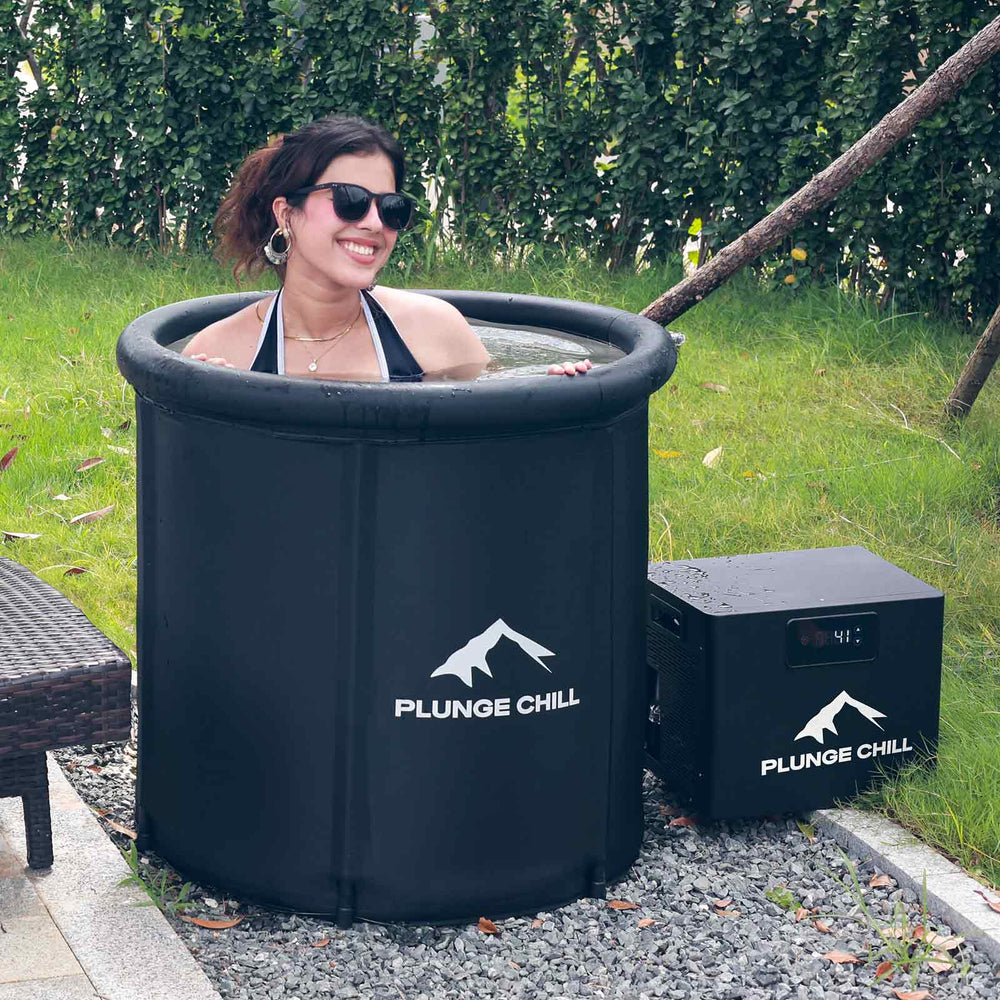
As a sports rehabilitation specialist and strength coach who also reviews cold plunge products, I’ve coached hundreds of women through cold exposure—from NCAA sprinters and postpartum recreational runners to peri- and postmenopausal clients seeking steadier energy and sleep. Cold water therapy can be a powerful tool when dosed and timed correctly for a woman’s physiology and goals. It is not a cure-all, and it’s not appropriate for everyone, but used judiciously, it can help recovery, mood regulation, and stress resilience while keeping training progress on track.
What Cold Water Therapy Is
Cold water therapy refers to deliberate exposure to cold water by full-body immersion, partial immersion, brief cold showers, or open-water swimming. In practice, most wellness protocols land between 50 and 59°F for several minutes, while advanced athletes sometimes work in the 39 to 50°F range, and beginners often start closer to 60 to 68°F to learn breathing control and tolerance. Medical and sports sources disagree on exact “best” parameters. For example, Cleveland Clinic emphasizes short exposures of one to five minutes with conservative temperatures and cautions against dipping below about 40°F, while Ohio State Wexner Medical Center and Kaiser Permanente summarize protocols closer to 10 to 15 minutes at 50 to 59°F. Those differences reflect different intended outcomes, participant characteristics, and study designs, which I discuss below.
How Cold Affects the Body
Cold immediately triggers sympathetic activation: blood vessels in the skin constrict, heart rate rises, breathing quickens, and metabolic heat production ramps through shivering and non-shivering pathways. Short exposures can elevate catecholamines and endorphins in ways that improve alertness and blunt pain temporarily, and repeated exposures appear to shift stress reactivity and inflammatory signaling toward a more regulated profile in many people. Reviews in PubMed Central describe modest improvements in cardiometabolic risk factors in small interventional studies, alongside better recovery markers after strenuous activity. Stanford Lifestyle Medicine has summarized acute changes in stress hormones and mood ratings with cold exposure, including patterns where cortisol falls in the hours after immersion.
Thermoregulatory mechanics matter in the real world. Brown adipose tissue is often credited for the calorie burn of cold exposure, yet evidence in the physiology literature suggests adult BAT contributes only a small fraction of basal energy expenditure. Shivering and skeletal muscle metabolism explain most of the meaningful, whole-body increase in energy use during cold. This distinction helps keep weight-loss claims grounded in physiology rather than hype.
A special case is facial immersion. Briefly immersing the face can trigger the so-called “diving reflex,” mediated by vagal pathways, which lowers heart rate and can feel calming. It’s one reason some anxious clients tolerate face-first cool water exposure as a stepping stone before whole-body work.

Benefits Most Relevant to Women
From a women’s performance and wellness perspective, four domains come up most in the clinic and weight room: exercise recovery, mood and stress regulation, sleep quality, and peri-/menopausal symptom management.
Recovery after endurance efforts has the most consistent support. Everyday Health summarizes systematic reviews and meta-analyses showing reduced soreness and improved perceived recovery within about 24 hours when cold immersion follows high-intensity exercise, typically in the 45 to 59°F range for short sessions. Harvard Health has reported pooled data suggesting stress reductions appear around 12 hours after ice baths, with mixed findings on other outcomes. In my practice, endurance athletes who add two to four short immersions per week at about 55°F report fresher legs the next day, particularly when racing or stacking quality sessions.
Recovery after heavy strength work is a different story. Ohio State Wexner Medical Center and several controlled studies indicate that immediate post-lift cold immersion can blunt the signaling needed for muscle growth and myonuclear accrual. As a coach, I treat cold water like a scalpel: useful for soreness management and psychological reset, but timed away from muscle-building sessions when hypertrophy is a priority. For most women chasing strength or physique goals, I advise saving immersion for rest days or at least 24 to 48 hours after big lifts.
Mood, focus, and stress resilience are common reasons women start cold exposure. Stanford Lifestyle Medicine summarizes acute boosts in vigor and lower tension scores after short exposures, with cortisol often dipping below baseline later in the day. That pattern aligns with what my athletes report—an immediate “jolt” and a calmer arc overnight. However, Harvard Health notes that pooled evidence does not consistently support durable mood or immunity changes beyond short windows. That is consistent with the broader mental health literature, which is promising but still evolving; benefits are most reliable when cold complements sleep, nutrition, training, and psychotherapy where indicated, rather than replaces them.
Sleep quality is frequently reported as better after evening plunges, but the evidence is mixed. A Harvard Health summary notes improved sleep after ice baths in men, not women, in one pooled analysis, whereas large user surveys cited by sauna and cold communities report better sleep across the board. The discrepancy likely reflects differences in definitions, sampling (athletic versus general populations), and timing protocols used in studies. In the clinic, timing a short, non-shivering immersion a few hours before bedtime helps some female clients unwind; others do better in the morning to avoid post-immersion alertness. Individual testing is key.
Perimenopause and menopause symptom support is a growing use case. Some women report fewer hot flashes, lower anxiety, and steadier energy when cold exposure is kept gentle and consistent. Brand and community surveys have reported improvements in hot flashes and mood swings among women using cold immersion, but these are not randomized trials and should be interpreted cautiously. The most plausible mechanism is stress-system recalibration and better sleep quality, not a direct hormonal “reset.” I’ve seen perimenopausal clients tolerate slightly warmer water well—around 55 to 60°F—for two to four minutes, two to four times per week, with reported improvements in daytime steadiness.

Female Physiology and the Menstrual Cycle
Women, on average, have more subcutaneous fat and slightly smaller muscle mass relative to body size than men. Physiological reviews show women tend to mount stronger insulative responses, whereas men show larger shivering and neuroendocrine responses when exposed to cold. When controlling for fatness and surface-area-to-volume ratio, overall cooling rates can be comparable, but the subjective experience often differs.
Cycle phase also matters. The luteal phase brings a small rise in basal body temperature due to progesterone, which can shift how cold feels and how easily shivering begins. Some clinicians suggest avoiding cold exposure or keeping it extremely brief during the first days of menstruation, especially if cramps, fatigue, or endometriosis symptoms are present. In the follicular phase or near ovulation, many women report the best tolerance. These suggestions are based on clinical experience and expert opinion rather than large controlled trials; the simplest way to personalize is to track perceived cold intensity, shiver onset, and mood or sleep across weeks and adjust exposure accordingly. If symptoms flare, back off.
Risks, Contraindications, and Smart Dosing
Cold water is a potent stressor. Safety is non-negotiable. Medical centers like Cleveland Clinic, Ohio State Wexner Medical Center, Kaiser Permanente, Mayo Clinic Health System, and Harvard Health all emphasize pre-screening and conservative ramp-up for people with heart disease, uncontrolled high blood pressure, diabetes, poor circulation, peripheral neuropathy, Raynaud’s, cold urticaria, or a history of syncopal episodes. Pregnancy is a special case: discuss with your obstetric provider. Never train alone in open water; use a thermometer rather than guessing temperatures; and step out if breathing becomes uncontrolled or numbness spreads.
Hypothermia risk climbs quickly below about 65°F, especially with longer immersion. Cold-shock hyperventilation and spikes in blood pressure and heart rate are most pronounced in the first minute, which is why safe entry, controlled breathing, and conservative exposure times matter. If immersion is new to you, start closer to 60 to 68°F for short exposures, learn to control the gasp reflex with slow nasal exhales, and progress only if you recover warmth and feel normal within minutes afterward. Keep a towel, warm layers, and a warm beverage ready post-session.
There is no one “right” time or temperature across all bodies and goals. Practical ranges used by clinicians and athletic programs include one to five minutes at 50 to 59°F for most recovery and alertness goals, with advanced users sometimes working in the high 30s to low 50s for shorter bouts. Other hospital-based summaries have described 10 to 15 minutes at 50 to 59°F. These divergent recommendations stem from different priorities—blunting soreness versus minimizing afterdrop risk, and endurance versus strength outcomes—so the safest compromise for most women is short, consistent exposures at tolerable temperatures, followed by active rewarming and a check-in on how you sleep and train afterward.
Training Goals: When Cold Helps and When It Hinders
The literature is clearest on this point: if your top priority is muscle growth and strength adaptations, do not jump straight from heavy lifting into a cold plunge. Reviews and controlled studies summarized by Ohio State Wexner Medical Center and applied physiology journals indicate immediate cold immersion can dampen the anabolic signaling that drives hypertrophy, even if maximum strength itself does not always decline. For endurance athletes, this blunting appears less concerning, and cold immersion can be used strategically to reduce soreness and preserve next-day quality.
In the gym, I program cold on rest days or at least 24 to 48 hours after heavy lower-body lifting if muscle gain is part of the plan. After long runs, tempo rides, or tournaments in the heat, short immersions around 55°F can make a meaningful difference in next-morning legs. Always avoid using cold to mask sharp pain, instability, or suspected injury; evaluate first.
Contrast Therapy and Sequencing Nuances
Alternating heat and cold is enjoyable and can feel psychologically restorative, but the details matter. The Andrew Weil Center for Integrative Medicine notes that humid heat such as steam rooms and hot baths can accelerate core warming more than dry saunas because evaporative cooling is limited in moist air. When followed by very cold immersion, that stronger thermal swing can increase strain compared with a dry sauna followed by cold of the same temperature. If you love contrast, sequence exposures conservatively, avoid aggressively humid heat just before very cold water, and listen for palpitations, dizziness, or difficulty breathing as signs to stop and rewarm gently.

Practical Protocols You Can Personalize
The safest path is to start warmer and shorter than you think, keep meticulous notes, and adjust to your goals. The table below offers starting points I’ve used with female clients, anchored to the ranges summarized by Cleveland Clinic, Ohio State Wexner Medical Center, Kaiser Permanente, and Mayo Clinic Health System, with cycle-aware pointers drawn from hormone-focused clinicians. All temperatures are water temperatures.
Goal or Context |
Suggested Temperature |
Suggested Time |
Frequency |
Timing Guidance |
Notes |
Beginner acclimation |
60–68°F |
30–90 seconds |
3–5 days/week |
Morning or mid-day |
Focus on breathing control and quick rewarming. |
Post-endurance recovery |
50–59°F |
2–5 minutes |
2–4 days/week |
Within 1 hour of session |
Helps soreness and next-day feel for many runners and cyclists. |
Post-strength days (hypertrophy a priority) |
50–59°F |
2–5 minutes |
2–3 days/week |
24–48 hours after lifting |
Avoid immediately post-lift to protect growth signaling. |
High-stress weeks or mood focus |
50–59°F |
2–4 minutes |
3–4 days/week |
Morning or early afternoon |
Aim for “uncomfortable but safe,” then actively rewarm. |
Perimenopause symptom support |
55–60°F |
2–4 minutes |
2–4 days/week |
Late afternoon or early evening |
Keep gentle; track sleep and hot-flash frequency. |
The above ranges fit most healthy adults. If you shiver hard in the water or struggle to rewarm within 15 minutes, shorten the next session or raise the temperature. If you are chasing short alertness boosts for work or school, facial immersion in cool water for 10 to 30 seconds can be a surprisingly effective primer with lower systemic strain.
Overlooked or Misunderstood Points
Cold and muscle growth do not mix when sequenced back-to-back after lifting. Strength and applied physiology studies, plus sports-medicine summaries, show that immediate cold immersion can blunt hypertrophy signaling even when strength is unchanged. The probable reasons include reduced muscle protein synthesis and blood flow in the critical hours after lifting. Waiting a day or two preserves the benefits of both training and cold. Sources: Ohio State Wexner Medical Center; Journal of Applied Physiology synthesis via sports medicine commentary.
Energy and “fat-burning” claims are often overstated. Reviews in PubMed Central summarize that adult brown fat stores are small and do not account for the dramatic calorie burns sometimes advertised; most of the measurable energy turnover during cold exposure comes from shivering and skeletal muscle metabolism. This is why cold is not a weight-loss strategy on its own. Reasonable verification would include indirect calorimetry during non-shivering cold and, if possible, controlling shivering to isolate non-shivering thermogenesis.
Sleep benefits may be sex- and protocol-dependent. A Harvard Health review reported sleep improvements after ice baths in men, not women, while many community surveys report better sleep regardless of sex. The conflict likely stems from differences in measurement windows, evening versus morning timing, fitness levels, and sample makeup rather than a single biological rule. One verification step is to trial a three-week period of early-evening immersion at 55 to 59°F for two to four minutes, record sleep metrics and perceptions, then compare to three weeks of no cold.
Reported neurotransmitter spikes such as “norepinephrine up 530%” and “dopamine up 250%” appear widely in popular write-ups and some hospital blogs, but they come from small studies with varying protocols and do not translate directly to a specific home routine. A practical verification step is to use standardized mood scales and heart-rate variability for a month while holding your immersion protocol constant and checking for consistent trends rather than headline numbers.

Buying Guide: Home Plunge Options and What Matters
Coaching clients through purchases is part of my job as a reviewer because the wrong setup is either miserable to use or a headache to maintain. A successful home system balances temperature control, sanitation, footprint, safety, and ongoing cost.
A basic option is the household bathtub plus bags of ice. It is inexpensive up front, but ice adds up quickly, temperatures swing, and sanitation is manual. A stock tank outside with ice offers more volume and a dedicated space but still requires ice logistics and scrubbing. A plug-and-play chiller with a compatible tub regulates temperature reliably down to the 39 to 45°F range, circulates water through a filter, and reduces daily hassle; expect to monitor sanitizer levels and swap filters. Premium self-contained plunges add better insulation, tighter temperature control, solid lids, anti-slip steps, and quieter pumps. Apartment dwellers should consider weight per square foot, GFCI outlets, and noise.
For materials, I favor BPA-free, non-porous LLDPE shells or fiberglass composites, sturdy anti-slip surfaces, and insulated lids. For sanitation, ozone or UV assist with microbial control but do not replace balanced pH and an appropriate sanitizer; a small dose of chlorine or bromine plus filtration keeps water clear when many users share a tub. Quick drains and hose compatibility reduce the mess of water changes. Confirm the manufacturer specifies required electrical service, typically a dedicated GFCI outlet, and published noise levels for the chiller. Warranty length and in-country service centers matter more than flashy displays.

Setup, Water Care, and Maintenance
Before the first use, place the unit on level ground with a safe walkway and handholds, connect to a GFCI circuit, and test water-tight seals. Sanitation starts with filtration and consistent disinfectant at the low levels appropriate for bather load. Use test strips every few days, clean the filter on schedule, and shock the water when it turns cloudy or has persistent odor. Rinse sweat and lotions off in a quick warm shower before every plunge; oily moisturizers and heavy cosmetics degrade water quality quickly. In cold climates, protect external hoses from freezing and never run a chiller dry in subfreezing weather. In the rare case of skin irritation or rashes, halt use and sanitize thoroughly before restarting.
Care and Use Tips
The winning formula I see across age groups is modest temperature, short exposures, consistent frequency, and meticulous safety practices. Enter slowly, sit with a controlled exhale to dampen the gasp reflex, and exit before shivering becomes vigorous. Rewarm actively by dressing, moving, or stepping into a warm (not scalding) shower after a few minutes. Avoid alcohol around sessions. If dizziness, chest discomfort, palpitations, or unusual numbness appear, stop and get checked.
How to Reconcile Conflicting Advice
You will find one source recommending a maximum of five minutes while another says ten to fifteen minutes is fine, and still others emphasize weekly totals like “about eleven minutes.” This disagreement is not surprising. Studies differ in temperature, duration, immersion depth, and whether participants exercised first, which changes physiology. Endurance athletes handle cold differently than strength athletes; clinical populations respond differently from healthy volunteers; women in perimenopause may prefer gentler exposures than collegiate swimmers. Use those ranges as bookends, then test conservatively. If soreness drops, sleep holds steady or improves, and your training targets progress, your protocol is working.
Takeaway
For women, cold water therapy is best thought of as a precise tool rather than a lifestyle identity. It can reduce soreness after endurance work, provide a short-lived mood lift, and—when kept gentle—support steadier days through perimenopause. It can also mute muscle-building signals if placed right after heavy lifting, create unnecessary strain when combined with very humid heat, and disappoint when it is used as a substitute for sleep, nutrition, and well-structured training. In my clinic, the most durable wins come from starting warmer and shorter, keeping exposures consistent, tracking how you feel and perform, and matching the protocol to your training phase and cycle. If you have cardiovascular, metabolic, neurologic, or pregnancy-related considerations, talk with your clinician first.
FAQ
Q: What temperature and time are safest to start with if I’ve never done this? A: Start near 60 to 68°F for 30 to 90 seconds and focus on calm breathing and easy rewarming. If you recover quickly and sleep well, progress toward the lower 50s and two to four minutes over several weeks. Cleveland Clinic, Kaiser Permanente, and Mayo Clinic Health System all favor conservative ramp-ups.
Q: Will cold plunges help me lose body fat? A: They can raise energy expenditure temporarily, but adult brown fat stores are small and most energy burn during cold comes from shivering, which is not a sustainable weight-loss plan. Reviews in PubMed Central caution against relying on cold exposure for fat loss. If body composition is the goal, prioritize protein intake, resistance training, and sleep.
Q: Is it better in the morning or at night? A: It depends on your response and schedule. Morning plunges often feel energizing; late-day sessions can set up a calmer evening. Evidence on sleep is mixed, and one pooled analysis saw sleep benefits in men but not women. Trial a three-week block at one time of day and compare to three weeks at another.
Q: Can I use a cold plunge during my period? A: Some women prefer to skip the first days if cramps and fatigue are significant. If you choose to continue, keep sessions gentle and short and watch symptoms closely. A simple verification is to track symptoms and sleep for two cycles with and without cold exposure.
Q: Does contrast therapy with sauna improve results? A: Many find the sequence enjoyable, but humid heat accelerates core warming more than dry saunas and can intensify the subsequent cold stress. If you use contrast, keep heat exposures moderate, avoid aggressive steam before very cold immersions, and pay attention to breathing and heart rhythm.
Q: Is open-water cold exposure safe? A: Open water adds hazards from currents and entry/exit challenges. If you swim outdoors, never go alone, confirm temperature, know the route out, and dress to rewarm immediately. Many athletes do best with a controlled home tub and a thermometer.
A final word on evidence and expectations
High-quality research in women remains limited, especially across menstrual phases and perimenopause. Large medical centers broadly agree on the basics—start conservatively, avoid masking injuries, and time cold around training goals—while details vary because populations and protocols differ. Treat cold water therapy as an adjunct to well-planned training, nutrition, and sleep. If you want help tailoring a program or choosing equipment, a consult with a sports medicine professional who understands female physiology is well worth it.
References
- https://awcim.arizona.edu/podcast/episode56_hussain.html
- https://digitalcommons.cedarville.edu/cgi/viewcontent.cgi?filename=1&article=1539&context=research_scholarship_symposium&type=additional
- https://www.health.harvard.edu/staying-healthy/can-ice-baths-improve-your-health
- https://thewell.northwell.edu/healthy-living-fitness/beverage-temperatures
- https://libguides.urmc.rochester.edu/hom-exhibits/water-cure
- https://lifestylemedicine.stanford.edu/jumping-into-the-ice-bath-trend-mental-health-benefits-of-cold-water-immersion/
- https://sncs-prod-external.mayo.edu/hometown-health/speaking-of-health/cold-plunge-after-workouts
- https://pmc.ncbi.nlm.nih.gov/articles/PMC11872954/
- https://health.osu.edu/wellness/exercise-and-nutrition/do-ice-baths-help-workout-recovery
- https://admisiones.unicah.edu/virtual-library/ZFkOo4/7OK143/cold-therapy-andrew-huberman.pdf