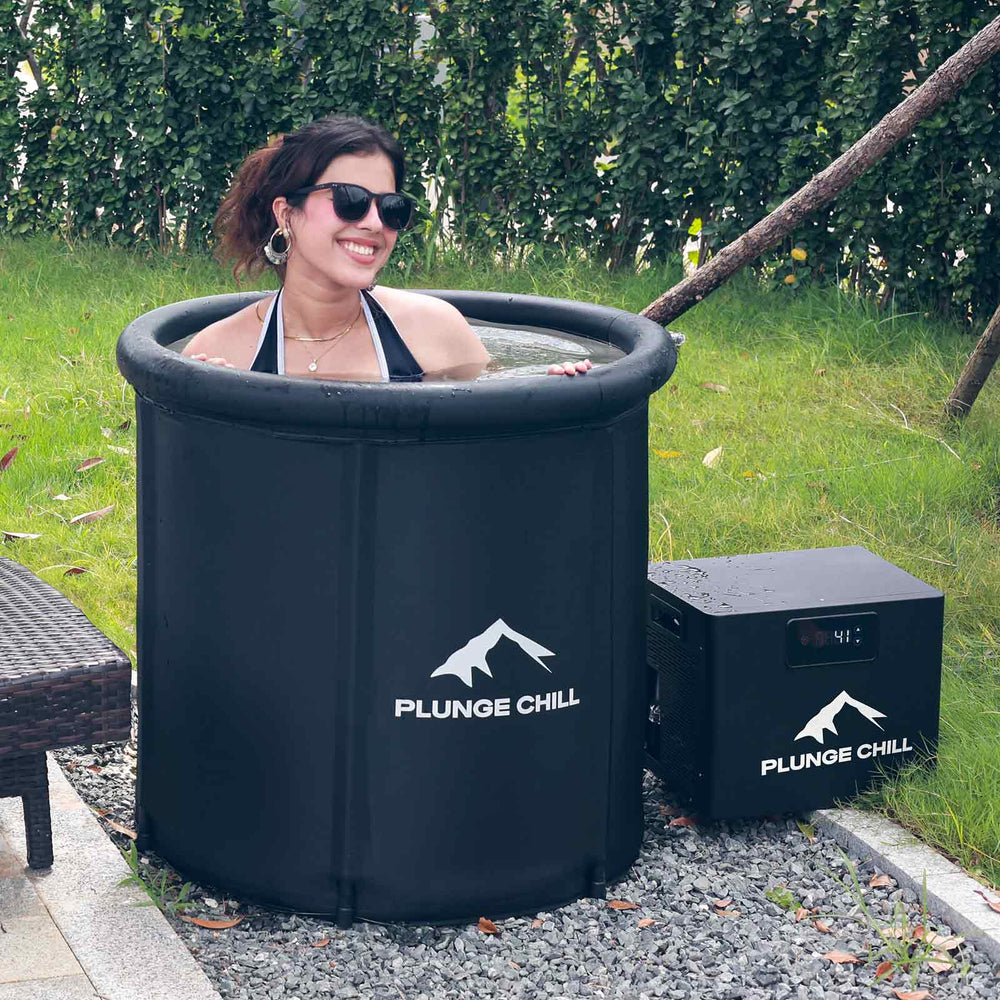
Cold water immersion has moved from locker rooms and social media feeds into everyday wellness routines. Beyond its reputation for jolting alertness and shortening post‑workout soreness, a surprising line of research suggests that brief, controlled cold exposure could support brain resilience. The operative word is “could.” There is compelling biology from animal models and intriguing signals from small human studies, but there is no definitive clinical proof yet that plunging in cold water reduces Alzheimer’s disease risk. For readers who love jewelry and wellness in equal measure, this guide explains the science, what’s known and unknown, how to try cold safely, and how to protect your rings, watches, and gemstones if cold plunges are part of your routine.
In my work around jewelry ateliers, spas, and fitness studios, I’ve watched the cold‑plunge trend grow. I tried short cool‑to‑cold showers myself to understand the practicalities our clients face. One very down‑to‑earth observation for jewelry lovers is how quickly finger size changes in the cold; rings that feel snug at room temperature can slip more easily after a few minutes in cold water. That small firsthand detail becomes important once we reach the care and safety section.
What “Cold Water Immersion” Means
Cold water immersion, often called CWI or “cold plunging,” means brief, deliberate exposure to uncomfortably cold yet safe water. At home, that usually means a tub, stock tank, or plunge unit filled to somewhere between about 39°F and 59°F. Cold tap showers often flow between roughly 50°F and 60°F, depending on the season and plumbing. In practice, beginners might start closer to the high 50s and progress toward the 40s over time, keeping sessions short. Many protocols total around 11 minutes weekly, spread across two to four sessions that each last one to five minutes. Those figures come from popularized practice summaries and should be tailored with medical guidance, not rigidly copied.
Cold exposure is a form of controlled stress. The immediate “cold shock” response includes a rapid rise in breathing and heart rate, peripheral vasoconstriction, and a strong urge to get out of the water. This reaction is normal and brief, but it explains why safety and acclimation matter.

Alzheimer’s in One Minute
Alzheimer’s disease features the loss of synapses and neurons, leading to a progressive decline in memory, executive function, and daily independence. While age and genetics are significant drivers, researchers also study lifestyle levers such as sleep, vascular health, inflammation, metabolic regulation, and stress resilience because these factors influence brain vulnerability. A practical prevention mindset focuses on protecting synapses, preserving vascular and metabolic health, and lowering chronic inflammation. Any cold‑exposure conversation needs to fit into that broader picture and never overshadow proven basics such as exercise, blood pressure control, diet quality, and adequate sleep.
Why Cold Exposure Might Help: The Biological Rationale
The central reason cold immersion gets discussed in brain health circles is the possibility of neuroprotection via cold‑responsive proteins and adaptive stress signaling. Animal studies show that cooling can raise a protein called RBM3, sometimes referred to as a cold‑shock protein. In mouse models of prion disease and Alzheimer’s‑like pathology, RBM3 is linked with preserving and rebuilding synapses. That result has not been proven in people, but it is a plausible mechanistic thread connecting temperature stress to synaptic resilience. Psychiatry and neuroscience reviews have highlighted RBM3’s synapse‑preserving effects in animals, while lifestyle medicine sources have echoed its potential relevance to neurodegeneration. The confidence is moderate for mechanism in animals and low for human clinical outcomes at this time.
Cold immersion also triggers catecholamines such as norepinephrine and epinephrine, which acutely heighten alertness and can enhance attention for hours. This arousal does not equal disease modification, but it can support a more engaged day, which aligns with cognitive health goals. Some studies report post‑plunge mood improvements and short‑term reductions in stress biomarkers later the same day. Reviews in geroscience and aging suggest cold can stimulate thermogenesis and improve certain cardiometabolic markers in select contexts, which might indirectly support brain health. Once again, these are promising pieces rather than proof of reduced Alzheimer’s risk.
Neurohormesis is an overarching concept useful here. It describes beneficial adaptation to mild, intermittent stressors. Just as challenging exercise or sauna can nudge the body and brain toward stronger regulation, well‑dosed cold exposure may nudge neuroimmune and metabolic systems in a direction favorable to healthy aging. Publications in clinical neuroscience and healthy aging emphasize that dosing and individualization are key, and that definitive, adequately powered human trials are still needed.

What Human Studies Show, Clearly and Cautiously
Human evidence supports several near‑term effects. Small trials and observational studies report that brief cold immersion can improve positive affect shortly after a session, with some fMRI work showing altered connectivity among large‑scale brain networks. University news summaries of lab research describe lower heart rate and blood pressure after a single 15‑minute cold immersion in young adults, along with reduced cortisol hours later and better mood reported the same afternoon. A recent meta‑analysis of randomized trials in healthy adults concluded that cold immersion’s effects appear highly time‑dependent: inflammatory markers can rise acutely, while stress markers may decline later the same day, and sleep or self‑rated well‑being can improve in some contexts. The evidence base remains small and heterogeneous, so these results should be read as signals rather than settled facts.
There is an important caution from thermal physiology. Systematic reviews on cold exposure and cognition find that during and shortly after substantial cooling, processing speed and executive function can worsen. One controlled study of young men exposed to cold followed by rewarming found that impairments persisted for about an hour into recovery even as physiology normalized. For anyone considering cold exposure to support long‑term brain health, this nuance matters. Schedule cognitively demanding work after adequate rewarming, not immediately on exiting the water.
Medical voices also remind us that cold immersion is not risk‑free. Cardiovascular clinicians and university physiologists have warned that cold shock spikes blood pressure and heart rate, and can reduce cerebral blood flow briefly. In vulnerable individuals, that surge can precipitate arrhythmias or, in rare cases, acute events. Hypothermia and loss of motor control become concerns with prolonged or very cold exposures. Health departments and safety agencies emphasize that the first minutes in cold water carry the highest drowning risk due to gasp, hyperventilation, and muscle incapacitation. These aren’t reasons to avoid cold altogether; they are reasons to start gradually, screen for contraindications, and mind the basics of water safety.

A Quick Evidence Map
|
Question |
What We Know |
Strength of Evidence |
Relevance to Alzheimer’s Risk |
|
Does cold immersion raise RBM3 in humans? |
Animal data show RBM3 up with cooling and synapse protection in disease models; human RBM3 data remain preliminary. |
Strong in animals; limited in humans |
Mechanistic plausibility for synapse resilience; unproven risk reduction |
|
Does cold improve mood and alertness acutely? |
Multiple small studies report improved positive affect and heightened arousal for hours post‑session. |
Moderate for short‑term effects |
Indirect support for engagement and routine adherence |
|
Does cold reduce stress over days to weeks? |
Some evidence shows later‑day cortisol reductions and perceived stress relief after sessions; longer‑term patterns are mixed. |
Low to moderate |
Indirect anti‑stress pathway; needs larger trials |
|
Does cold impair cognition during/after exposure? |
Processing speed and executive function often dip during cooling and can lag for about an hour. |
Moderate |
Relevant to scheduling and safety, not to long‑term risk |
|
Does cold change cardiometabolic markers? |
Signals of improved insulin sensitivity and thermogenesis in select studies; protocols vary widely. |
Low to moderate |
Indirect link to brain vascular and metabolic health |
The table reflects a conservative reading of work summarized in PubMed Central reviews, GeroScience, International Journal of Environmental Research and Public Health, and university communications. It should be interpreted as a guide, not as medical advice.

How to Try Cold, Safely and Thoughtfully
If you and your clinician agree that brief cold exposure might fit your wellness plan, start with controllable, moderate‑cold options. A cool‑to‑cold shower for 30 to 60 seconds at the end of a warm shower is a reasonable first step. Progress toward one to three minutes as tolerated on two to four days per week. For immersions, consider the high 50s at first, then the 50s to high 40s for one to three minutes as you acclimate. Many people aim for a weekly total of about 11 minutes across several sessions; adjust based on comfort, season, and medical guidance. Keep the head above water, never hyperventilate before entry, and do not plunge alone. Place warm, dry clothing within arm’s reach. Enter slowly, breathe through the first 20 to 30 seconds of “cold shock,” and exit before shivering becomes intense.
Time sessions to serve your day. Early‑day exposures pair well with the alertness spike that follows. Leave a buffer after the plunge before you tackle decision‑heavy work, especially in colder water, because executive function can lag during early rewarming. If building muscle is a goal, avoid ice baths immediately after lifting; sports medicine summaries and Mayo Clinic Press reports caution that cold immersion right after resistance training can blunt long‑term hypertrophy signals. Cold on non‑training days or many hours after training makes more sense.
Check for contraindications. Cold immersion is not a match for everyone. People with cardiovascular disease, rhythm disorders, poorly controlled blood pressure, prior stroke, cold urticaria, severe asthma, advanced neuropathy, or pregnancy should seek individualized medical advice. Older adults deserve extra caution because thermoregulation changes with age. Start conservatively even if you feel fit.
Jewelry Care and Buying Tips for Cold‑Plunge Life
Here is where editorial work for a jewelry audience becomes more than a flourish. Cold water constricts blood vessels in the hands, lowering finger circumference. Rings that feel secure at room temperature can loosen markedly within minutes in a 45°F to 55°F bath. As a result, remove rings before any plunge or open‑water swim. The risk is not only loss; sudden thermal shifts can also stress certain gemstones and finishes.
Porous and delicate gems deserve special care. Opals, emeralds with fracture fillings, and pearls do not enjoy abrupt temperature changes. Repeated cold‑to‑warm cycling can damage adhesives in some fashion jewelry and loosen settings. Plating on vermeil or gold‑plated silver can dull more quickly in water, especially if residual chlorine from a pool or spa is in the picture. Saltwater adds corrosion concerns for alloys that are not highly noble. As a rule, leave pearls, opals, emeralds, and plated pieces on the dresser, not on the deck.
Metal choice guides durability. Platinum, high‑karat gold, and marine‑grade stainless steel or titanium resist corrosion and thermal stress better than base metals and thin plating. If you must wear a band for identification or habit, a silicone ring is a safer “plunge‑day” stand‑in. For chains, shorter lengths that sit above the sternum tangle less in water, but for safety and care, removing necklaces before entry is still the right call. Watches need honest ratings; “water‑resistant” at casual splash levels is not adequate for immersion. Look for a clear depth rating and screw‑down crown, keep gaskets maintained, and consider a dedicated sports watch or leave the heirloom at home.
Storage and recovery are simple. After a session, dry your hands fully before putting rings back on, which helps prevent micro‑abrasive grit from seating under a band and scratching the shank. If your ring feels suddenly loose in the cold months, talk with your jeweler about seasonal sizing solutions. Wipe everyday pieces with a soft, dry microfiber cloth after you rewarm; reserve ultrasonic or steam cleaning for the shop, especially for mixed materials.
Buying with a cold‑plunge habit in mind is about intention. If you are building a capsule collection and know you’ll be near cold tubs or outdoor water often, prioritize bezel‑set diamonds or sapphires in robust metals for daily wear, and save the delicate pavé and porous gems for dress occasions. Choose bracelets and necklaces with secure, modern clasps that are easy to inspect. For rings, a tighter winter fit is safer than a looser one, but plan for the reality that finger size changes with seasons and water temperature.
My own field note is simple. After a month of cool‑finish showers to understand the practice, I stopped wearing my wedding band anywhere near the tub. On the couple of days I forgot, the fit changed enough in the cold that I worried more about losing it than about the water itself. The fix was as easy as a small silicone alternate stored in the bathroom drawer.

Pros, Cons, and Unknowns
The upside of cold exposure is that it is accessible, brief, and potentially additive to other healthy routines. Many people enjoy the immediate mood lift, a sense of composure earned by doing something hard, and the refreshing rebound in warmth as the body reheats. The basic biology makes sense. Catecholamines rise, metabolism increases, and immune signals shift. In animals, cold‑shock proteins like RBM3 plausibly support synaptic resilience. If future human studies confirm those pathways, cold may become one pillar within broader lifestyle prevention strategies.
The downside is the safety envelope. The first minutes in cold water can be dangerous if you are alone, in open water, or have unrecognized cardiovascular vulnerability. Cold can transiently impair the very cognitive functions you need for judgment. Arrhythmias are a non‑zero risk in susceptible people. If you use heavy weights and care about muscle size, regular post‑lifting ice baths are counterproductive. From a jewelry perspective, cold plunges create perfect conditions for ring loss and gemstone stress if you forget to remove pieces.
The uncertainty is large where Alzheimer’s risk is concerned. Reviews from reputable sources emphasize that while the mechanisms are promising and short‑term outcomes are interesting, high‑quality, long‑duration human trials that measure cognition, brain structure, and diagnosed outcomes do not yet exist. The responsible stance is to treat cold exposure as a complementary practice that may support stress regulation and metabolic health, while doubling down on the foundations with proven long‑term brain benefits.
A Conservative Cold‑Exposure Template
A common‑sense way to experiment is to anchor your week with movement, sleep, and diet first, then add a modest cold practice. Start with two or three cool‑finish showers for 30 to 60 seconds on non‑lifting days, then progress toward short immersions in the 50s and high 40s as tolerated, still totaling roughly 11 minutes per week. Breathe slowly through the first wave of cold shock, keep your head out, and focus on calm eyes‑open presence rather than forced hyperventilation. Rewarm actively afterward with light movement and a warm room. Wear no jewelry in or near the water. If you feel unwell, stop and warm up. If you have any relevant medical conditions, ask your clinician for tailored guidance first.
FAQ
What temperature should I aim for if I’m new to cold exposure? Beginners do well starting with water in the upper 50s and then moving toward the low 50s or high 40s as confidence grows. Showers are easier to control than tubs. The right temperature is one that feels distinctly cold but still allows calm breathing for a short period.
Could cold water immersion actually reduce Alzheimer’s risk? There is no definitive human evidence that it does. The idea rests on mechanistic plausibility, including animal data showing cold‑responsive proteins that preserve synapses. Human studies show short‑term mood and arousal changes and some metabolic signals, but not verified long‑term risk reduction. Think of cold as a complementary practice while prioritizing proven brain‑healthy habits.
Is it safer to plunge in the morning or evening? Morning is often better because the alertness that follows cold pairs naturally with daytime tasks, and some people find evening sessions disrupt sleep. Regardless of timing, avoid scheduling decision‑heavy work for the first hour after very cold water because executive function can lag as you rewarm.
Should I keep my rings and watch on during a plunge? No. Cold quickly shrinks finger circumference and increases the chance of ring loss. Some gemstones and platings dislike abrupt temperature shifts. Remove rings, bracelets, necklaces, and watches before any immersion, and put them back on after you are fully dry and warm.
What if I lift weights and also like ice baths? Separate them by many hours or place cold on non‑lifting days. Sports physiology work summarized by leading academic and clinical outlets indicates that cold immersion right after resistance training can blunt hypertrophy signaling. If you care about muscle size, avoid post‑lift ice baths.
How long should each cold session last? Short sessions of one to three minutes are ample for many people, and several brief exposures per week often sum to the commonly cited 11 minutes total. The colder the water, the shorter the exposure needed. Always prioritize safety and individual tolerance over meeting a numeric target.
Takeaway
Cold water immersion has an intriguing scientific story that intersects with brain health, but the Alzheimer’s connection remains an unproven, mechanistically plausible hypothesis. The best reasons to try cold are practical and present‑tense: you may feel more alert, more resilient, and more in command of your stress response. If you decide to explore it, start conservatively, keep safety first, work with your clinician if you have medical conditions, and time sessions so they serve rather than steal from your day. From a jewelry standpoint, treat cold tubs like the ocean: beautiful, invigorating, and absolutely not a place for rings, pearls, heirloom watches, or delicate settings. Build the daily disciplines that are known to protect the brain, and let a thoughtful cold practice be the garnish, not the main course.
Reference Highlights
|
Publisher/Source |
Relevance to Article |
|
PubMed Central (systematic and narrative reviews) |
Summarizes cold immersion effects on physiology, cognition, and immune responses and outlines the evidence gaps and safety considerations. |
|
GeroScience |
Reviews cold therapy as part of healthy aging strategies, including thermogenesis and potential cardiometabolic benefits. |
|
Stanford Lifestyle Medicine |
Discusses cold immersion’s effects on mood, stress hormones, and cold‑shock proteins with implications for neuroprotection. |
|
Psychiatry & Neurosciences (journal commentary) |
Explores neurohormesis, RBM3, and the theoretical basis for cold exposure in clinical neuroscience. |
|
Mayo Clinic Press |
Offers pragmatic guidance on cryotherapy, recovery trade‑offs, and realistic expectations for benefits and risks. |
|
Case Western Reserve University Newsroom |
Interviews a physiology expert on cold shock, benefits, and risks across different cold modalities. |
|
University of Oregon News |
Reports on a lab study measuring cardiovascular and mood responses to a single cold immersion session. |
|
NOAA and allied safety guidance |
Details cold‑shock hazards, loss of motor control, and essential cold‑water safety practices. |
References
- https://case.edu/news/science-behind-ice-baths-and-polar-plunges-are-they-truly-beneficial
- https://pubmed.ncbi.nlm.nih.gov/39879231/
- https://lifestylemedicine.stanford.edu/jumping-into-the-ice-bath-trend-mental-health-benefits-of-cold-water-immersion/
- https://news.uoregon.edu/content/cold-plunging-might-help-heart-health-new-research-suggests
- https://www.weather.gov/safety/coldwater
- https://digitalcommons.wku.edu/ijes/vol12/iss1/7/
- https://www.psypost.org/cold-water-immersion-found-to-boost-cognitive-function-and-reduce-sleep-disturbances/
- https://mcpress.mayoclinic.org/healthy-aging/the-science-behind-ice-baths-for-recovery/
- https://ufhealthjax.org/stories/2024/the-benefits-of-cold-water-immersion-therapy
- https://www.avera.org/balance/wellness-and-preventive-care/potential-benefits-of-cold-showers/
Disclaimer
By reading this article, you acknowledge that you are responsible for your own health and safety.
The views and opinions expressed herein are based on the author's professional expertise (DPT, CSCS) and cited sources, but are not a guarantee of outcome. If you have a pre-existing health condition, are pregnant, or have any concerns about using cold water therapy, consult with your physician before starting any new regimen.
Reliance on any information provided in this article is solely at your own risk.
Always seek the advice of a qualified healthcare provider with any questions you may have regarding a medical condition, lifestyle changes, or the use of cold water immersion. Never disregard professional medical advice or delay in seeking it because of something you have read in this article.
The information provided in this blog post, "How Cold Water Immersion May Reduce Alzheimer’s Disease Risk," is for informational and educational purposes only. It is not intended to be a substitute for professional medical advice, diagnosis, or treatment.
General Health Information & No Medical Advice